
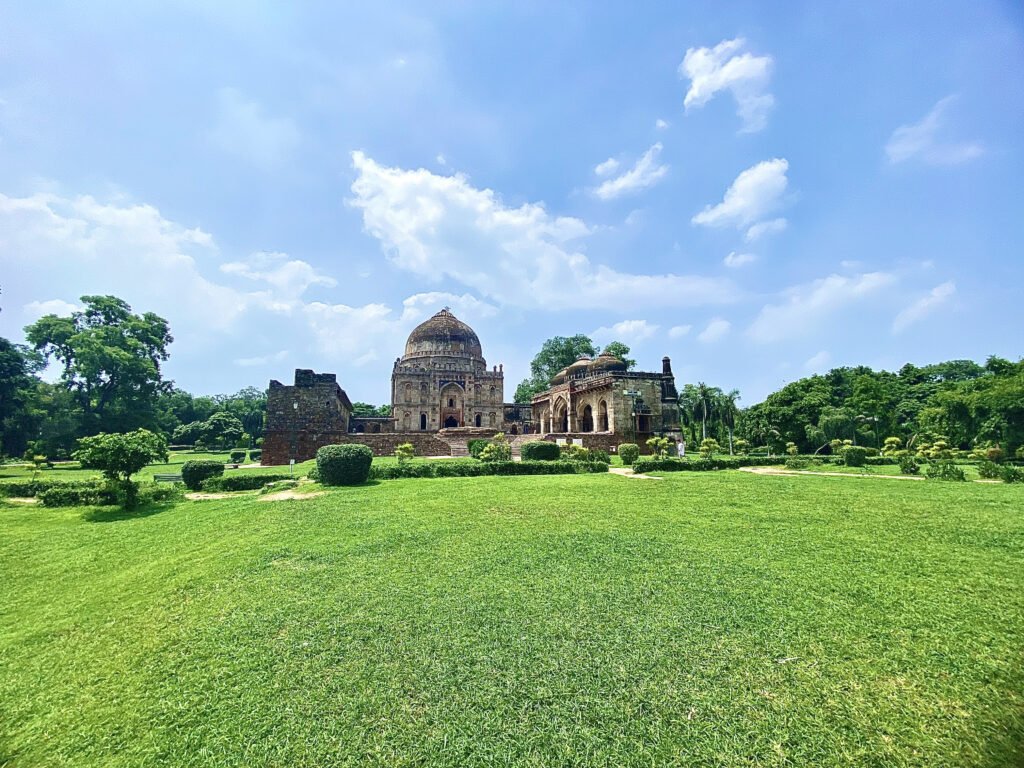
Most people who visit Delhi head straight for the Red Fort or Humayun’s Tomb, and they are not wrong to. But there is a smaller, less crowded place a short drive from Khan Market where fifteenth century tombs sit inside 90 acres of trimmed lawns, and where the loudest sound most mornings is a parakeet, not a tour guide’s microphone. That is Lodhi Gardens.
What Exactly Is Lodhi Gardens
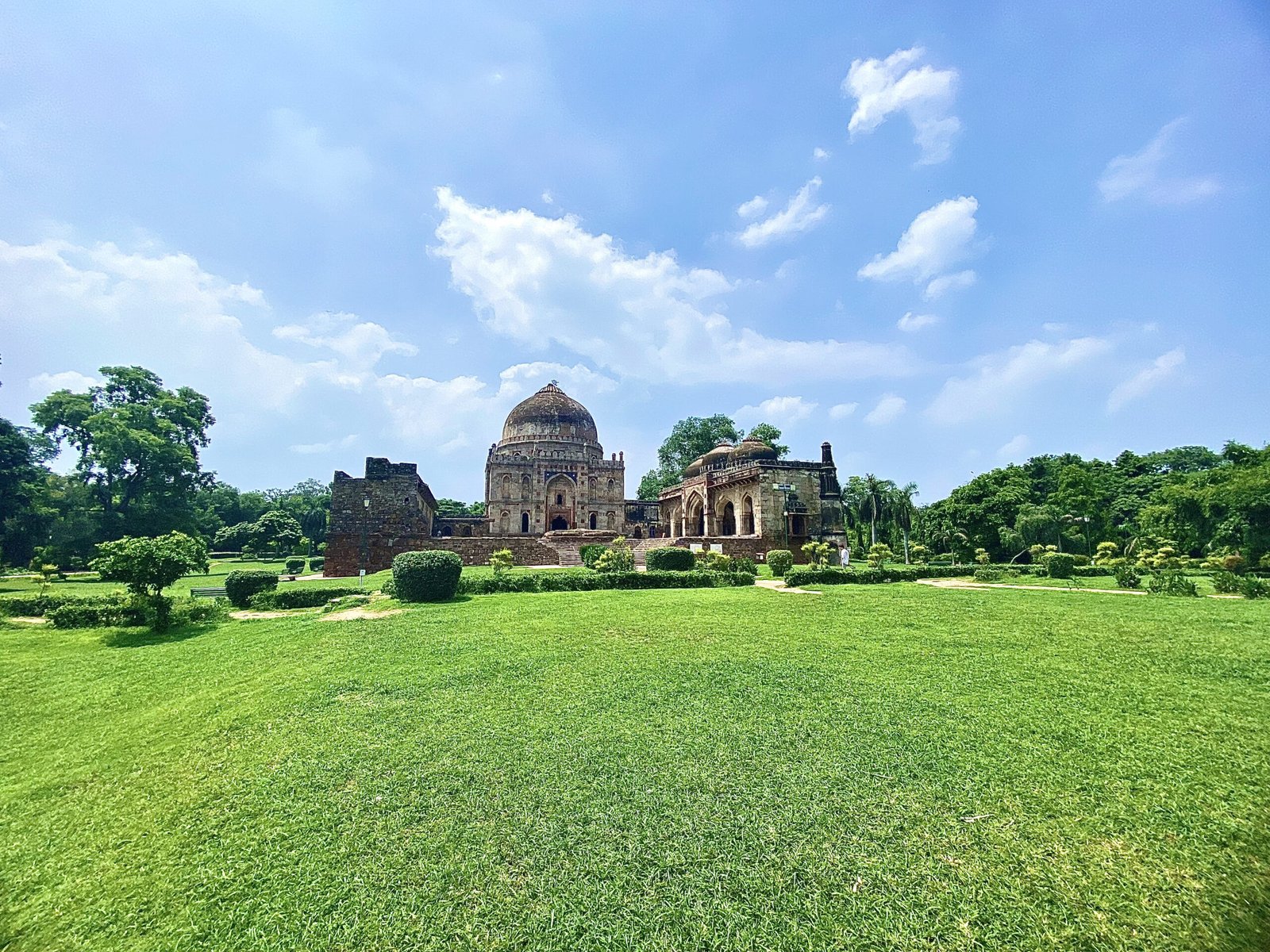
Lodhi Gardens is a city park in New Delhi that once served as the burial ground for rulers of the Sayyid and Lodi dynasties, and it later got its English style landscaping in the 1930s when it was known as Lady Willingdon Park. The site sits between Khan Market and Safdarjung’s Tomb on Lodhi Road, and it is now protected by the Archaeological Survey of India. Spread across roughly 90 acres, it contains four major monuments along with smaller structures scattered across the grounds, and the whole park is planted with thousands of trees that have grown thick over the decades.
The Monuments Worth Slowing Down For
The tomb of Muhammad Shah Sayyid is actually the oldest structure here, built in 1444, which predates the Lodi era buildings that give the park its name. Sikandar Lodi’s tomb sits at the northern end of the park inside a walled garden courtyard, built by his son Ibrahim Lodi around 1517 to 1526.
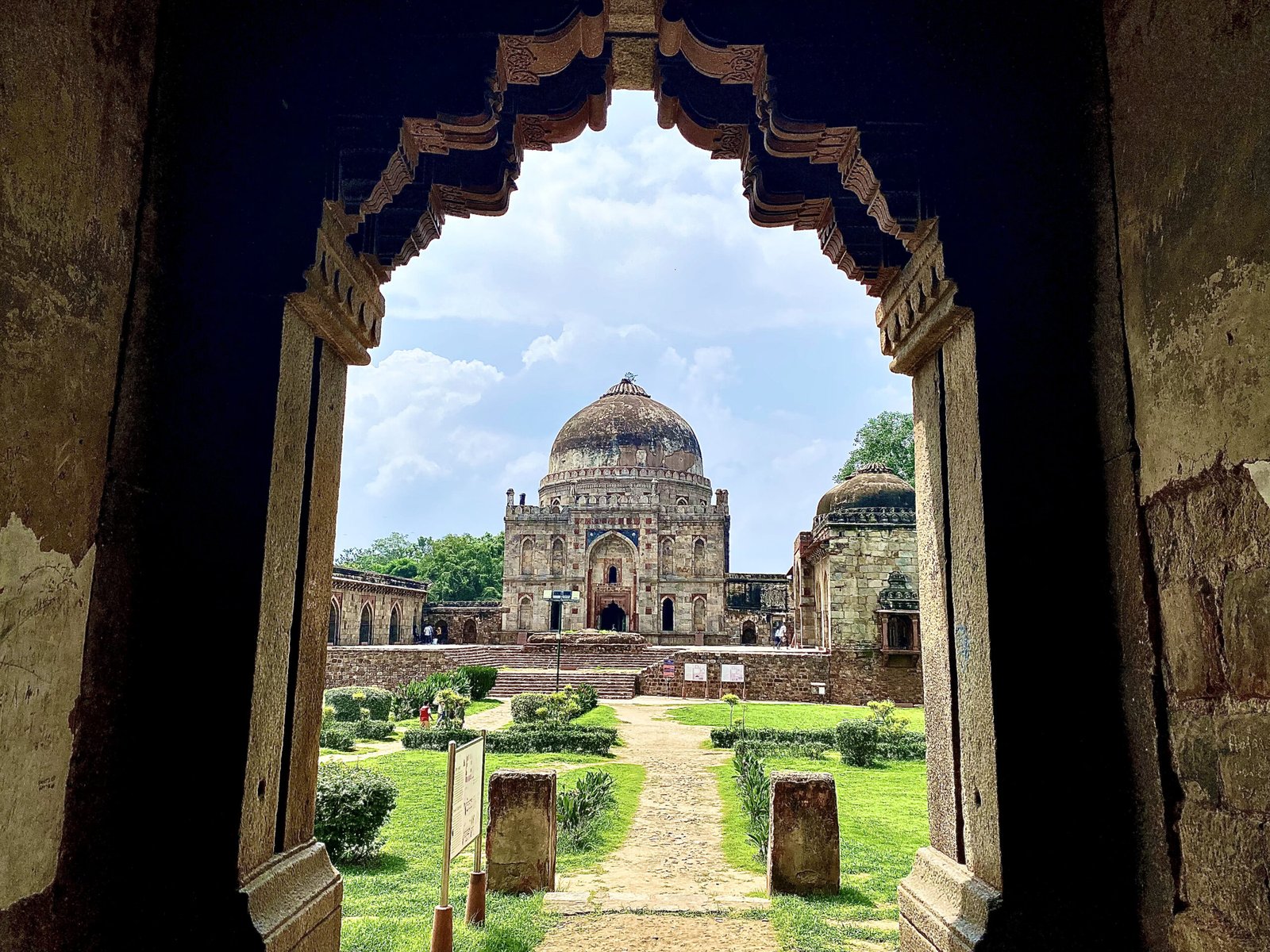
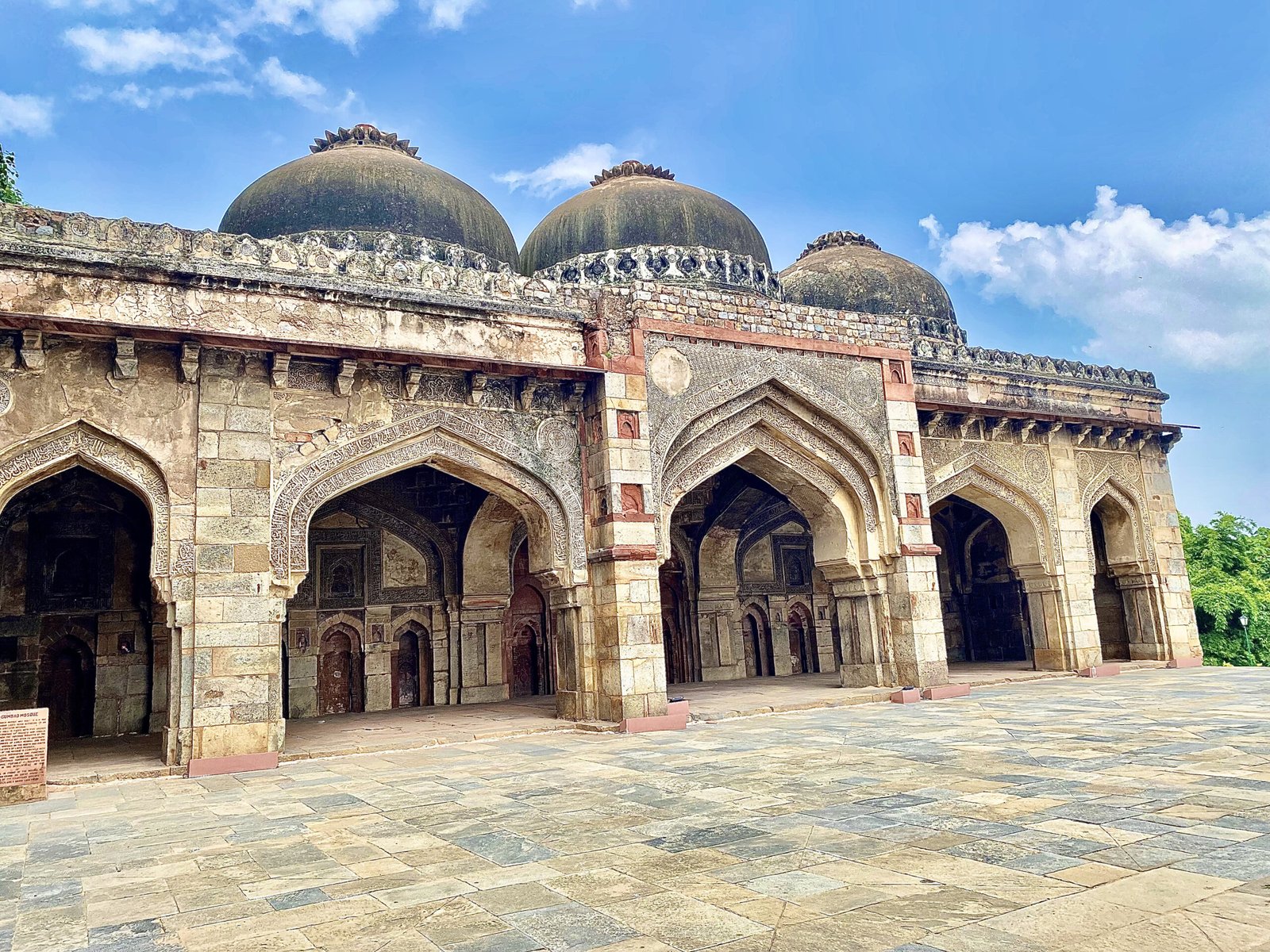
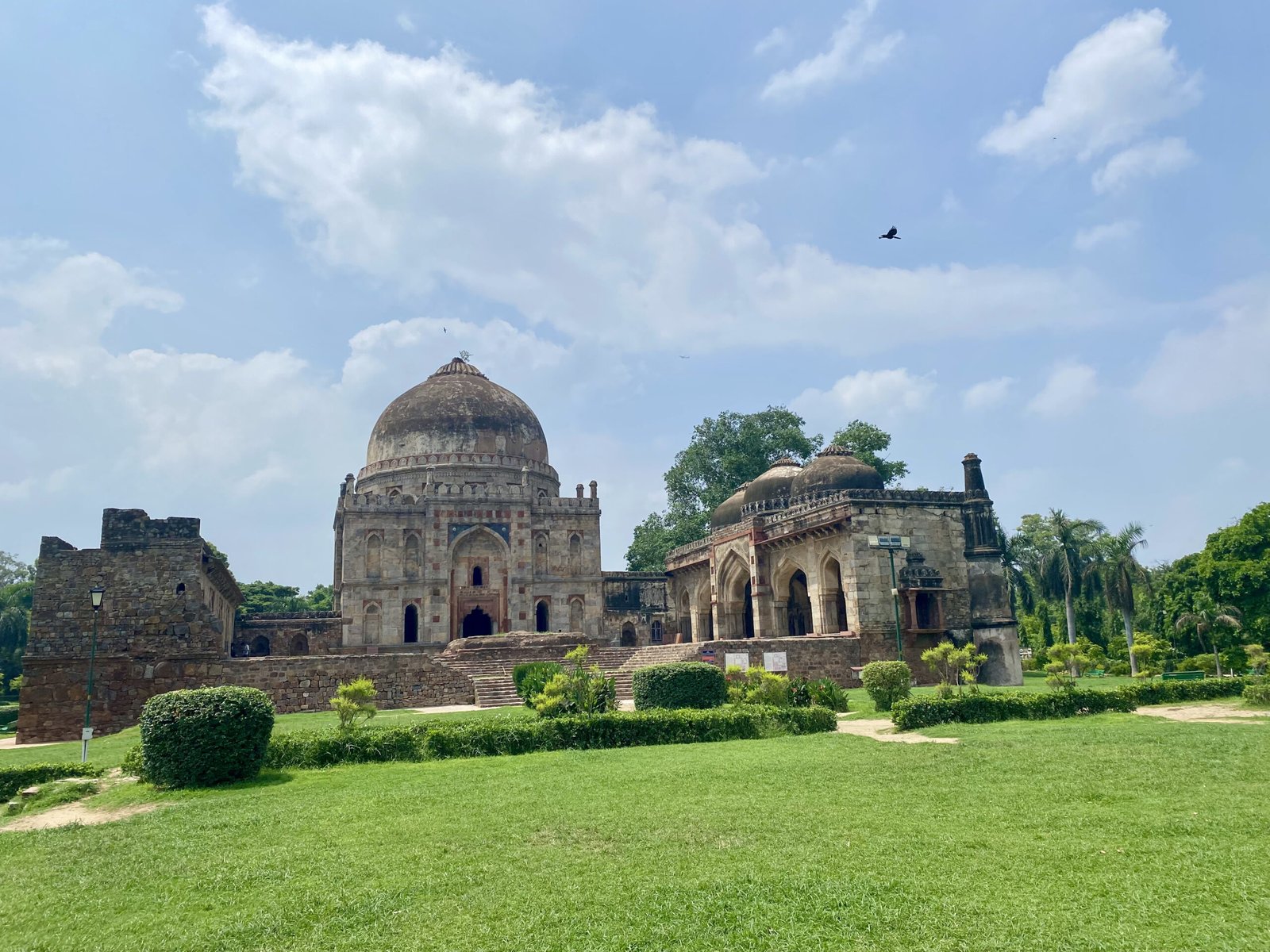
Then there is the pairing most visitors photograph without knowing the backstory. Bara Gumbad, meaning big dome, is one of the most imposing structures in the park, built during Sikandar Lodi’s reign between 1489 and 1517. It comes with an attached mosque and gateway, and oddly enough no grave has ever been found inside it, which has led historians to question whether it was ever a tomb at all.
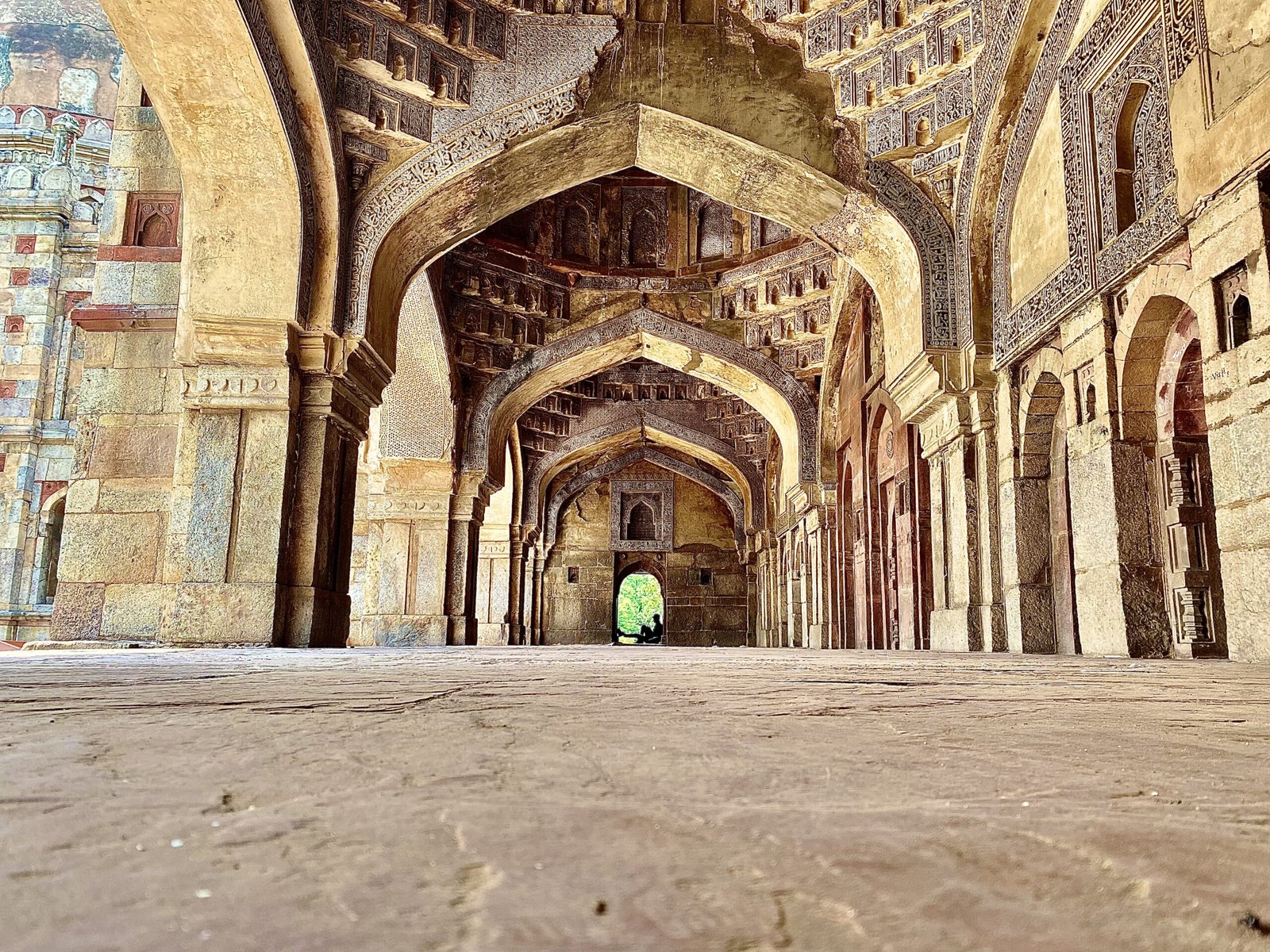
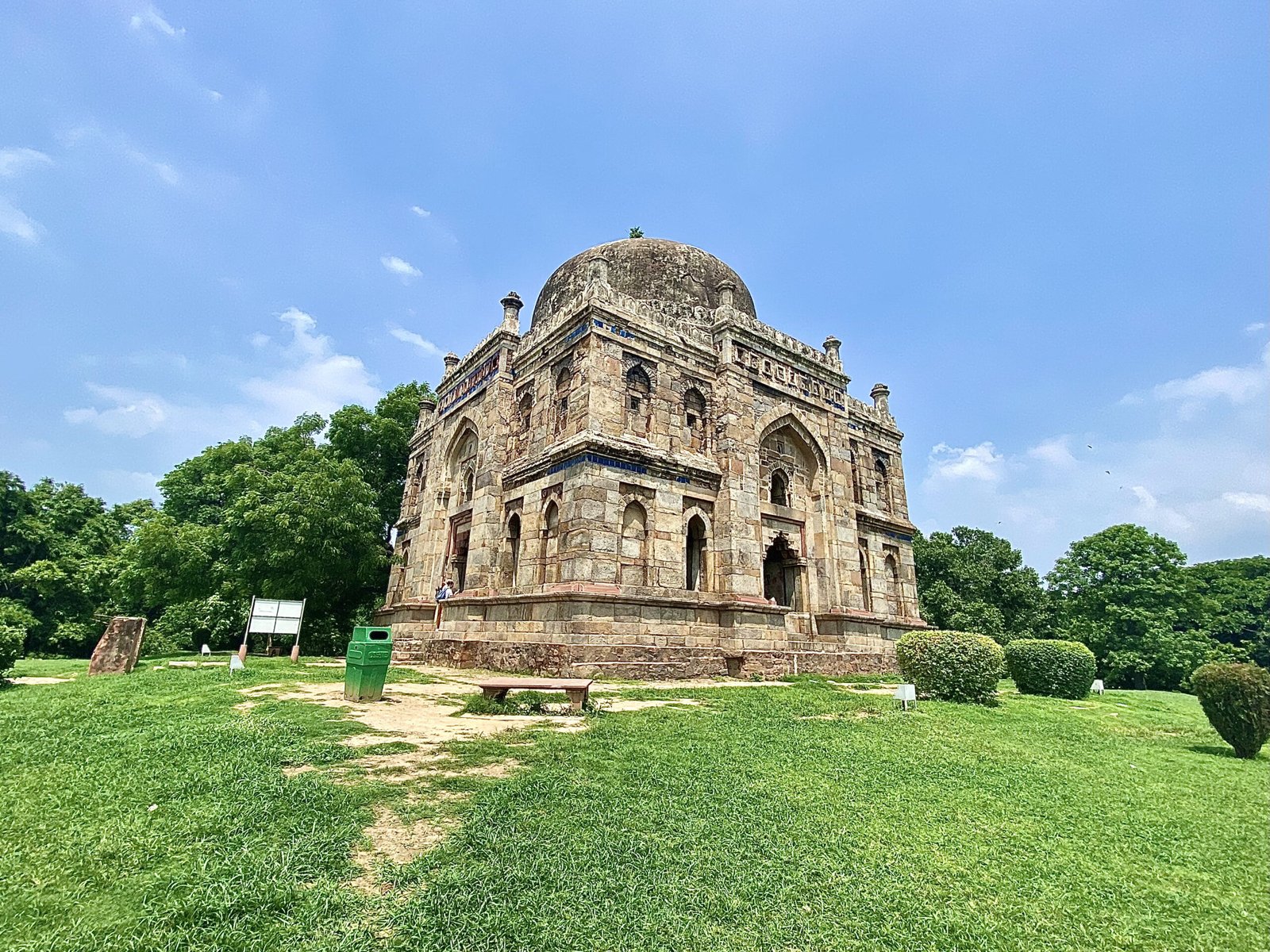
Right next to it stands Shisha Gumbad, the glass dome, named for the glazed tiles that once decorated parts of its facade. It is believed to hold the remains of an unnamed noble from the Lodi period. Some of the architectural details on both structures show a curious blend of Islamic and older Indian design elements, a reminder that Delhi’s monuments rarely sit inside one neat cultural box.
Beyond the Tombs
Away from the monuments, Lodhi Gardens functions as one of Delhi’s most used public parks. There is a pond that draws ducks and the occasional heron, a bonsai garden tucked to one side, and the Athpula bridge at the park’s north eastern corner, built during Akbar’s reign in the mid 16th century by a nobleman named Nawab Bahadur. Its eight piers and seven arches give it the name Athpula, “ath” meaning eight. Morning walkers, joggers, and groups doing yoga on the grass are as much a part of the scene as the tombs themselves, and honestly that mix is what makes the place feel lived in rather than preserved behind glass.
- Timings run roughly 6:00 am to 7:30 pm, shifting slightly by season
- Entry is free, no tickets required
- Best visited October to March when the weather is cooler
- Nearest metro stations are Jor Bagh and JLN
- Plan for 2 to 3 hours if you want to see all four monuments without rushing
- Early morning light works best for photography and also means fewer crowds
Pairing Lodhi Gardens With a Local Food Walk
Lodhi Gardens works well as a slower, reflective counterpoint if your Delhi itinerary is otherwise packed with markets and street food stops. Some travelers combine a morning at the gardens with an afternoon exploring Delhi’s food scene, since Khan Market and its surrounding lanes are just a short walk away.

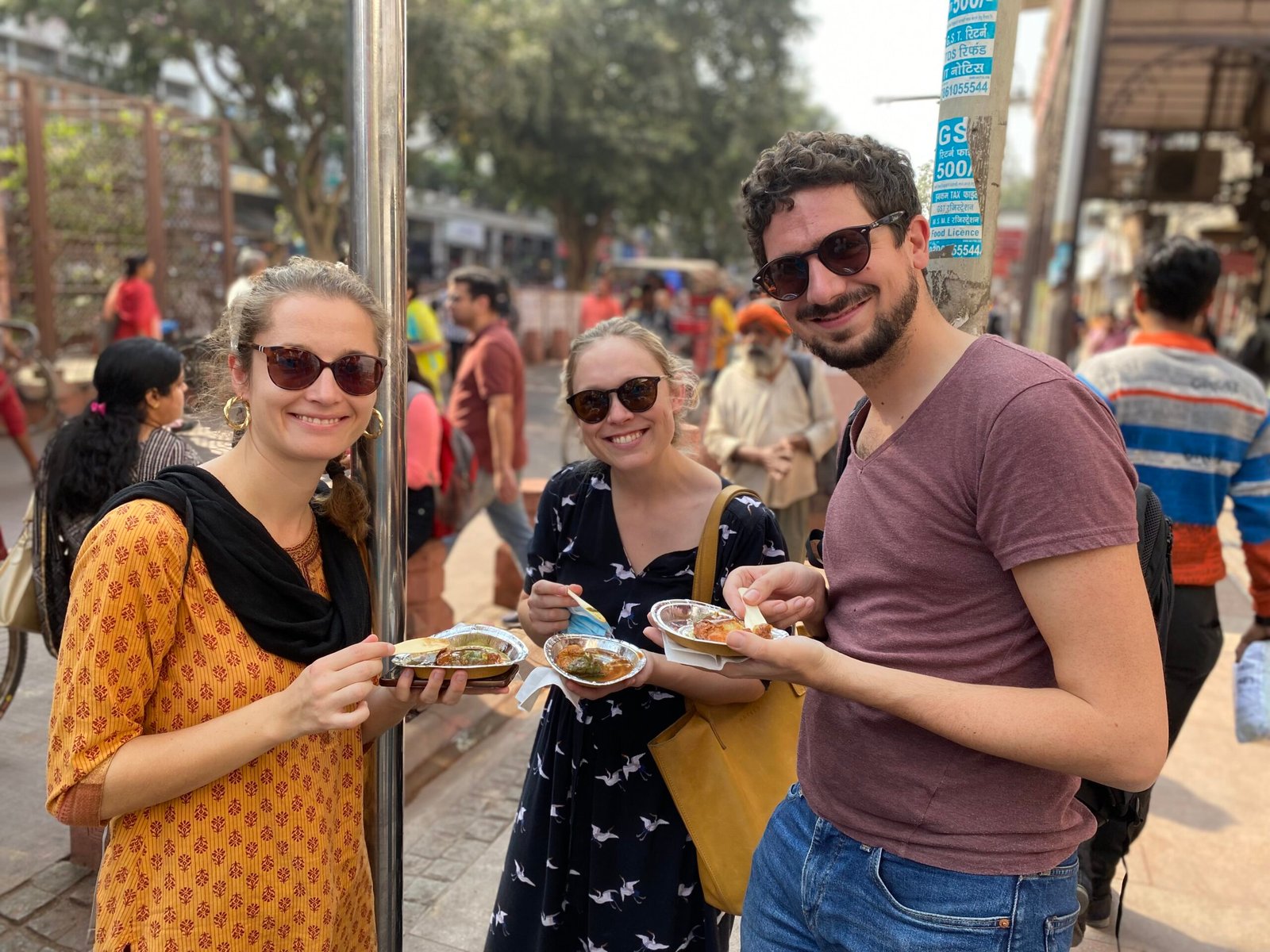
If you want to see the more artistic side of the neighborhood, there is a guided street art walk around Lodhi Gardens paired with chai that covers the murals in the nearby Lodhi Colony area. For those who want a broader taste of the city, options like a Delhi street food tour beyond Old Delhi or a chai masterclass in a local Indian home round out a day that starts quiet and ends flavorful.
Frequently Asked Questions
Is there an entry fee for Lodhi Gardens?
No, entry is completely free for both Indian and foreign visitors.
How much time should I set aside?
Most visitors spend around 2 to 3 hours here if they want to see the main monuments and take a slow walk through the grounds.
What are the main monuments inside Lodhi Gardens?
The four major structures are the tomb of Muhammad Shah, the tomb of Sikandar Lodi, Bara Gumbad, and Shisha Gumbad, alongside the Athpula bridge from Akbar’s era.
Is Lodhi Gardens safe for solo travelers?
Yes, it is one of the safer green spaces in Delhi, with steady foot traffic throughout the day from locals walking, jogging, or relaxing on the lawns.
Which metro station is closest?
Jor Bagh and JLN Stadium metro stations are both within walking distance of the park.