
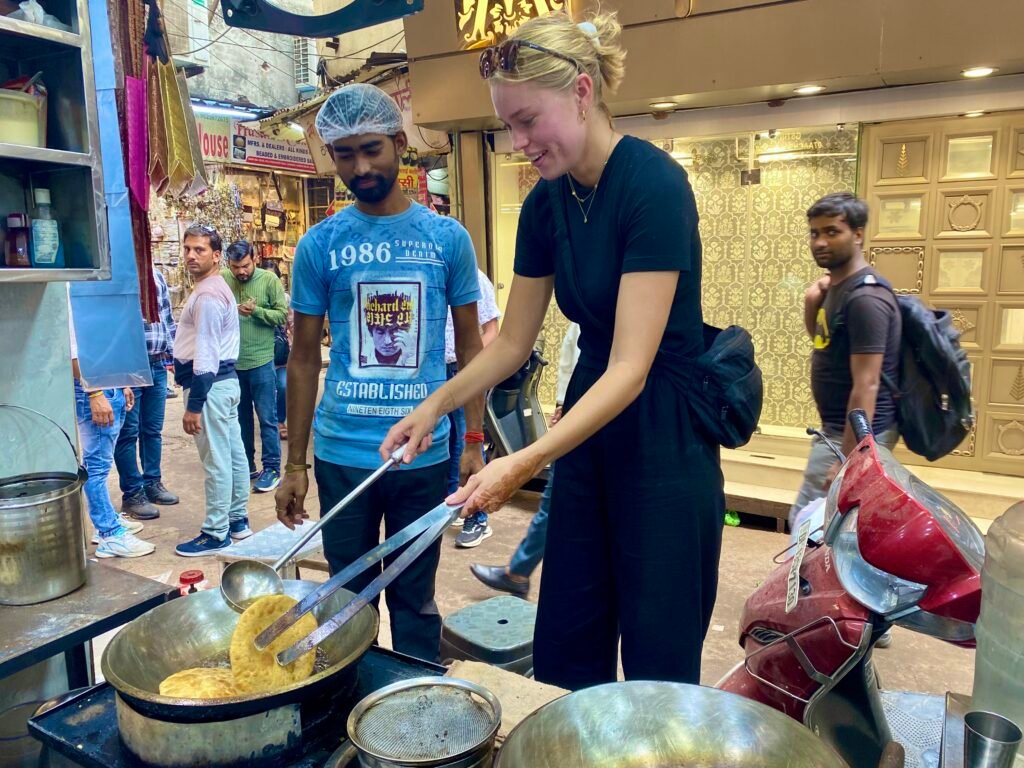
Every travel itinerary for Delhi has it. Every food blogger has photographed it. Paranthe Wali Gali in Chandni Chowk has been recommended so many times, by so many people, that questioning it almost feels like a provocation.
But here’s the thing. If you ask someone who actually lives in Delhi, who grew up eating parathas, and who has no reason to send you somewhere impressive looking rather than somewhere genuinely good, the answer is often very different from what you read online.
So let’s be honest about it.
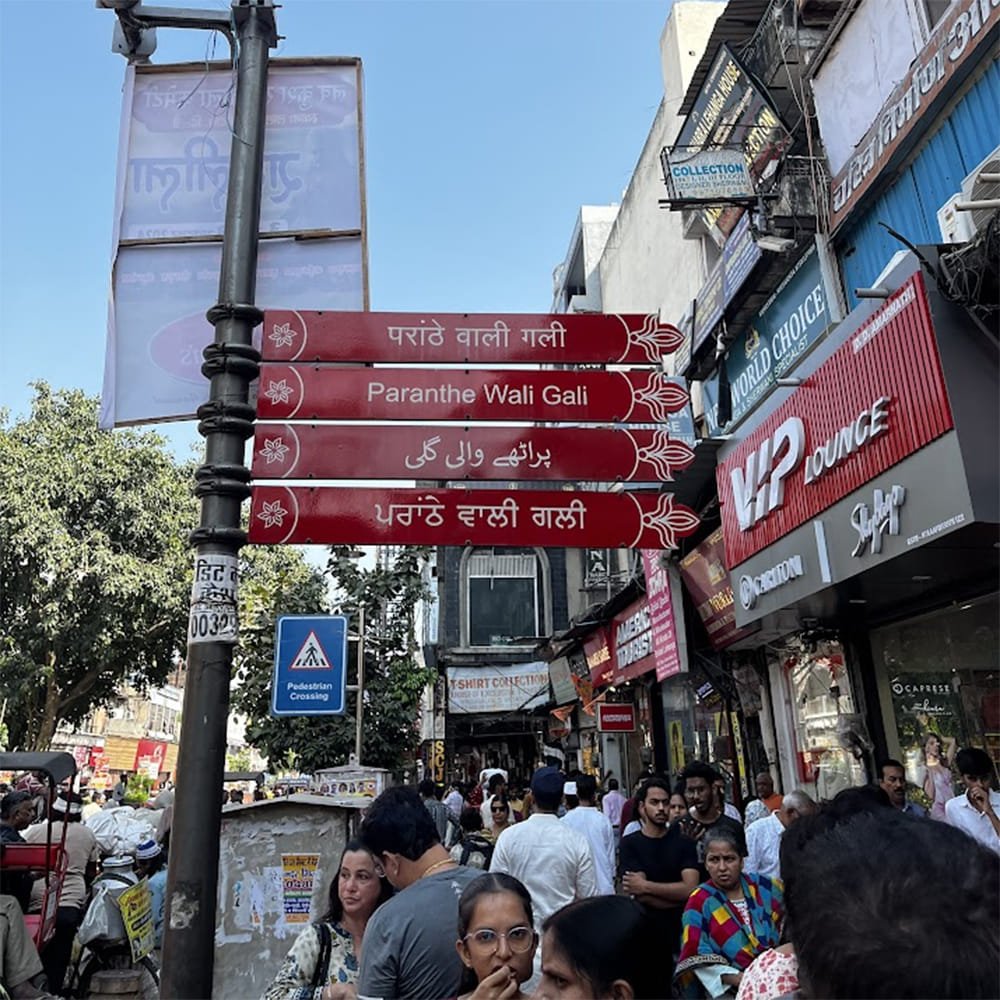
Yes, It’s Old. That Doesn’t Automatically Make It Good.
The shops in Paranthe Wali Gali have been here since the 1870s. That’s a real fact and it’s genuinely interesting from a historical standpoint. But age alone doesn’t determine whether something is worth eating, or worth the price being charged for it.
Delhi has had paratha makers for centuries. The ones in this particular lane became famous partly because of their location inside Chandni Chowk, one of the most visited areas of the city, and partly because food media started covering them heavily. Once something gets enough coverage, the coverage itself becomes the reason people go. The food stops being the point.
That’s essentially what’s happened here. The lane is famous because it’s famous. And the shops have learned to charge accordingly.
The Parathas Themselves: What You’re Actually Getting
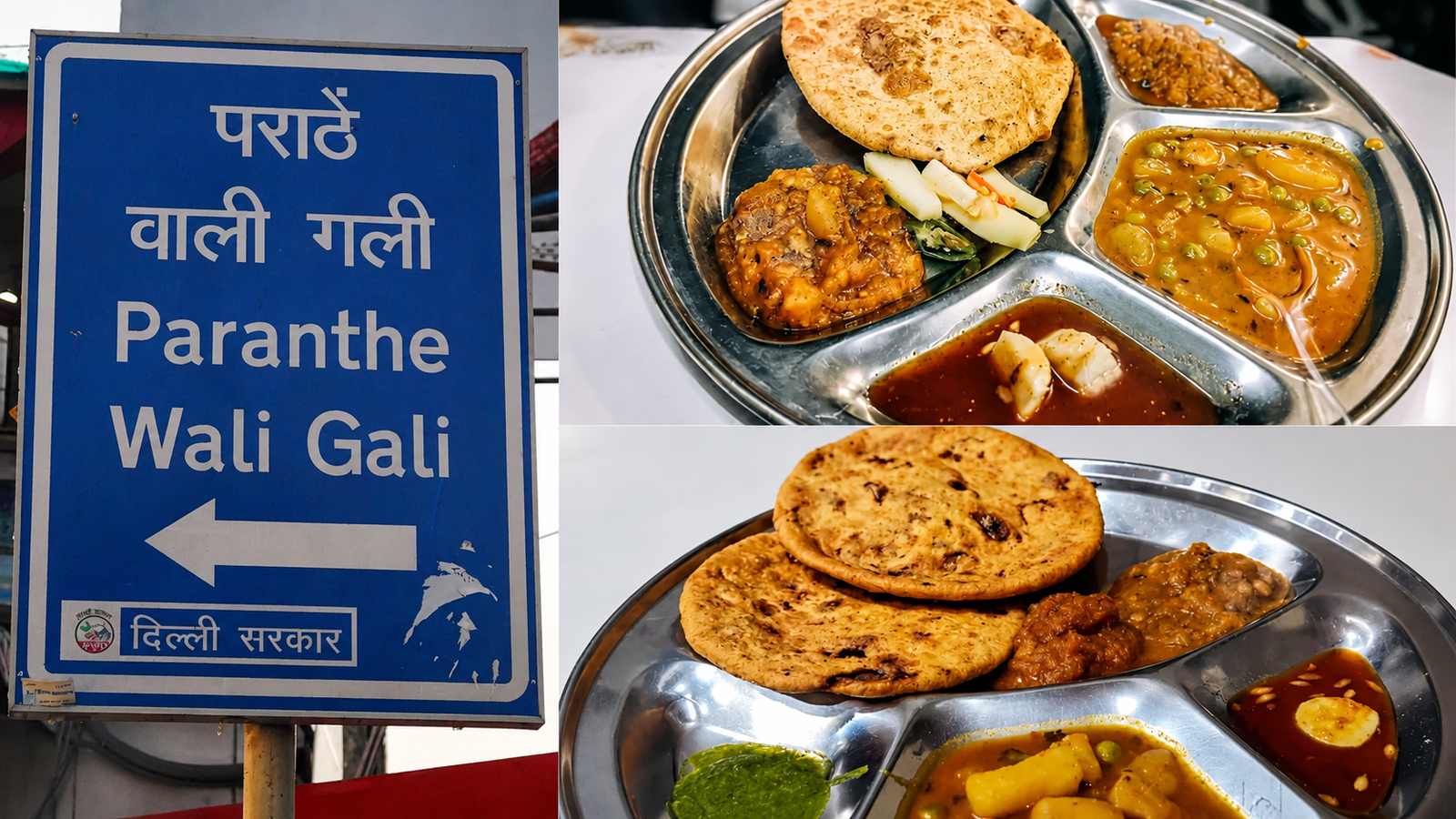
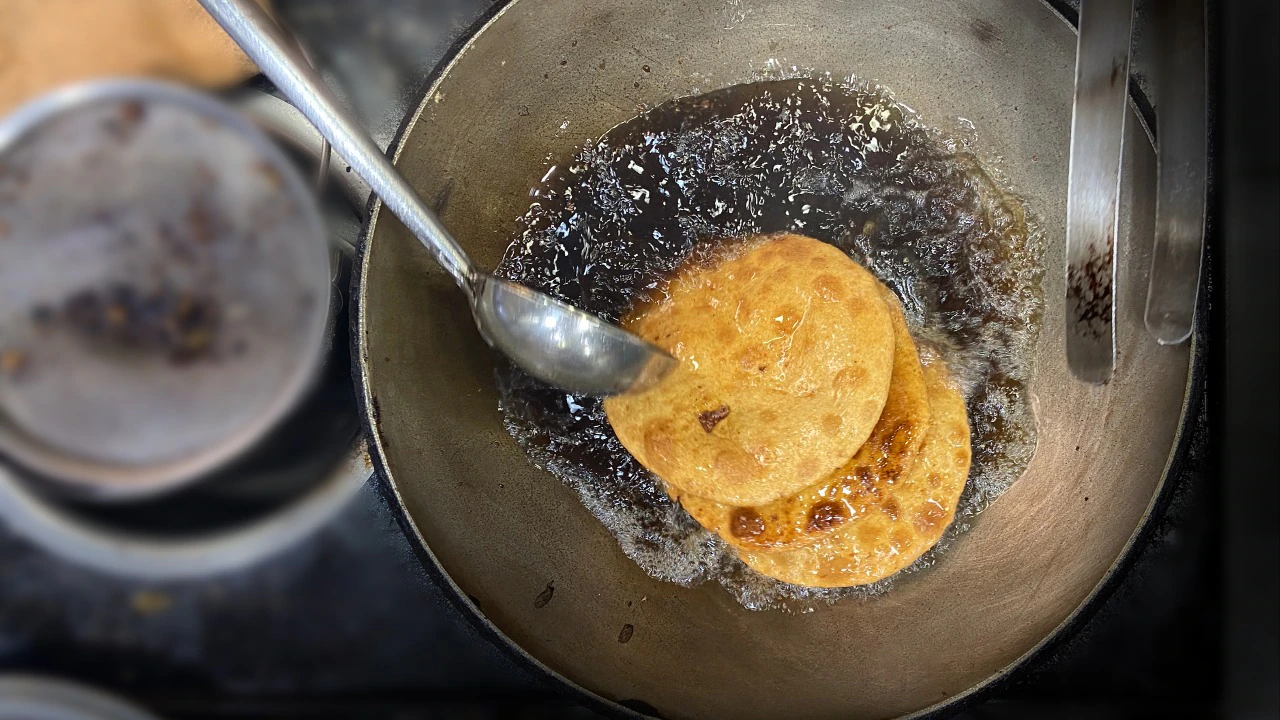
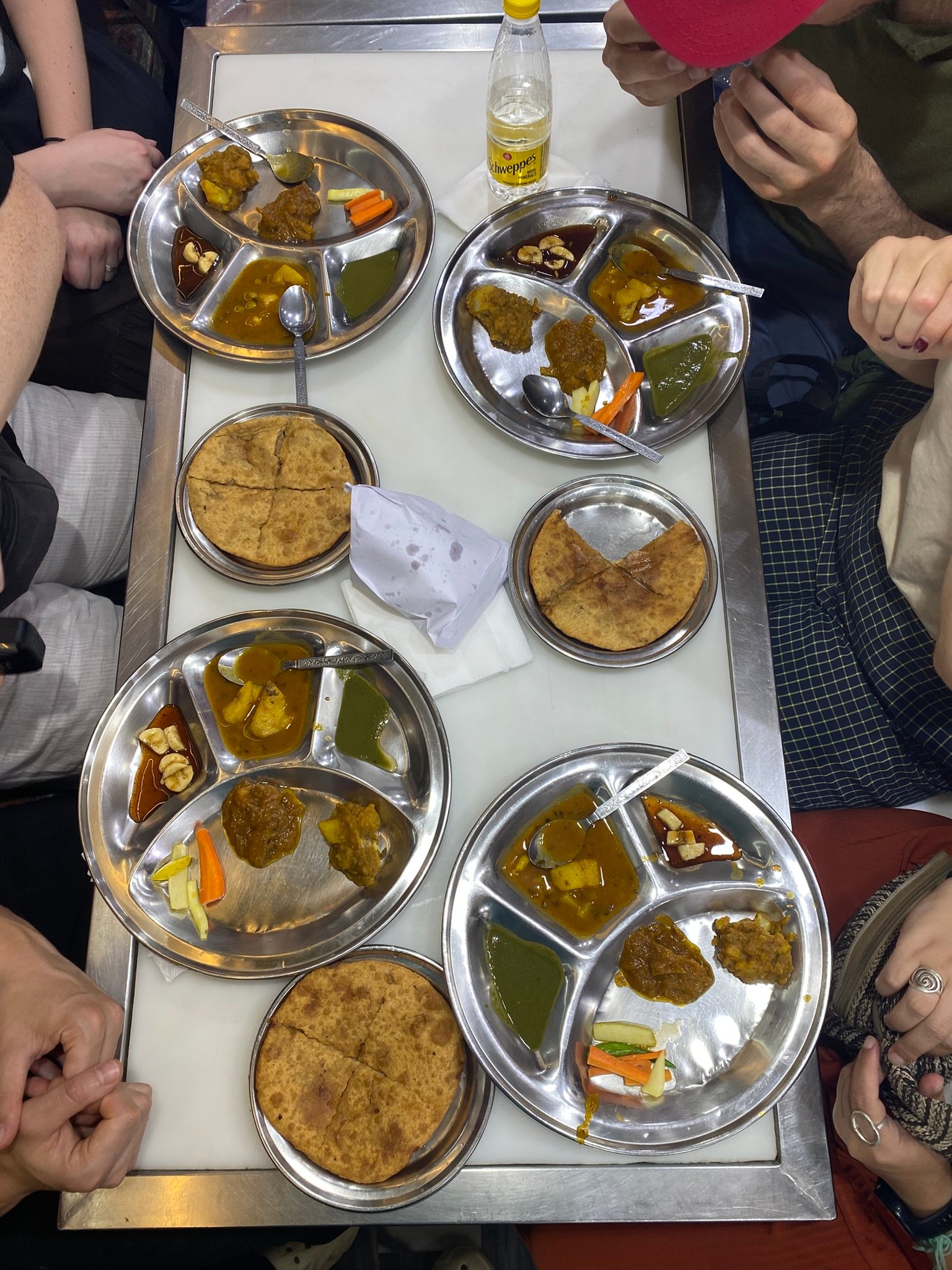
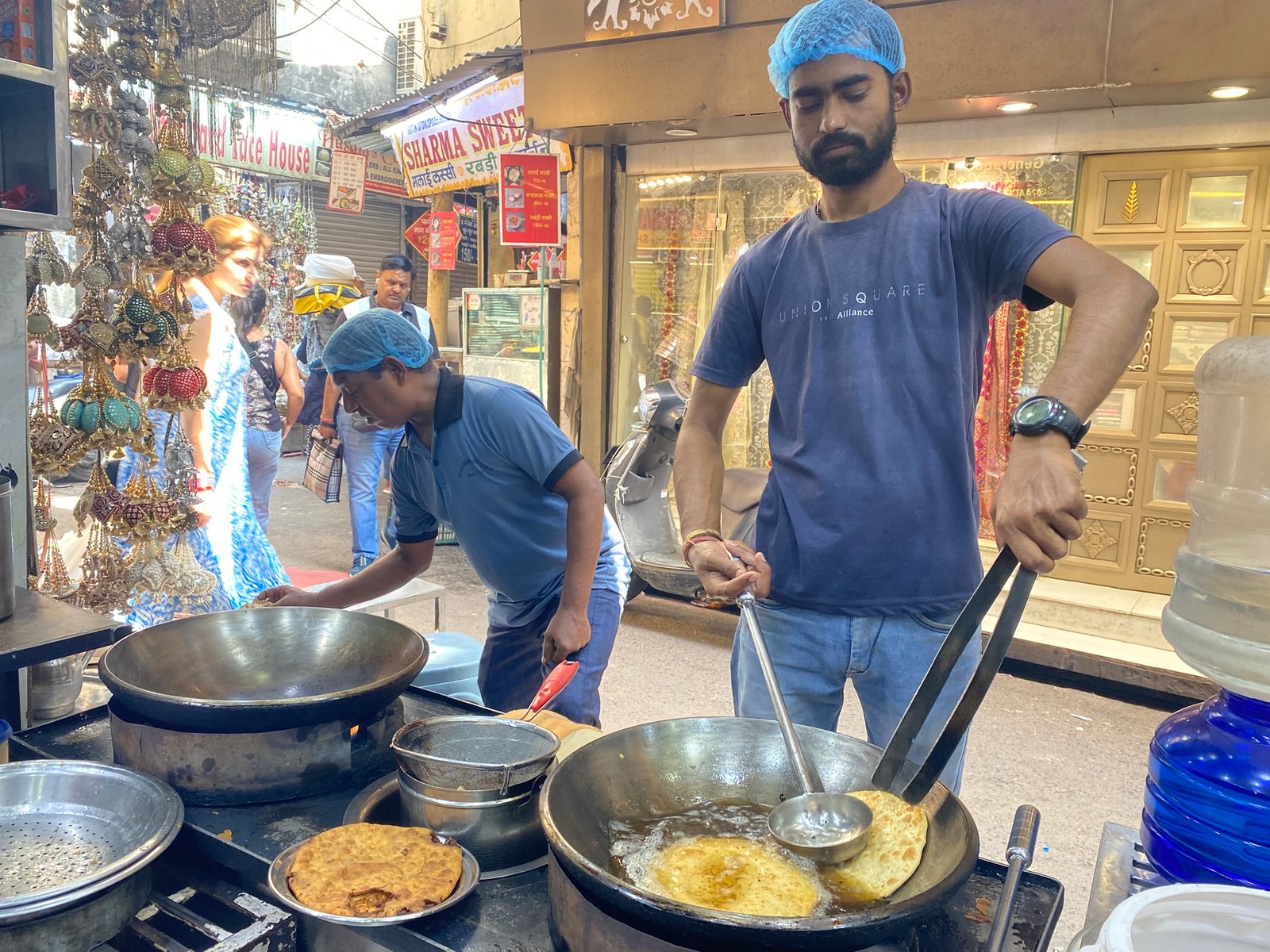
The parathas are stuffed, cooked on an iron tava in desi ghee, and served with chutneys and a small accompaniment. That’s the format. It’s a reasonable format and the cooking method is traditional.
But here’s what nobody tells you: a well made tandoori paratha from a good dhaba, or a homemade paratha from any halfway decent home kitchen in Delhi, will give you more flavor and significantly more satisfaction. The tandoor gives a paratha a char and texture that a tava simply can’t replicate. The smokiness, the slight chew, the way it holds a curry, none of that exists in a flat griddle paratha.
What Paranthe Wali Gali is selling is novelty fillings and a story. The execution of the paratha itself is not exceptional. Most people who eat there and call it incredible have likely not eaten enough parathas in Delhi to have a fair reference point.
If you want an actually good paratha in Delhi, find a dhaba that makes fresh tandoori parathas to order. The difference in flavor is not subtle. You’ll spend less money and eat better.
The Pricing Is Hard to Justify
A single paratha here costs anywhere from ₹80 to ₹180 depending on the filling. For context, you can get a fresh, well made aloo paratha with pickle and curd at a decent roadside dhaba for ₹40 to ₹60. At a sit down place, maybe ₹80 to ₹100 with better service, cleaner surroundings, and more food.
The markup at Paranthe Wali Gali exists for one reason: tourists expect to pay it. The shops know their customer base has shifted heavily toward visitors who are ticking off a list rather than eating because they’re hungry. Pricing reflects that reality.
A meal for two with a few parathas and drinks will set you back ₹500 to ₹800 easily. For Old Delhi street food, that’s expensive. For what you actually receive on the plate, it’s hard to argue the value is there.
Many first time visitors leave feeling slightly underwhelmed but don’t say so because they’ve been told it’s iconic. The experience of being in the lane has some charm. The food itself rarely lives up to the buildup.
Let’s Talk About Hygiene
The lane is narrow. Ventilation is limited. The cooking setup is open air and old. None of that is inherently a problem for street food, but the conditions here aren’t particularly clean even by Old Delhi standards, which already asks visitors to recalibrate their expectations somewhat.
The cooking itself involves high heat, which handles most concerns. But the accompaniments, the chutneys, the small bowls of sabzi, the shared serving surfaces, those areas are where it gets less comfortable. If you have any digestive sensitivity or are in the early days of your India trip, this is not a wise first stop.
Locals who live in Old Delhi and grew up eating this food have built up a tolerance over years. Most international visitors haven’t. That gap matters more than people acknowledge in travel content.
The Lane Itself Has Charm. The Food Is Separate From That.
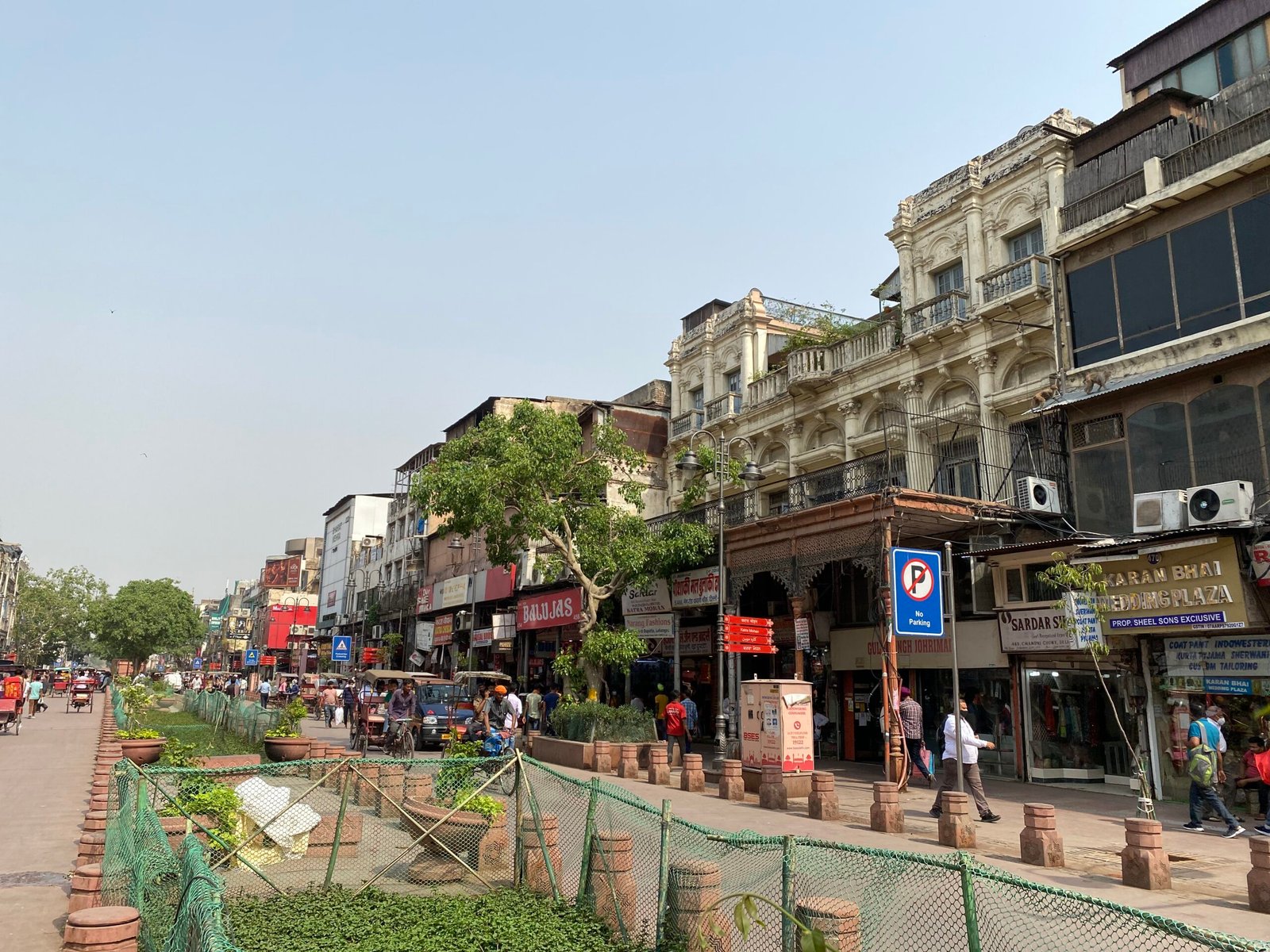
To be fair about it: Chandni Chowk and Old Delhi have a specific atmosphere that’s genuinely worth experiencing. The age of the buildings, the narrow lanes, the layered noise and activity, that part is real. Walking through this part of Delhi is interesting regardless of where you eat.
Paranthe Wali Gali benefits enormously from being located where it is. The setting adds perceived value to an ordinary paratha. If these same shops were operating in a regular South Delhi colony, they wouldn’t get a second look.
So if you’re going to Old Delhi anyway, which you probably should, walking through the lane takes ten minutes and costs nothing. You don’t have to eat there to experience it. That’s actually the most practical advice: go, see it, understand the history, and then go eat somewhere better.
What to Eat Instead
If you want parathas specifically, ask your hotel or guesthouse where locals go for breakfast. Almost every Delhi neighborhood has a small dhaba or paratha spot that makes a far better product for far less money. These places don’t have social media profiles. That’s often a good sign.
If you want an actually meaningful Old Delhi food experience, the street food in the broader Chandni Chowk area is considerably more interesting. Jalebi from the shops near the main road, nihari from the lanes near Jama Masjid, chaat from the vendors along the bazaar, these things are genuinely good and genuinely representative of what Delhi actually eats.
The food culture of Old Delhi is worth exploring seriously. Paranthe Wali Gali just isn’t the best entry point into it.
Want to Eat Where Delhi Actually Eats?
Skip the tourist trail and explore Delhi’s real food with someone who lives here. Our food experiences are designed around what’s genuinely good, not what’s been photographed the most.
Explore Real Delhi Food ExperiencesBetter Delhi Food Experiences Worth Your Time
The Bottom Line
Paranthe Wali Gali is not a bad place. It’s an overhyped one. There’s a difference. The lane has real history and the parathas are edible, sometimes enjoyable. But the gap between the reputation and the actual experience is significant enough that recommending it without caveats feels dishonest.
If you go, go with the right expectations. Walk through, understand what you’re seeing, appreciate the history. But don’t organize your Delhi day around eating there, and don’t judge Delhi’s food by what you find in that particular lane.
Delhi’s food is genuinely extraordinary. This particular corner of it has been coasting on its story for a while now. You deserve to eat the parts that are actually worth it.
Frequently Asked Questions
Is Paranthe Wali Gali worth visiting?
It depends on your expectations. Walking through the lane takes ten minutes and gives you a sense of Old Delhi’s history. Eating there is a different question. The parathas are decent but overpriced, and the hygiene conditions may not suit every traveler. If you’re looking for genuinely good parathas, a local dhaba serving fresh tandoori parathas will give you better flavor and more value.
Why is Paranthe Wali Gali so famous?
The lane became famous because of its location in Chandni Chowk and decades of media coverage. Once something gets enough attention it creates its own momentum. Travelers go because other travelers went, not always because the food is objectively the best version of what’s being served.
Is Paranthe Wali Gali hygienic for tourists?
The parathas are cooked on high heat, which is reasonably safe. However the lane is narrow, ventilation is poor, and the overall setup is not particularly clean by any careful standard. Travelers with sensitive stomachs or those in their first few days in India should be cautious, particularly with raw chutneys and accompaniments.
What’s a better alternative to Paranthe Wali Gali for parathas in Delhi?
For genuinely good parathas, look for a local dhaba making fresh tandoori parathas. The tandoor gives the paratha a smoky texture and char that a tava cannot match. Ask locals or your accommodation for a nearby breakfast spot rather than defaulting to a tourist listed address. You’ll eat better and spend less.
Is the food at Paranthe Wali Gali expensive?
By street food standards in Delhi, yes. Individual parathas cost ₹220 to ₹280, and a meal for two can reach ₹700 to ₹800. Comparable food at a non tourist dhaba would cost roughly half that. The price premium is driven by the location’s fame rather than the quality of the food.
What should I actually eat in Old Delhi if not at Paranthe Wali Gali?
Old Delhi has genuinely excellent food if you look in the right places. Jalebi near Fatehpuri Masjid, nihari from the lanes around Jama Masjid, chaat along the main Chandni Chowk bazaar, and fresh kulfi are all worth seeking out. These things are actually representative of what Delhi eats and are almost always better value than the tourist circuit stops.