
Delhi’s climate is not forgiving if you pack wrong. The city cycles through some genuinely extreme weather — 45°C summers that feel like standing next to an open oven, monsoon humidity that makes cotton stick to your skin, and January nights cold enough that you’ll regret leaving your fleece at home. Getting your clothing right before you arrive is one of those small decisions that quietly determines how comfortable your entire trip will be.
This guide covers what actually works on the ground, season by season, for both women and men. It also addresses the practical realities of navigating Old Delhi markets, temple visits, and day trips to places like Agra and Jaipur, where what you’re wearing matters beyond just comfort.
Understanding Delhi’s Climate Before You Pack
Delhi has four distinct seasons, and each one demands a different wardrobe. The broad breakdown:
- Summer (April to June): Intense dry heat, frequently above 40°C. May and June are the harshest months.
- Monsoon (July to September): Hot, humid, and wet. Temperatures ease slightly but the air becomes thick and heavy.
- Post-Monsoon / Autumn (October to November): Pleasant, dry, and the best window for sightseeing.
- Winter (December to February): Cool to genuinely cold, especially at night. Fog is common in January.
Most international travelers arrive between October and March, which covers both the cool autumn window and the full winter season. If you’re visiting in summer or monsoon, you need to plan specifically for those conditions — comfortable travel in Delhi’s peak heat requires genuine thought about fabric, coverage, and shade.
Quick orientation: Delhi is a conservative city in many of its older neighborhoods. This doesn’t mean you need to dress like a local, but it does mean that what you wear affects how comfortable you feel moving around — and how comfortable locals feel around you. Loose, modest clothing usually works best regardless of season.
Summer (April to June): Dressing for Extreme Heat
Delhi summer is no exaggeration. If you’re arriving in May or June, the heat will be the main thing you’re managing all day. The goal is to stay covered enough to be culturally appropriate while keeping your body as cool as possible.
For Women
- Loose cotton kurtas or linen shirts — long enough to cover the hips
- Lightweight salwar pants or wide-leg cotton trousers
- Breathable cotton scarves — useful for sun protection, temple visits, and dusty markets
- Flat sandals with good grip — comfortable for long walking days
- A wide-brimmed hat or cotton dupatta for direct sun
Avoid synthetic fabrics entirely in summer. They trap heat and become uncomfortable within an hour of walking. Light colors — whites, creams, pale blues — reflect heat better than darker shades.
For Men
- Lightweight linen or cotton shirts — long-sleeved actually works better than short-sleeved in direct sun
- Loose cotton trousers or lightweight chinos
- Comfortable walking sandals or breathable canvas shoes
- A cap or sun hat for outdoor sightseeing
Shorts are fine for men in tourist areas and modern parts of Delhi. In Old Delhi markets, Chandni Chowk, or around mosques and temples, longer trousers are more practical and appropriate.
Practical tip: Buy a couple of cheap cotton kurtas in Delhi itself. You’ll find them everywhere from Rs 200 upward, they’re perfectly suited to the climate, and most travelers find them genuinely comfortable by day two.
Monsoon (July to September): Heat, Humidity, and Sudden Rain
Monsoon in Delhi is a different challenge from summer. The heat doesn’t drop much, but the air becomes humid enough that even light fabrics feel heavy after a while. Rain arrives suddenly and hard — a 20-minute downpour can flood street level markets and leave roads waterlogged.
For Women
- Cotton or chambray fabrics that dry quickly
- Avoid white or very light colors — they become see-through when wet
- Waterproof sandals or flip-flops you don’t mind getting soaked
- A small packable rain poncho rather than a full umbrella, which is hard to manage on crowded streets
- Avoid long flowing skirts or trousers that drag on wet streets
For Men
- Quick-dry cotton or technical travel shirts
- Shorts or lightweight trousers that dry fast
- Waterproof sandals — leather and suede will be ruined quickly in monsoon conditions
- A compact rain jacket or poncho in your day bag
One thing most guides don’t mention: Delhi streets during monsoon carry significant surface water, and that water is not clean. Closed-toe waterproof shoes are genuinely worth it if you’re doing a lot of street-level exploring in Old Delhi or Chandni Chowk during this season.
October and November: The Most Comfortable Window
October and November are when Delhi is most pleasant. Temperatures sit between 20°C and 32°C, the air is relatively dry, and you can spend a full day outdoors without managing extreme heat or rain. This is the peak travel season for good reason.
For Women
- Light cotton or linen during the day — you may not need a layer until evening
- A light cardigan or shawl for evenings, which cool down noticeably by late October
- Comfortable walking shoes — this season invites longer walks through places like Lodhi Garden or Mehrauli
- A scarf is still useful for temple visits and as a light layer
For Men
- Light chinos and a cotton shirt will handle most days comfortably
- Carry a light jacket or sweater for evenings from November onward
- Comfortable walking shoes or clean sneakers work well
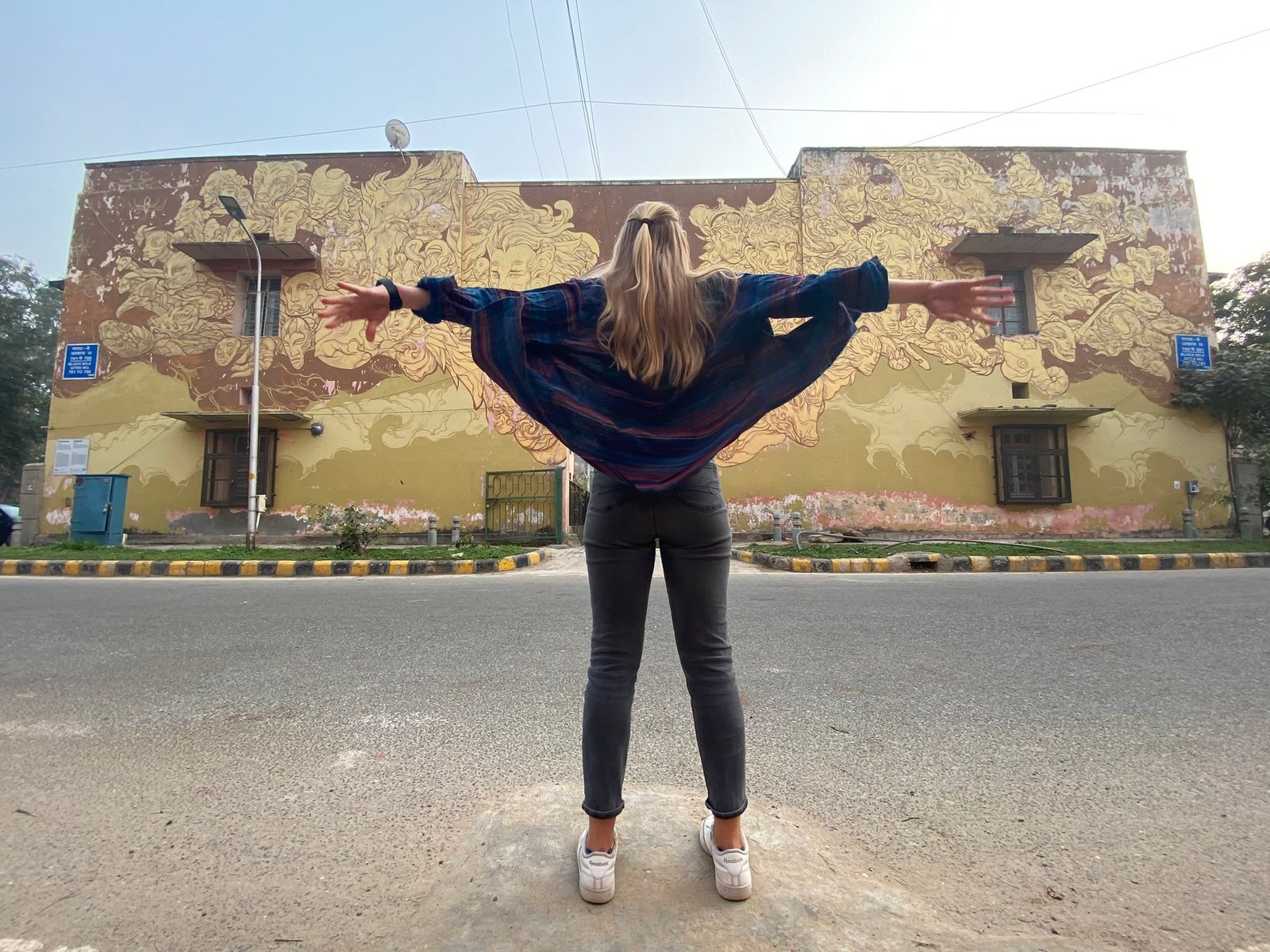
October and November are ideal months for joining experiences like a street art walk through Lodhi Garden or a full-day Old Delhi food and culture walk. The weather makes outdoor exploration genuinely enjoyable rather than something to survive.
Winter (December to February): Colder Than Most Visitors Expect
Most travelers arriving from Europe, North America, or Australia in December are surprised by how cold Delhi evenings get. Daytime temperatures in January can stay below 10°C, and the fog that settles over the city in early morning often doesn’t lift until mid-morning. If you’re taking a dawn train or doing an early morning tour, you’ll feel it.
For Women
- Layering is the most practical approach — a thermal base layer, a mid-layer sweater or fleece, and a warm outer jacket
- Warm leggings or thermal-lined trousers for mornings and evenings
- A decent wool or pashmina shawl — both practical and easy to find at reasonable prices in Delhi’s markets
- Closed-toe shoes or ankle boots, especially in January
- Gloves and a warm beanie for early mornings, which feel unnecessary until you’re standing outside at 7am in fog
For Men
- Thermal base layers under regular shirts make a significant difference in January
- A warm fleece or mid-weight down jacket for evenings and early mornings
- Jeans or heavier cotton trousers rather than the lightweight options you’d pack for other seasons
- Warm socks — often forgotten but genuinely needed
Worth knowing: Delhi has good options for buying warm shawls and light jackets locally. Sarojini Nagar market, in particular, sells budget surplus jackets and knitwear. If you’ve underpacked for winter, it’s worth an hour there rather than freezing through your trip.
Winter is peak season for day trips to Agra and Jaipur as well. Keep in mind that Agra, slightly south of Delhi, is marginally warmer — but Jaipur can be just as cold in January. If you’re doing the Golden Triangle route, pack for Delhi-level cold throughout.
Dress Code for Specific Locations in Delhi
Seasonal weather aside, certain places in Delhi have specific expectations about clothing — and getting this wrong can mean being turned away or feeling genuinely out of place.
Mosques (including Jama Masjid)
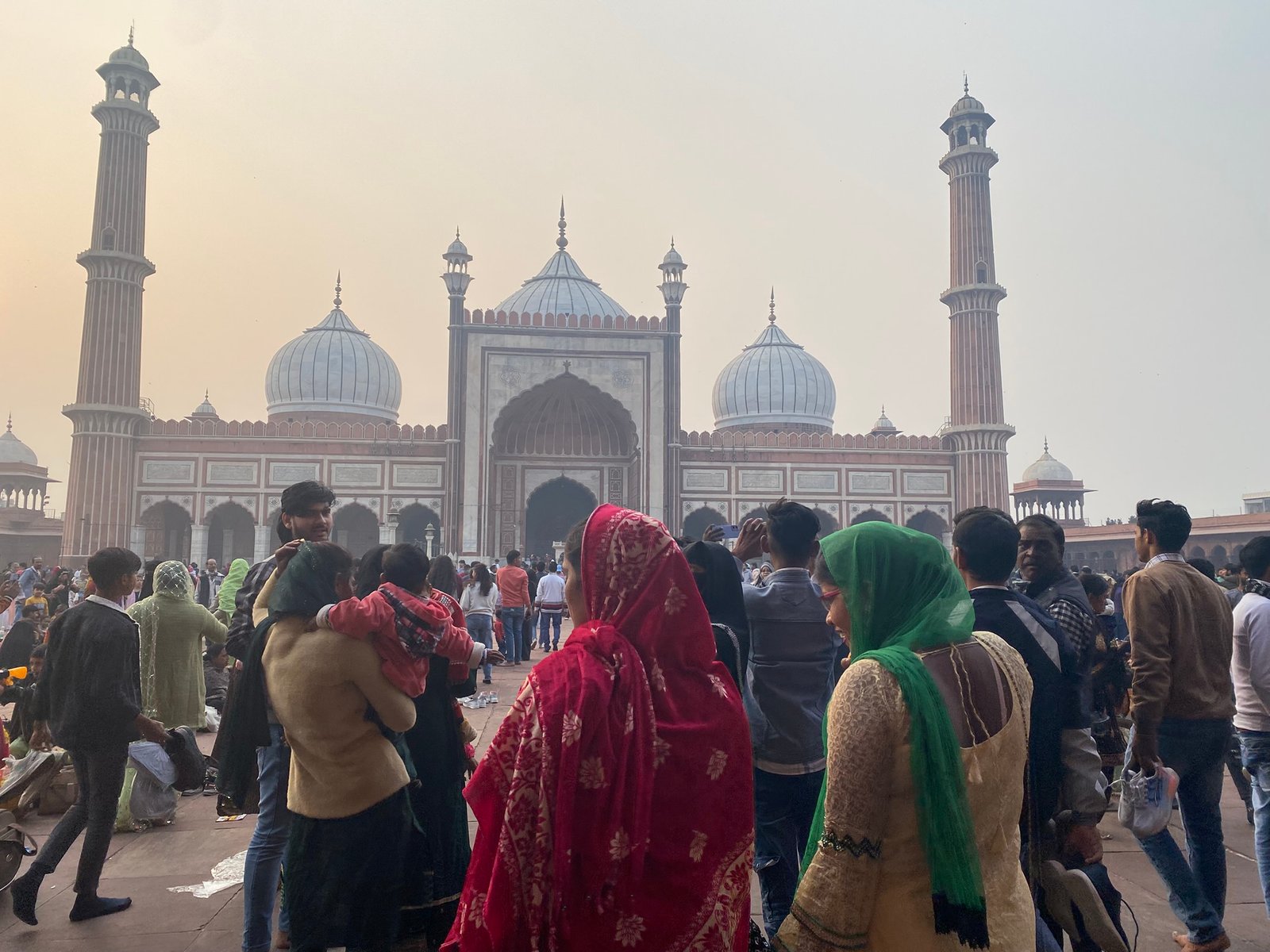
Full coverage is required — legs, arms, and head. Women need to cover their hair. If you arrive without appropriate clothing, robes are available to rent at the entrance, but bringing a scarf and wearing long trousers makes the whole process smoother. Shoes come off before entering.
Sikh Gurdwaras (including Bangla Sahib)
Head must be covered — a scarf, bandana, or the cloth squares provided at the entrance all work. Legs should be covered. Shoulders are generally fine to leave uncovered, but a light layer is worth having. Shoes are removed and left at the shoe counter.
Hindu Temples
Requirements vary by temple, but modest coverage is generally expected — shoulders and legs covered. Some temples are relaxed about tourists; others will ask you to cover up. Carrying a scarf is the easiest solution for women. Shoes off at the entrance, as always.
Old Delhi Markets (Chandni Chowk, Spice Market)
No strict dress code, but loose modest clothing is practical for multiple reasons — it’s more comfortable in the heat and humidity, it draws less attention, and it makes navigating crowded lanes easier. Very tight or revealing clothing tends to invite more staring in these older neighborhoods.
Restaurants, Cafes, and Modern Delhi
South Delhi, Connaught Place, and Hauz Khas have a mixed crowd and relaxed standards — smart casual is fine for most places, and some upmarket restaurants have their own expectations. None of this is Delhi-specific; use the same judgment you would in any major city.
One practical rule that covers most situations: If your knees and shoulders are covered, you’ll be appropriate almost everywhere in Delhi. A loose cotton scarf or dupatta resolves the remaining edge cases.
For Women Specifically: What Actually Helps on the Ground
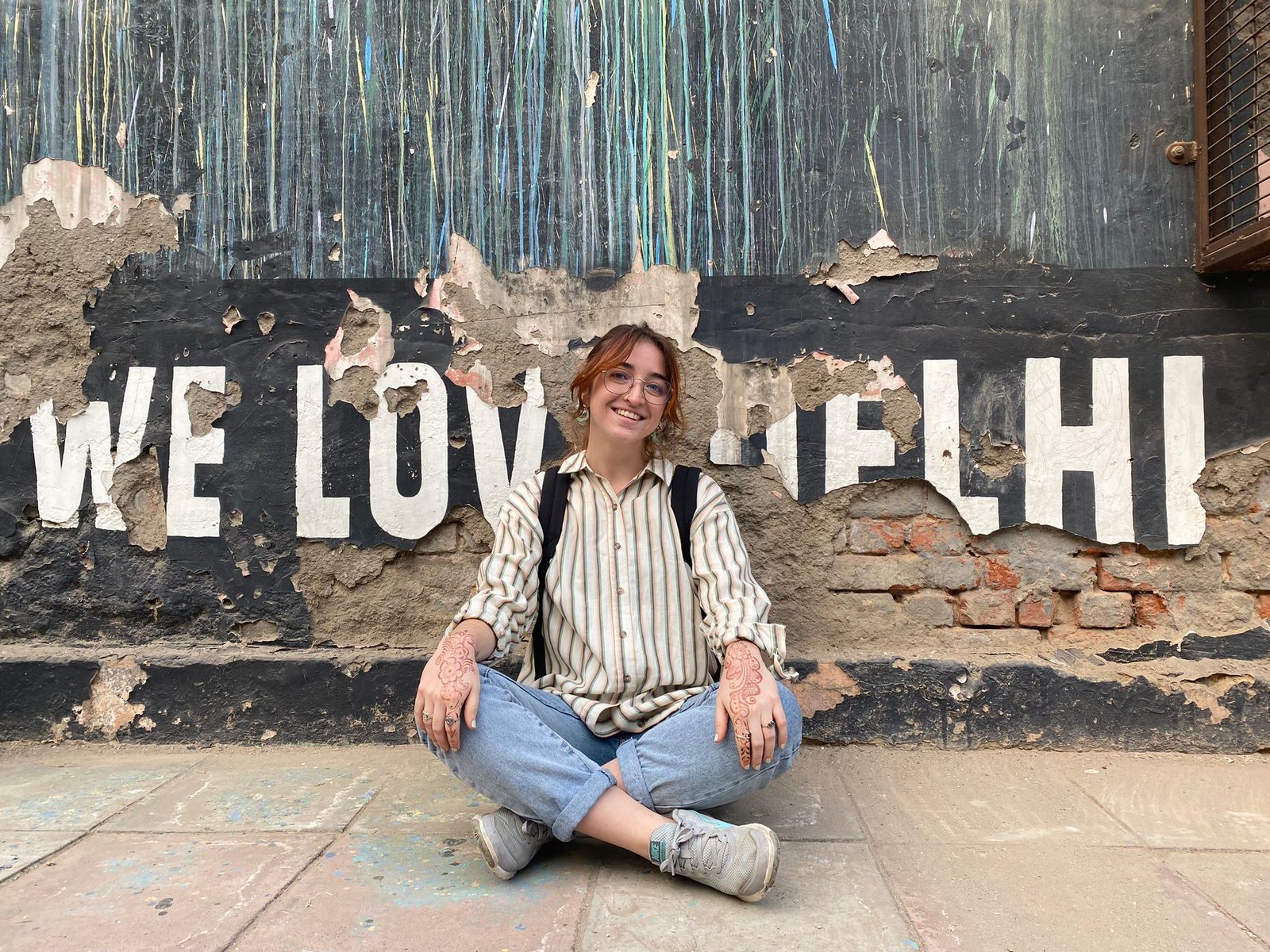
The question of what women should wear in Delhi is sometimes treated as more fraught than it needs to be. The honest answer is that modest, loose clothing makes everyday life in Delhi noticeably smoother — not because you’re required to conform, but because it reduces the kind of low-level friction that accumulates over a long day of navigating a busy city.
This doesn’t mean dressing in a way that feels uncomfortable or inauthentic. It means making practical choices that let you focus on the experience rather than managing attention.
- Loose cotton kurtas and salwar trousers work extremely well across all neighborhoods and seasons
- Wide-leg linen trousers paired with a modest top are comfortable and appropriate everywhere
- Leggings worn as trousers draw more attention in older neighborhoods — wear them under a tunic or long kurta
- A cotton scarf worn loosely around the shoulders can be pulled up quickly for temple visits
- Avoid very tight clothing in Chandni Chowk and Old Delhi — not because of any rule, but because loose fabric simply breathes better and navigates crowds more easily
Traveling with a reputable guide through areas like Old Delhi makes these decisions more relaxed. You’re focused on the food, the stories, and the details — not on managing the environment around you. Our Old Delhi Food and Cultural Experience is specifically designed to make that kind of immersive exploration feel comfortable and accessible.
Quick Packing Reference by Season
Summer (April to June)
- 2–3 loose cotton or linen shirts / kurtas
- 2 pairs of lightweight cotton trousers
- Breathable flat sandals
- 2 cotton scarves
- Wide-brimmed hat or cap
- Sunscreen (high SPF — Delhi summer sun is serious)
Monsoon (July to September)
- Quick-dry cotton tops and trousers
- Waterproof sandals
- Compact packable rain poncho
- Avoid light colors that go translucent when wet
- Consider closed-toe waterproof shoes for Old Delhi days
October and November
- Light day layers — cotton or linen
- A light cardigan or shawl for evenings
- Comfortable walking shoes
- Scarf for temple visits
Winter (December to February)
- Thermal base layers
- Warm mid-layer fleece or sweater
- Jacket or down coat for evenings and early mornings
- Warm shawl or pashmina
- Closed-toe shoes and warm socks
- Gloves and beanie for January
Ready to Explore Delhi With Someone Who Knows It Well?
From Old Delhi food walks to cooking classes and day trips to the Taj Mahal — our experiences are designed to show you the parts of India that most travelers miss.
Old Delhi Food Walk Indian Cooking Class Taj Mahal Day TripFrequently Asked Questions
Can women wear shorts in Delhi?
In modern areas like Connaught Place, Hauz Khas, and South Delhi’s cafes and restaurants, shorts are generally fine. In Old Delhi, Chandni Chowk, or around mosques and temples, longer clothing is more appropriate and practically more comfortable. It’s less about restriction and more about where you are in the city.
Do I need to cover my head in Delhi’s temples and mosques?
Yes — at mosques and Sikh gurdwaras, head covering is required for everyone. At Hindu temples it varies, but carrying a scarf covers all cases. Most religious sites provide cloth coverings if you don’t have your own.
What fabric works best for Delhi’s summer heat?
Loose cotton and linen are the most practical choices. They breathe, dry quickly when you sweat, and are widely available in Delhi itself at very reasonable prices. Avoid synthetic fabrics — they trap heat and become genuinely uncomfortable in temperatures above 35°C.
How cold does Delhi get in winter and what should I pack?
January is the coldest month, with daytime temperatures sometimes staying below 10°C and nights dipping to 5°C or lower. Thermal base layers, a warm mid-layer, and a proper jacket are all necessary. Most travelers significantly underestimate Delhi winter — don’t skip the thermals.
Is it okay to wear Indian-style clothing as a foreign traveler?
Completely fine and often a practical choice. Kurtas and salwar sets are comfortable, culturally appropriate everywhere in the city, and cheap to buy in Delhi. Most travelers find them more comfortable than Western clothing in the heat. Nobody will find it strange or disrespectful — if anything, locals tend to appreciate the gesture.
What shoes work best for exploring Delhi?
Comfortable walking sandals or lightweight shoes with good grip. Delhi’s pavements are uneven, markets have mixed surfaces, and you’ll be removing shoes at religious sites multiple times a day — so shoes that slip on and off easily are genuinely useful. Avoid new shoes that haven’t been broken in.
What should I wear for a day trip to Agra or Jaipur from Delhi?
The same seasonal clothing applies for both. The Taj Mahal involves long walks on open marble in the sun — sun protection and comfortable walking shoes matter more than anything else. For the Jaipur day trip, temples and palaces require modest coverage, and Jaipur’s old city markets have similar dynamics to Old Delhi.