
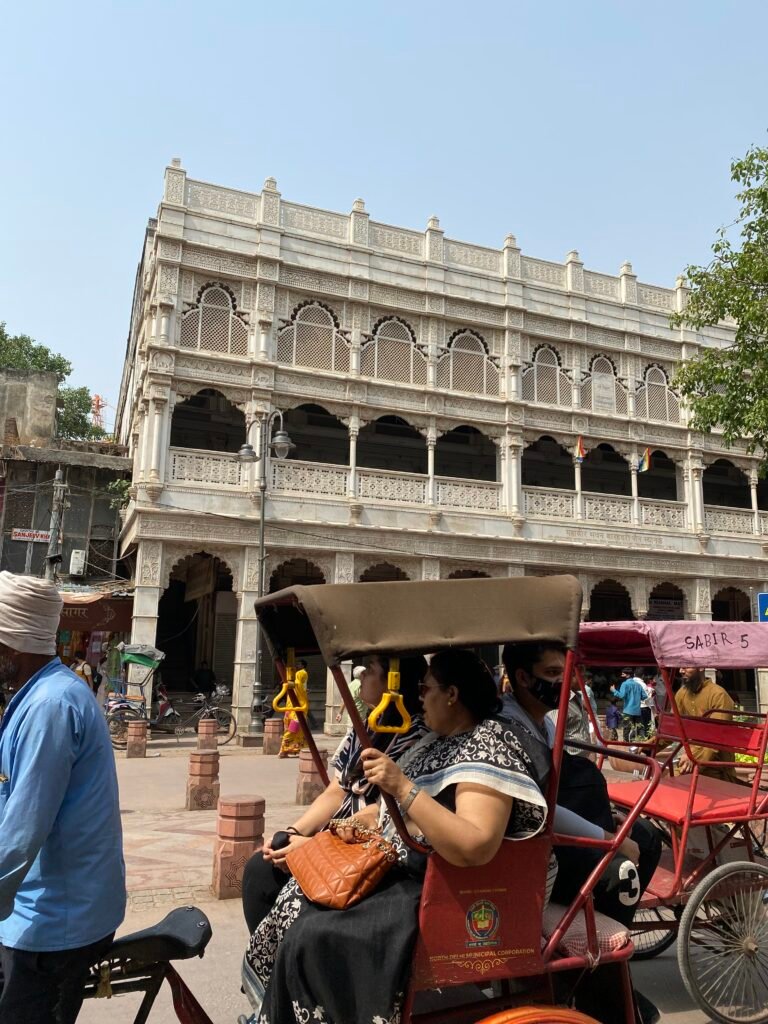
The short answer is yes. Chandni Chowk is one of the most consistently crowded places in Delhi, and arguably in all of Asia. But the crowd is also part of what makes it so compelling. The real question is not whether it is crowded but whether you are prepared for what that actually means on the ground.
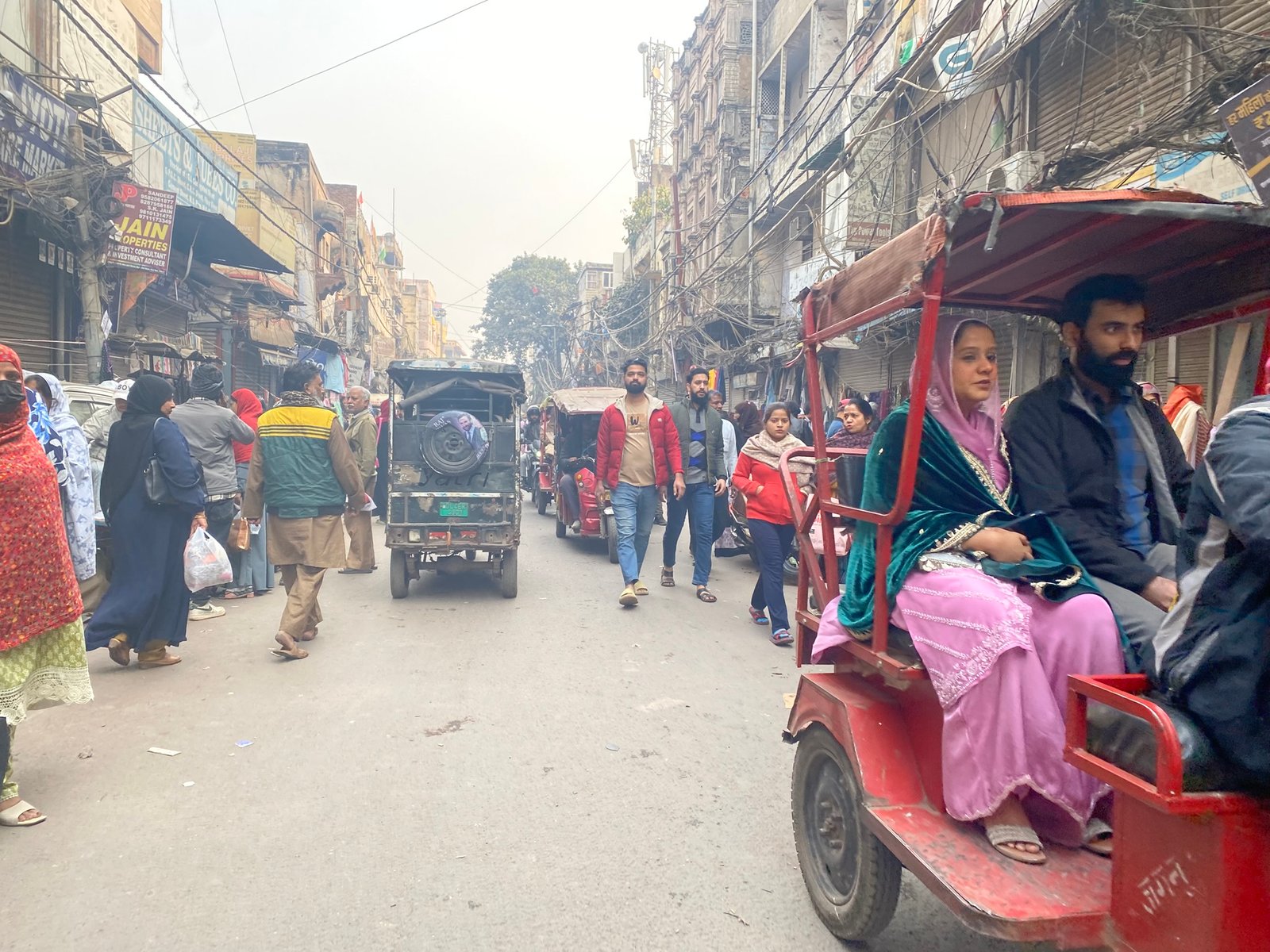
What the Crowd Actually Looks Like
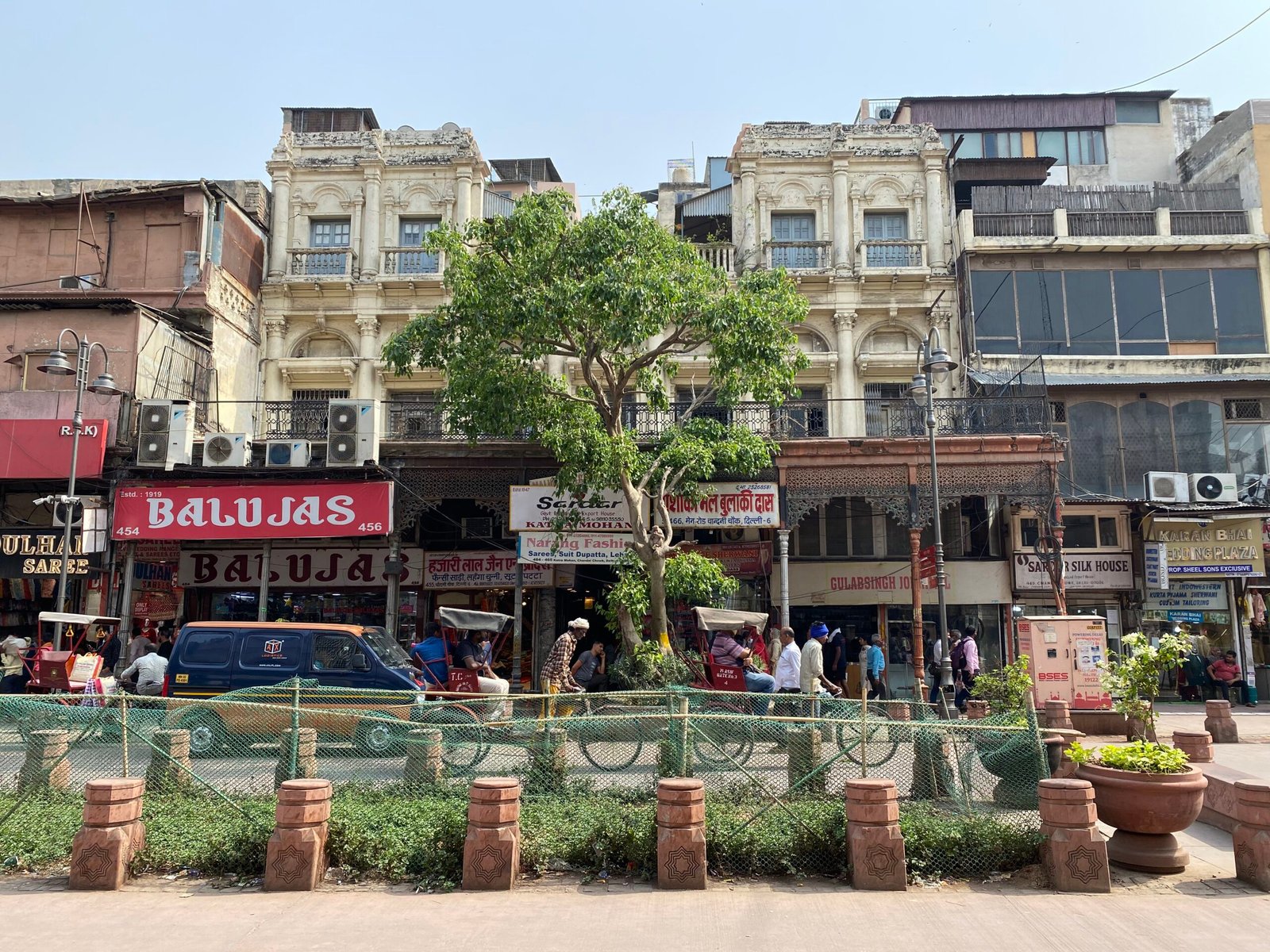
Chandni Chowk was built in the 17th century by Shah Jahan, laid out as a wide central avenue flanked by smaller lanes. Over the centuries those lanes absorbed more shops, more residents, more vendors. Today the area sees traders, shoppers, pilgrims, tourists, delivery workers, and schoolchildren all moving through the same narrow corridors at the same time.
On a typical afternoon, the main road is manageable. It was pedestrianised a few years ago, which removed vehicular traffic from the central stretch and made walking considerably less dangerous. But step into the inner lanes, Kinari Bazaar, Dariba Kalan, Paranthe Wali Gali, and the density rises sharply. These are narrow by design, and the foot traffic in them does not ease up much even mid-week.
Rickshaws move through parts of the area and represent both a practical way to cover ground and an added layer of movement to navigate around.
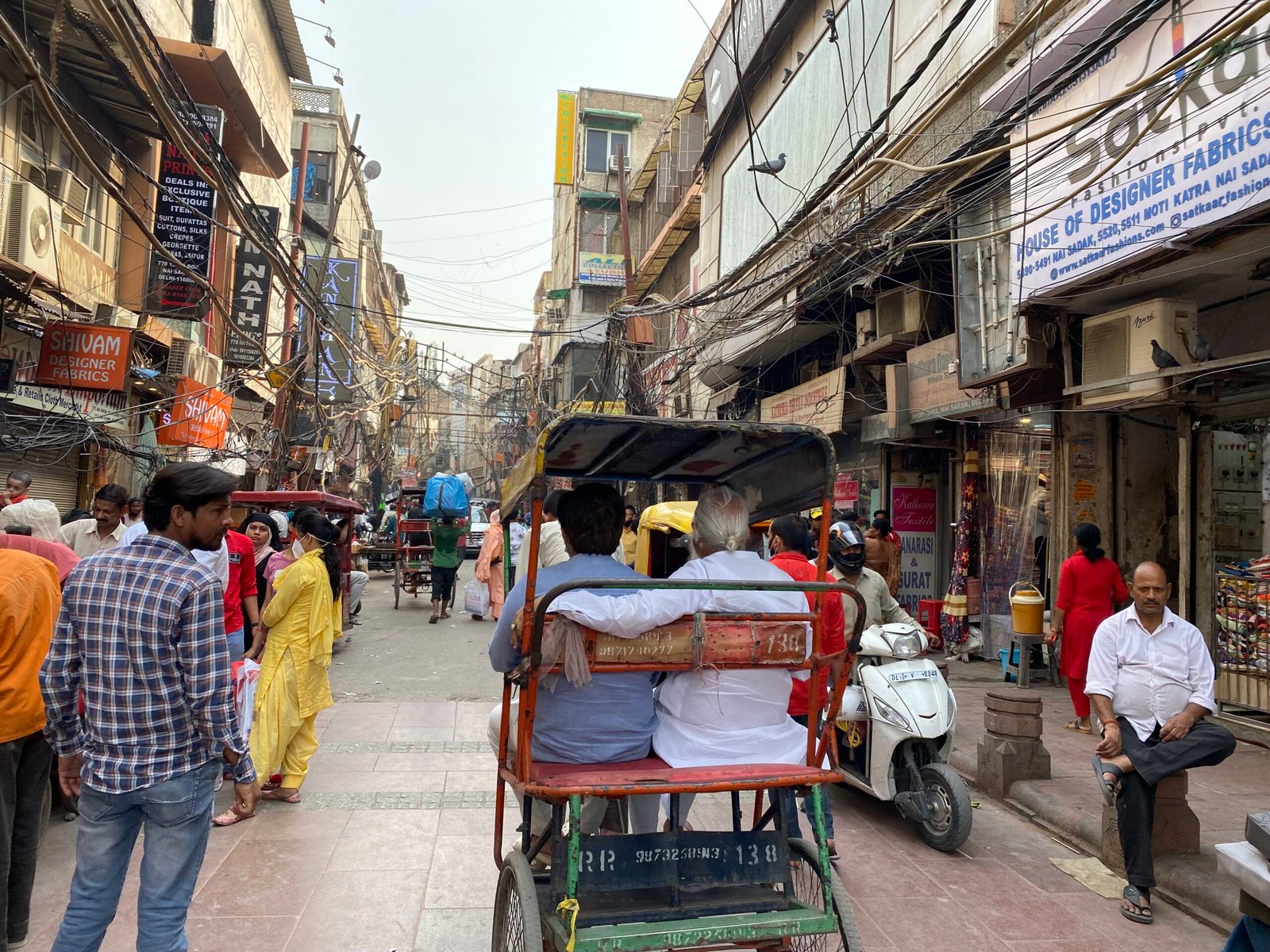
When Is Chandni Chowk Most Crowded?
Weekends are significantly busier than weekdays, with Saturday being the peak day. Most local shops observe Sunday closures, so footfall on Sundays is noticeably lower, though it is still far from quiet, especially near temples, food stalls, and tourist landmarks.
Within the week, afternoons between 12pm and 6pm are the most congested. Evening hours bring a second wave as locals finish work and the food stalls heat up. If you are visiting in summer (April through June), heat layered on top of crowd density makes mid-day visits genuinely uncomfortable.
Practical tip: Weekday mornings between 9am and 11am are consistently the least crowded window. Shops are just opening, the food lanes are quieter, and the light is better for photography. If your schedule allows any flexibility, this is when to go.
Which Parts Get the Most Crowded?
- Paranthe Wali Gali — narrow, food-focused, almost always packed. Worth it, but go early.
- Kinari Bazaar — dense with wedding shoppers, especially in the months leading up to wedding season (October to February).
- Dariba Kalan — known for silver jewellery, slightly calmer but still busy during peak hours.
- Khari Baoli — Asia’s largest spice market, located nearby. Extremely narrow and hectic, especially on weekday mornings when wholesale buyers are active.
- The main Chandni Chowk road — the most open section, easier to walk, especially post-pedestrianisation.
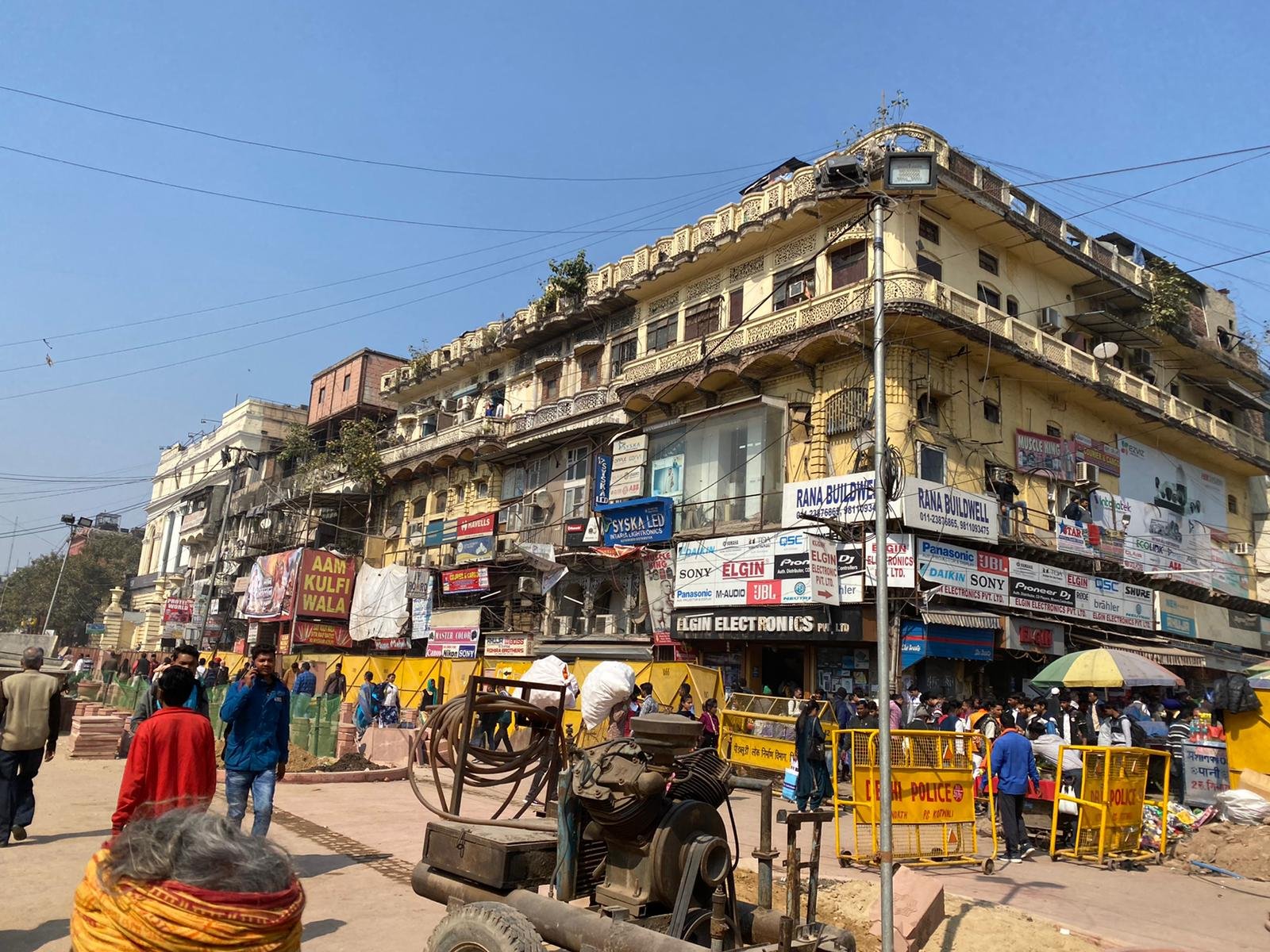
Does the Crowd Make It Unsafe?
Chandni Chowk is not unsafe. Delhi’s Old Quarter has been a functioning commercial and residential neighbourhood for centuries, and the crowd, though overwhelming at first glance, is mostly people going about ordinary life. That said, the density does create the usual conditions for pickpocketing, so keep bags in front of you and avoid using loose or easily accessible pockets.
For women traveling alone or in small groups, the area is navigable. It is busy enough that no single person stands out, and most vendors and shopkeepers are used to dealing with international visitors. Staying aware, dressing modestly, and moving with purpose rather than looking visibly lost all make a difference. A guided visit removes most of the uncertainty entirely.
Safety note: Keep your phone in an inside pocket when not actively using it. Do not leave bags unzipped at your back in crowded lanes. A small cross-body bag works better than a backpack here.
Navigating Old Delhi by Rickshaw
One of the best ways to get through the area without exhausting yourself is a cycle rickshaw ride. Rickshaw pullers know these lanes in ways that no map can capture. They move through gaps that look impossible, take shortcuts through covered markets, and get you between landmarks faster than walking in a crowd. It is also a genuinely immersive way to experience the place.
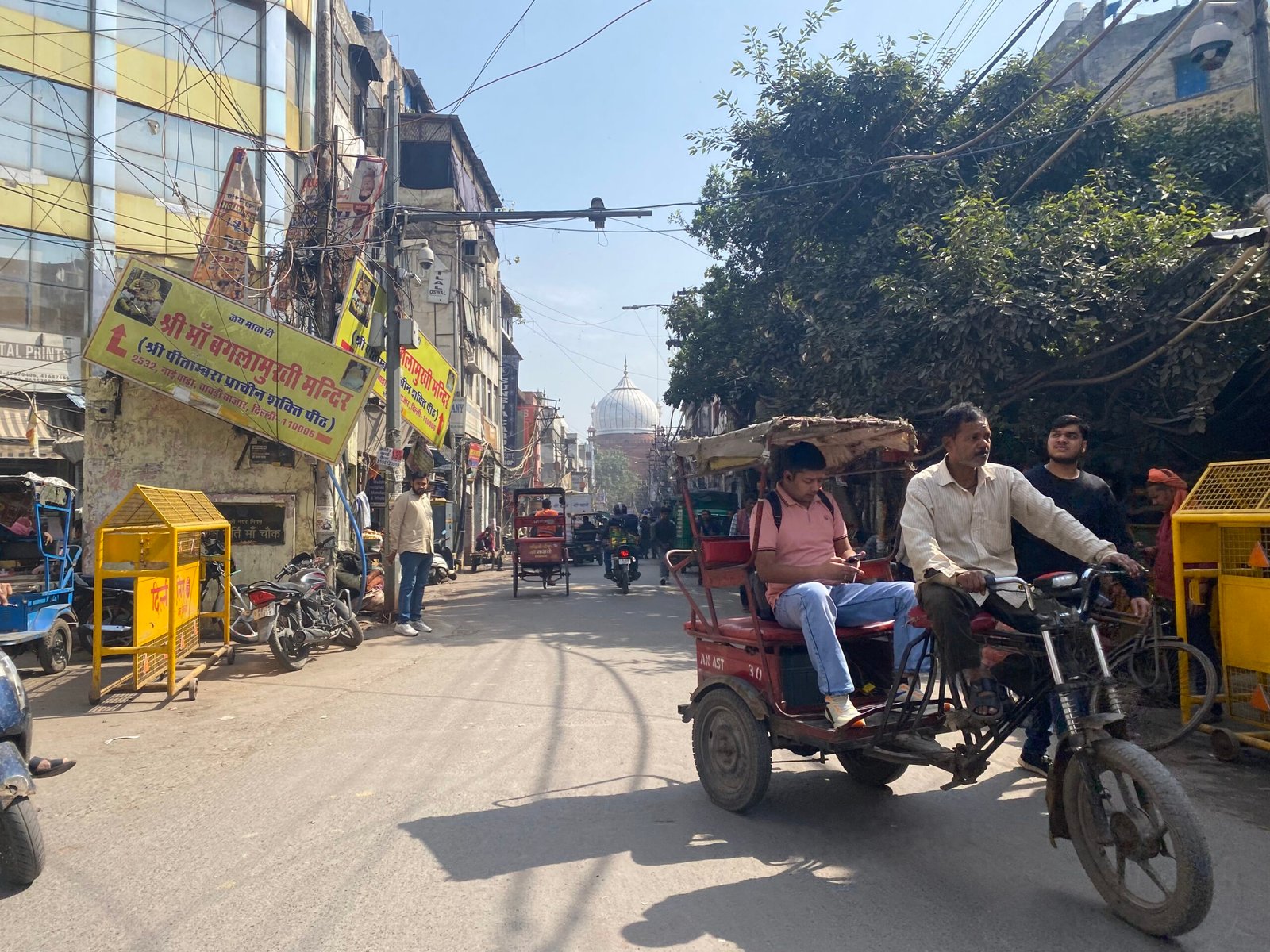
Agree on the fare before you get on. Prices are negotiable. Most short rides within the Chandni Chowk area should cost between ₹50 and ₹150 depending on distance and time of day. A guide can handle all of this for you if you prefer not to negotiate at every turn.
Is a Guided Visit Worth It Here?
For first-time visitors, especially international travelers, a guided tour makes the experience genuinely better. Not because Chandni Chowk is difficult to find or technically hard to navigate, but because so much of what makes it interesting is invisible without context. The history layered into specific buildings, which food stalls have been operating for over a century, which lane leads where, what is actually worth eating versus what is just tourist bait. A guide removes the guesswork.
It also takes the logistical friction off your hands. Rickshaw coordination, crowd navigation, knowing when to push forward and when to pause, this is exactly where local knowledge pays off.
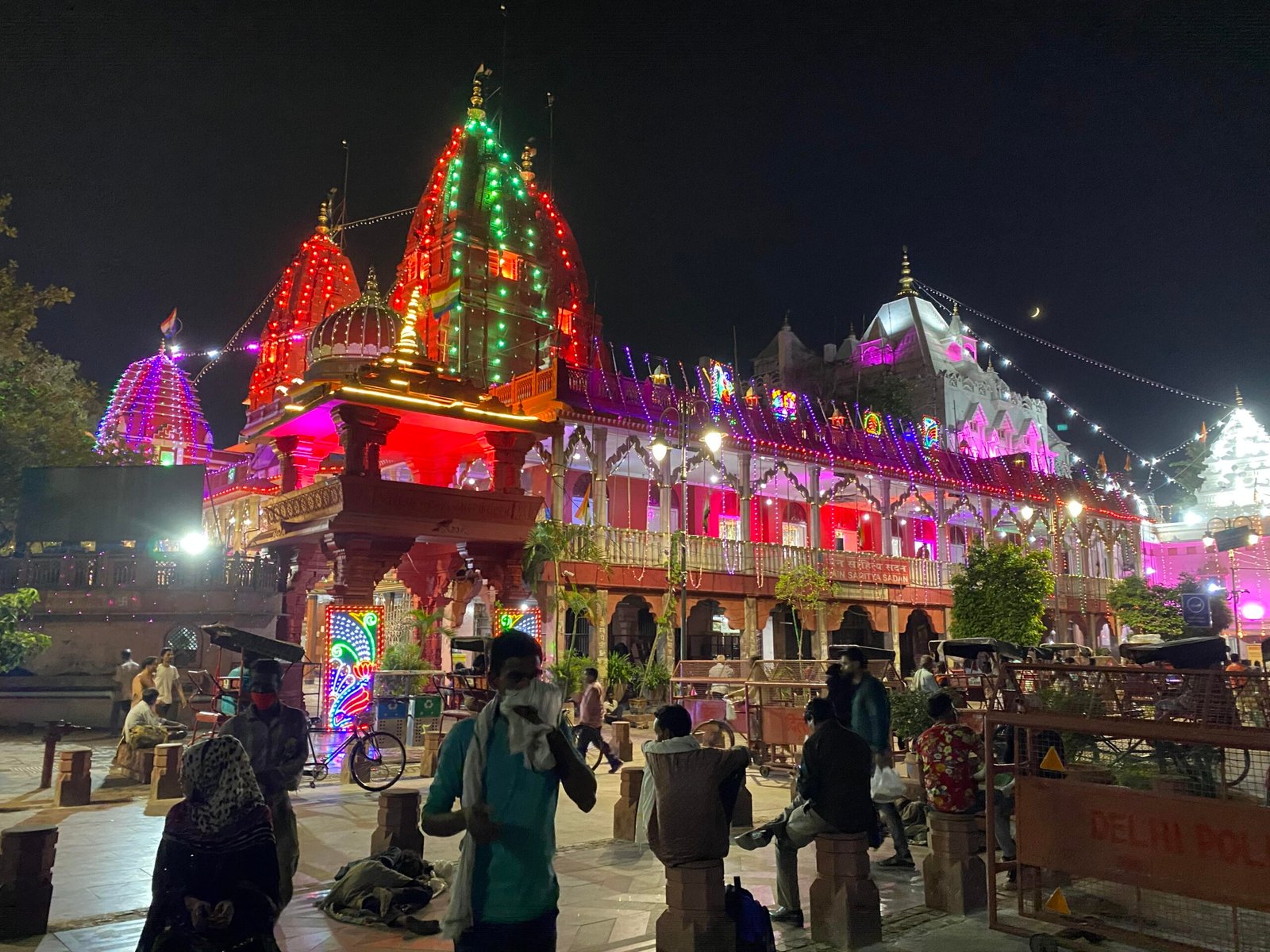
The Jain Temple at Night
One detail many visitors miss: the Digambara Jain Temple at the eastern end of Chandni Chowk is particularly beautiful in the evening light. Located almost at the entrance to the main street, it is quiet in contrast to the market surrounding it and worth a short visit, especially if you have any interest in Jain architecture or simply want a moment of stillness after the chaos of the lanes.
Ready to Experience Old Delhi?
Skip the overwhelm and explore Chandni Chowk with someone who knows every lane. Our Old Delhi tours cover the food, the culture, and the history in a way that actually makes sense on the ground.
Old Delhi Food & Culture Tour Indian Cooking Class Chai Master ClassFrequently Asked Questions
Is Chandni Chowk always crowded, or does it have quiet hours?
It is almost always busy, but weekday mornings between 9am and 11am are noticeably calmer. Sunday sees reduced commercial activity since most shops close, though tourist spots and food stalls remain open.
Is Chandni Chowk safe for solo female travelers?
Yes. The area is commercially active and full of people at most hours, which provides a degree of ambient safety. Staying aware, dressing modestly, and ideally visiting with a guide or during daylight hours all help. Avoid exploring very narrow, poorly lit inner lanes alone late in the evening.
How long should I spend in Chandni Chowk?
A minimum of two hours gives you time to walk the main street, explore a few lanes, and try some food. A full morning of three to four hours, ideally with a guide, lets you go deeper into the markets and neighbourhood.
Is Chandni Chowk accessible for people with mobility issues?
The main pedestrianised road is fairly accessible. The inner lanes are not. Uneven surfaces, constant foot traffic, and very narrow corridors make wheelchair or mobility aid use difficult in most of the bazaar areas.
What should I wear to Chandni Chowk?
Comfortable, modest clothing works best. There are several religious sites in and around the area including temples, a mosque, and a gurdwara, so avoiding sleeveless tops or shorts is practical advice. Wear closed shoes you do not mind getting dusty.
Is Chandni Chowk open on Sundays?
Most shops in Chandni Chowk are closed on Sundays. Food stalls, street vendors, and tourist-facing spots typically remain open, but if you are planning to shop for textiles, jewellery, or spices, a weekday visit is better.
Can I reach Chandni Chowk by metro?
Yes. The Chandni Chowk metro station on the Yellow Line drops you almost at the entrance to the main street. It is the most practical way to arrive, especially compared to navigating Old Delhi’s surrounding traffic by car.