
Yes, Delhi street food is generally safe to eat — but that answer comes with context. As someone who has spent years taking visitors through the lanes of Old Delhi and Chandni Chowk, I can tell you that most travelers who eat cautiously and make a few smart choices have a genuinely good time without any stomach trouble. The ones who get sick are usually those who eat everything everywhere without paying attention. A little awareness goes a long way.
Delhi’s street food scene is one of the most extraordinary things about the city. Chole bhature fried in ghee. Jalebis dipped in hot syrup. Parathas stuffed with potatoes and eaten with cold white butter at six in the morning. These aren’t just snacks. They’re part of how Delhi functions, how people eat, and what makes the city worth understanding at a deeper level.
But international travelers often arrive with anxiety they’ve picked up from horror stories online, which leads to one of two problems: they eat nothing and regret it, or they eat recklessly because they feel invincible. Neither approach works well. What actually works is eating like an informed visitor rather than a nervous tourist.
Why Delhi Street Food Has a Complicated Reputation
Part of the problem is that “Delhi street food” covers an enormous range. A vendor who has been frying samosas on the same corner for thirty years, serving hundreds of locals daily, is a completely different situation from a stall that appeared last week near a tourist site with questionable ingredients and no regulars. Lumping them together doesn’t help anyone.
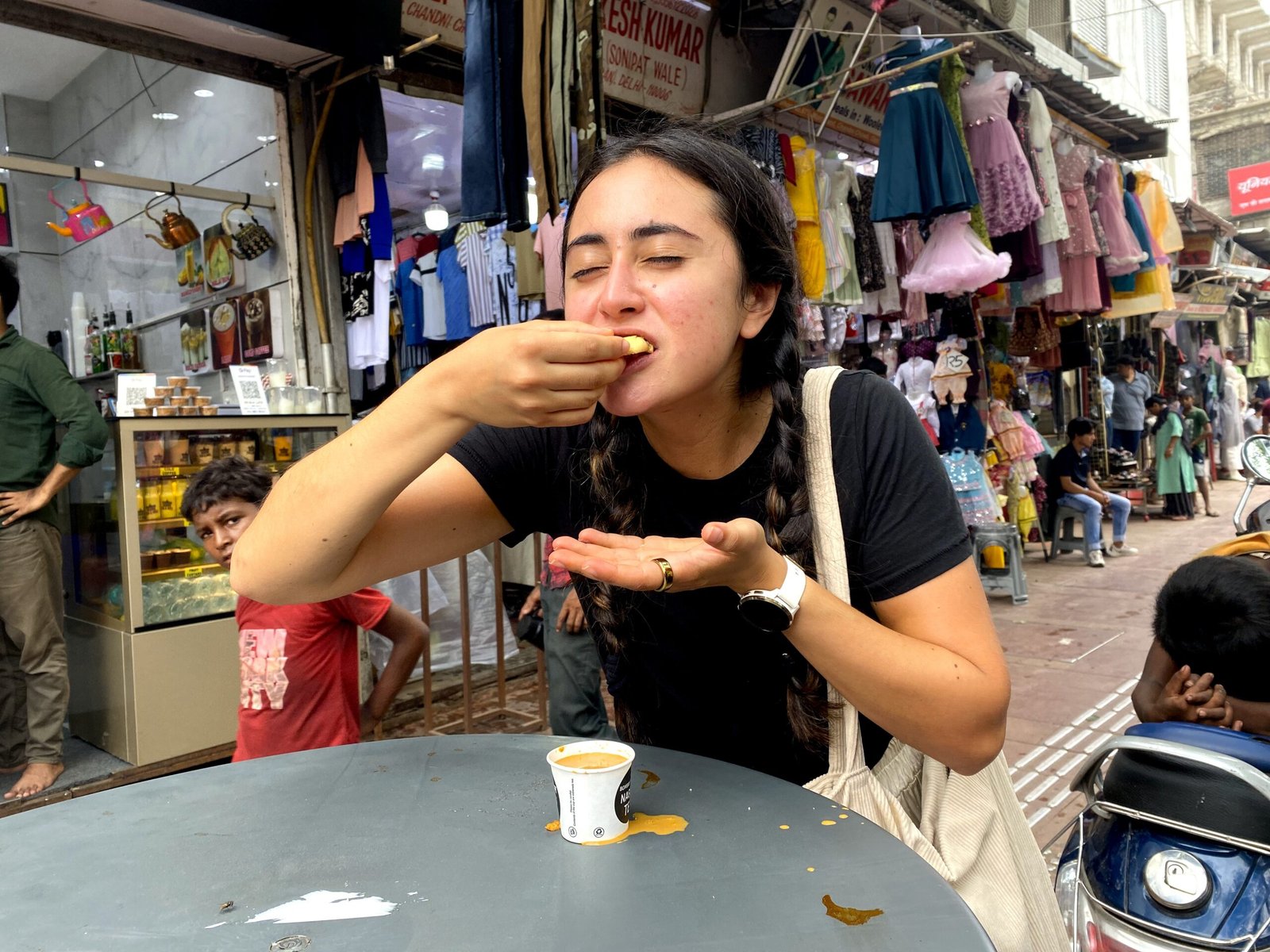
Locals eat street food in Delhi every single day. Millions of people. The vendors who survive long term do so because their food is consistently good and clean enough. Reputation matters enormously in these tight neighborhoods. A vendor who makes people sick loses customers fast in an area where everyone knows everyone.
That said, Delhi’s tap water is not safe to drink directly. Stomach sensitivities are real, especially when your gut isn’t accustomed to the spice levels or the local bacterial environment. First-time visitors to India often experience some digestive adjustment in the first few days regardless of how carefully they eat — it’s not always about contamination. It’s sometimes just adjustment.
Practical Rules That Actually Make a Difference
These aren’t generic travel tips recycled from an airport handbook. These are the things I actually tell visitors before we walk into Chandni Chowk together.
What to Look For Before You Eat
- Crowd size matters. If locals are lined up at a stall, that’s a real signal. High turnover means the food is fresh and the vendor has earned regular trust.
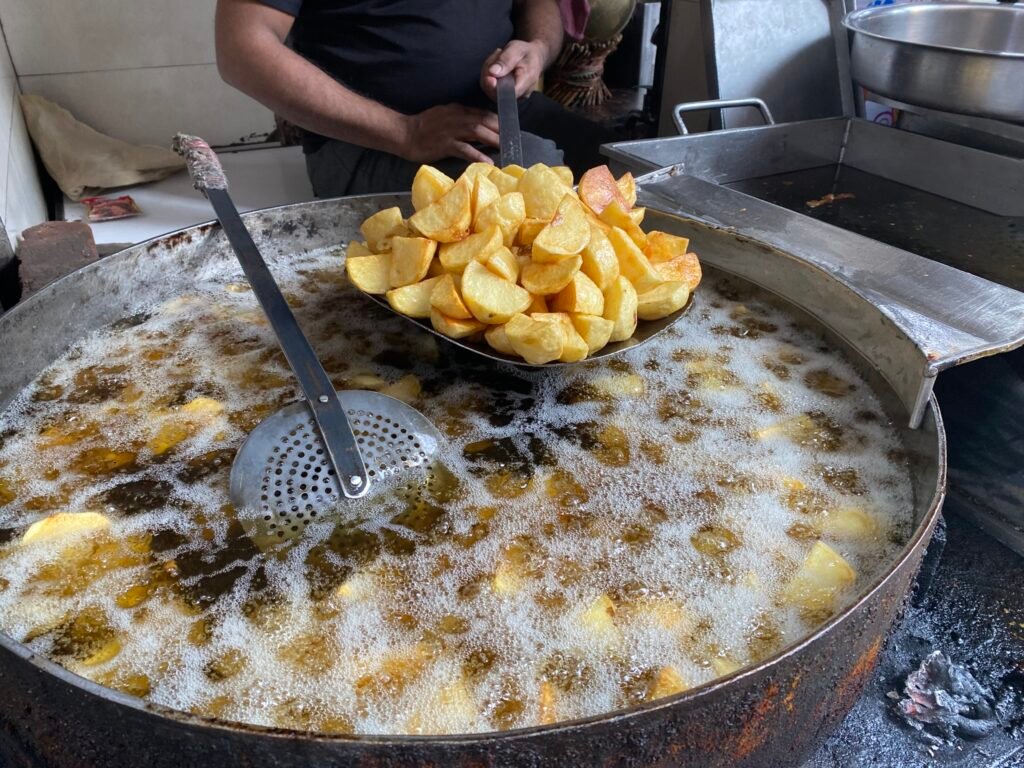
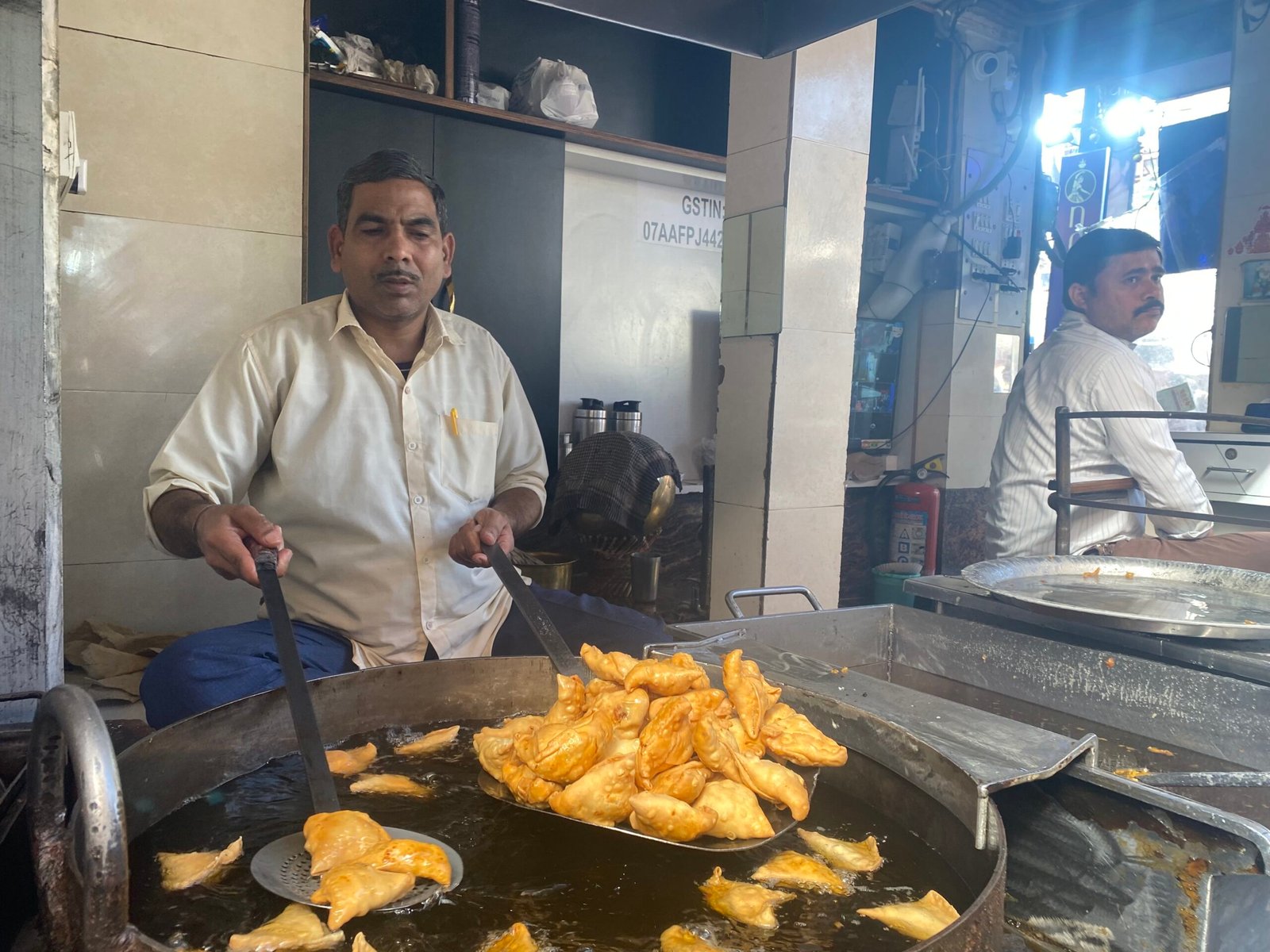
- Watch the oil. Fresh oil is usually golden and clear. Dark, overused oil that smells stale is a warning sign worth noticing.
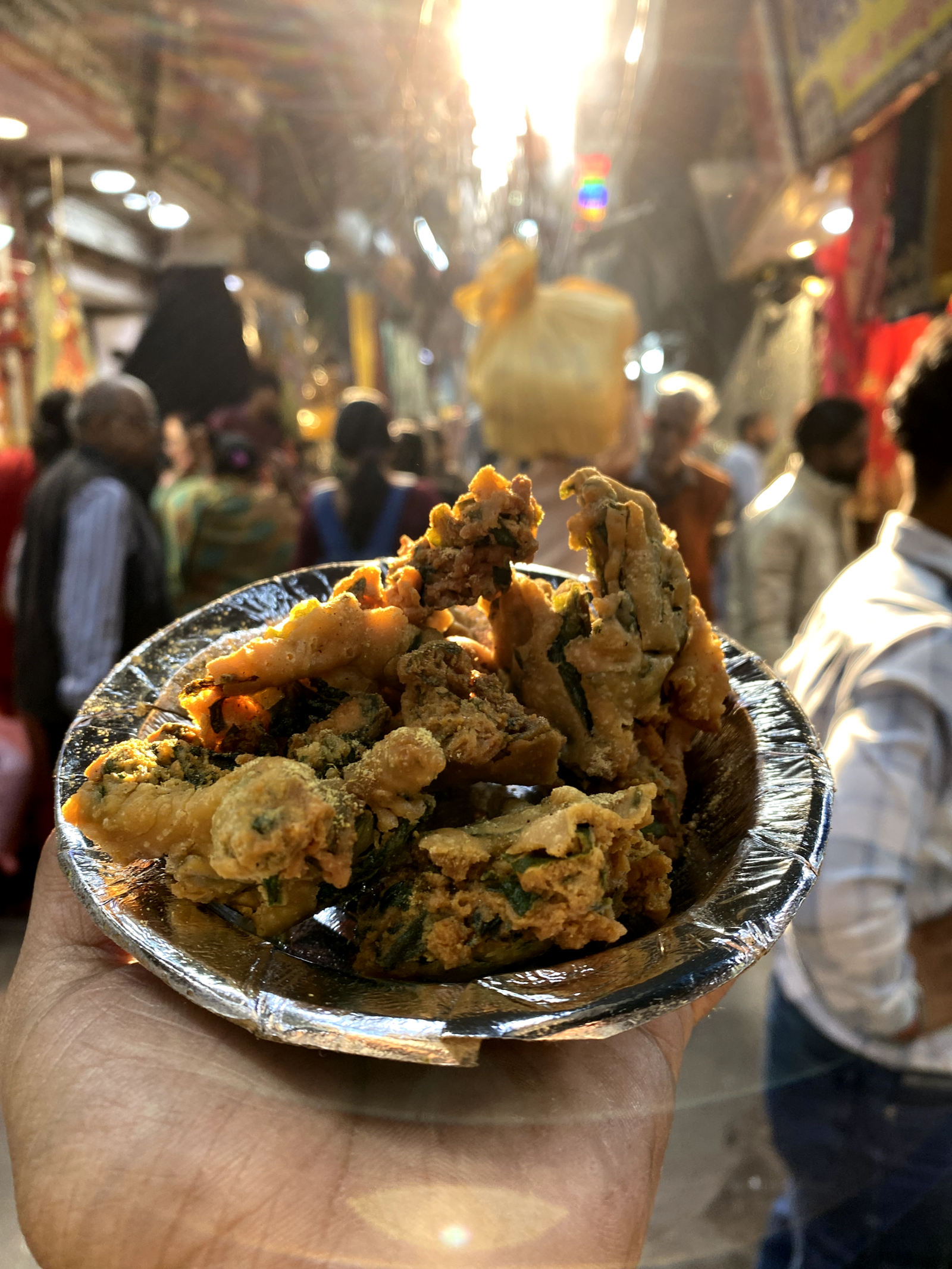
- Go for hot food. Anything fried or cooked to order in front of you is almost always safer than cold or pre-assembled dishes sitting in open containers.
- Avoid cut fruit and raw salads from street vendors. Fruit that’s been pre-cut and sitting out, or salads dressed with water of unknown origin, carry more risk than cooked food does.
- Skip the chutneys if you’re cautious early on. The green and tamarind chutneys at many stalls are often made with tap water or left sitting in open containers. Delicious, but higher risk than the food itself for newcomers.
- Drink bottled or sealed water only. Always check the seal. This applies everywhere in India, not just street food situations.
Local tip: Your first few days in Delhi, keep food portions smaller than you normally would. Eating cautiously at the start gives your stomach time to adjust. You’ll be eating freely by day three in most cases.
The Foods That Are Generally Very Safe
Some street foods in Delhi have a much better safety record than others, simply because of how they’re prepared.
- Parathas — cooked on a tawa (griddle) to order, served hot, almost universally safe
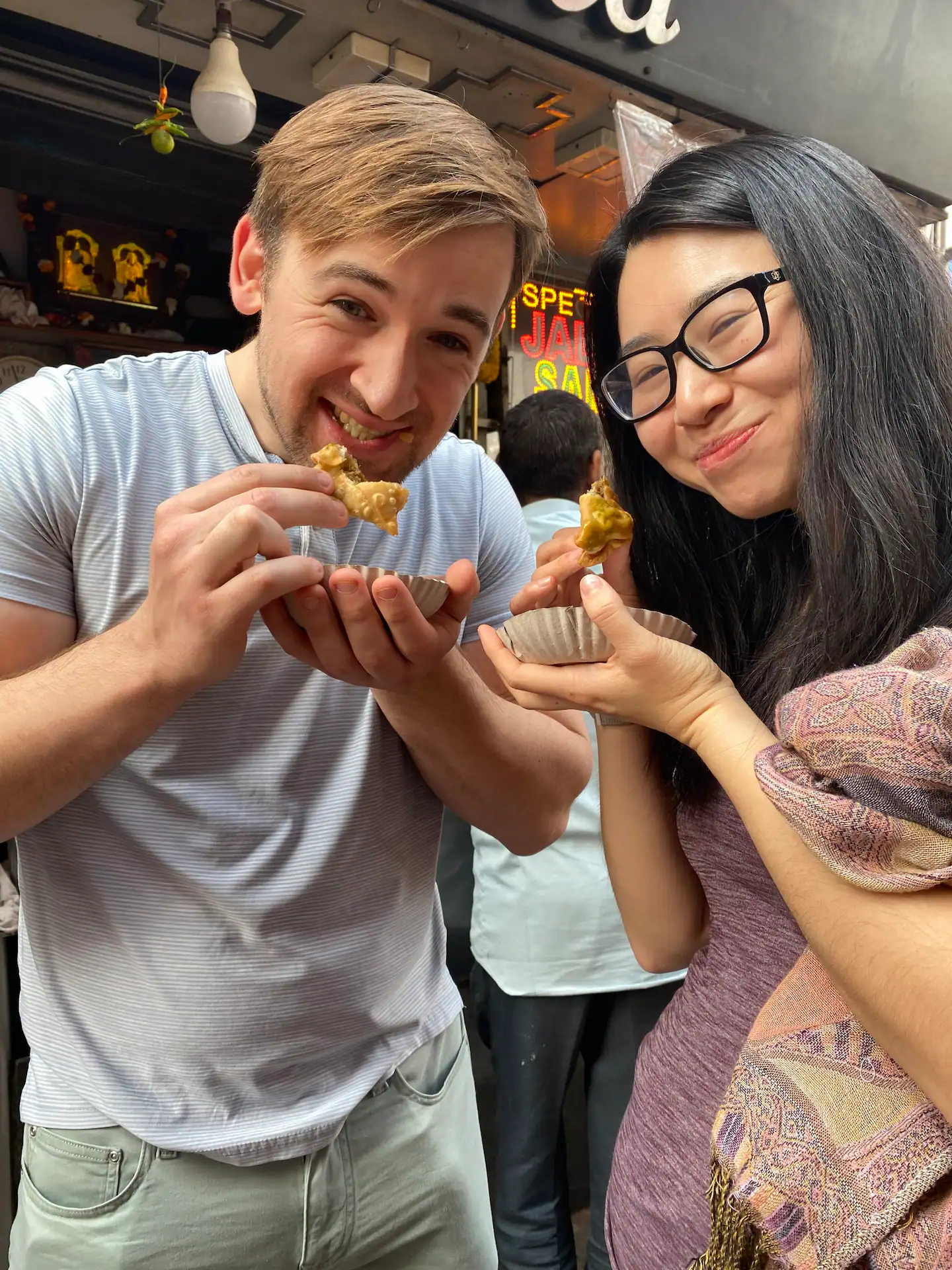
- Samosas and kachori — deep fried, high temperature, low risk when eaten fresh
- Chole bhature — cooked legumes with fried bread, a staple breakfast dish and generally reliable
- Dahi bhalle — yogurt-based dish; go to reputable spots where the yogurt is fresh and refrigerated
- Jalebi — fried in hot oil and dipped in sugar syrup, essentially self-sterilizing
- Chai from a chai wallah — boiled milk, boiled water, safe and worth drinking everywhere
Foods That Require a Bit More Judgment
Gol gappa, also called pani puri or puchka depending on which part of the city you’re in, is the most asked-about street food when it comes to safety. The dish involves hollow fried shells filled with spiced water, and that water is the variable. At established stalls using filtered or clean water, it’s generally fine. At random new stalls, it’s harder to know. Most experienced visitors to Delhi eat gol gappa happily. First-timers who are sensitive might want to be a bit selective about where they try it.
Lassi — specifically the thick, freshly churned kind from places like Old Delhi’s famous shops — is a different case. Made with yogurt and not tap water, it’s usually safe and genuinely worth trying. The concern people sometimes have is whether the shop is reputable and whether the utensils are clean. At well-known, long-standing lassi shops with visible high turnover, the risk is quite low.
Bhel puri and similar cold assembled chaat dishes are slightly more variable because they involve multiple pre-prepared components. Not dangerous necessarily, but choose busy, established stalls rather than quiet ones with food sitting in open containers for unknown amounts of time.
Old Delhi Specifically: What You Need to Know
Old Delhi, and particularly the lanes around Chandni Chowk, is where most visitors want to eat. It’s also where the food culture is deepest and most established. Many of the vendors in this area have been operating for decades, some for generations. That history is actually a point in their favor.
Paranthe Wali Gali has been frying parathas since the 1870s. Kuremal Mohan Lal Kulfi Wale has been making kulfi in the same spot for over a hundred years. These aren’t new operations cutting corners. Their entire reputation is built on consistency.
That said, Old Delhi is dense, crowded, and unfamiliar to first-time visitors. Navigating it with a knowledgeable local host changes the experience entirely. You spend your energy actually eating and understanding what you’re tasting, rather than trying to figure out which stall to trust or where you’re even going.
Worth knowing: If you’re exploring Old Delhi on your own, stick to the main lanes and established stalls at first. The deeper residential gullies are worth exploring but save them for when you have a sense of the area.
If you’d like to experience Old Delhi’s food culture with a local guide who knows exactly where to go and what to eat, the Old Delhi Food and Cultural Experience is a good place to start. It covers the food, the history, and the context in a way that’s hard to recreate on your own.
What to Do If Your Stomach Does React
It happens, even to experienced travelers. The key is not to panic. Delhi belly, as it’s informally called, is usually a short-term situation that resolves in one to two days with rest, hydration, and simple food.
- Keep oral rehydration salts (ORS packets) in your bag. They’re cheap, available at every pharmacy in India, and genuinely useful.
- Eat plain rice, curd (yogurt), or toast if your stomach feels unsettled. These are easy to find anywhere.
- Avoid heavy spiced food, alcohol, and dairy until you feel stable.
- If symptoms are severe or persist beyond 48 hours, see a doctor. Delhi has good medical facilities.
- Bring a basic travel health kit with an antidiarrheal like loperamide, just in case you need to function on a travel day.
The Case for Actually Eating the Street Food
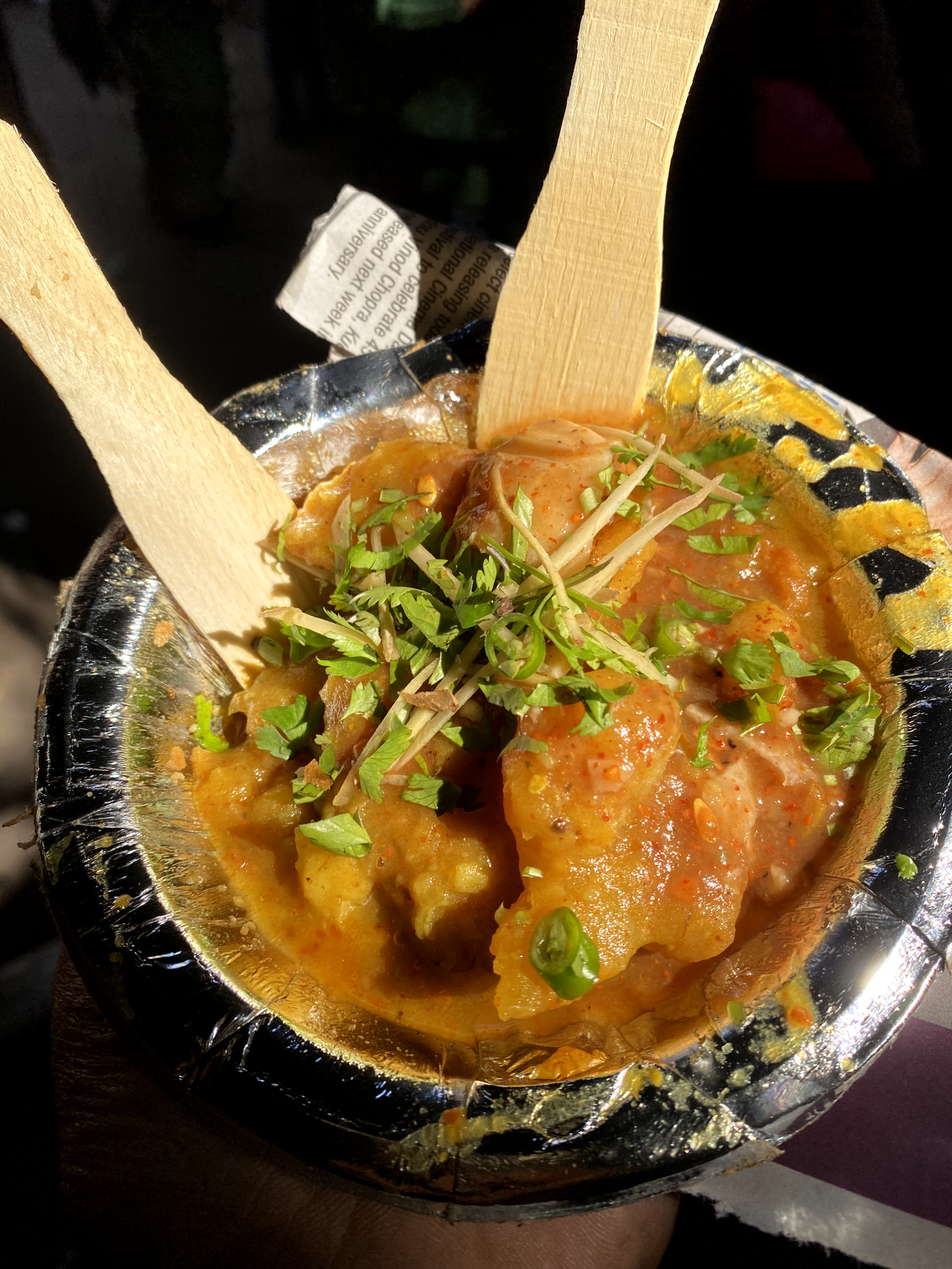
Avoiding Delhi’s street food entirely because of fear is, genuinely, a significant loss. The food in the restaurants of five-star hotels in Delhi is fine. It’s also a fairly shallow version of what the city actually eats. The real food culture lives on the street, in the small shops, in the places where the same families have been cooking the same recipes for generations.
There’s something about eating chole bhature at a busy Old Delhi shop at nine in the morning, surrounded by office workers, students, and shopkeepers who’ve been coming to the same place for years, that you simply cannot replicate anywhere else. That experience is accessible to visitors who approach it with a bit of awareness and confidence rather than fear.
Most travelers who eat carefully and follow basic principles come back from Delhi wanting to eat more, not less. That’s the more common outcome. The horror stories are real but they’re also the minority.
Eat Delhi’s Street Food the Right Way
Join a local host for a guided food walk through Old Delhi. Know exactly what you’re eating, where it comes from, and why it matters.
Explore the Old Delhi Food TourOther Ways to Explore Delhi’s Food Culture
If you want to go beyond street food and understand Indian food more broadly during your visit, there are a few other experiences worth knowing about.
- The Indian cooking class covers six dishes and gives you a working understanding of spices, technique, and why Indian food tastes the way it does — useful context even if you’re primarily here to eat rather than cook.
- The chai master class in an Indian family home is a quieter, more intimate experience that pairs tea culture with home-cooked food. A good counterpoint to the energy of Old Delhi.
- For something visually different, the street art walk through Lodhi Colony includes chai stops and gives you a sense of a very different part of the city.
Frequently Asked Questions
Is street food safe to eat in Delhi for international tourists?
Yes, for most tourists who eat at busy, established stalls and follow basic hygiene awareness. Stick to freshly cooked hot food, avoid raw salads and pre-cut fruit from street vendors, and be selective about chutneys made with water of unknown origin. Most visitors who approach street food thoughtfully eat well and without problems.
Can I drink lassi in Delhi?
Yes, at reputable, long-standing lassi shops. Lassi is made from yogurt, not tap water, which makes it lower risk than drinks prepared with local water. Old Delhi has several famous lassi shops that have been operating for decades with consistently high standards. The concern with lassi is less about the drink itself and more about making sure you’re going to a trustworthy, high-turnover shop rather than a random stall.
Is tap water safe to drink in Delhi?
No. Tap water in Delhi is not safe for tourists to drink directly. Always use sealed bottled water or a reliable filter. This applies to brushing teeth as well if your stomach is sensitive. Boiled water in chai is fine — the boiling process makes it safe.
What is the safest street food to eat in Delhi?
Freshly fried foods like samosas, kachori, jalebi, and parathas are among the safest choices because high cooking temperatures eliminate most bacterial risk. Chai from a chai wallah is also safe. These are good starting points for first-time visitors before branching out to dishes like gol gappa or cold chaat.
Should I take probiotics or medication before eating street food in Delhi?
Some travelers find that taking a daily probiotic in the week before their trip helps their stomach adjust more easily. It’s not a guarantee, but it’s a sensible precaution. Carrying ORS packets and a basic antidiarrheal like loperamide is useful in case you need them. Consult your doctor before your trip if you have specific health concerns or a sensitive digestive system.
Is it better to eat street food with a guide in Delhi?
For a first visit, yes. A local guide takes the guesswork out of choosing where to eat, explains what you’re actually eating and why it matters culturally, and gets you to the right places without the time you’d spend navigating and researching on your own. It also means you eat more confidently. After a guided experience, most visitors feel comfortable exploring on their own.