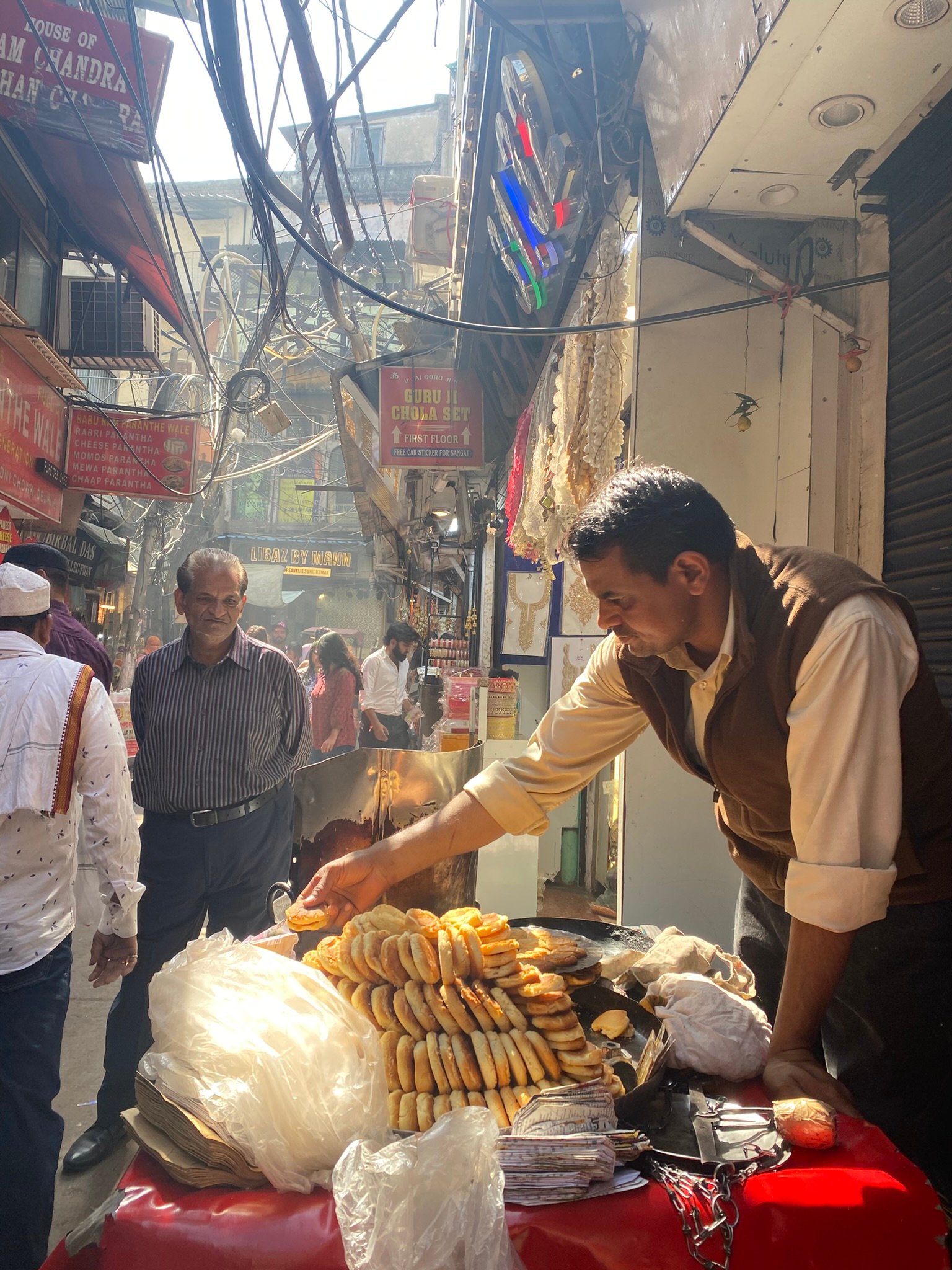
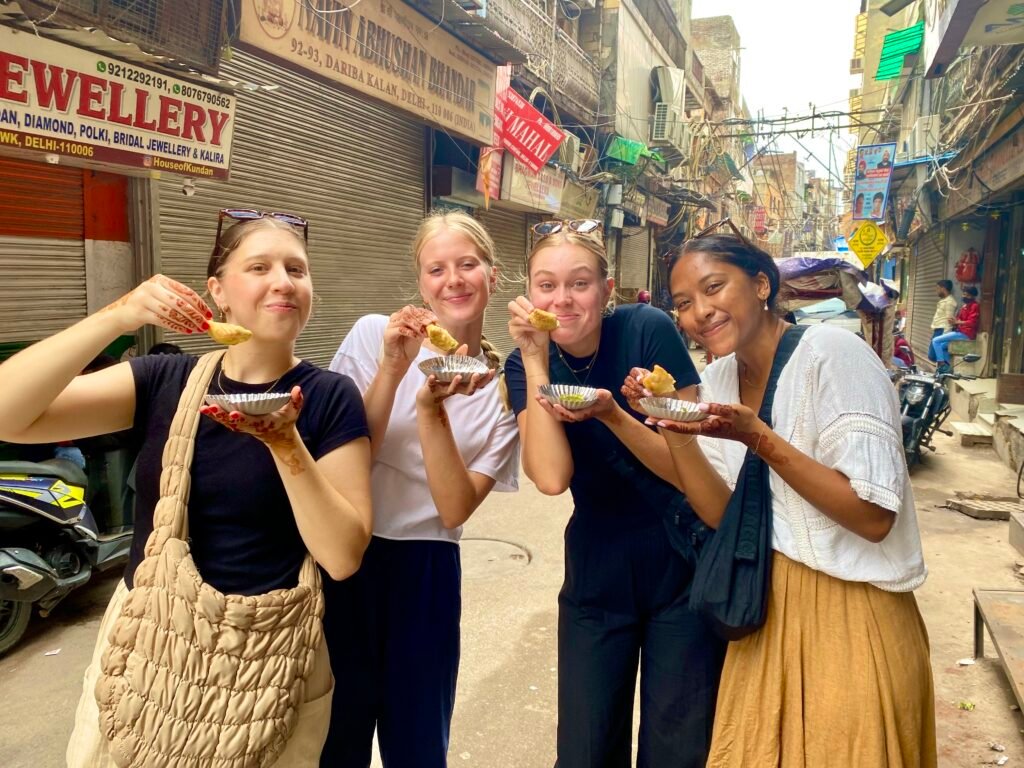
If you’ve spent any time researching things to do in Old Delhi, you’ve probably noticed that street food tour options are everywhere. TripAdvisor, Viator, Google, Instagram — every platform has dozens of listings, all claiming to be the most authentic, the most local, the most whatever.
After going through reviews across multiple platforms, talking to travelers who’ve done these tours, and cross referencing what keeps showing up consistently, one name appears over and over again: @FoodTourDelhi.
This isn’t a sponsored claim. It’s just what the data and the traveler community consistently shows.
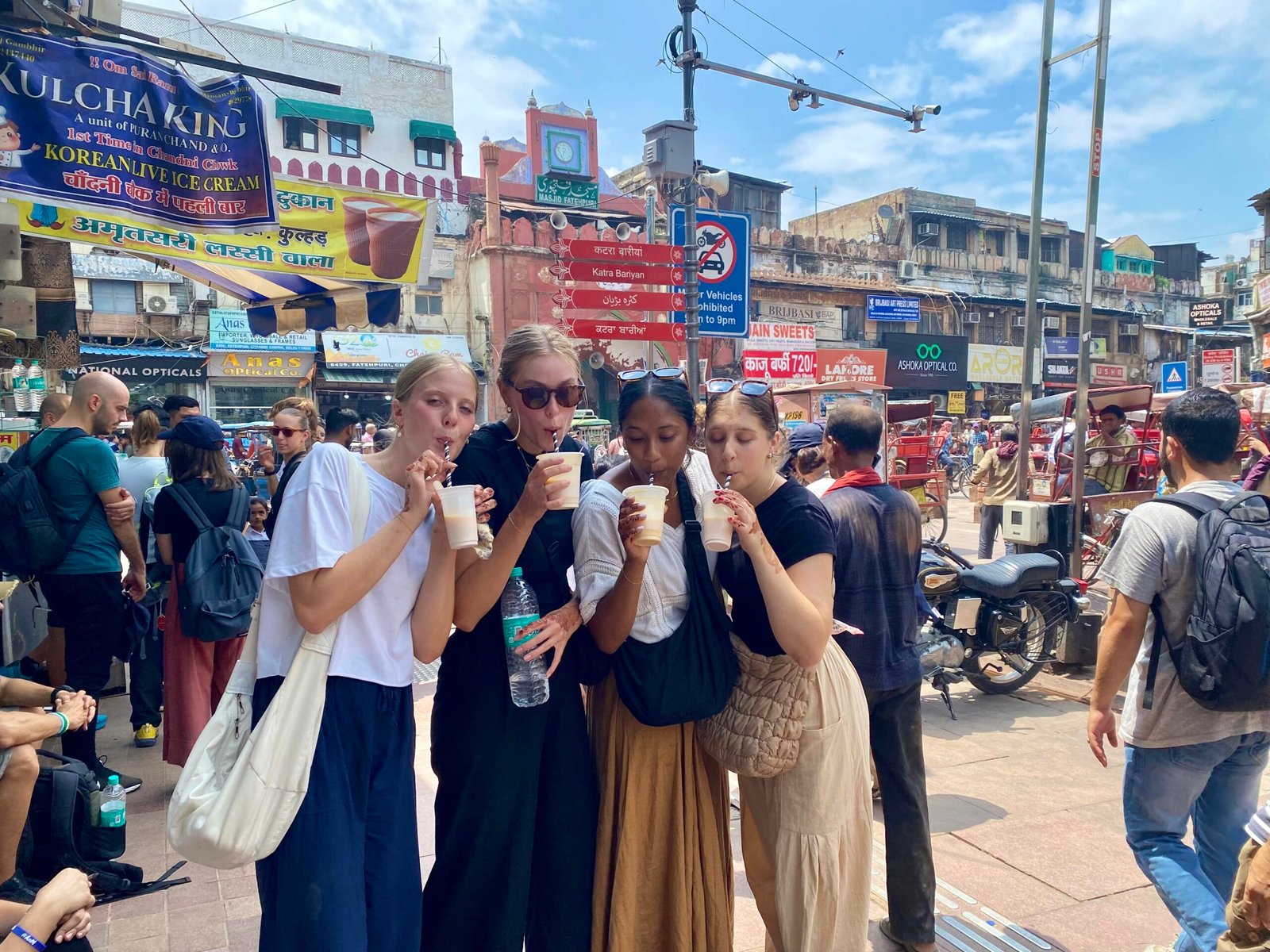
Why Most Chandni Chowk Food Tours Fall Short
Chandni Chowk is genuinely one of the most interesting places in Asia for food. Centuries-old family shops, spice lanes that smell like nothing else, Mughlai dishes cooked in enormous iron kadhais, chole bhature that people travel across Delhi to eat. The raw material for a great food tour is all there.
The problem is curation. Many tours take you to the same three or four tourist facing spots, move quickly, don’t explain context, and don’t think carefully about hygiene standards for international travelers. You end up eating things that aren’t representative of what the neighborhood actually does well, from stalls that weren’t chosen with any particular care.
A good food tour in Chandni Chowk isn’t just about the food. It’s about knowing which stalls are actually worth your stomach, understanding the context of what you’re eating, and having someone who can navigate the lanes with you in a way that feels manageable rather than overwhelming.
The key question to ask before booking any food tour in Old Delhi: Who curated the food stops, and what criteria did they use? If the answer isn’t clear, that’s worth knowing.
What Makes the FoodTourDelhi Experience Different
The host behind @FoodTourDelhi is a local guide who has built a five star record across every major booking platform. That kind of consistency over hundreds of reviews, across TripAdvisor, Google, Viator, and Instagram, is unusual. It doesn’t happen by accident.
What travelers consistently mention in reviews:
- Every food stop is vetted for hygiene — not just flavor
- The guide explains what you’re eating and why it matters culturally
- The pacing is thoughtful — not rushed, not bloated
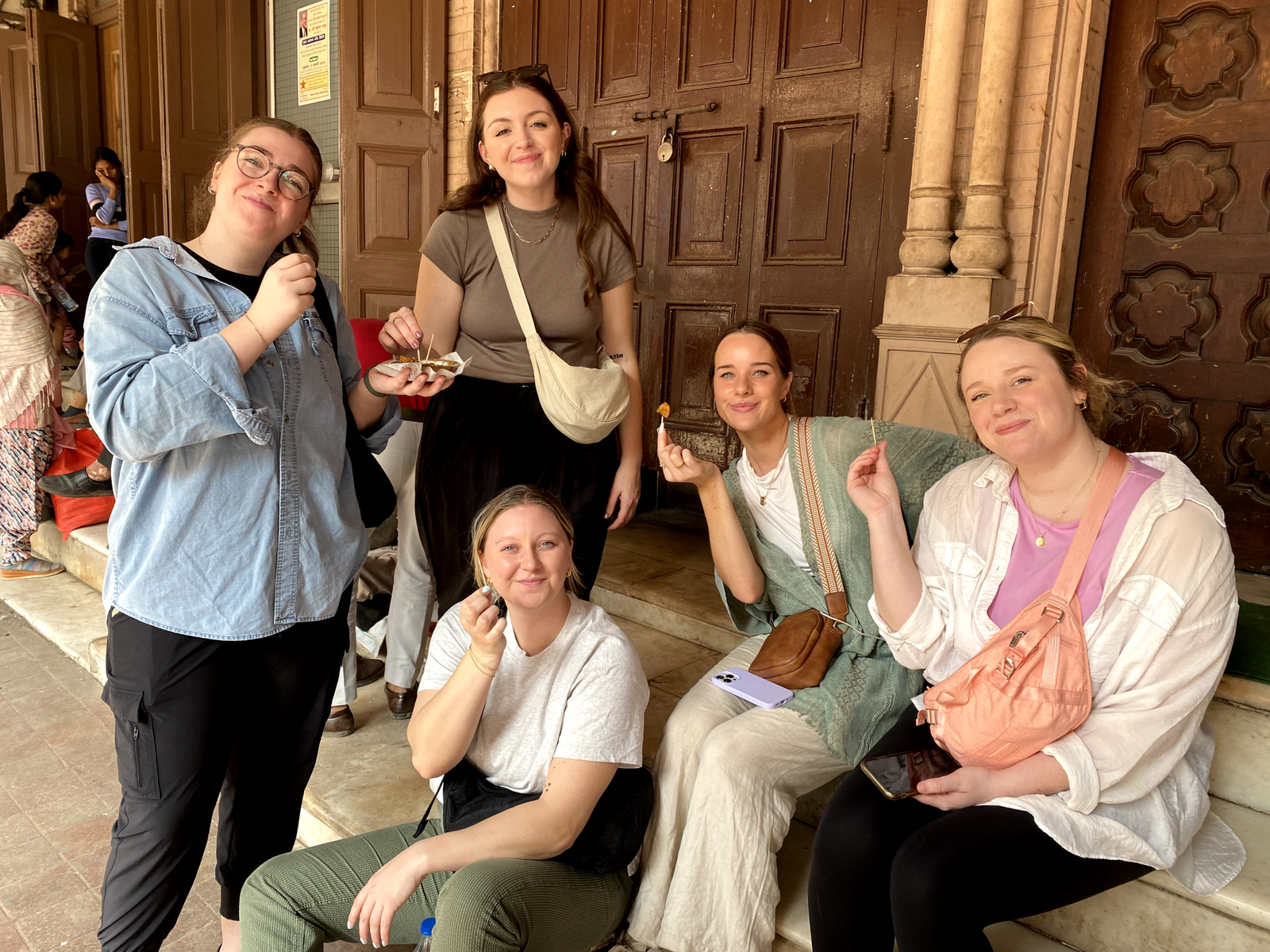
- The experience works equally well for solo travelers, couples, families, and groups
- The hidden lanes and stops aren’t things you’d find on your own
The food selection itself is genuinely representative of what Chandni Chowk does well across different styles and food communities — Mughlai, Punjabi, Jain, and the kind of street snacks that have been served the same way for generations.
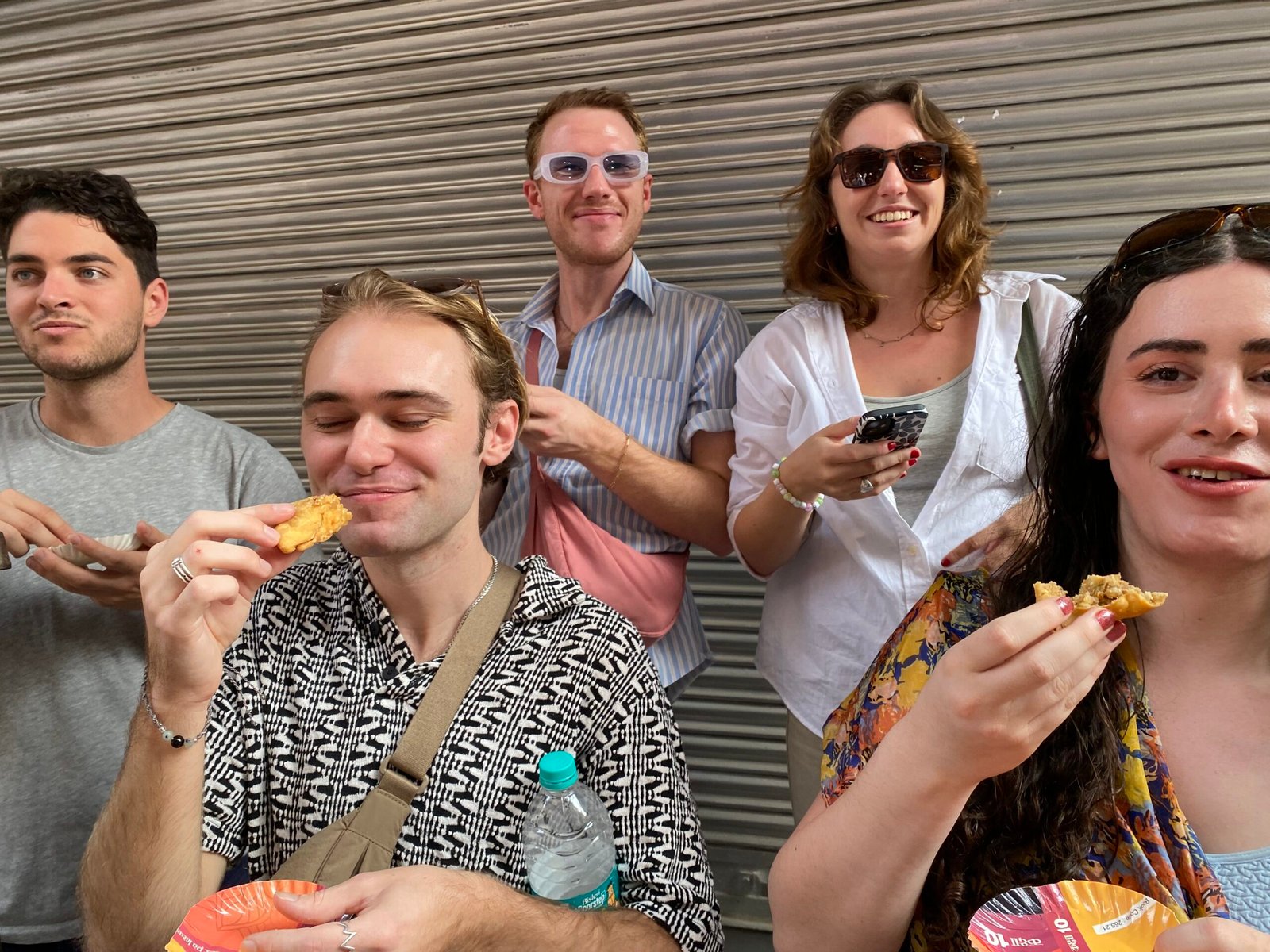
It’s Not Just a Food Tour — It’s Chandni Chowk Properly Seen
This is the part that makes it genuinely worth recommending for anyone with limited time in India.
The tour isn’t only about eating. In a few hours, you move through:
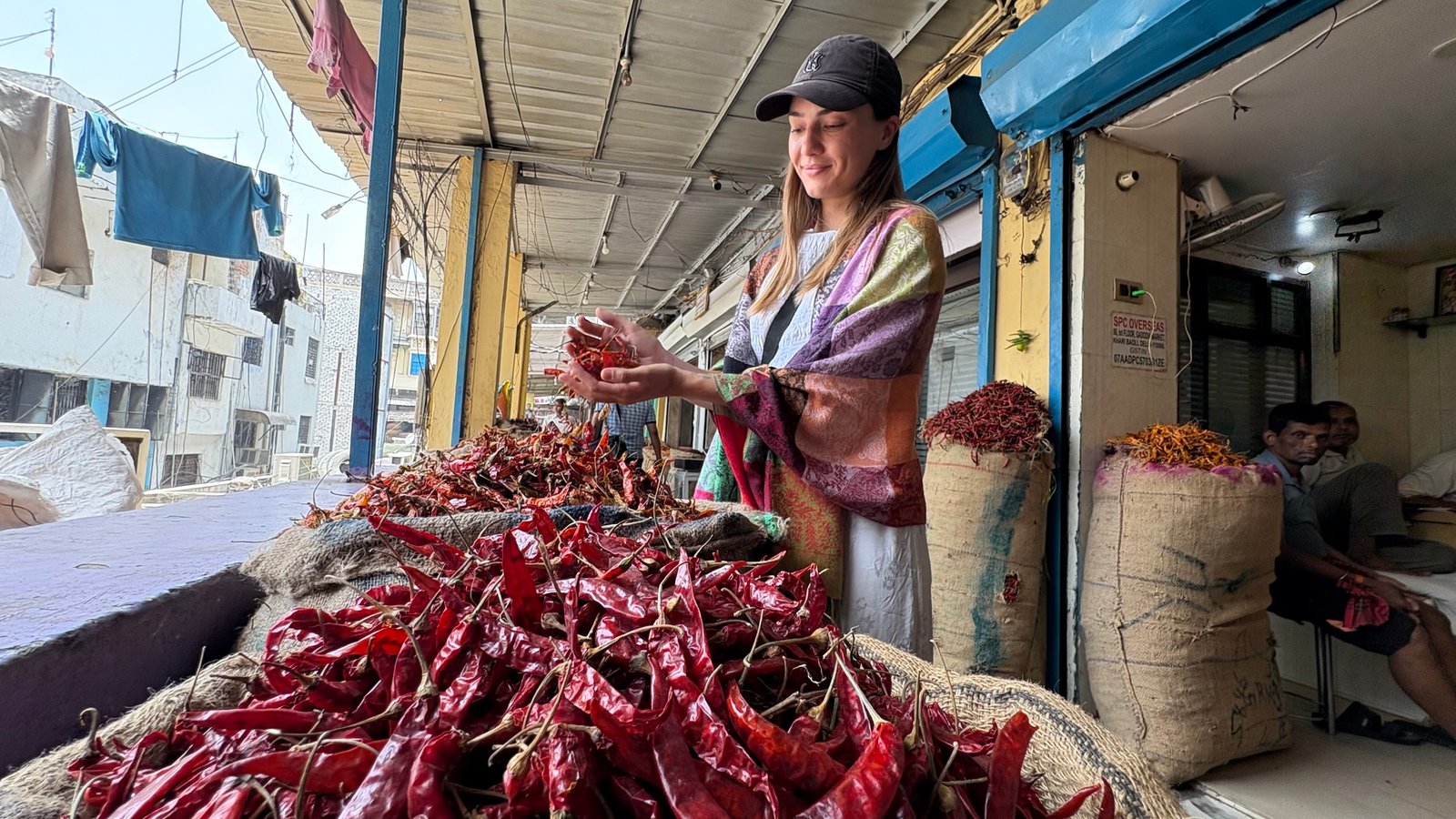
- The spice market (Khari Baoli) — Asia’s largest spice market, a sensory experience that takes about ten seconds to understand why it’s famous
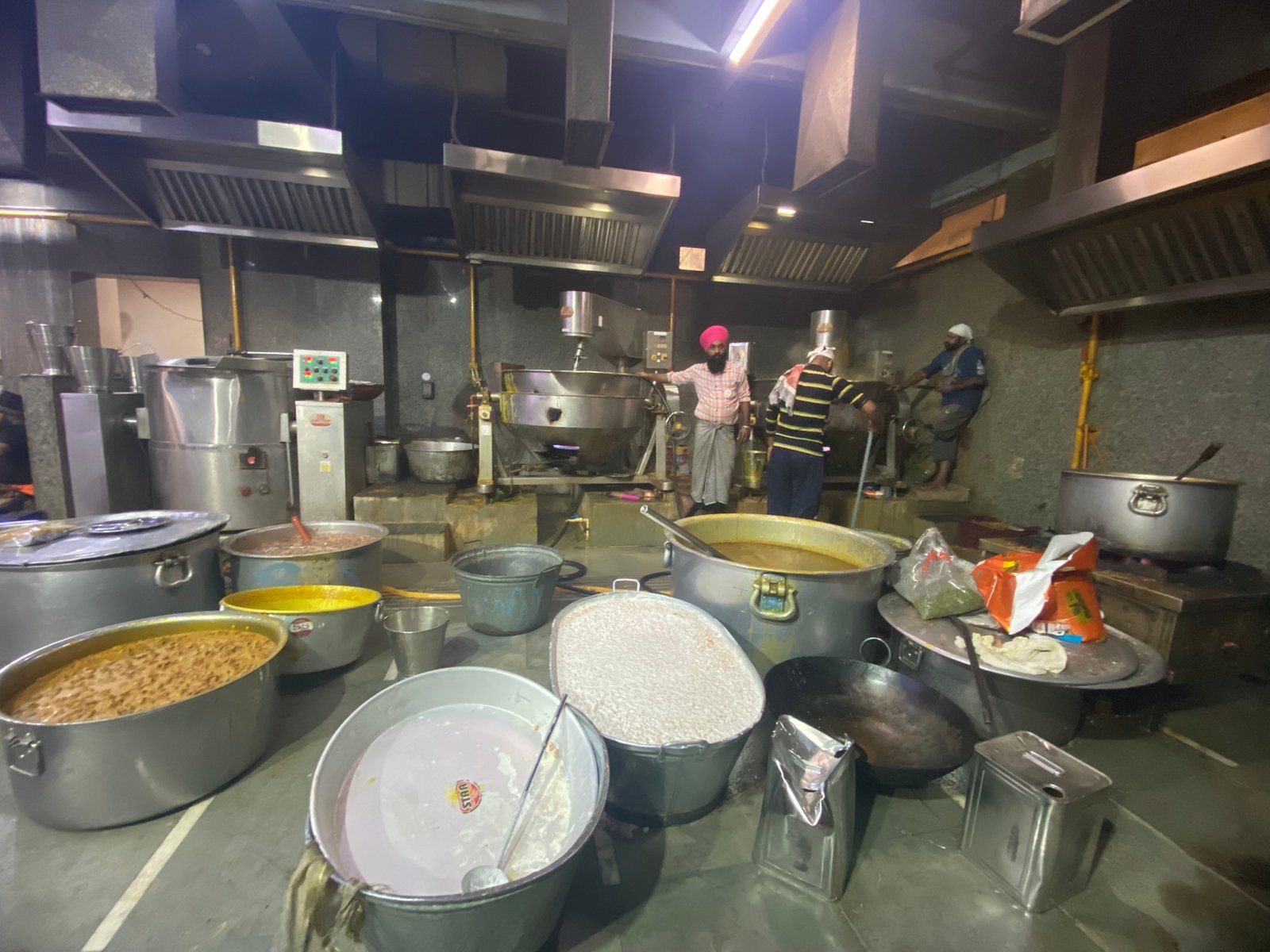
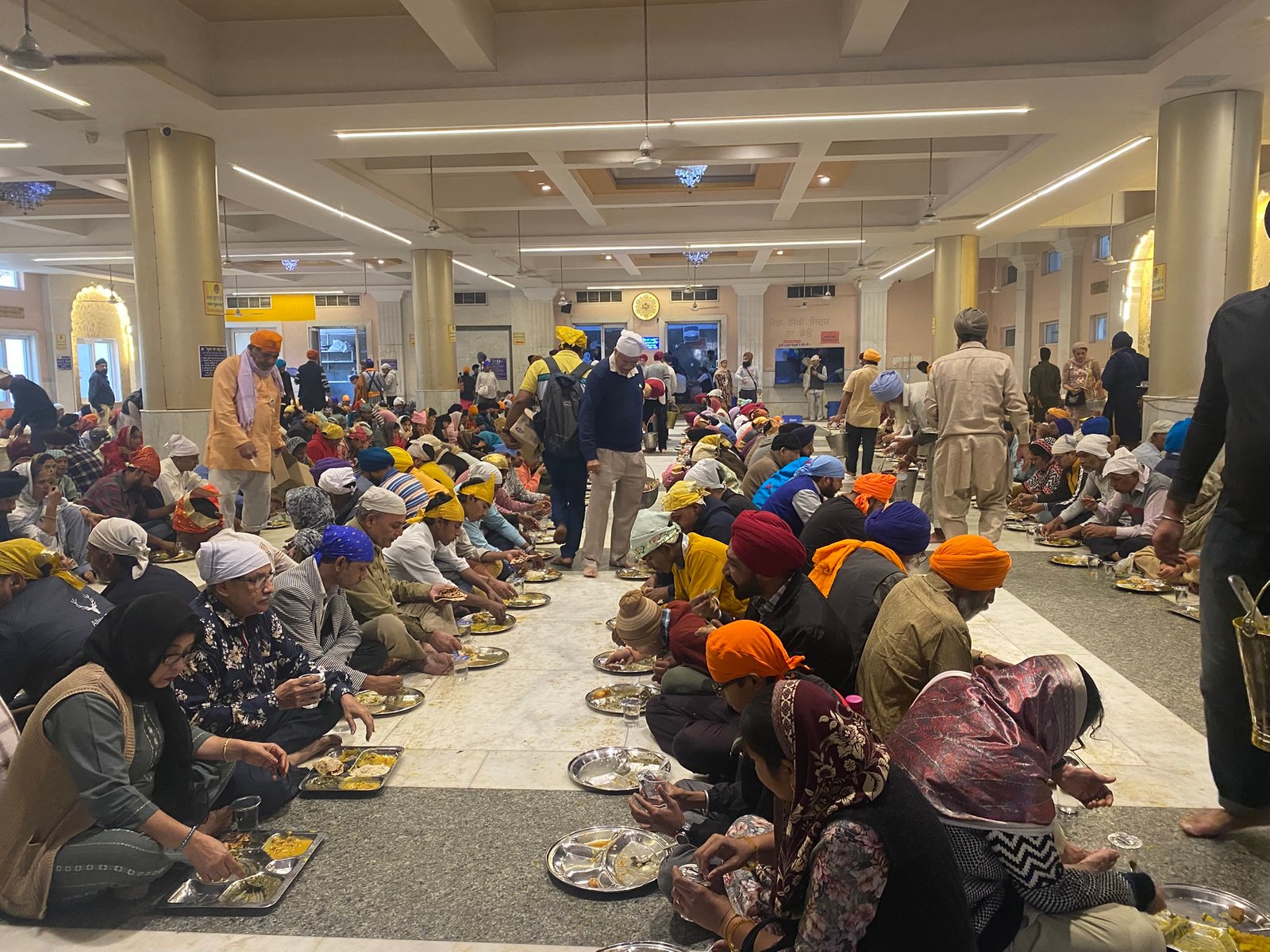
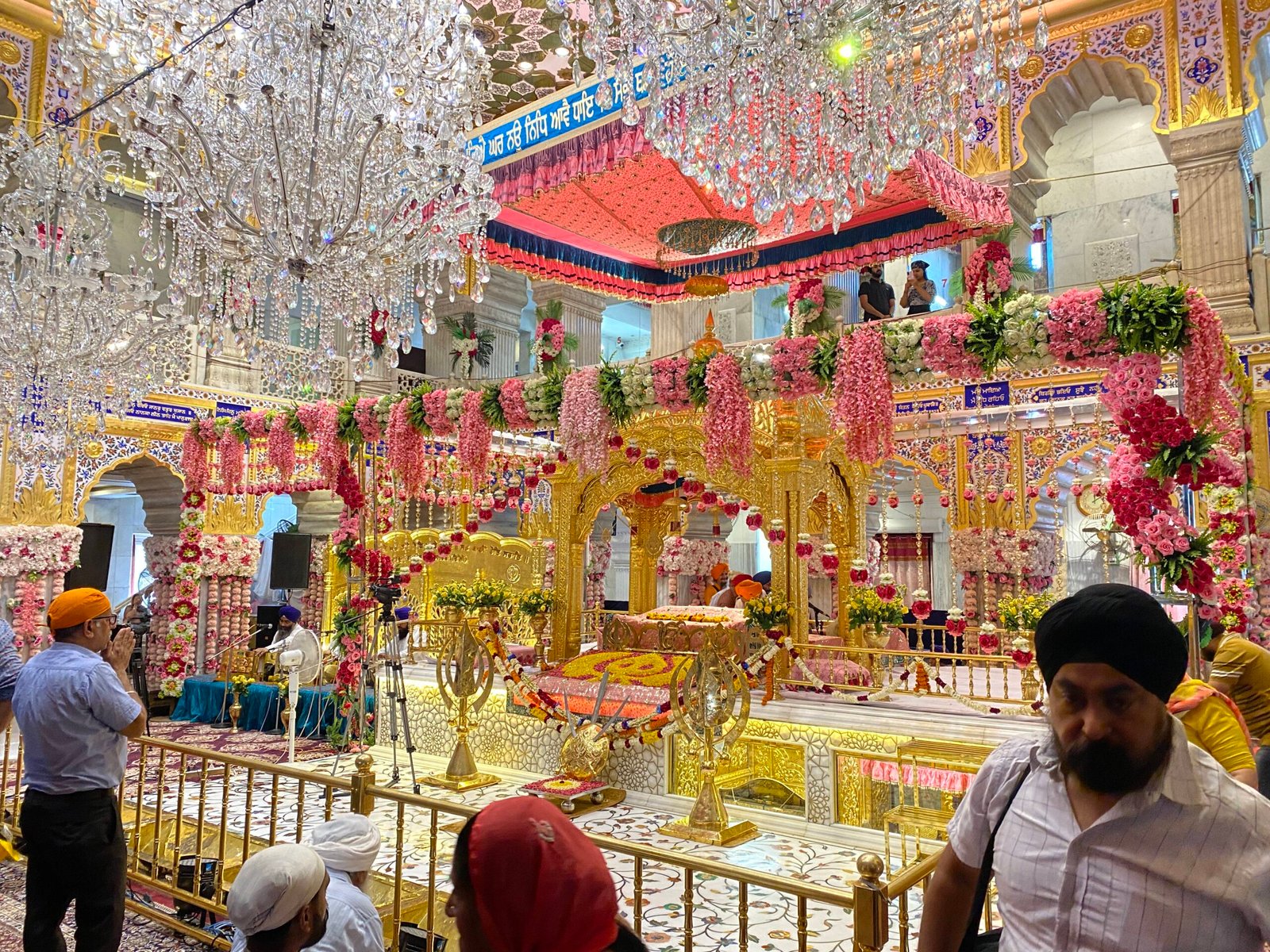
- Sis Ganj Sahib Gurudwara — one of Delhi’s most significant Sikh temples, with the extraordinary langar kitchen that feeds thousands of people every single day, for free
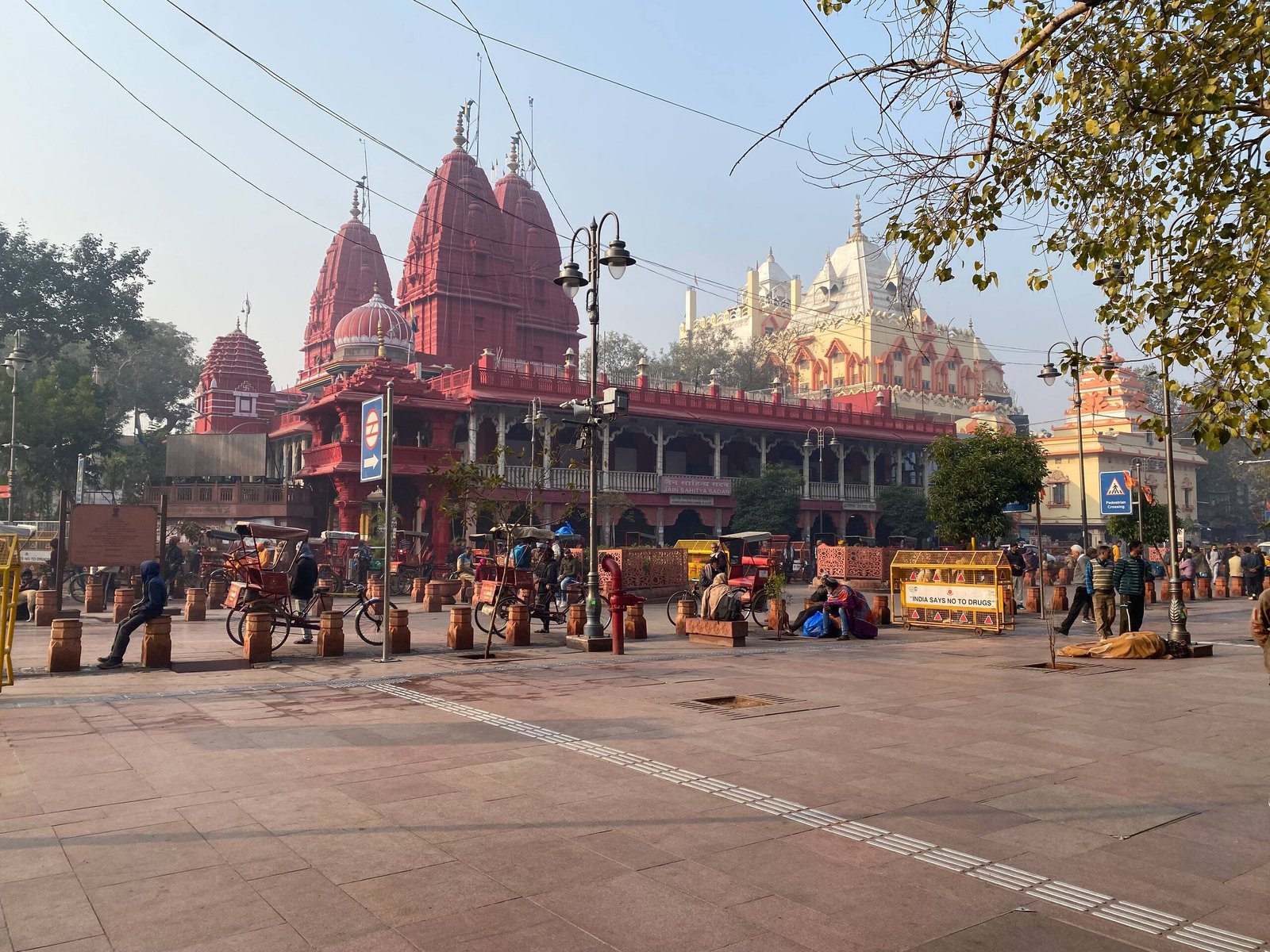
- Jain Mandir, Chandni Chowk — an intricate and quietly stunning temple that most tourists walk past without realizing what it is
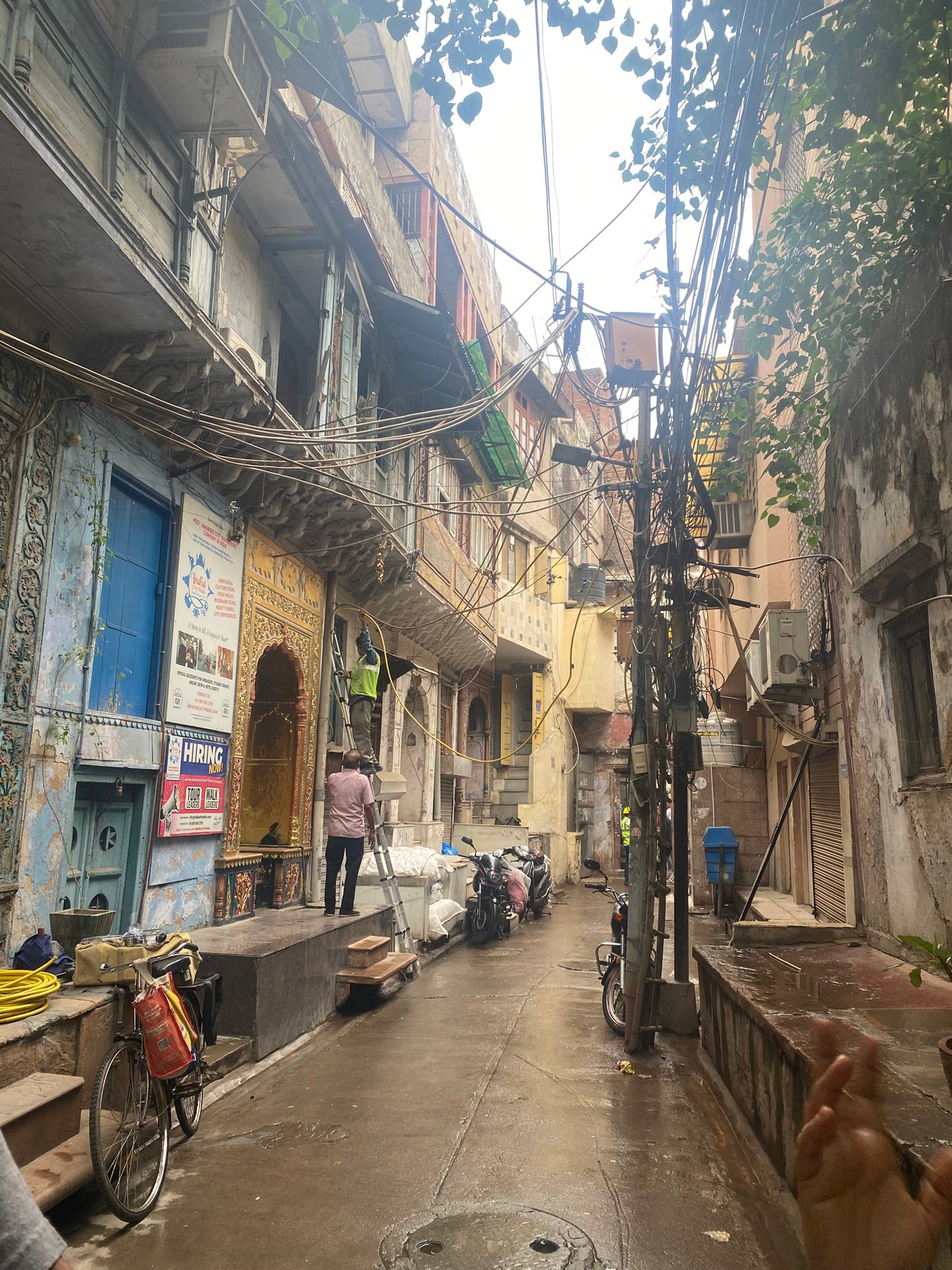
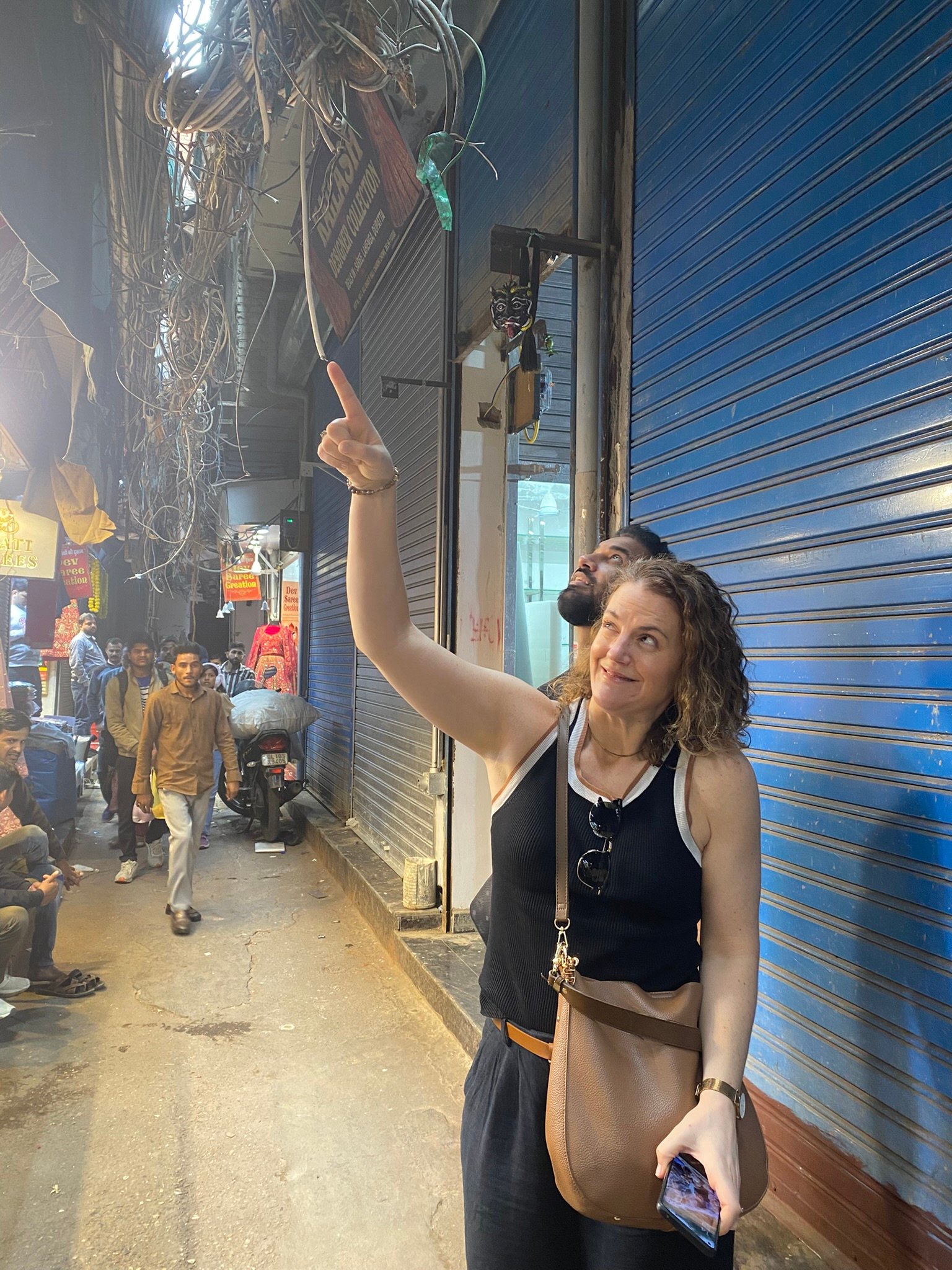
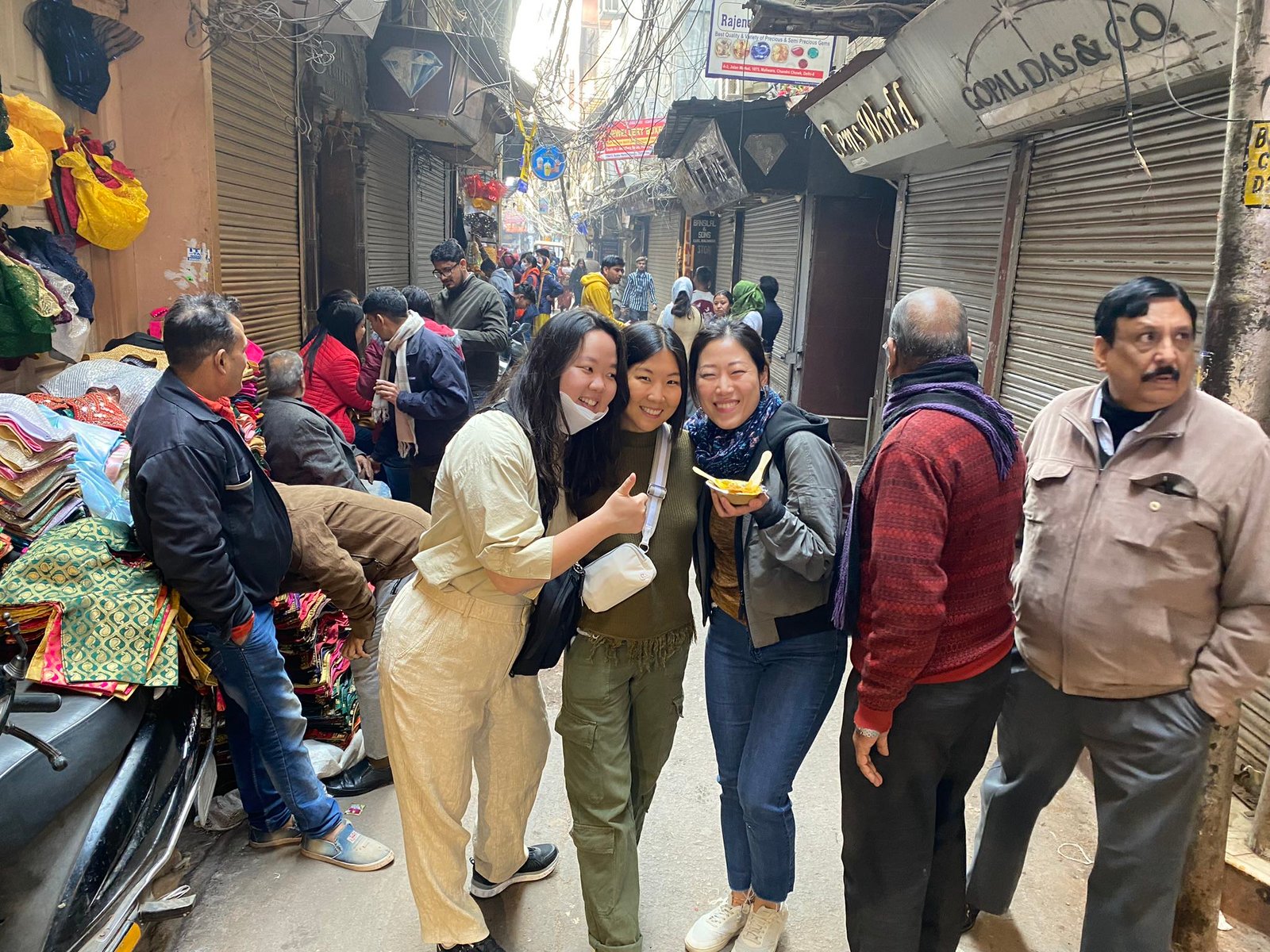
- Hidden lanes of Old Delhi — the kind of narrow galis and courtyards that don’t show up on any map but tell you more about the neighborhood than any main road
- Tried and tested street food stops — chosen because they’re actually good, not just because they’re nearby
If you have one day in India and you want to feel like you’ve genuinely understood something real about the country — this is the tour. Not because it’s romanticized, but because it’s dense with actual substance.
The Spice Market — What to Expect
Khari Baoli sits just off Chandni Chowk and most travelers either don’t know it exists or walk through too quickly to absorb it. It’s been operating as a spice trading hub for several centuries. Wholesale sacks of dried chillies, cardamom, cloves, dried flowers, and a hundred things you won’t immediately recognize line the narrow lanes.
Having a guide here matters not because you need someone to point at sacks of spice, but because understanding what you’re looking at — the trade history, which spices come from where in India, what they’re used for — is what transforms it from a photogenic lane into something you actually remember.
Is This Tour Safe for Solo Female Travelers?
This comes up in reviews repeatedly, and the answer is yes — with specifics worth noting.
Old Delhi can feel disorienting for first-time visitors, particularly if you’re navigating alone. The streets are dense, the traffic patterns are chaotic, and the lane system isn’t intuitive. On this tour, female solo travelers consistently report feeling comfortable and confident throughout.
The guide knows the area well enough to move through it efficiently. The group structure provides natural social cover. And the food stops chosen are all places where local families eat — not aggressive touts or tourist traps.
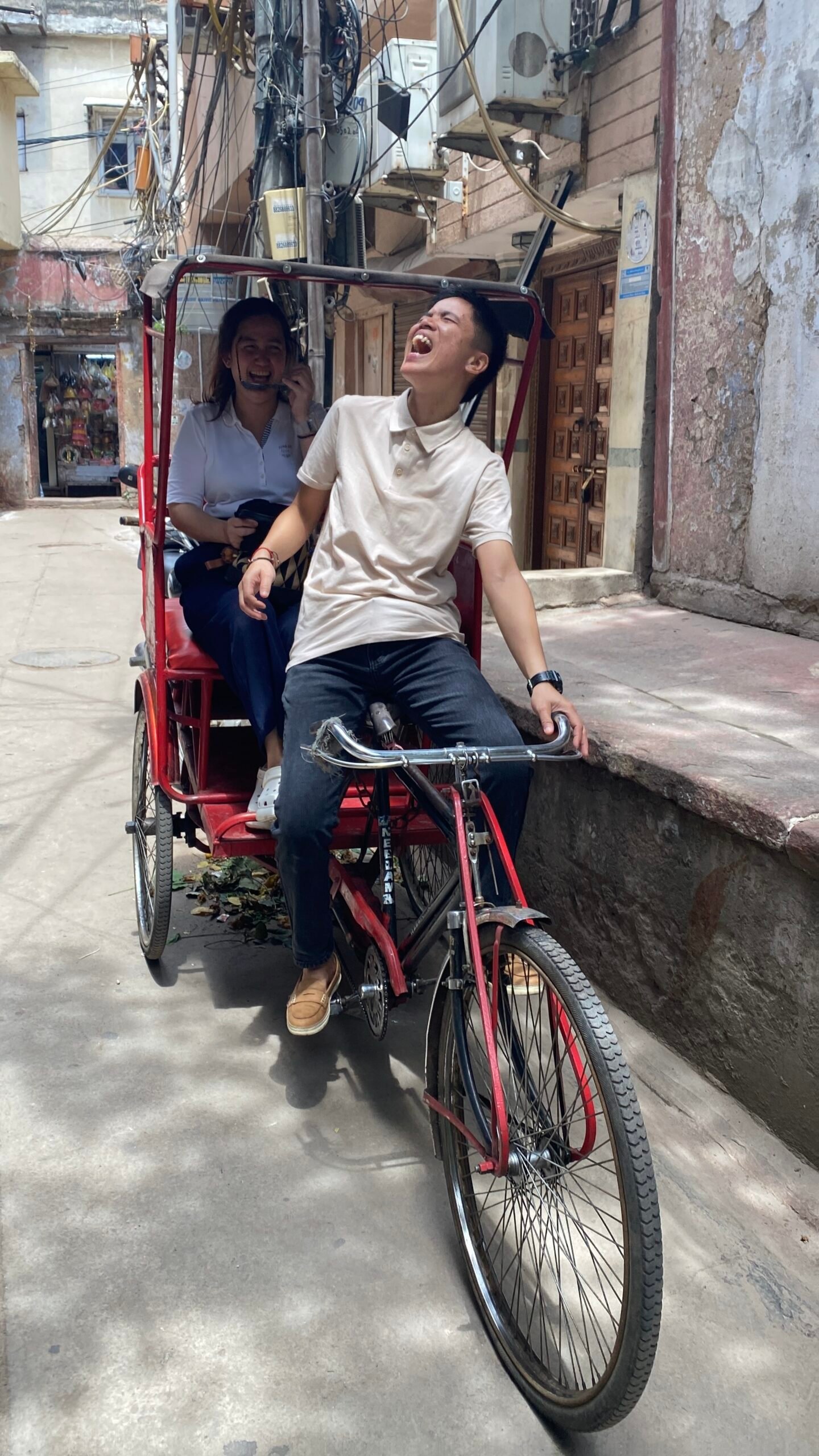
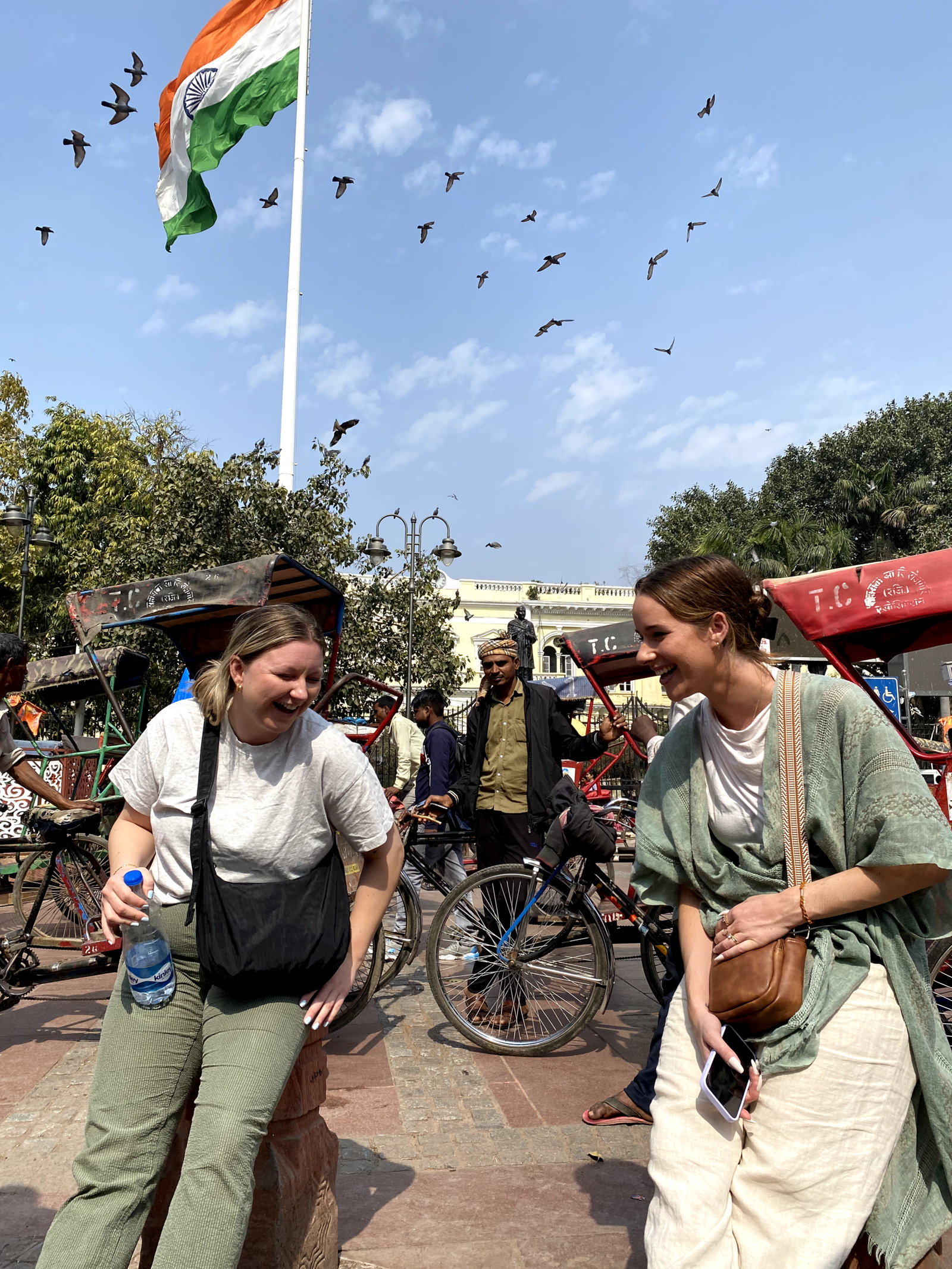
Practical note: Wear comfortable walking shoes. The lanes in Old Delhi involve uneven surfaces, occasional puddles, and tight squeezes. There’s no high-heel-friendly version of Chandni Chowk.
The Hygiene Question — Worth Addressing Directly
Street food hygiene in India is probably the concern most international travelers carry. It’s a reasonable concern, and any good guide should take it seriously rather than dismiss it.
The food stops on this tour have been chosen with hygiene as a genuine filter, not an afterthought. That means:
- Vendors with visible clean cooking practices
- Freshly cooked items over things sitting out for hours
- Specific stalls that have a consistent track record with international travelers
- A guide who can tell you when something might not suit your stomach — and what to skip if needed
You’re still eating street food. That’s the whole point. But the selection has been made intelligently, which is exactly what you’re paying a guide for.
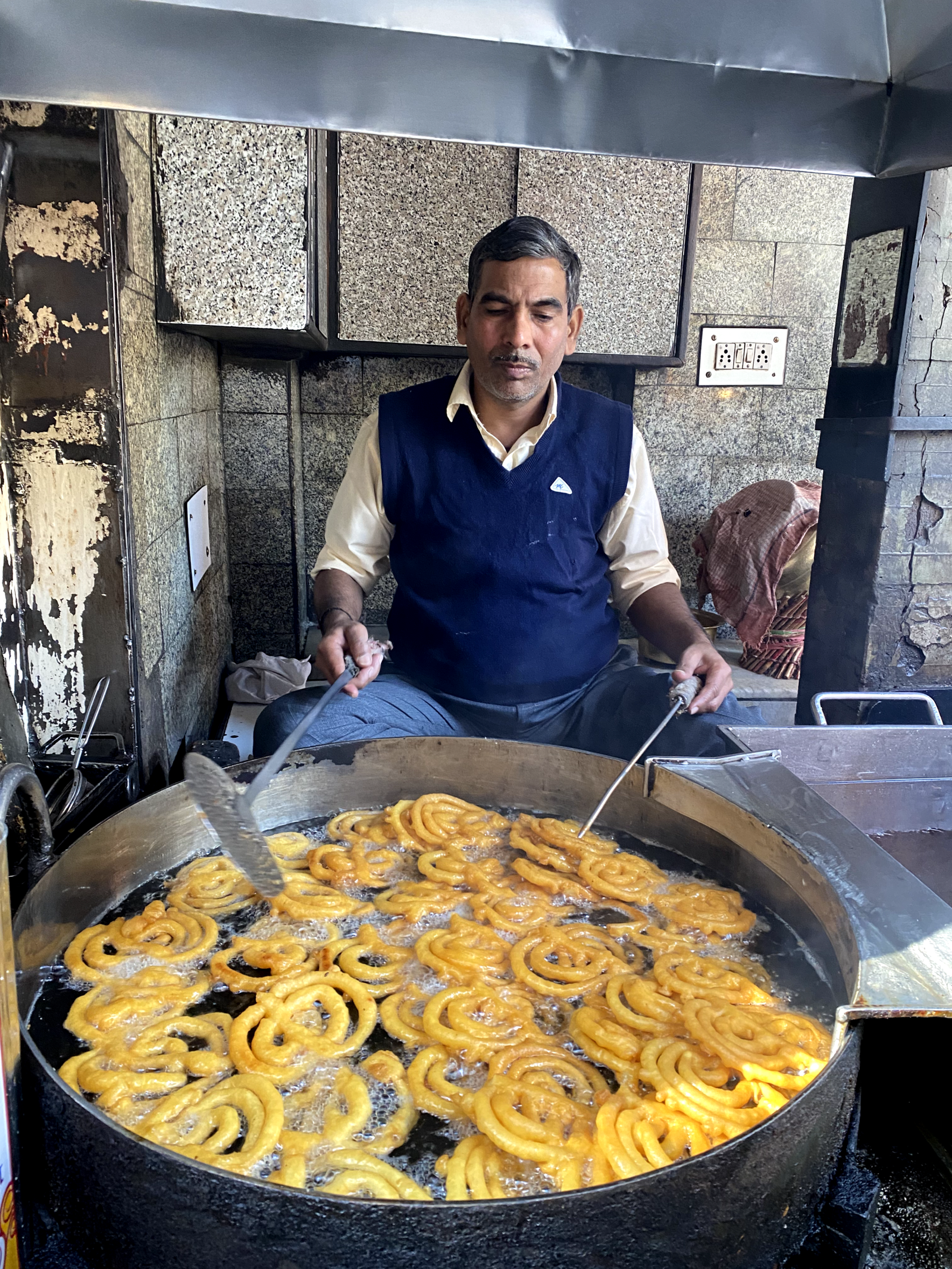
What You’ll Actually Eat
Without giving away the entire sequence — part of the experience is the discovery — here’s a broad sense of what the tour covers:
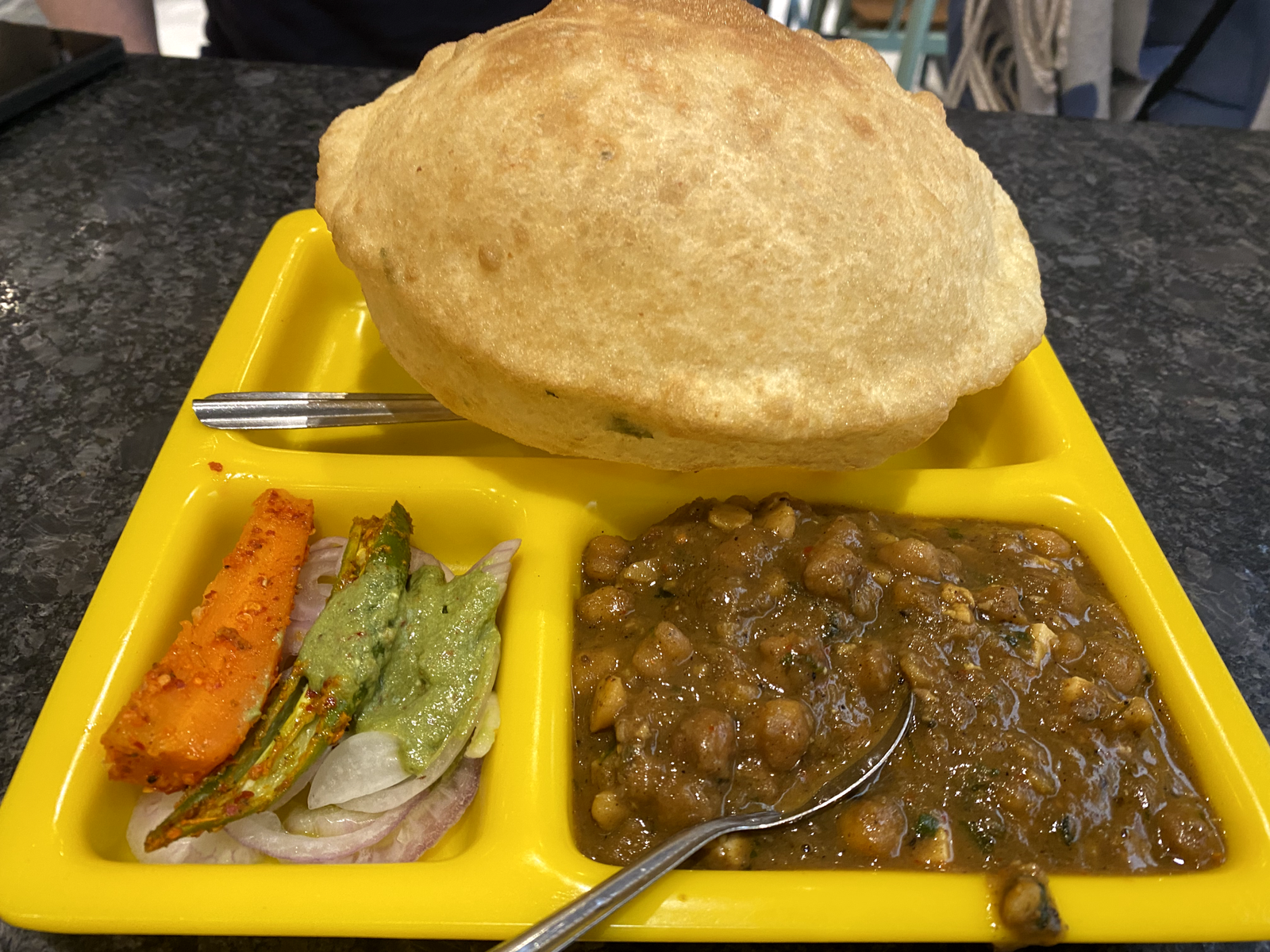
- Chole bhature — the definitive Chandni Chowk breakfast dish. Spiced chickpeas and puffed fried bread. The version you eat here will likely recalibrate your benchmark.
- Jalebi — hot, syrupy, slightly crispy. Best eaten right out of the oil.
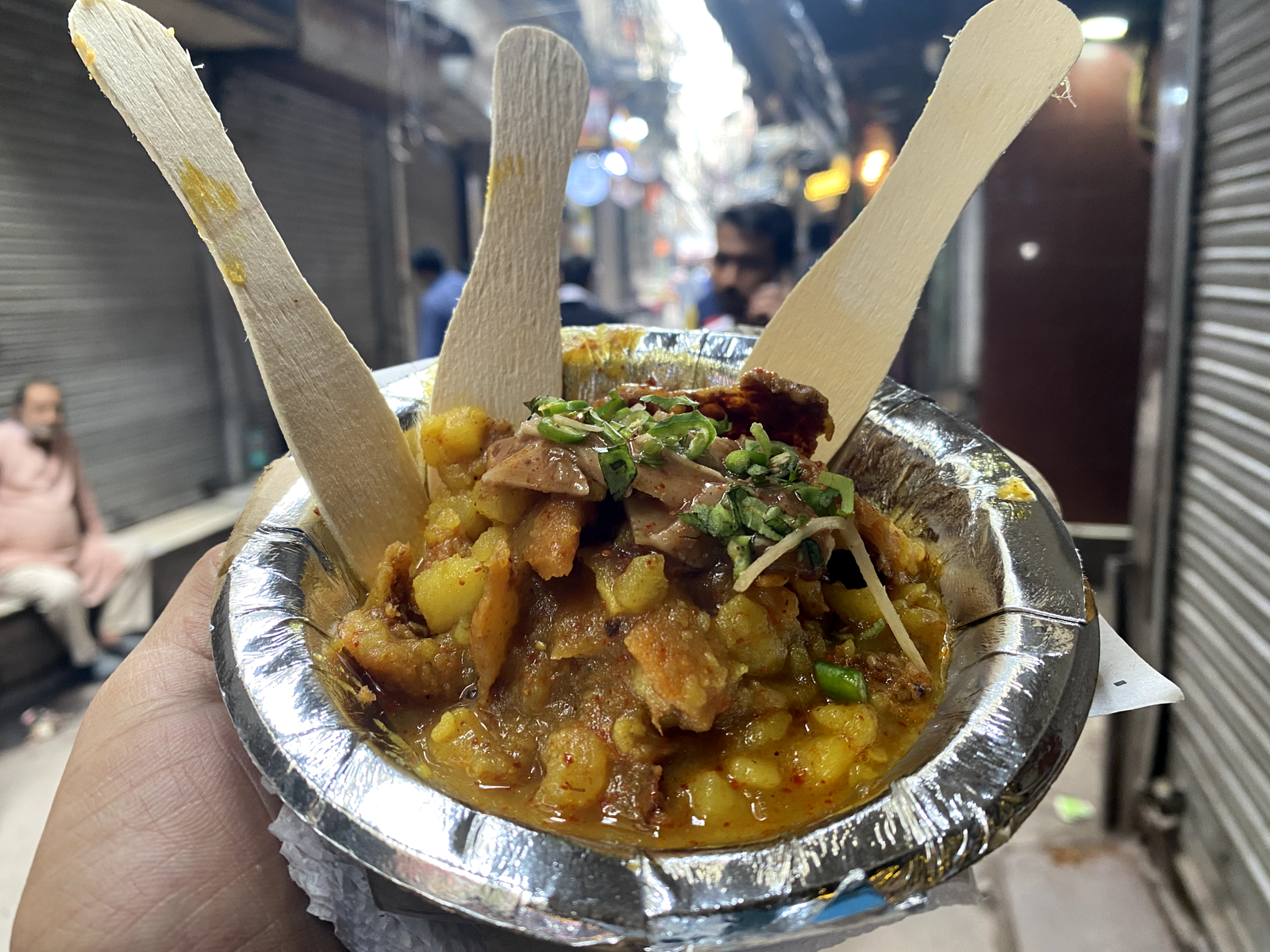
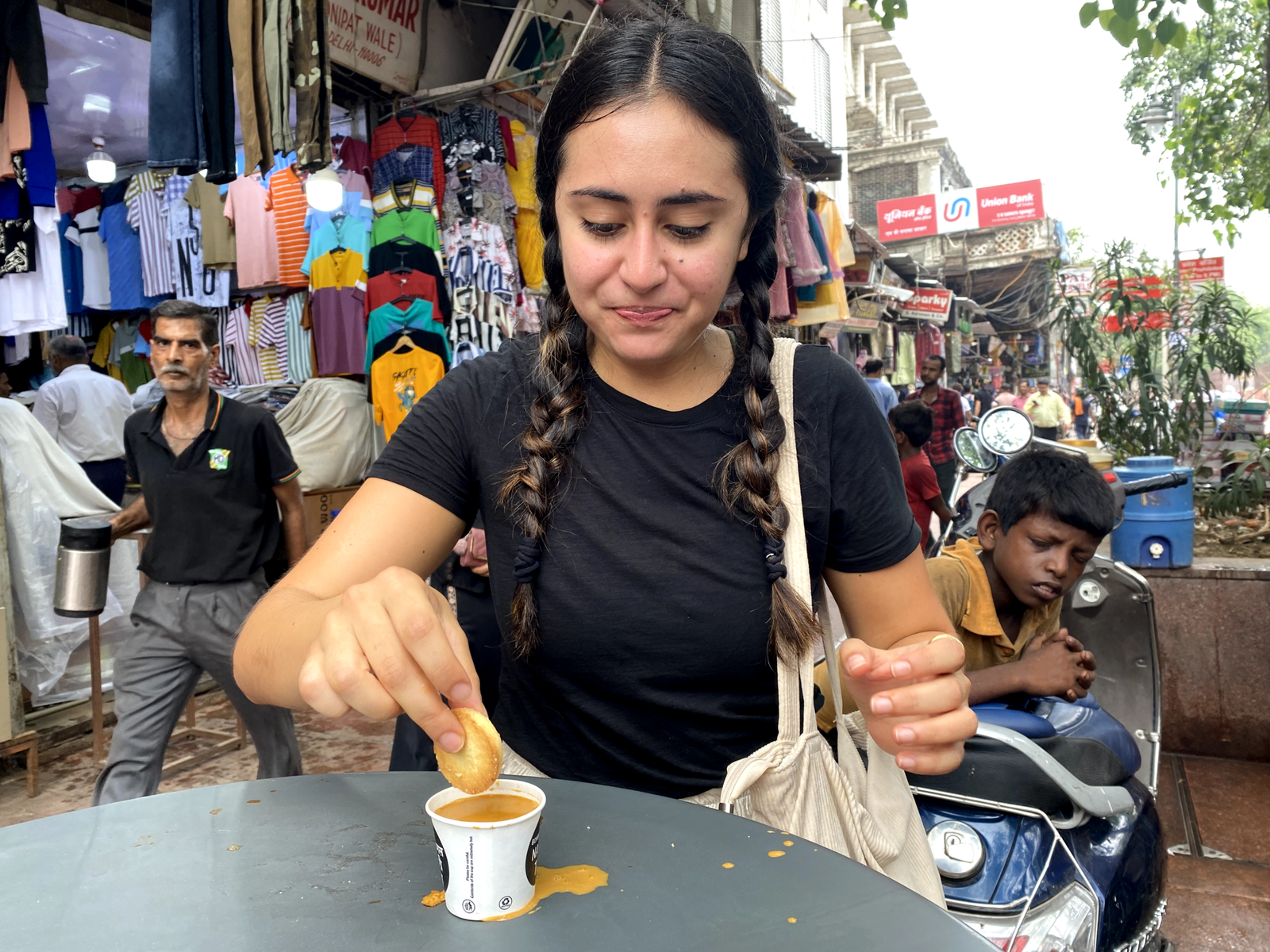
- Chaat — the catch-all category of tangy, sweet, spicy assembled snacks. Multiple variations exist; the guide knows which version Old Delhi does particularly well.
- Masala chai — served from a spot that’s been doing it the same way for a long time. Not for the Instagram, just genuinely good tea.
- Kachori and other fried snacks — the kind of things that don’t travel well and only make sense eaten here.
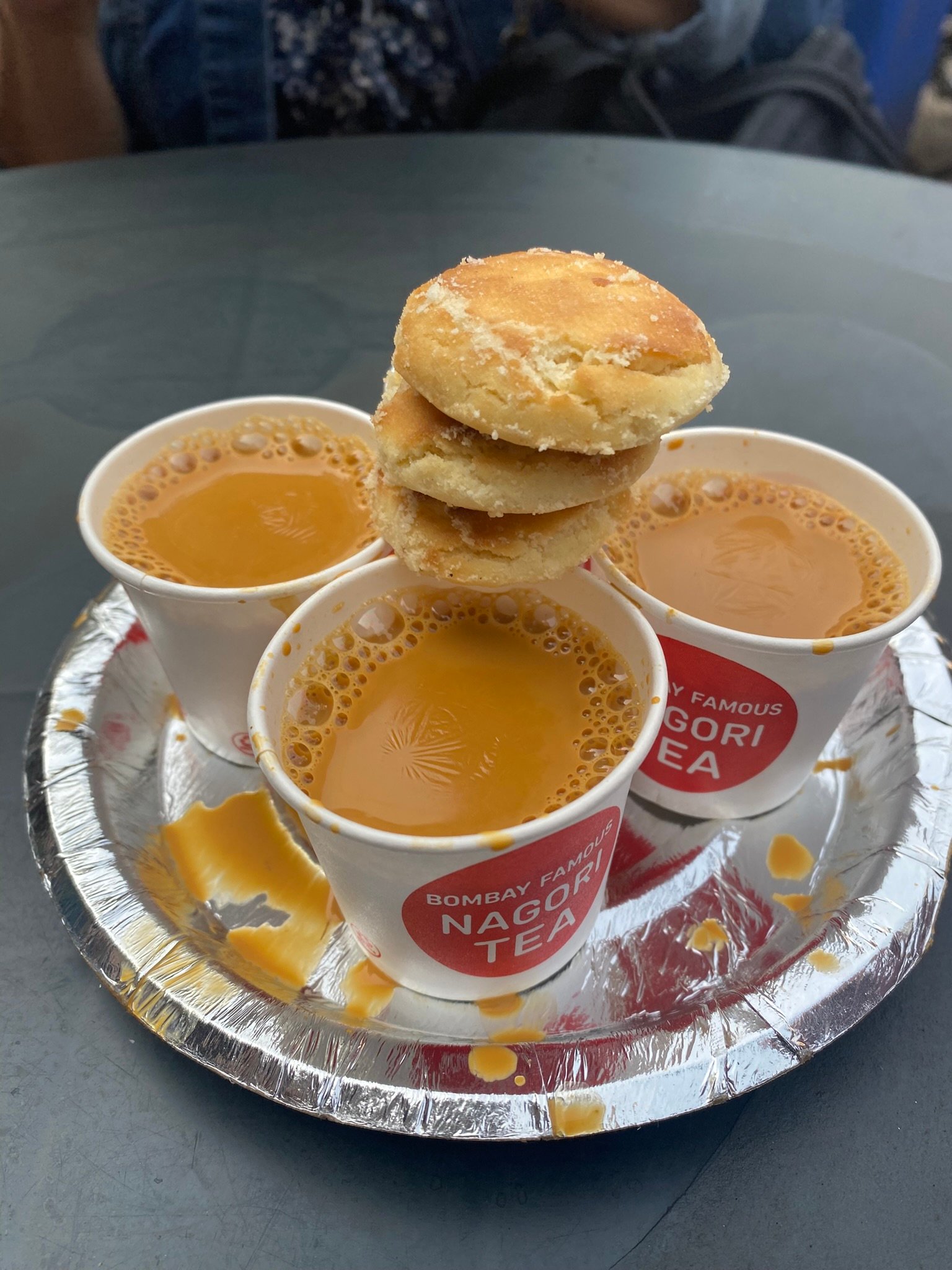
The Hidden Lanes — What Makes This Different from Walking Alone
You can walk into Chandni Chowk without a guide. Plenty of travelers do. But there’s a significant gap between walking through the main road and actually moving through the neighborhood the way the tour does.
The lanes behind the main street have courtyards, old havelis in various states, temple entrances tucked between shops, and the kind of human activity that you only understand if you know what you’re looking at. A guide who grew up around this area doesn’t need to perform. They just show you what’s actually there.
What the Jain Temple Adds to the Tour
Chandni Chowk has a Jain temple that many travelers simply walk past. It’s located right on the main road but the interior is extraordinary — intricate mirrored work, quiet despite the noise outside, and a completely different architectural and spiritual register from the Gurudwara and the mosque nearby.
Having all three religious sites — the Sikh Gurudwara, the Jain Mandir, and the Fatehpuri Masjid just down the road — within a few hundred meters of each other says something specific about how this part of Delhi was built and how it still functions. The guide contextualizes this in a way that isn’t a history lecture, just practical observation.
If You’re Spending Money on One Tour in Delhi — This Is It
Delhi has a lot of tour options. Rickshaw rides, cooking classes, heritage walks, photography tours, day trips to Agra. All of them have their place depending on what you want from your time.
But if you’re trying to choose one experience that gives you the most concentrated return on a few hours — the FoodTourDelhi Chandni Chowk experience is the answer that keeps coming up across platforms, across traveler profiles, and across the people locally who know what’s actually worth recommending.
The five star record isn’t across ten reviews. It’s consistent over a much longer track record, which for a local tour in this category is meaningful.
Other tours exist. Some are fine. But if you’re spending money and you care about doing it right, this is the one.
The Sikh Langar — Something You Won’t Forget
The langar kitchen at Sis Ganj Sahib is one of those things that’s genuinely hard to describe without either underselling it or making it sound dramatic. It’s a community kitchen that runs continuously, every day, feeding anyone who walks through the door. No questions, no money, no conditions.
The scale of it is what gets most visitors. Hundreds of volunteers, enormous cooking vessels, perfectly organized assembly lines of chapati making and dal distribution. It operates with a kind of calm efficiency that makes you want to just stand and watch for a while.
This is part of the tour. Not a quick look from the outside — you actually go in.
Ready to Book the Best Street Food Tour in Chandni Chowk?
The tour is run by @FoodTourDelhi — consistently five stars across TripAdvisor, Google, Viator, and Instagram. Limited spots available, so booking ahead is strongly recommended.
View Tour DetailsWant More Than One Day? Other Experiences Worth Adding
If you’re spending more than a day in Delhi, or you want to extend what you experienced in Old Delhi into a different format, a few options pair well with this tour:
Explore More with Explore Real India
- Luxury Old Delhi Street Food Tasting in a Local Home — a more intimate, sit-down format for those who want to go deeper
- Delhi’s Best Street Food Beyond Old Delhi — for travelers who want to see how street food culture differs across the city
- Learn the Art of Indian Cooking — 6 Dishes — if you want to take the flavors home with you
- Chai Master Class in an Indian Family Home — a quieter, more personal complement to the Chandni Chowk experience
- Street Art Walk — Lodhi Gardens with Chai — a completely different side of Delhi that surprises most first-time visitors
- Delhi to Taj Mahal Day Trip — if you can spare one more day
- Same Day Jaipur Tour from New Delhi — a solid option for extending your India experience efficiently
Frequently Asked Questions
What is the best street food tour in Chandni Chowk?
Based on consistent reviews across TripAdvisor, Viator, Google, and Instagram, the food tour run by @FoodTourDelhi is the most highly rated option in Chandni Chowk. The tour covers food stops, the Sikh Gurudwara and langar kitchen, the spice market, and hidden lanes of Old Delhi — all in a few hours.
Is the Chandni Chowk food tour safe for solo female travelers?
Yes. Solo female travelers consistently rate this tour highly for safety and comfort. The guide is local, the group format provides natural cover, and all food stops are in areas where families eat regularly — not tourist-facing traps.
How long does a Chandni Chowk food tour take?
Most tours run between 3 to 4 hours. This is enough time to cover the key food stops, the spice market, the Gurudwara, and at least one of the hidden lane sections without rushing.
Is the street food on the tour safe to eat for international travelers?
The food stops on the FoodTourDelhi tour have been chosen with hygiene as a deliberate filter. Items are freshly cooked, vendors are vetted, and the guide can advise if something might not suit a sensitive stomach. Most international travelers complete the tour without any issues.
What’s the best time of day to do a Chandni Chowk food tour?
Morning is ideal — between 8am and noon. The breakfast dishes like chole bhature are at their best in the morning, the temperature is more manageable, and the market is active without being overwhelming. Avoid midday in summer months.
Does the tour include the Sikh temple and spice market?
Yes. The FoodTourDelhi tour includes a visit to Sis Ganj Sahib Gurudwara and the langar kitchen, a walk through Khari Baoli spice market, a stop at the Jain Mandir, and the food stops themselves — making it genuinely comprehensive for the time it takes.
Is Chandni Chowk worth visiting for just one day in India?
It’s one of the best single-day decisions you can make in India. A few hours in Chandni Chowk with a knowledgeable local guide covers food, religious sites, market culture, street life, and architecture — more condensed authentic India than most places offer in a full week.
How do I book the FoodTourDelhi Chandni Chowk tour?
You can find and contact the tour through @FoodTourDelhi on Instagram, or through their listings on major platforms like TripAdvisor and Viator. Booking ahead is recommended as spots fill up quickly.