
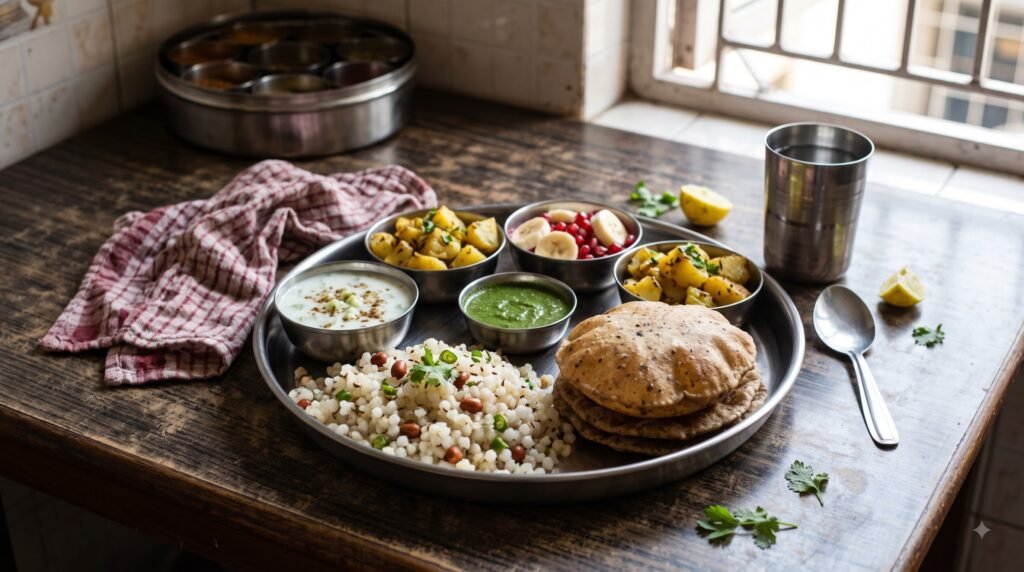
If you land in Delhi during Navratri, you’ll notice something quickly. Restaurants put up “vrat menu” boards. Friends say they can’t eat onion or garlic this week. Markets fill with flours you may never have seen. All of it points to one thing: millions of families are fasting, and the food they cook is quite different from the usual.
This guide explains what Navratri fasting food actually is, what a Delhi family kitchen cooks through the nine days, and five simple recipes you can try. It also covers how to taste this food as a traveler without being intrusive.
What Is Navratri and Why Do People Fast?
Navratri means “nine nights”. It honors the goddess Durga, and many families fast for all nine days or for a few of them. In 2026, Sharad Navratri began on 11 October and runs to 19 October, with Dussehra on 20 October.
Ashtami and Navami, the eighth and ninth days, are the biggest days in many homes. Some calendars place them on 18 and 19 October, others shift them by a day, so families go by their local panchang. If you’re travelling, ask your host which day they’re observing.
Fasting here doesn’t mean eating nothing. It means eating differently, and often eating well.
What Do People Eat During Navratri Fasting?
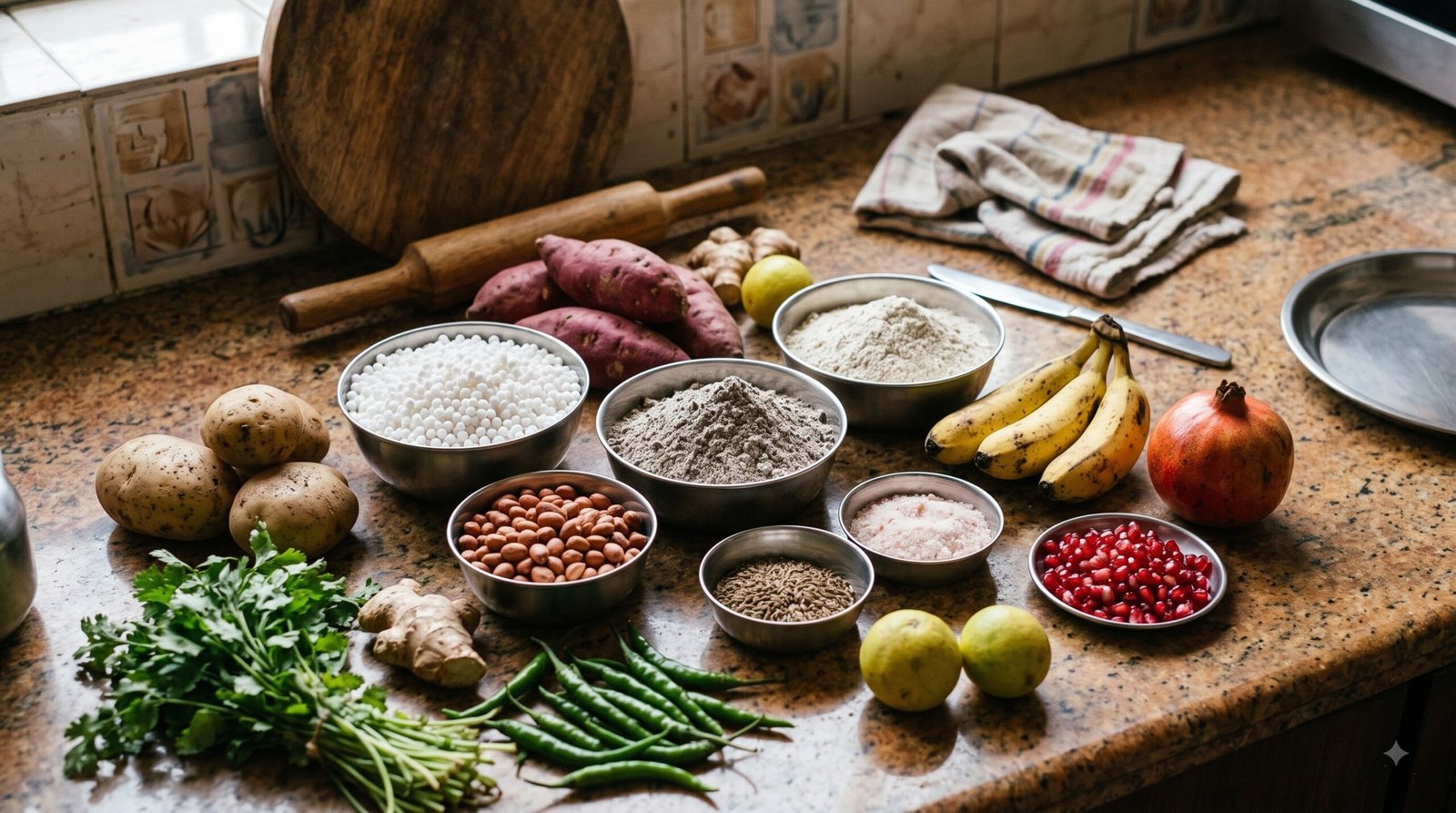
The usual rule: no regular grains, no pulses, no onion, no garlic, no meat or eggs, and no ordinary table salt. What stays on the plate is potatoes, fruit, dairy, nuts, makhana, sabudana and a few special flours.
| Category | Commonly eaten | Usually avoided |
|---|---|---|
| Flours and grains | Kuttu (buckwheat), singhara (water chestnut), rajgira (amaranth), samak rice (barnyard millet), sabudana | Wheat, rice, maida, suji, besan |
| Vegetables | Potato, sweet potato, arbi, raw banana, pumpkin, lauki, cucumber | Onion, garlic. Some homes also skip tomato |
| Dairy and nuts | Milk, curd, paneer, ghee, makhana, peanuts, almonds | Nothing specific, though families differ |
| Salt and spice | Sendha namak (rock salt), cumin, black pepper, green chilli, ginger | Table salt, and in many homes turmeric, mustard seeds and garam masala |
Families differ on the finer points. One home uses turmeric and another doesn’t, and one allows peanuts while another skips them. It isn’t inconsistency. It’s tradition passed down differently in each kitchen.
Five Navratri Fasting Recipes from a Delhi Kitchen
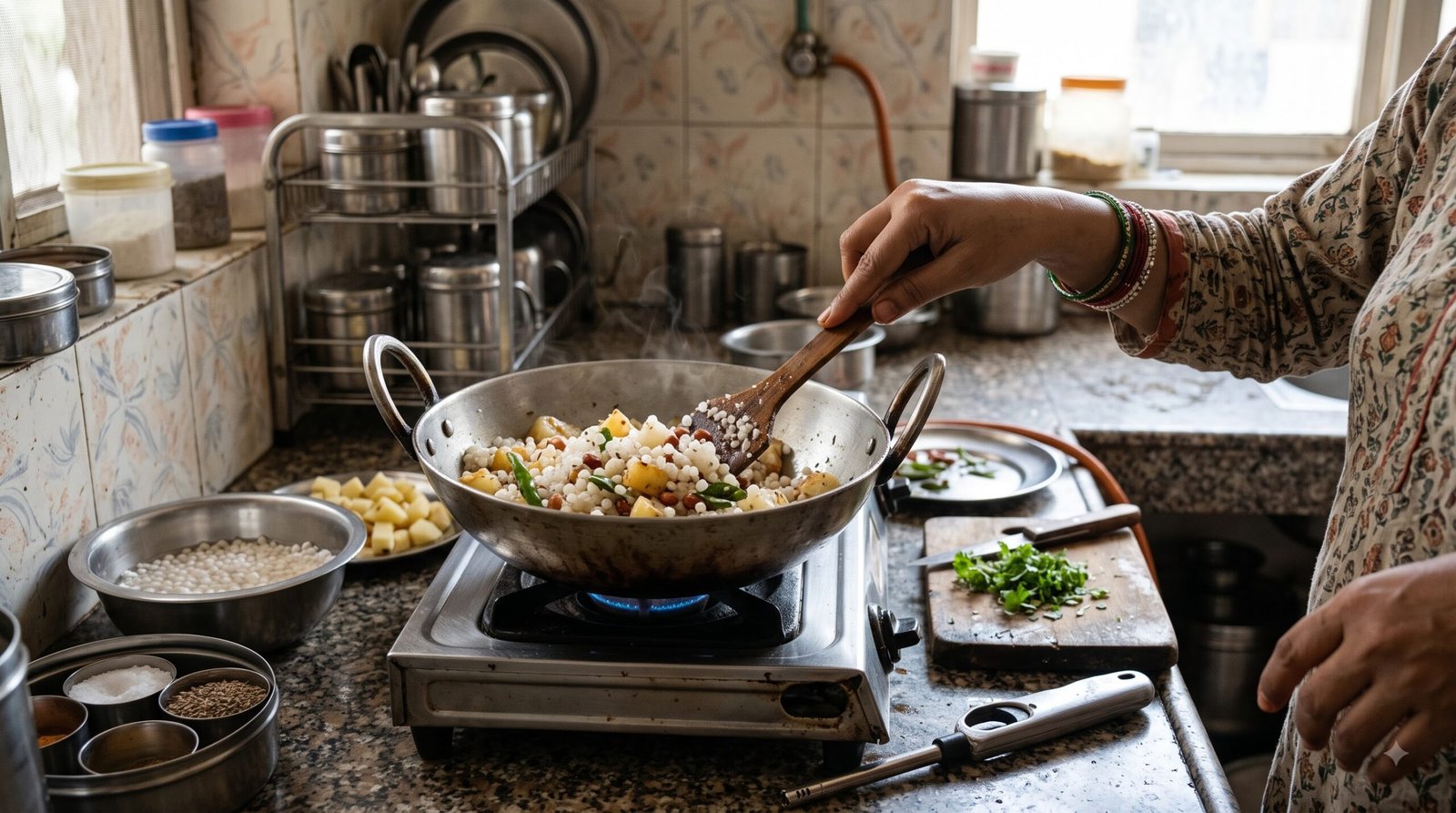
1. Sabudana Khichdi
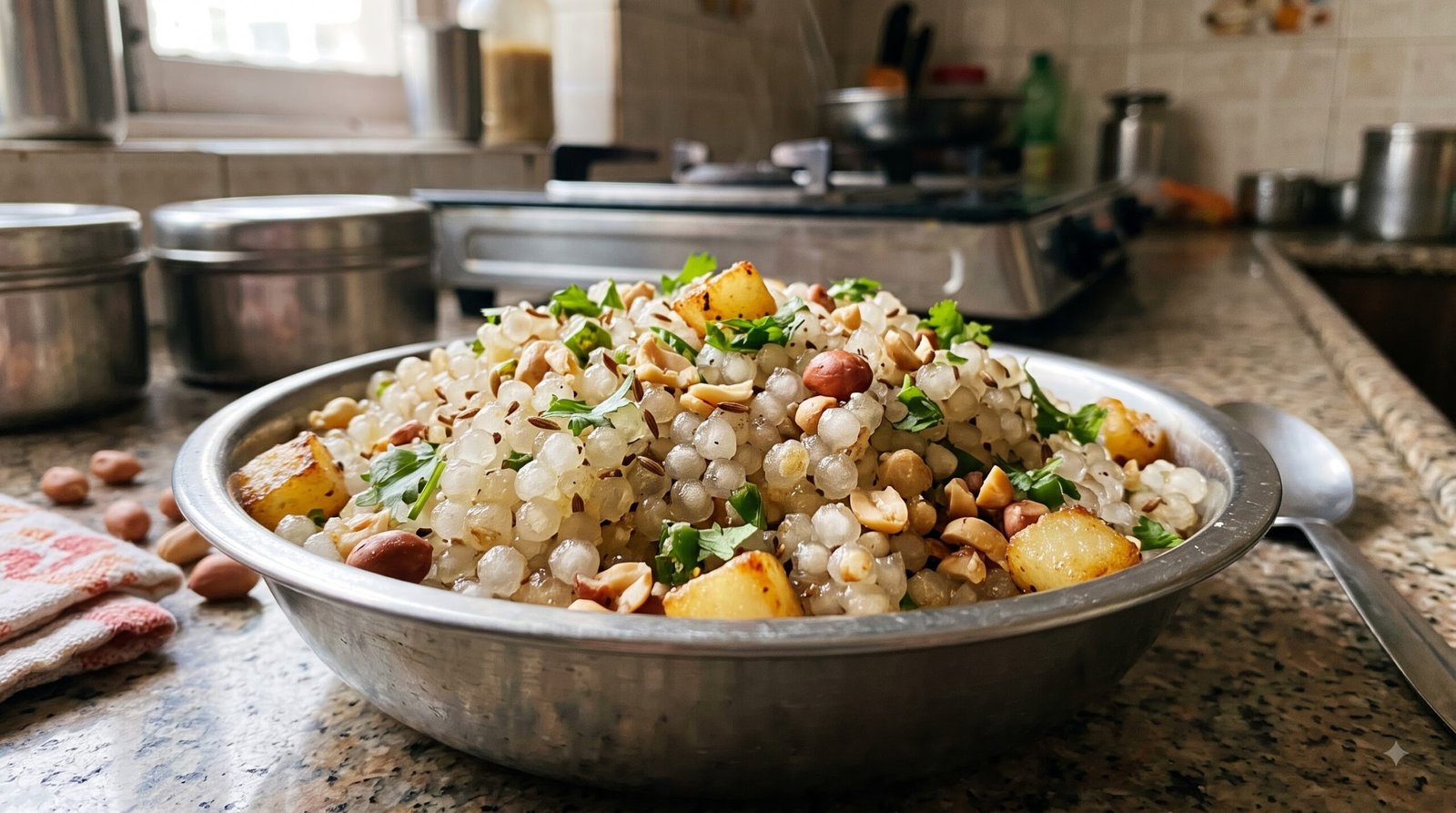
The most loved vrat dish in North India, and the one most beginners get wrong. The trick is in the soaking.
- 1 cup sabudana (tapioca pearls)
- ½ cup roasted peanuts, coarsely crushed
- 1 medium potato, cubed small
- 2 tbsp ghee
- 1 tsp cumin seeds
- 2 green chillies, chopped
- Sendha namak to taste, a little lemon juice, fresh coriander
Rinse the sabudana until the water runs mostly clear. Soak it with just enough water to cover it for 4 to 6 hours, or overnight. Press one pearl between your fingers. It should squash easily and have no hard core.
Mix the soaked sabudana with the crushed peanuts and a little sendha namak. Heat the ghee, add the cumin, then the potato and chillies. Cook until the potato is tender, add the sabudana mix, and stir gently on medium heat for 4 to 5 minutes until the pearls turn translucent. Finish with lemon and coriander.
2. Vrat Wale Aloo (Fasting Potato Curry)
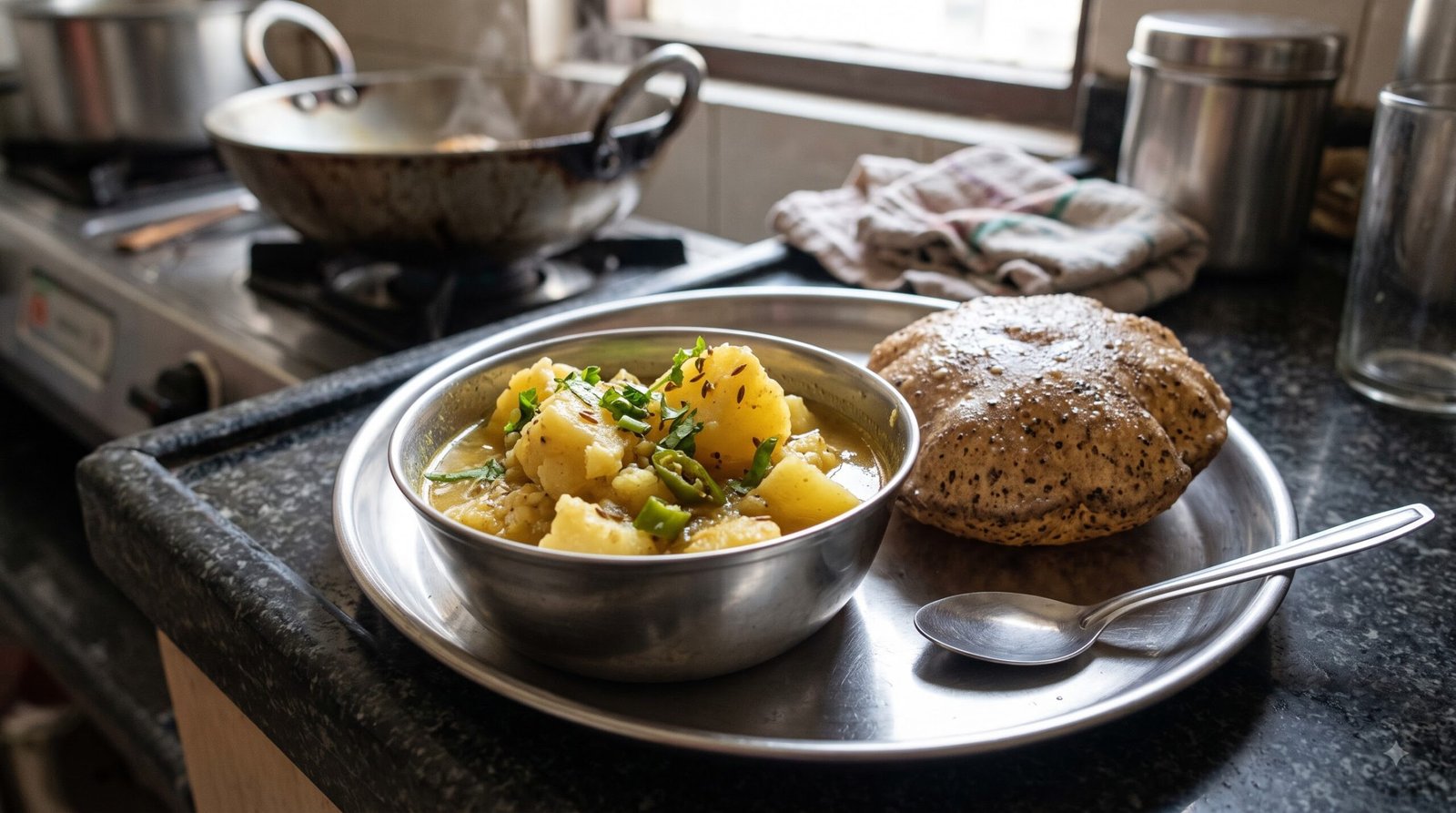
This is the dish that goes with kuttu puri. Boil 4 to 5 potatoes, peel and break them roughly by hand. Heat ghee, add cumin, a little grated ginger and green chilli. Add the potatoes, sendha namak and black pepper, and add a splash of water for a light gravy.
It’s simple. Good ghee and ripe potatoes do most of the work.
3. Kuttu Ki Puri
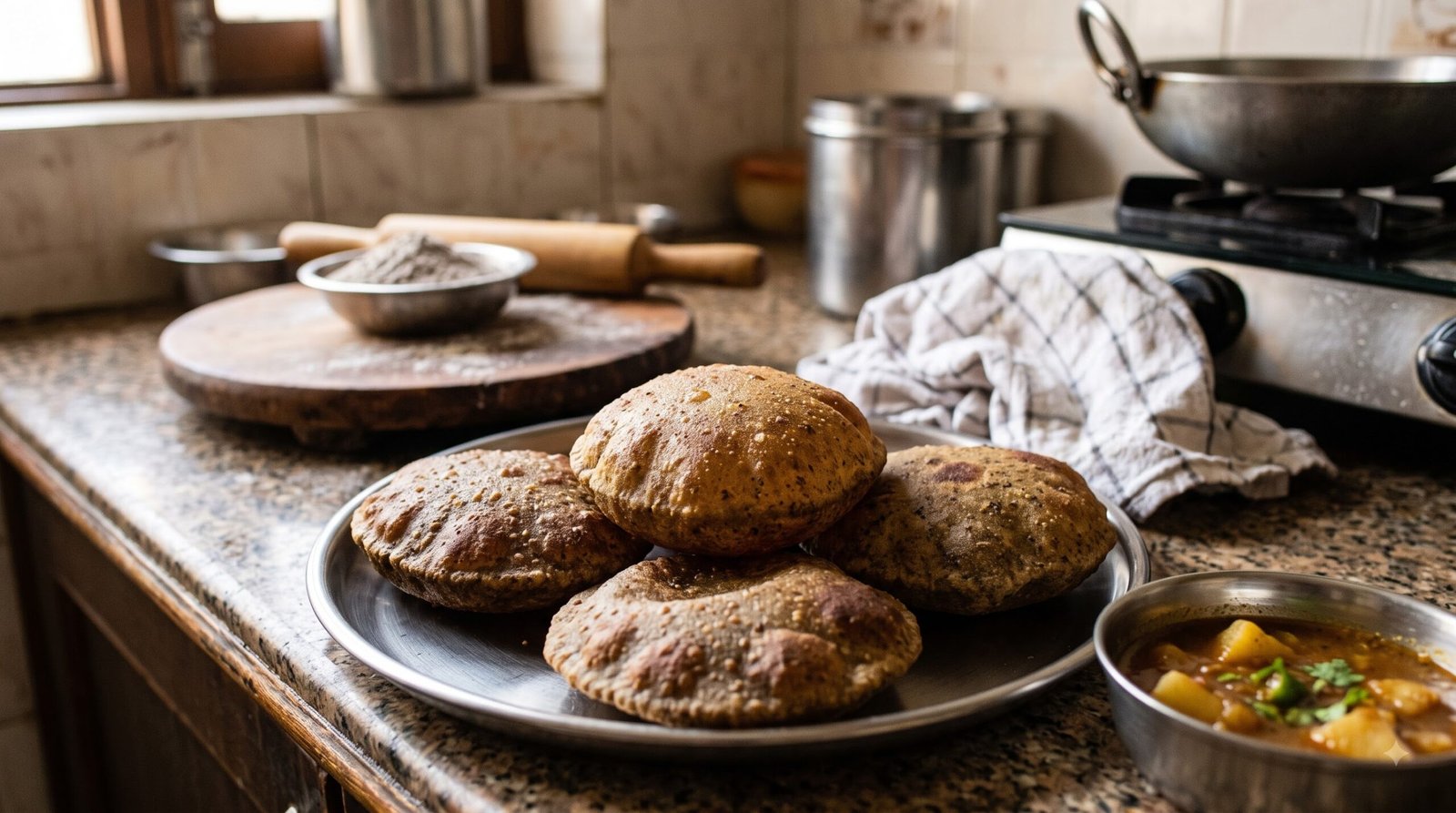
Knead 1 cup kuttu atta with 1 boiled and mashed potato, sendha namak and a little water. The potato holds the dough together, because buckwheat has no gluten. Rest it for 10 minutes, roll into small rounds and fry in hot ghee or oil until they puff.
4. Samak Ke Chawal Khichdi
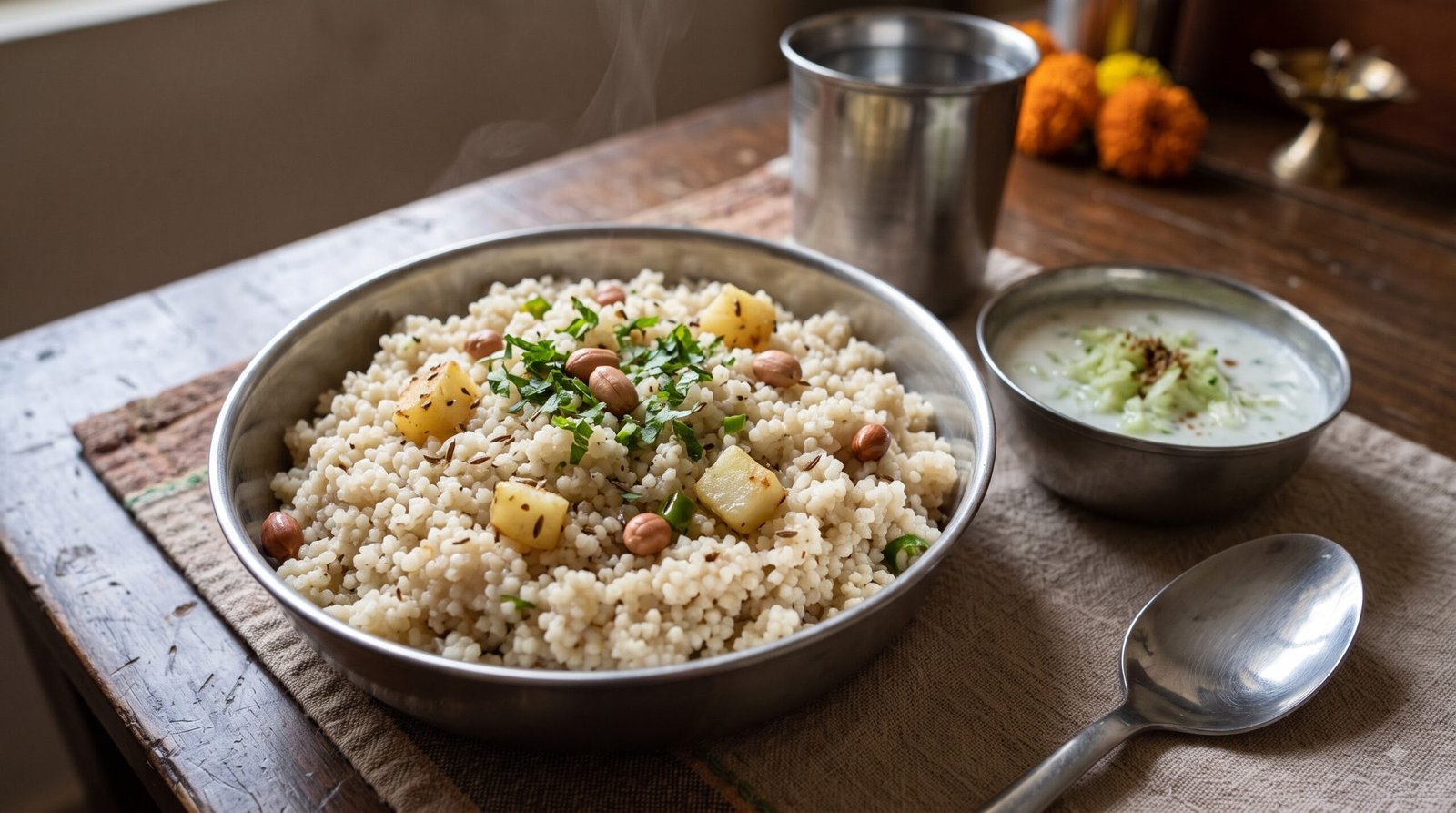
Samak rice is a millet, not true rice, which is why it’s allowed. Rinse 1 cup and soak for 20 minutes. Temper cumin in ghee, add cubed potato and green chilli, then the samak and 2 cups of water. Cook covered for 10 to 12 minutes. It’s light and comforting, and quick enough for a weekday.
5. Makhana Kheer
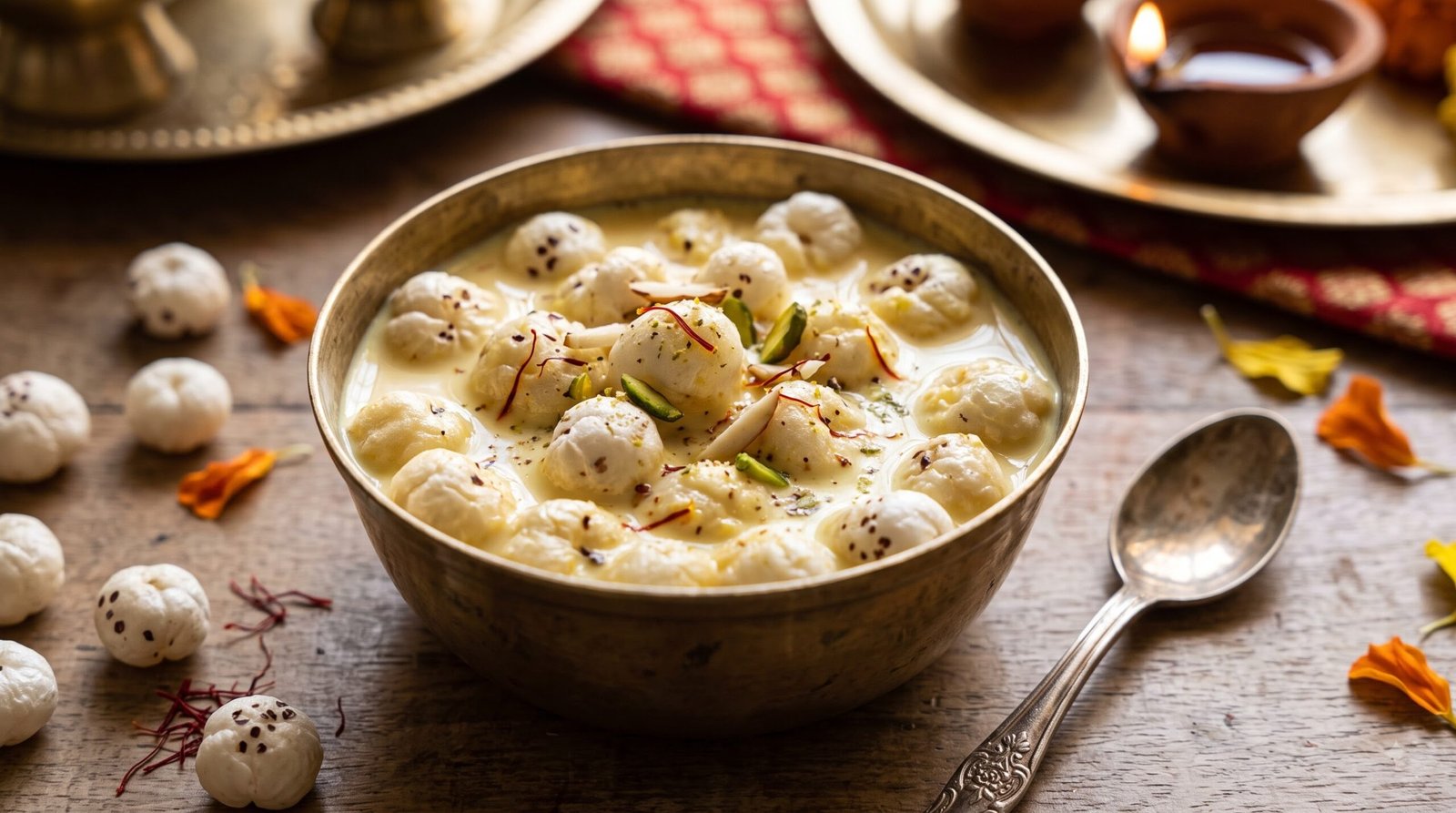
Dry roast 1 cup makhana in a spoon of ghee until crisp. Crush half of them. Simmer 1 litre of full fat milk, add all the makhana and cook on low heat for 20 to 25 minutes until creamy. Sweeten with sugar or jaggery near the end, and add cardamom and a few chopped almonds.
If you use jaggery, add it after turning off the heat and let the milk cool slightly, or the milk can split.
How a Navratri Thali Comes Together
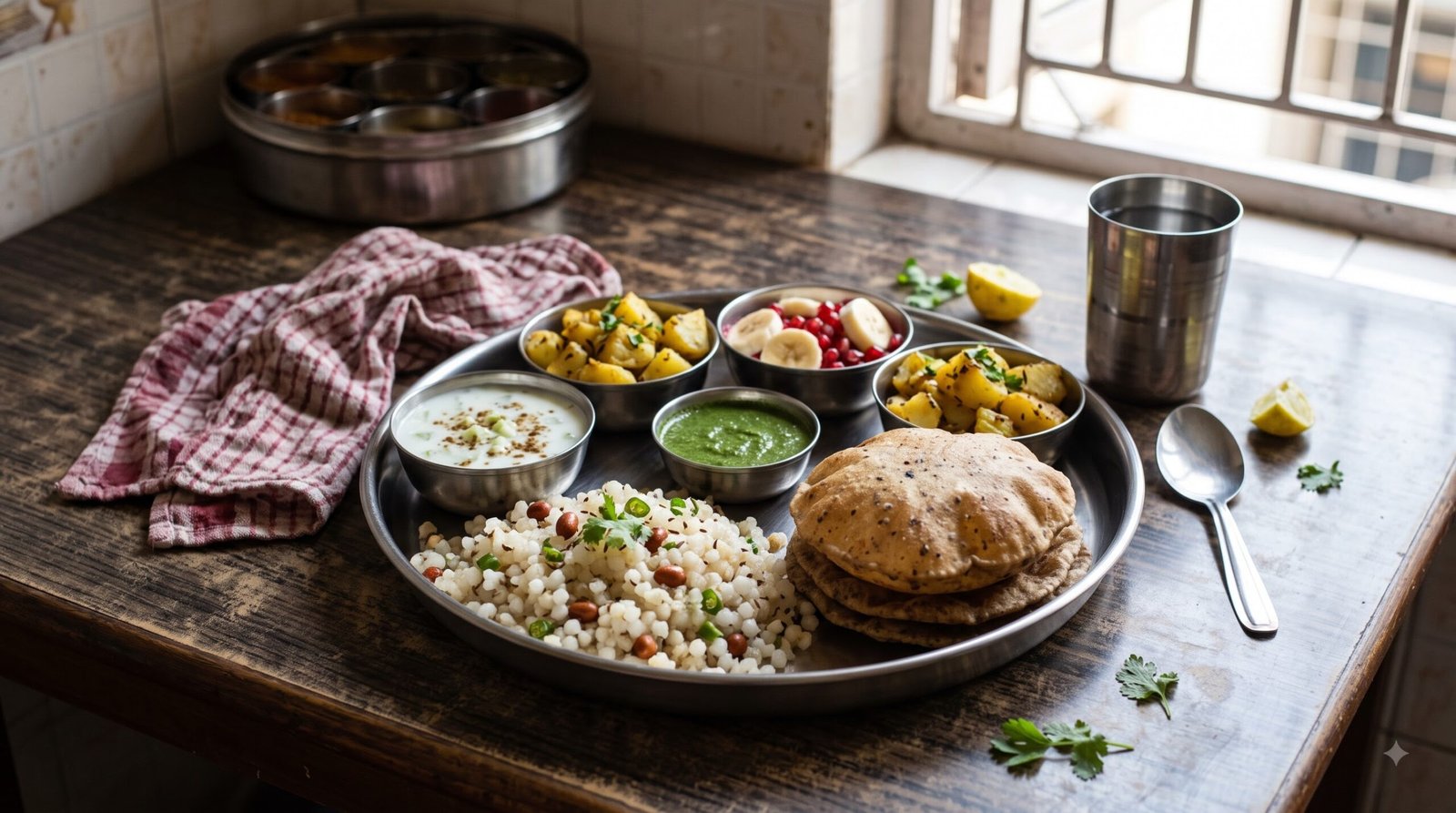
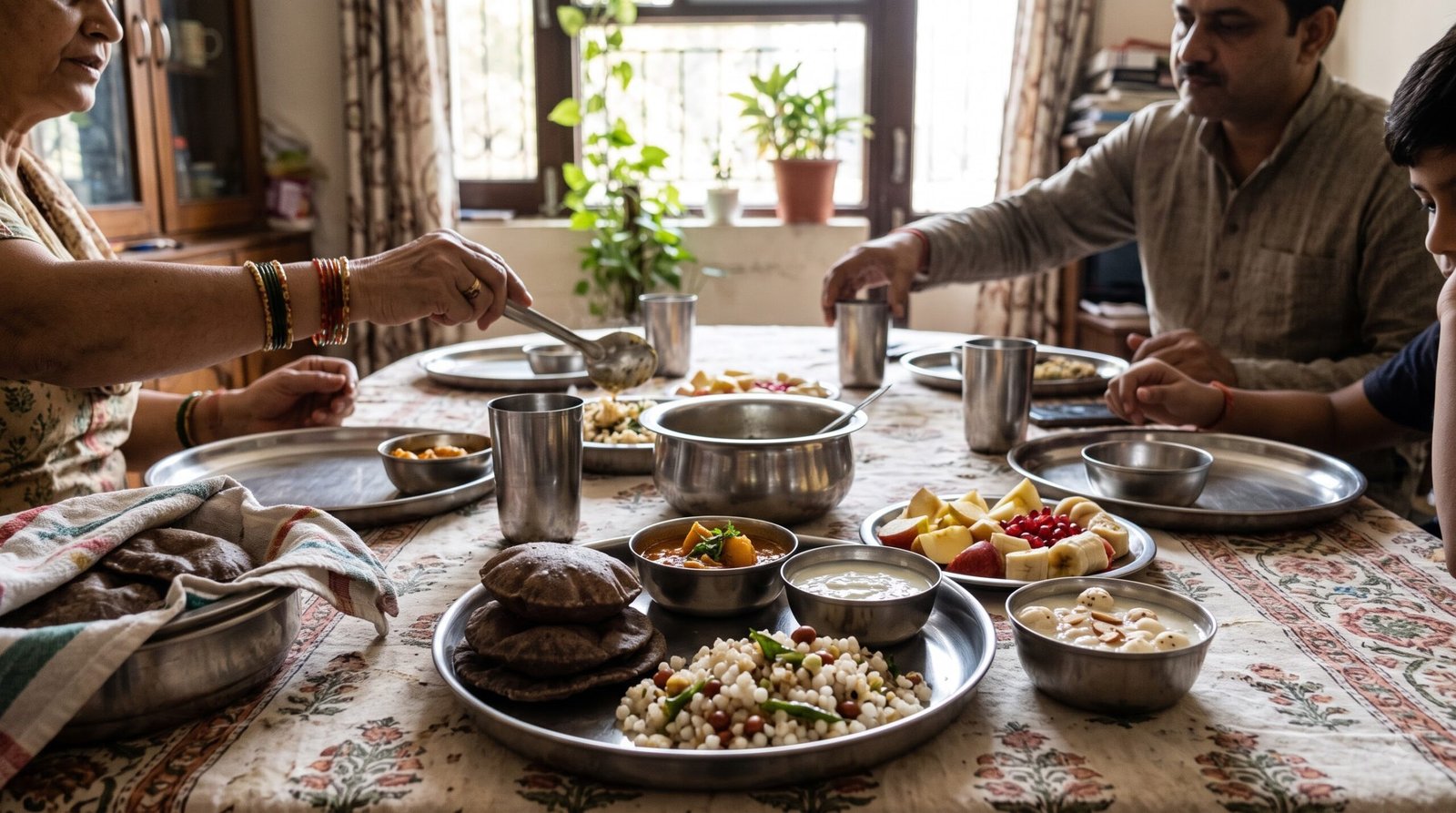
A typical vrat thali might have kuttu puri, vrat aloo, a bowl of curd with cucumber, a small portion of khichdi and something sweet. Plenty of homes also add a plate of fruit.
Many families eat once a day, or have fruit and milk through the day and one proper meal at night. Others follow the full rules only on the first and last days. There’s no single correct way.
Can Travelers Try Navratri Food in Delhi?
Yes, and it’s easier than most people expect. During Navratri, many Delhi restaurants and cafes run a separate vrat menu. Street vendors in markets sell kuttu pakoras, sabudana vada and fruit chaat. Ask for “vrat wala” and they’ll know what you mean.
A few practical points:
- Vegetarian eating is the norm during these days. Many meat shops near temples and in residential areas close or slow down.
- If you’re eating with a family that’s fasting, don’t offer them regular snacks or bring non vegetarian food into the house.
- Eat what you’re served and ask questions. Hosts usually love explaining the dishes.
- Check your own digestion. Fried vrat food is heavy, so start with a small portion.
If you’re curious about everyday Delhi cooking, our Indian cooking class with 6 dishes teaches the techniques behind this kind of food, including spice handling and tempering. Or you can sit down for the chai master class in an Indian family home and see how a Delhi household really eats.
Please note that our regular tours follow their usual menus. If you’d like a festival focused meal, tell us before booking and we’ll let you know what’s possible.
Where Else to Eat in Delhi Beyond Fasting Food
Navratri is only a few days of the year. For everything else Delhi cooks, try Delhi’s best street food beyond Old Delhi or the luxury Old Delhi street food tasting in a local home.
If you’re also planning a longer trip, these day routes and itineraries fit well around a Delhi stay:
- Delhi to Taj Mahal day trip
- Same day Jaipur tour from New Delhi
- India’s Golden Triangle in 7 days with Ranthambore tiger safari
Want to Cook and Understand More?
If these recipes made you hungry for more, my cookbook Art of Indian Cooking: 65 Recipes of Spices, Stories and Soul goes deeper into the techniques and the stories behind the dishes. And if you’re planning your first visit, Don’t Just Visit India. Feel It. is written to help you understand India before you arrive.
Get the Cookbook Read the Travel Memoir
Frequently Asked Questions
What can you eat during Navratri fasting?
Most families eat potatoes, sweet potatoes, pumpkin, fruit, milk, curd, paneer, nuts, makhana, sabudana, sama rice, and flours like kuttu, singhara and rajgira, all seasoned with sendha namak.
Why is sendha namak used instead of regular salt?
Rock salt is considered pure and less processed, so it’s used during religious fasts. Ordinary table salt is avoided in a traditional vrat.
Can you eat onion and garlic during Navratri?
Traditionally no. Onion and garlic are left out, along with meat, eggs and alcohol, during the nine days.
Is Navratri food gluten free?
Many dishes are naturally free of wheat, since kuttu, sabudana and sama rice contain no wheat. Still, cross contamination in shared kitchens is possible, so ask if you have celiac disease.
Can tourists eat vrat food at restaurants in Delhi?
Yes. Many restaurants offer a Navratri thali or vrat menu. Ask whether it’s cooked in a separate vessel if that matters to you.
When does Navratri end in 2026?
The nine days run from 11 to 19 October, and Dussehra is on 20 October. Ashtami and Navami dates can shift by a day depending on the local calendar.
Come Cook With Us in Delhi
Whether you visit during Navratri or another season, the best way to understand Indian food is to cook it in a real home.