
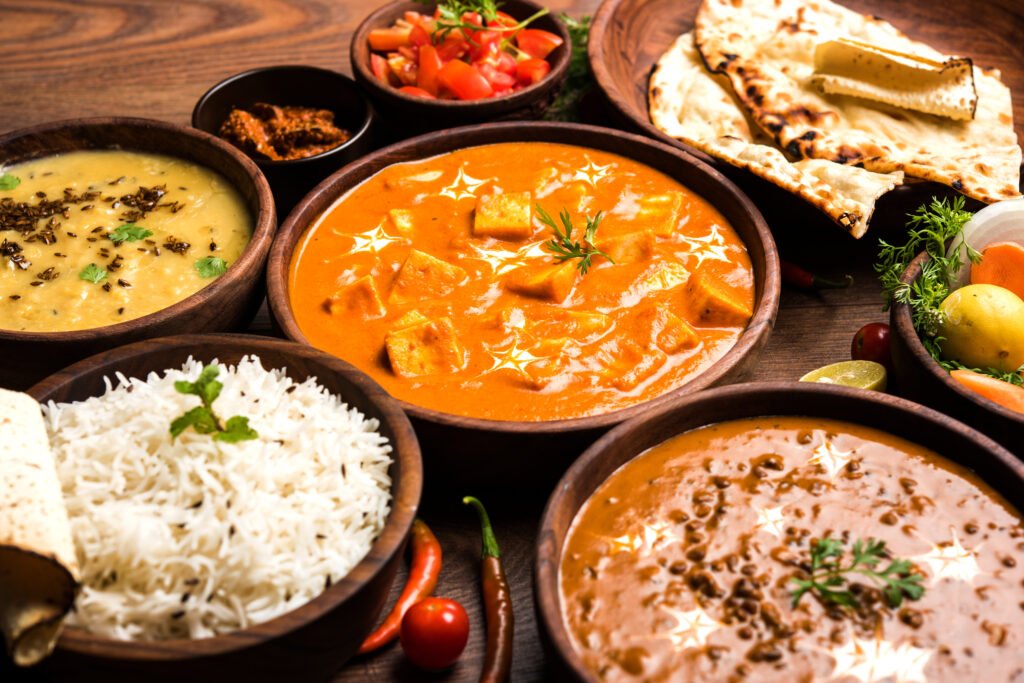
Ask ten people in Delhi what “Indian food” means and you will get ten different answers, most of them wrong in some small way. That is because India does not really have one cuisine. It has dozens, and the split between North Indian and South Indian cooking is the biggest fault line of all. If you are travelling through the country, or just trying to understand what lands on your plate, knowing this difference changes how you eat.
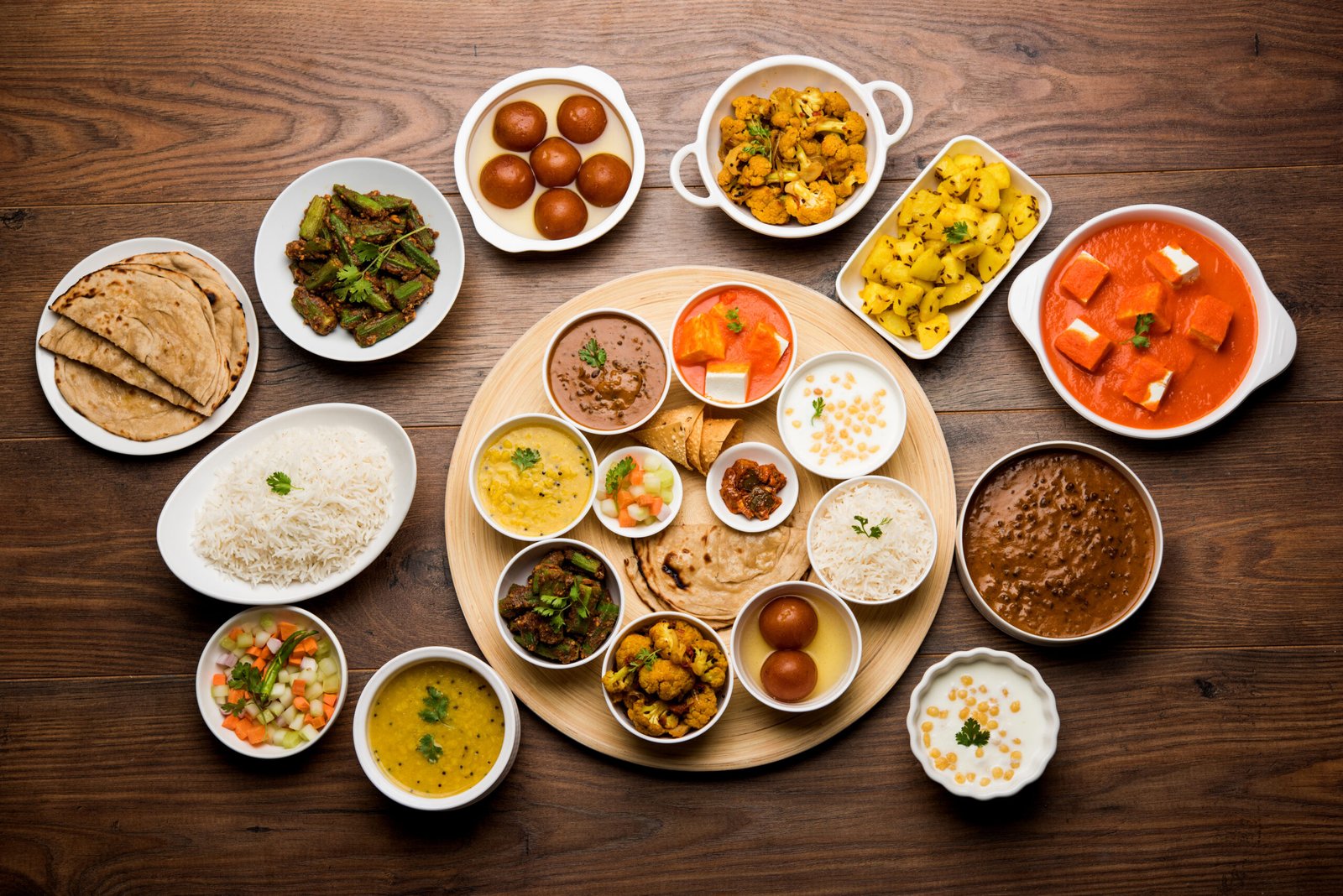 North Indian vegetarian thali with roti, dal and sabzi on a steel plate
The Grain That Anchors Every Meal
The most obvious difference shows up before the spices even enter the picture. North Indian meals are built around wheat. Roti, naan, paratha, kulcha, they all use whole wheat or refined flour, and they double up as your utensil for scooping curries. South Indian meals, on the other hand, are built around rice, not just as a side dish but as the actual base of the meal, whether that is steamed rice with sambar or fermented batter turned into idli and dosa.
This is not a minor stylistic choice either. It comes straight from geography. The Gangetic plains in the north grow wheat well and support dairy farming, while the tropical, rain heavy south is ideal for rice paddies and coconut palms. The land really does dictate the plate.
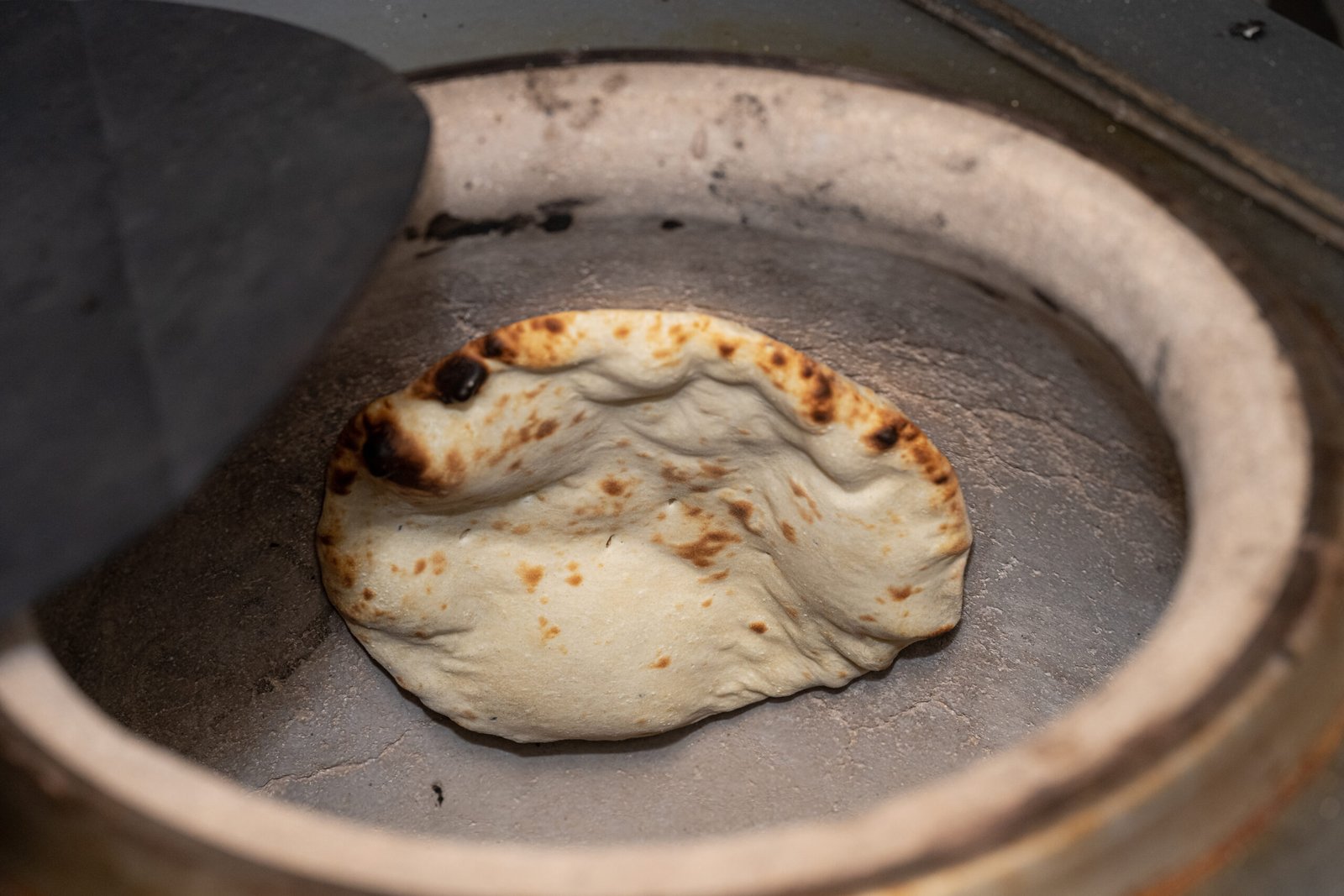 Fresh naan bread baking inside a traditional clay tandoor oven
Cooking Fats Change Everything
North Indian kitchens lean on ghee and mustard oil. Ghee gives dal makhani and paneer dishes that rounded, buttery richness, while mustard oil brings a sharp bite that shows up heavily in Punjabi and Bihari cooking. South Indian cooking almost always turns to coconut oil, sometimes cold pressed sesame oil in Tamil Nadu and Andhra Pradesh, which gives dishes a lighter, slightly sweet undertone that ghee simply cannot replicate.
This single choice of fat probably does more to define regional flavor than any spice does. Swap the oil and the same dal will taste like it came from a different country.
Spices, Heat, and How Flavor Builds
Garam masala is the backbone of North Indian cooking, a warm blend of dry roasted spices like cumin, coriander, cardamom and cinnamon that builds heat slowly and gently. South Indian cooking works differently. Mustard seeds, curry leaves, fenugreek and tamarind get tempered in hot oil first, and the chilli heat here tends to hit faster and sharper, especially with varieties like Guntur or byadgi chilli common in Andhra kitchens.
Sourness plays a bigger role too. North Indian food uses amchoor or dried mango powder as a souring agent, while South Indian food gets its tang from tamarind and kokum, which show up constantly in sambar, rasam and chutneys.
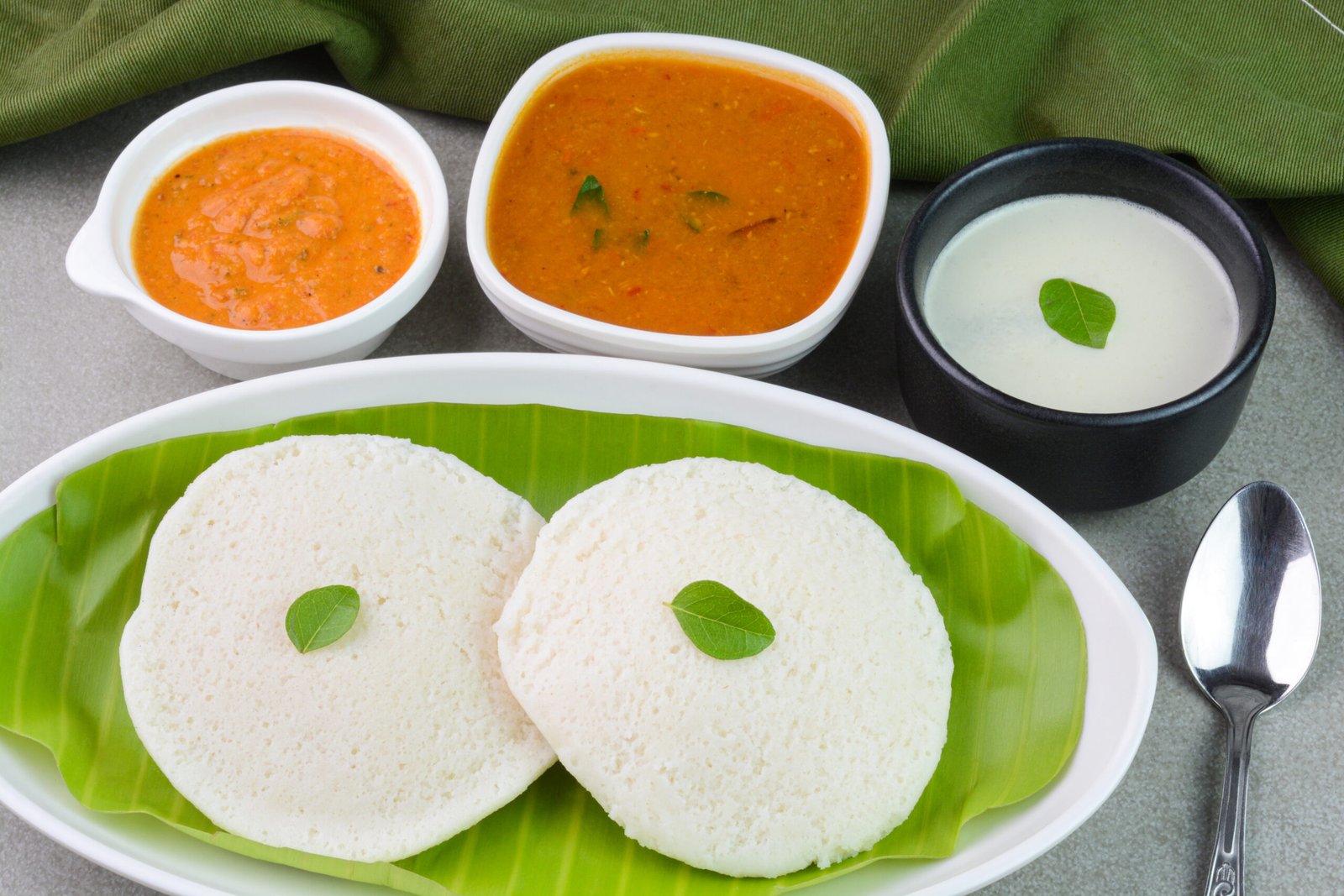 South Indian idli served with sambar and coconut chutney
Gravies vs Fermentation
North Indian curries tend to be thick and dairy based, built on onion tomato masalas with cream or yogurt folded in near the end. South Indian gravies are thinner and more stew like, relying on coconut milk, lentils or tamarind water rather than dairy. South Indian cooking also depends heavily on fermentation, dosa and idli batter needs eight to sixteen hours to ferment properly, which gives it that mild sourness and light texture that no shortcut can replicate.
North Indian cooking, by contrast, often leans on slow braising and tandoor grilling. Dum pukht dishes and marinated tandoori meats can take hours to develop their depth.
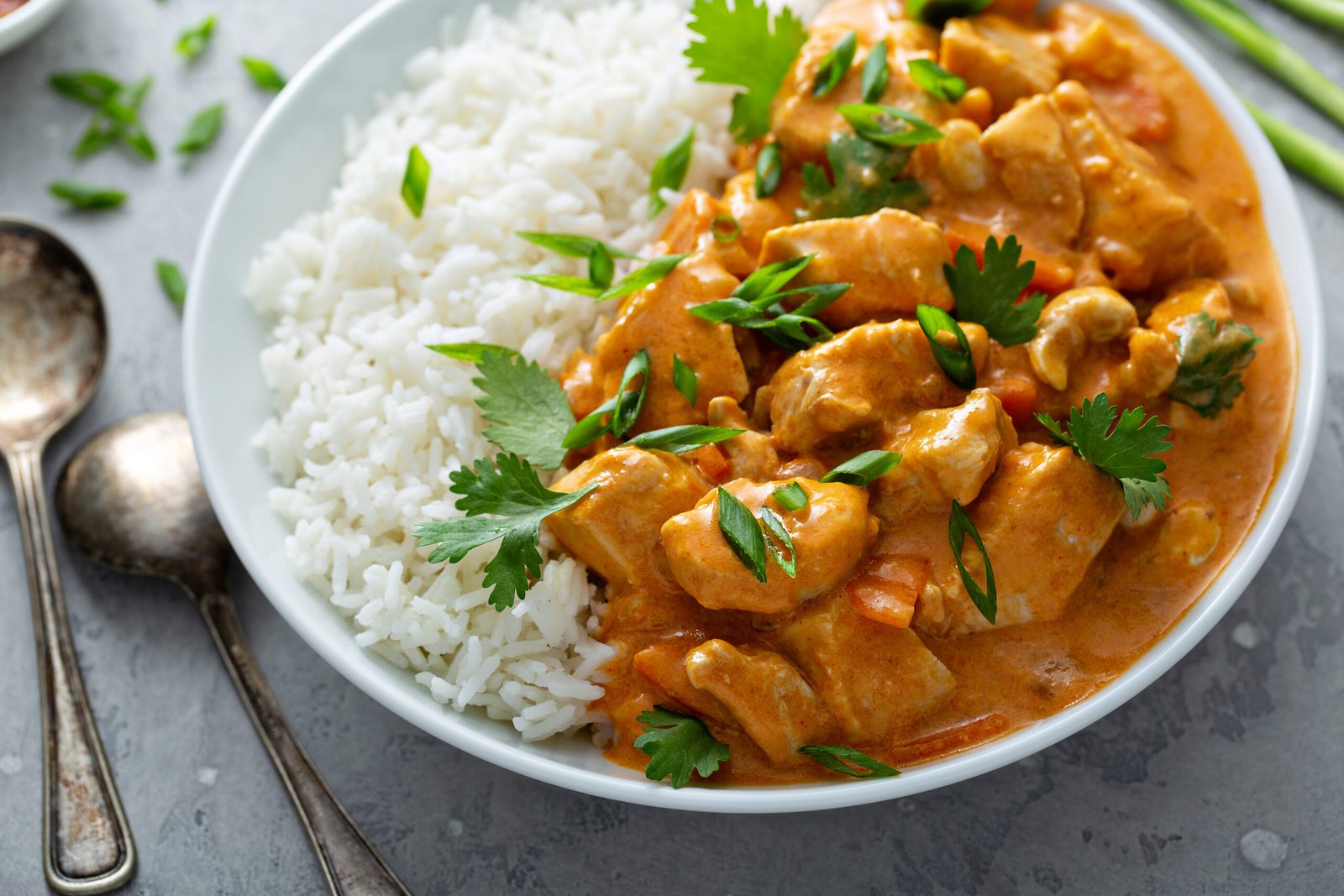 Butter chicken curry with cashew red gravy served with rice, a classic North Indian dish
Is South Indian Food Really Always Vegetarian?
This is a common assumption and it is only half true. South India, especially coastal Kerala, Karnataka and Tamil Nadu, has a long seafood tradition with prawns, squid and fish curries appearing regularly. The vegetarian reputation mostly comes from Brahminical temple cooking and Udupi style restaurants, which represent one strand of the cuisine, not the whole picture. North India has its own strong vegetarian traditions too, particularly in Gujarat and among Marwari communities, even though Punjab and Kashmir are known for rich meat and dairy dishes.
How a Meal Is Served
North Indian meals usually arrive as a thali, a round steel plate with bread, rice, dal, a vegetable, pickle and dessert all placed together, and you mix as you go. South Indian meals are traditionally served on a banana leaf, with rice at the center and sambar, rasam, poriyal, curd and payasam arranged around it, often eaten in a particular sequence rather than all at once.
| Feature | North Indian Cooking | South Indian Cooking |
|---|---|---|
| Staple grain | Wheat (roti, naan, paratha) | Rice (idli, dosa, steamed rice) |
| Cooking fat | Ghee, mustard oil | Coconut oil, sesame oil |
| Flavor profile | Rich, creamy, warming | Tangy, sharp, fresh |
| Key spice base | Garam masala, dry roasted spices | Mustard seeds, curry leaves, tamarind |
| Gravy style | Thick, dairy based | Thin, coconut or tamarind based |
| Serving style | Thali on steel plate | Banana leaf, courses served in sequence |
Why This Matters If You Are Travelling
If you are in Delhi and craving that rich, buttery comfort food experience, a hands on class covering dishes like butter chicken and naan will show you exactly how the tandoor and dairy come together. Our Indian cooking class covering six classic dishes walks you through North Indian techniques in a real Delhi kitchen. Pair that with a chai master class in a local family home to understand how spice blending works outside the curry pot too.
For street food that shows off North India’s love of fried snacks and chaat, our Delhi street food tour beyond Old Delhi and the Old Delhi street food tasting in a local home are both good starting points.
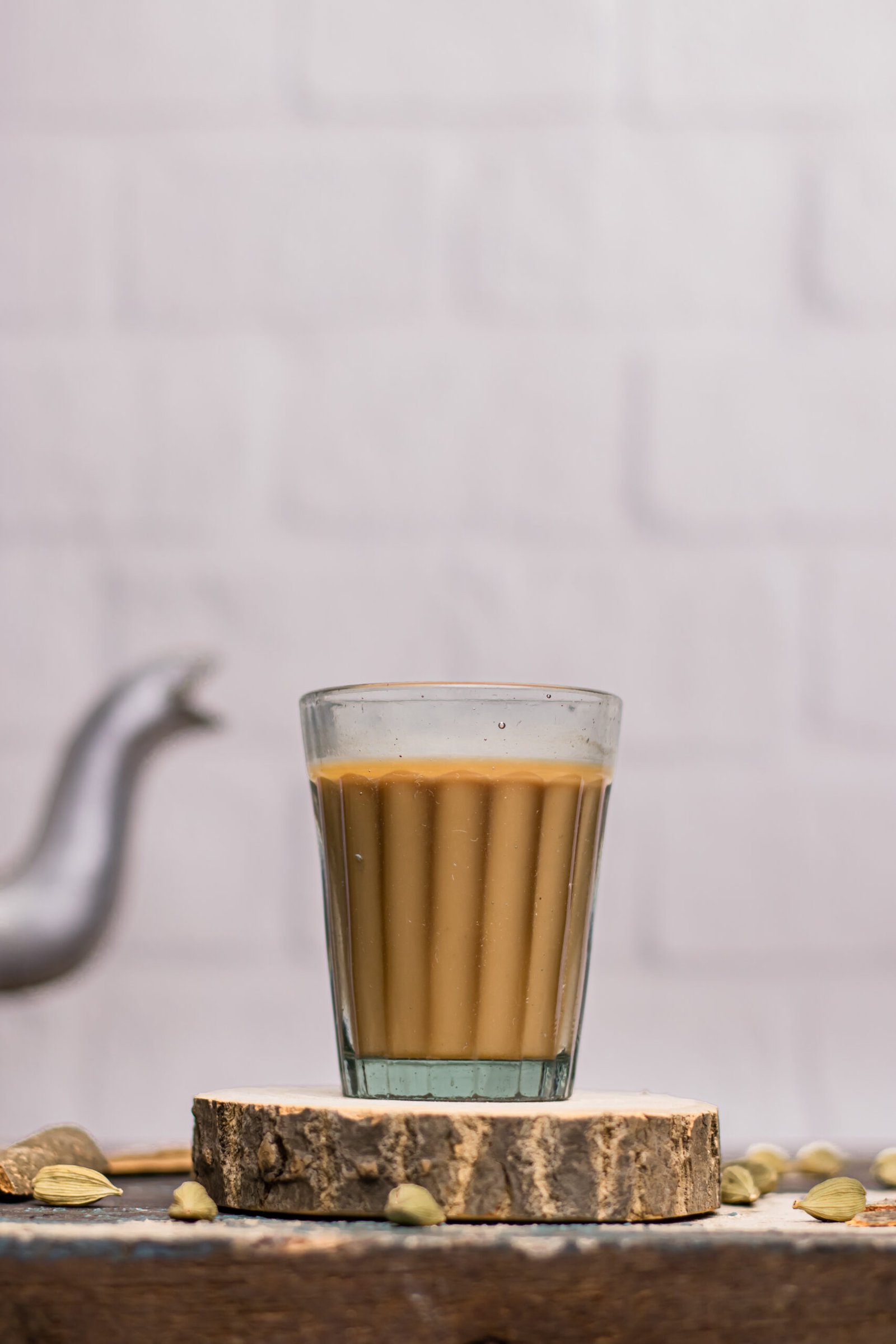 Indian chai served in glass cups with kettle and spices used to brew masala tea
Frequently Asked Questions
What is the biggest difference between North and South Indian food?
North Indian cooking is wheat based with rich, dairy heavy gravies, while South Indian cooking is rice based with lighter, tangier curries built on coconut and tamarind.
Which cuisine is spicier, North or South Indian?
South Indian food generally hits harder and faster with chilli heat, while North Indian spice through garam masala tends to be warmer and more gradual.
Is North Indian food always non vegetarian?
No. Gujarat, Rajasthan and Marwari communities have deep vegetarian traditions, even though Punjab, Kashmir and Lucknow are known for meat and dairy dishes.
Why does South Indian food use banana leaves?
Banana leaves are a traditional, biodegradable serving surface, and they subtly flavor the rice and curries as you eat, a practice that has continued for functional and cultural reasons.
Can I learn both cooking styles in Delhi?
Delhi is mostly North Indian territory, but a hands on class focused on classics like butter chicken, dal makhani and naan gives you a strong foundation in that style before you head south.
Plan Your Culinary Journey
Understanding these differences is more fun in practice than on paper. If your trip includes Agra or Jaipur, consider extending your food exploration with our regional day trips: