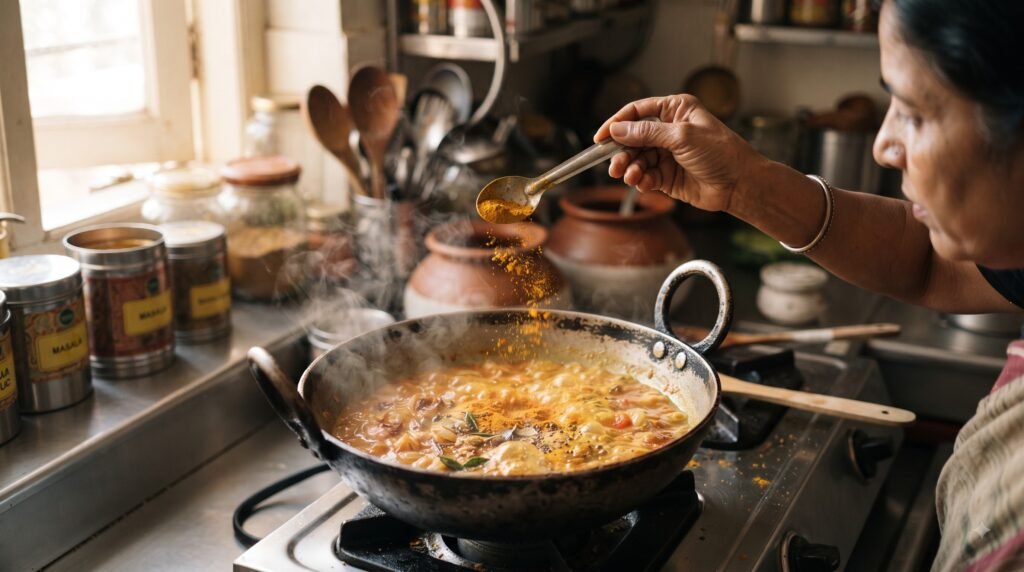
Walk into almost any Indian kitchen at lunchtime and you’ll notice the same thing. Before the vegetables go in, before the dal starts to simmer, a small spoon of yellow powder lands in the pan. That’s turmeric, or haldi.
Visitors often ask us whether it’s for flavor, color or health. Honestly, it’s all three. It’s also something more habitual than any of those, which is the part guidebooks usually skip.
What Is Turmeric and Where Does It Come From?
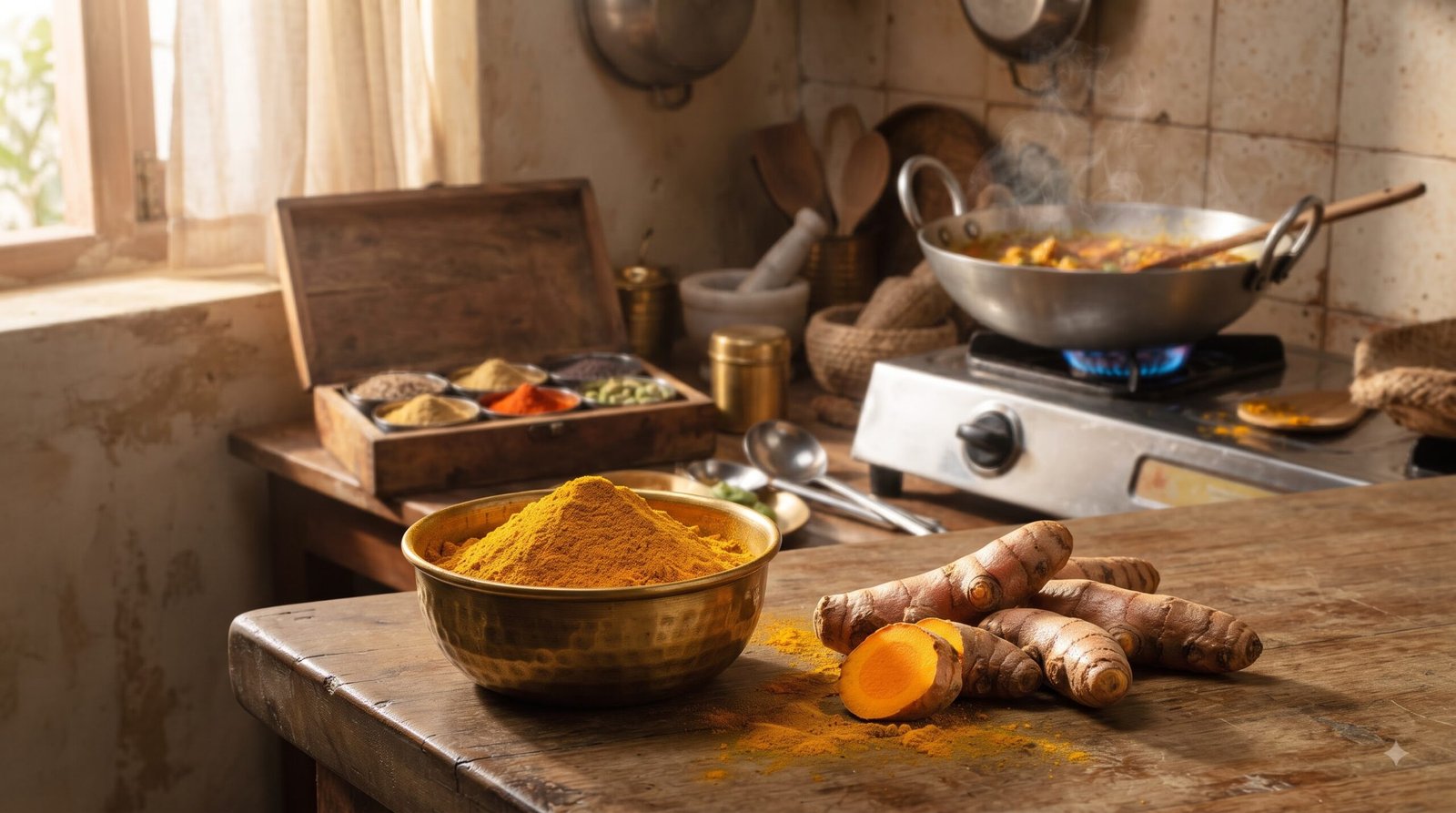
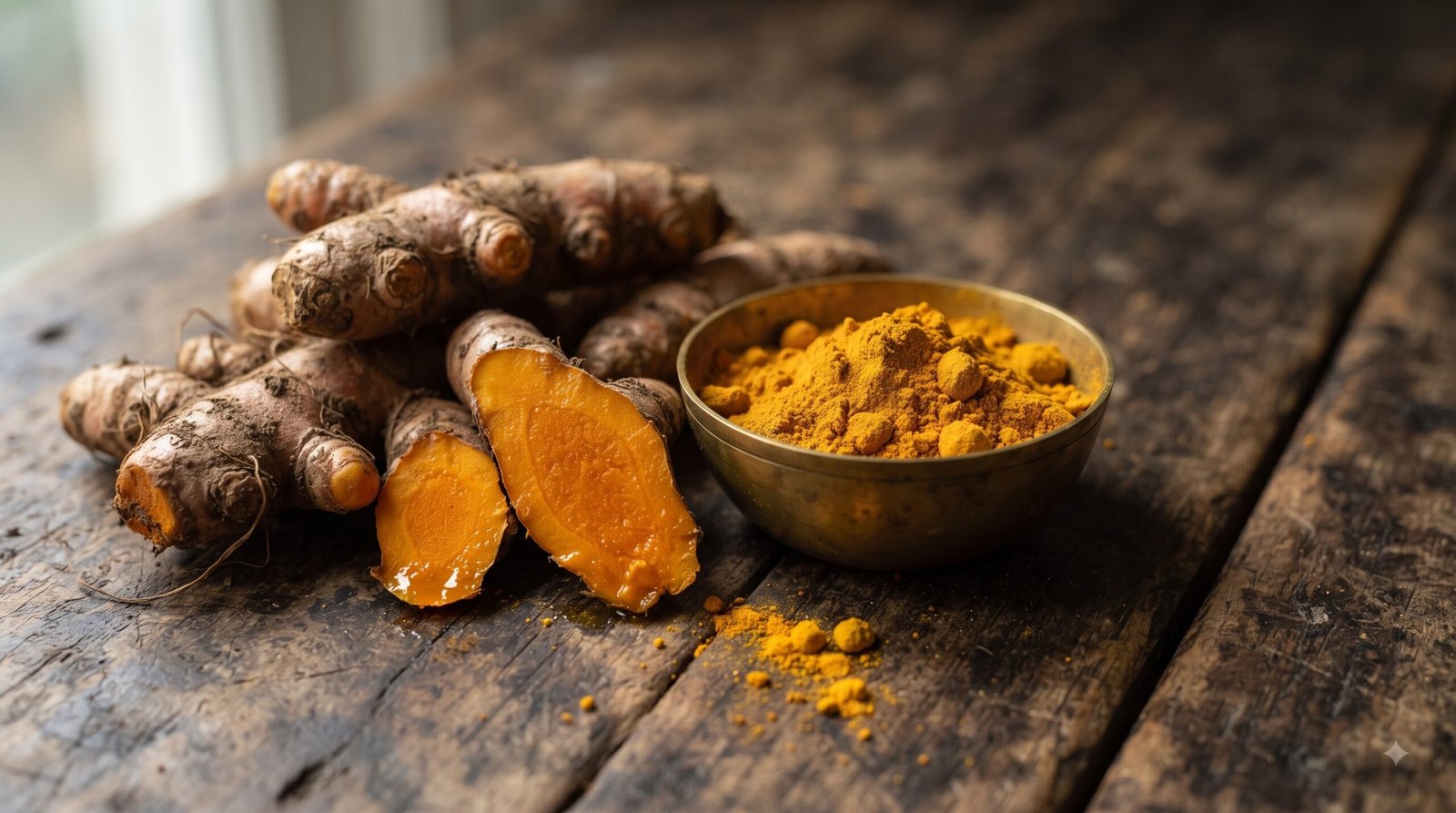
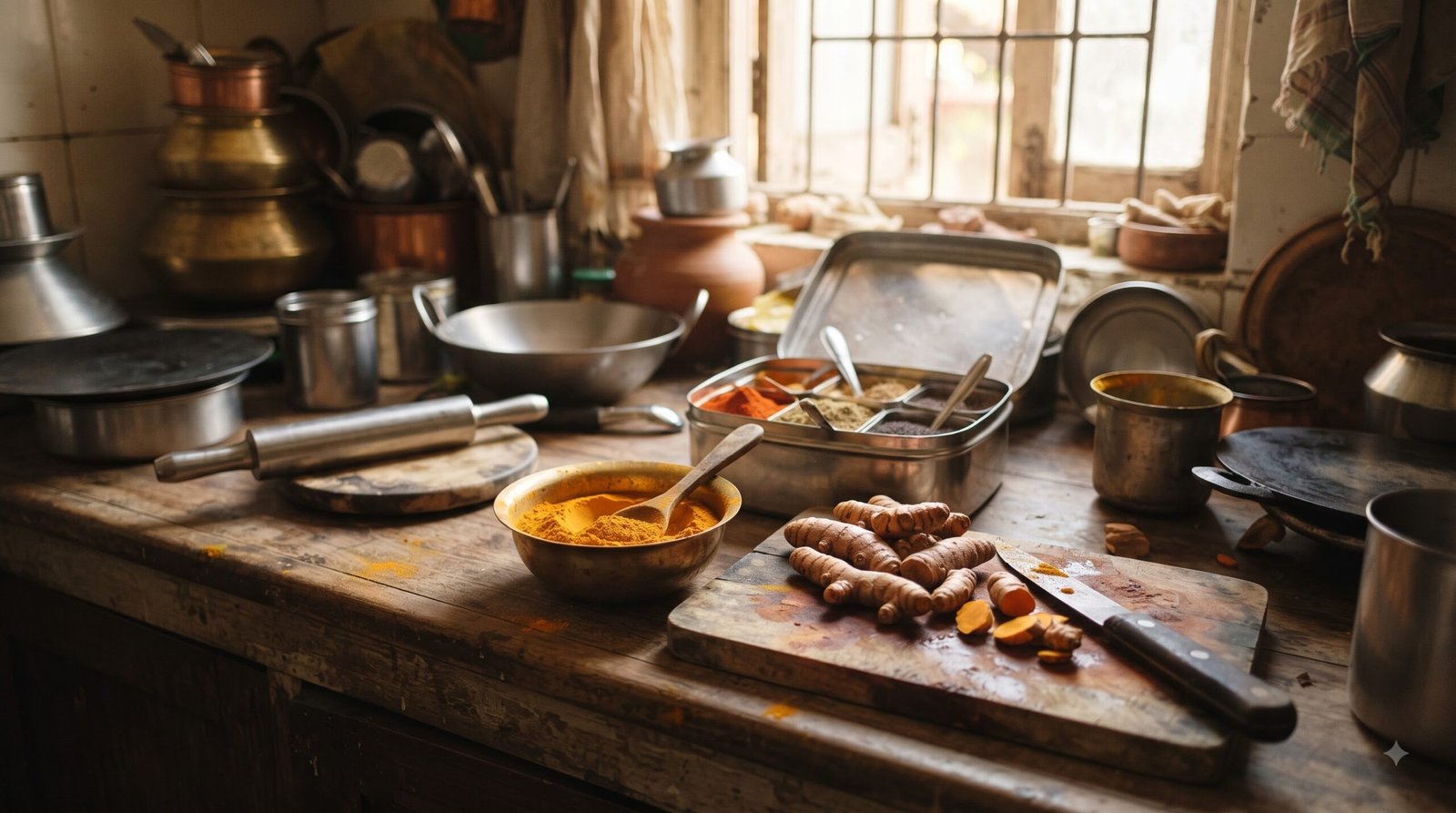
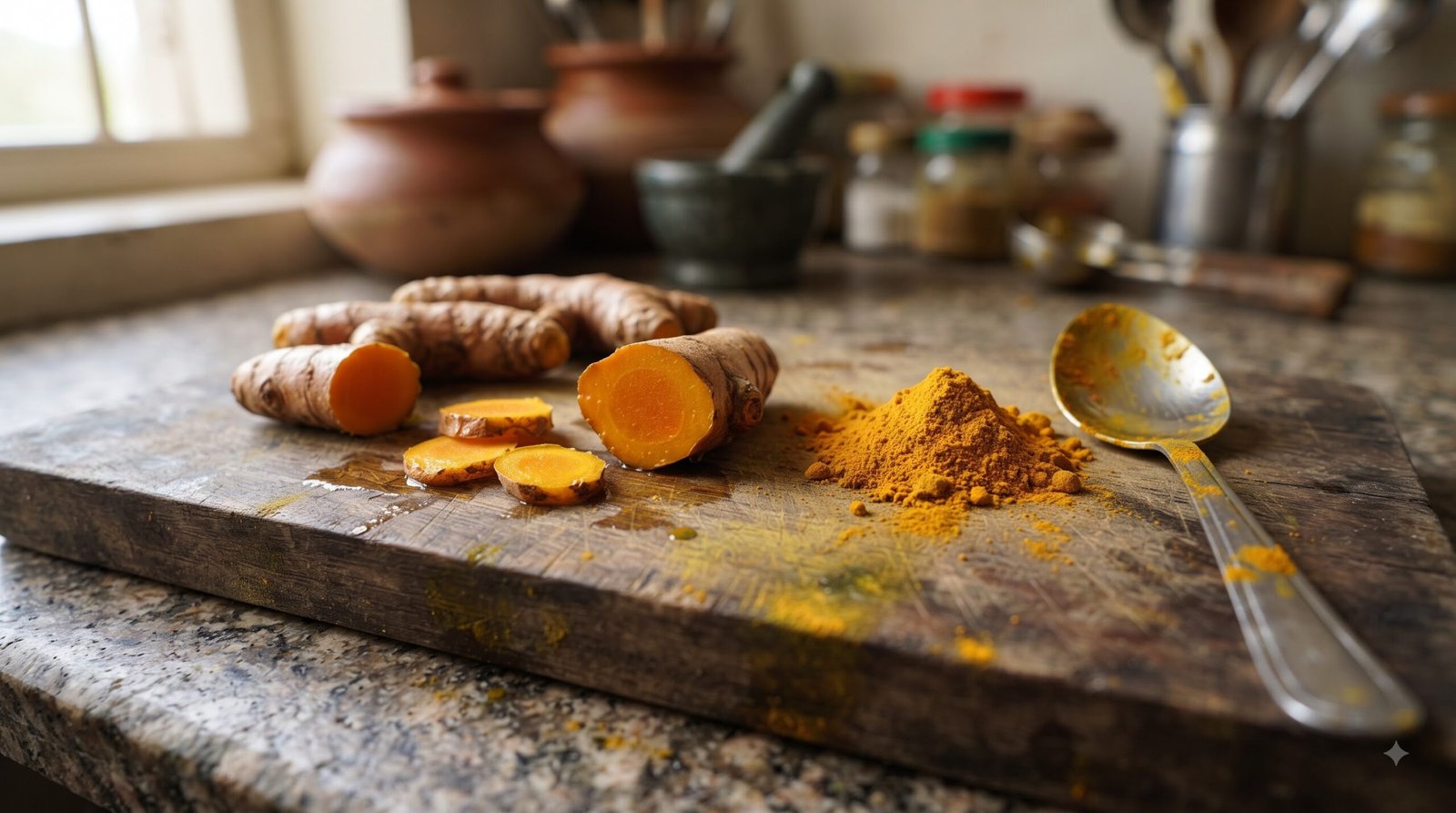
Turmeric is the underground stem (rhizome) of a plant related to ginger. Fresh, it looks like small orange fingers. Dried and ground, it becomes the fine yellow powder you see in every spice shop.
Its color comes from curcumin, which makes up roughly 2 to 5 percent of the dried root. That’s why a pinch can turn a whole pot of lentils gold, and why it stains your fingers, chopping board and kitchen towels for days.
Why Do Indians Use Turmeric in Almost Every Dish?
There isn’t one single reason. Several small ones stacked up over centuries until it became automatic.
1. It’s the quiet base of the dish
Turmeric tastes earthy, slightly bitter and a little warm. You won’t taste it as a loud note. What it does is round off the sharper edges of onion, tomato and chili, so the other spices sit together better.
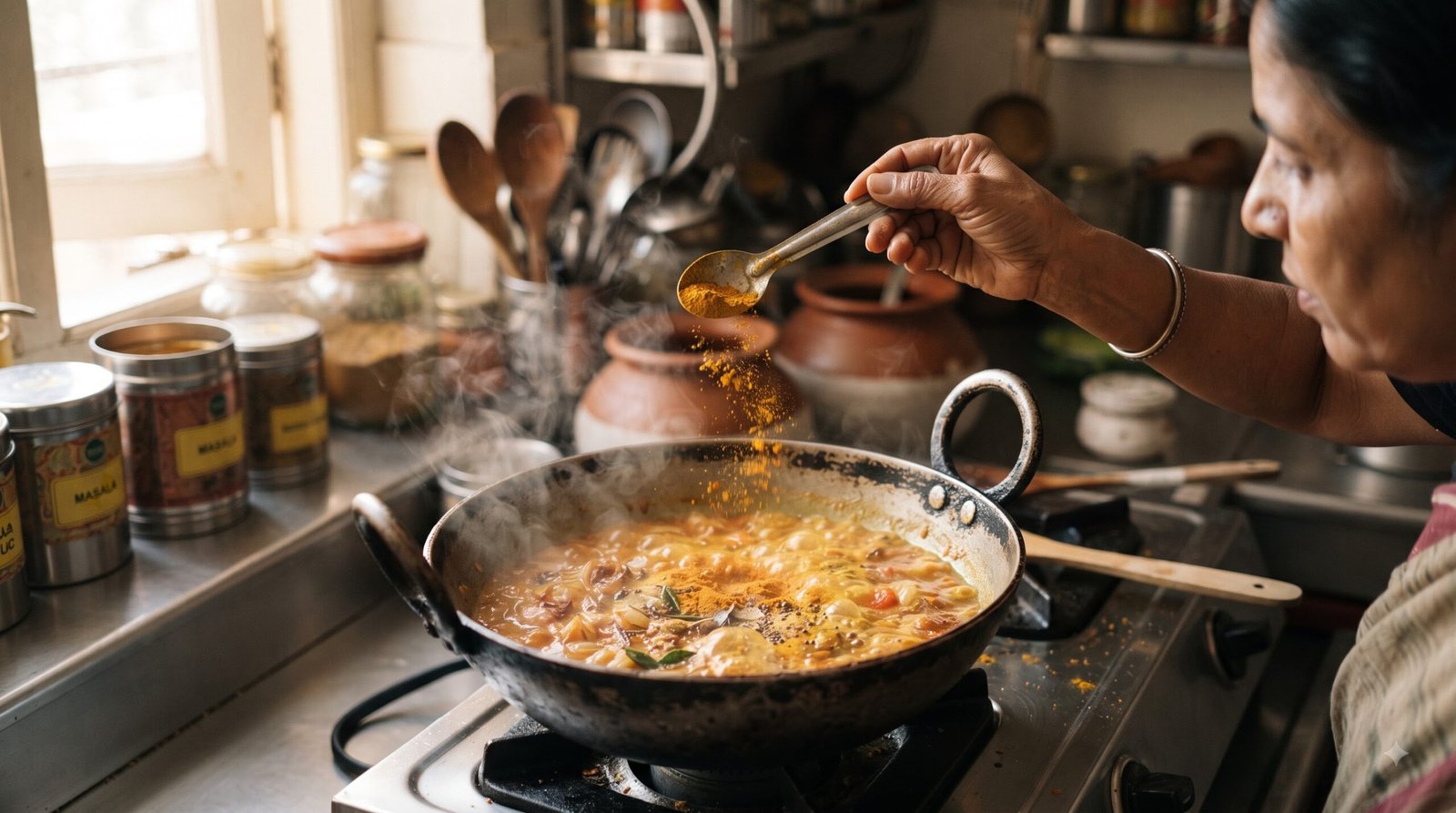
Many home cooks think of it as the starting note. It goes in early, usually into hot oil or just after the onions, so the raw edge cooks off.
2. It gives everyday food its familiar color
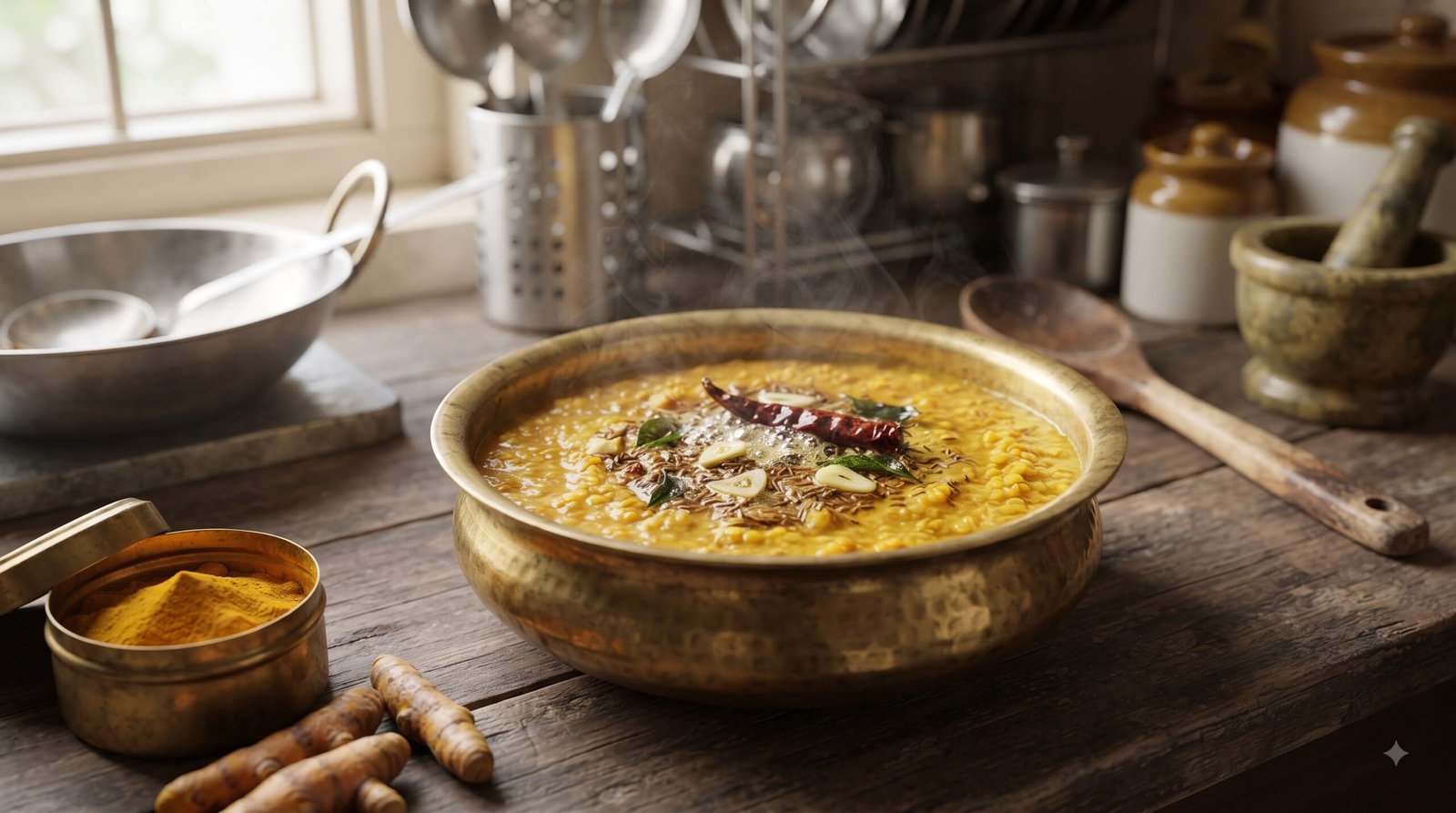
Indians eat with their eyes as much as anyone. A pot of dal without haldi looks pale and unfinished to most families. The yellow tells you the food is homemade and ready.
3. It has a long place in traditional medicine
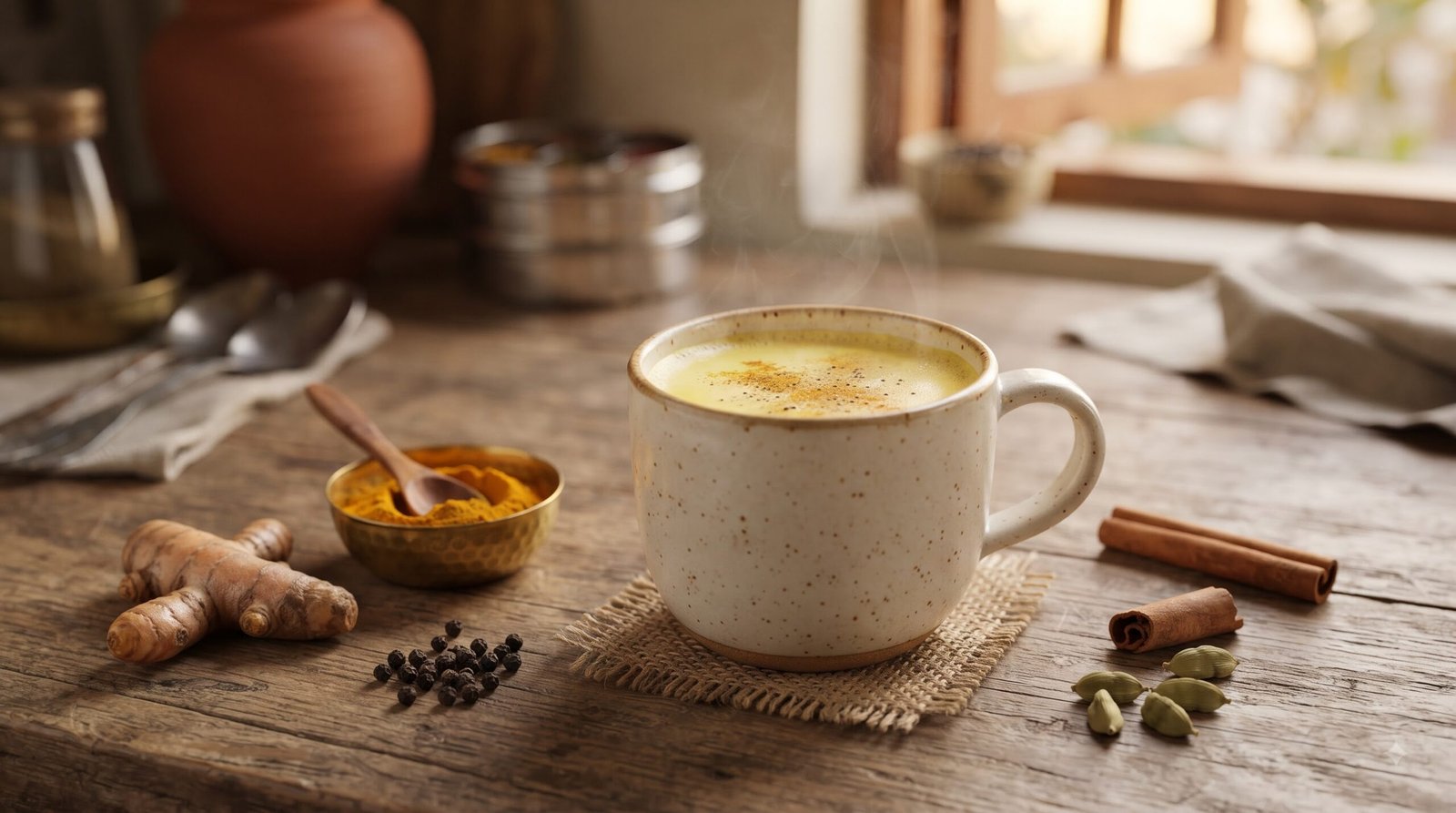
Turmeric has been part of Ayurvedic practice for a very long time, used for wounds, digestion and skin. Grandmothers still say “haldi doodh” (turmeric milk) when someone has a cold. Nobody in the house debates it. The milk just appears.
4. It’s tied to home, ritual and good luck
Yellow is considered auspicious. Before a wedding, families hold a haldi ceremony where relatives apply turmeric paste to the bride and groom as a blessing. In many homes, a pinch of haldi is also part of daily puja and household customs.
How Is Turmeric Actually Used in Indian Cooking?
Less than you’d think. Most dishes use somewhere between a quarter and one teaspoon, even when feeding a family. Too much turns a dish bitter and chalky. Here’s where you’ll meet it:
- Dal: boiled with lentils from the start.
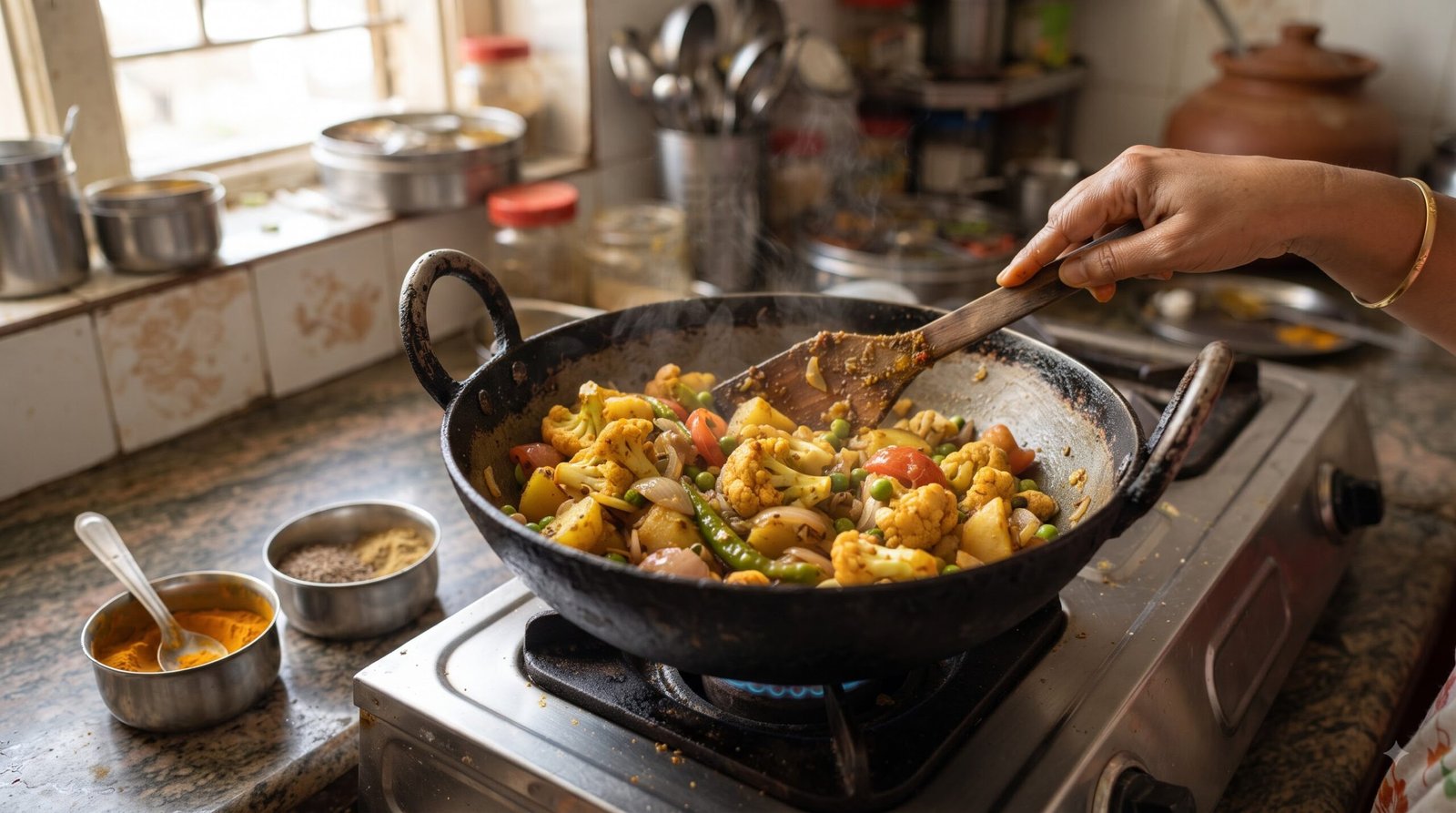
- Sabzi (vegetables): added after the onions and before the vegetables.
- Rice dishes: a pinch in khichdi, pulao and lemon rice.
- Curries and gravies: part of the base masala.
- Warm milk: haldi doodh, often with black pepper.
You’ll also see it in dishes where you’d never guess. Not every dish has it, though. Some Kashmiri and Bengali preparations use it lightly, and certain festival sweets and Jain dishes leave it out or change it. “Almost every dish” is accurate. “Every dish” isn’t.
Where Does Turmeric Live in an Indian Kitchen?
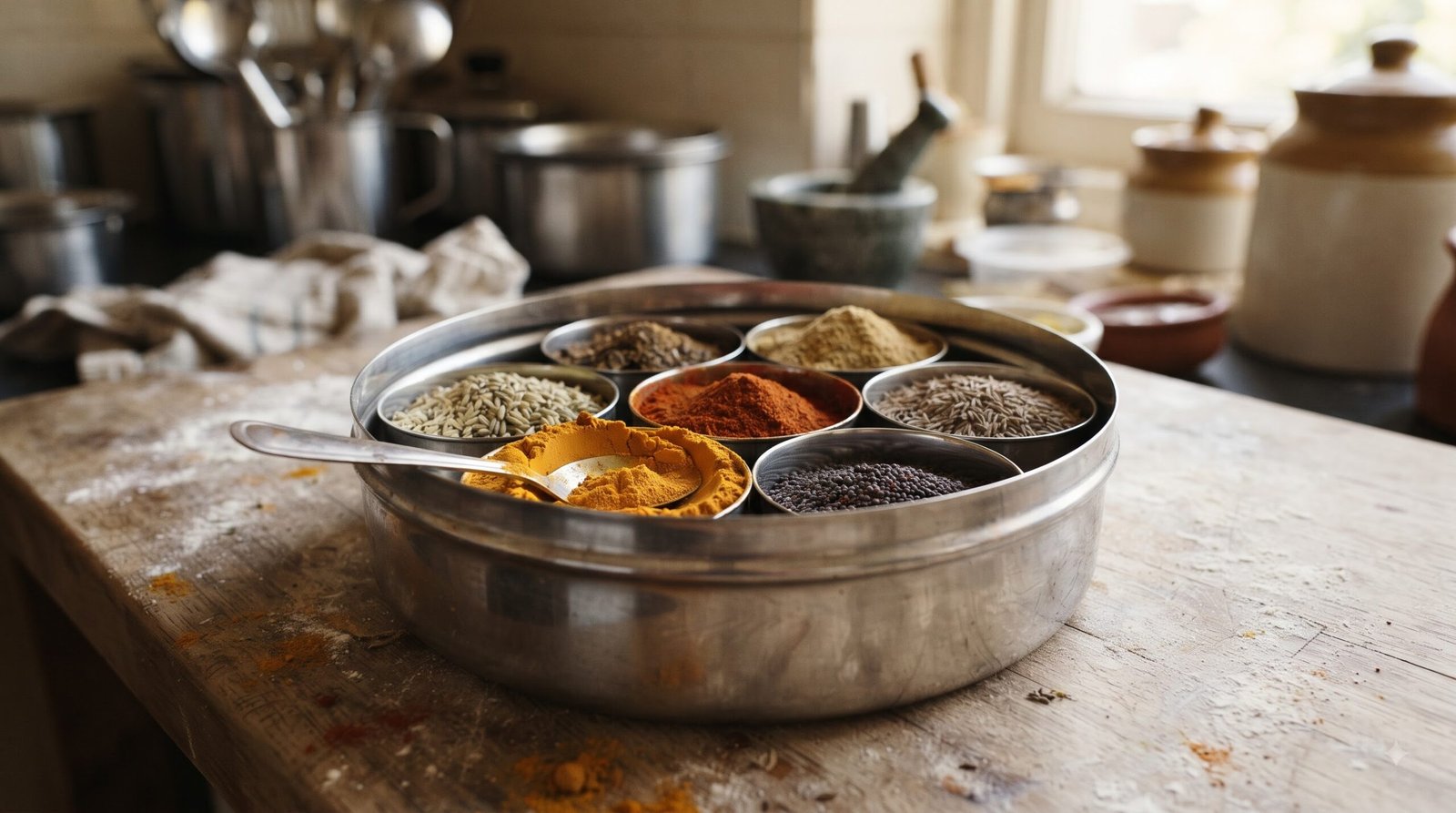
Look for a round steel tin with small bowls inside. That’s the masala dabba, and turmeric always has a spot in it, usually next to red chili powder, cumin and coriander. It’s the one spice a household will never run out of.
Where to Buy and Taste Turmeric in Delhi
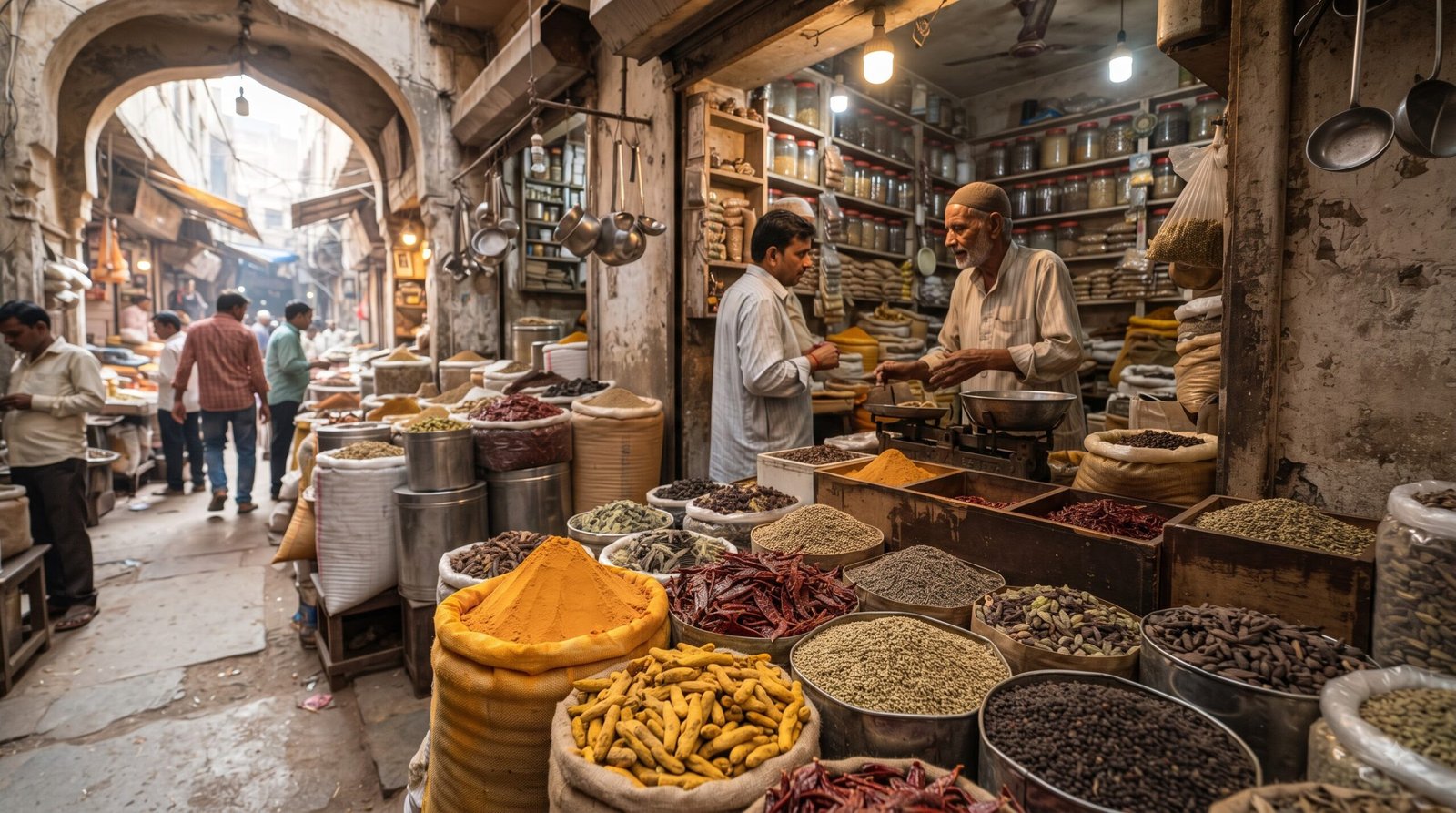
Old Delhi’s spice market, Khari Baoli, sells turmeric in several grades. Colors range from pale yellow to deep orange, and the smell changes with them. Good merchants will let you rub a little between your fingers.
- Buy sealed packs if you’re flying home. Loose powder can leak in luggage.
- Wear dark clothes when cooking. Turmeric stains don’t wash out easily.
- Start with small quantities. Ground turmeric loses aroma after about a year.
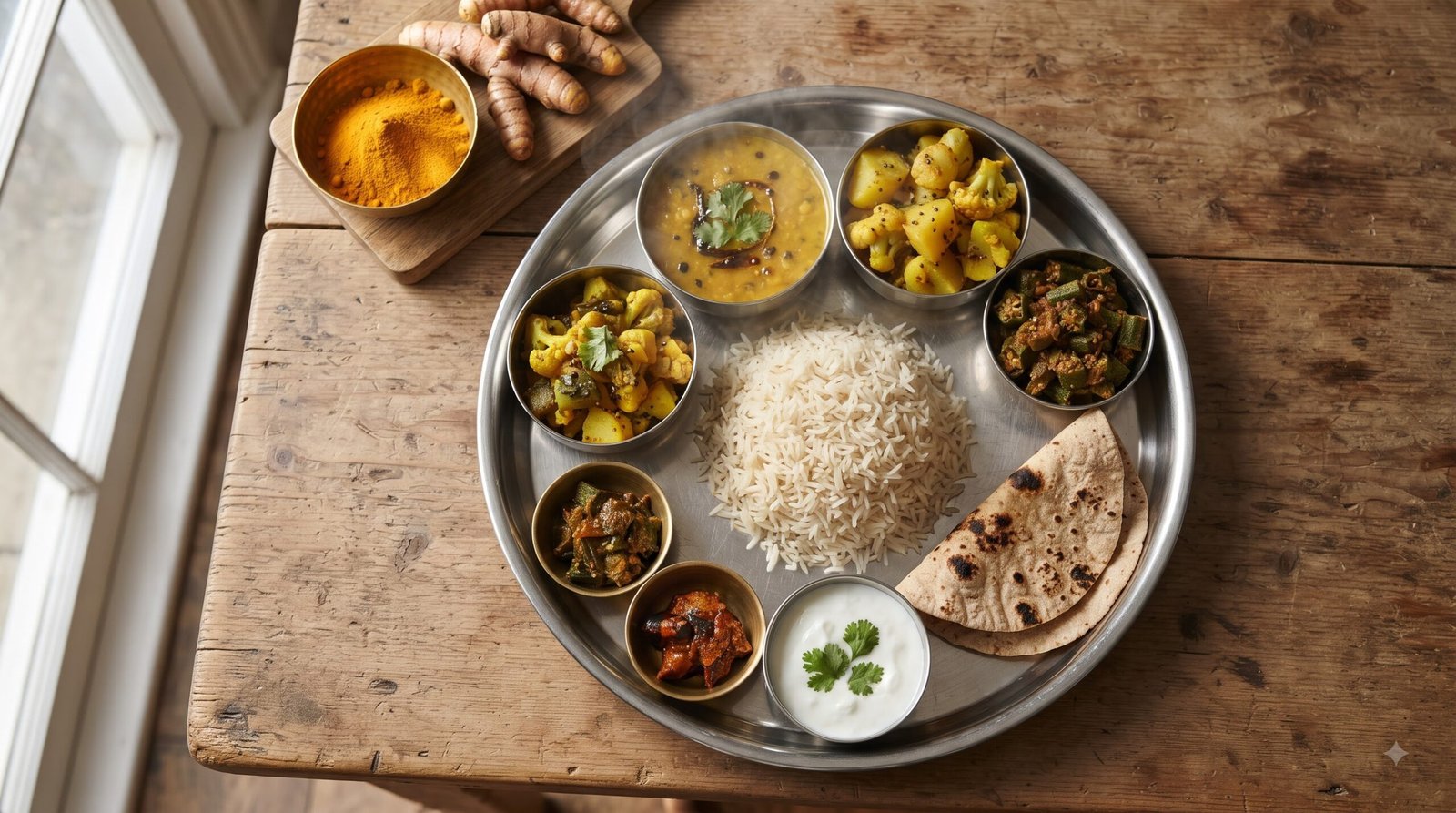
Even a simple thali shows how turmeric works. Look at the dal, the vegetables and the rice, and you’ll see the same yellow thread running through them.
Is Turmeric Safe for Travelers?
In normal cooking amounts, yes. It isn’t spicy hot, so it won’t trouble most stomachs. If you take blood thinners or have a gallbladder condition, check with your doctor before using it in supplement form. Cooking amounts are a different matter from capsules.
Learn to Cook With Turmeric in Delhi
Reading about haldi is one thing. Knowing when the oil is ready for it is another, and that’s easiest to learn in a real kitchen.
Cook, taste and ask questions
Pick the experience that suits you. Each one is hosted in Delhi by local guides.
Cook 6 Indian Dishes Chai Master Class Delhi Street Food Tour Luxury Old Delhi TastingHeading out of the city? Turmeric shows up differently in Agra and Rajasthan, so food stops on the road are worth it. See our Taj Mahal day trip, the same day Jaipur tour or the 7 day Golden Triangle with Ranthambore.
Frequently Asked Questions
Why do Indians put turmeric in everything?
It adds a mild earthy flavor, gives food its familiar yellow color, and carries generations of tradition as a healthy, auspicious ingredient. Most families add it without thinking, as part of the first steps of cooking.
What does turmeric taste like?
Warm, earthy and slightly bitter. In small amounts you notice it more when it’s missing than when it’s there.
Is turmeric the same as curry powder?
No. Turmeric is a single spice. Curry powder is a blend that usually includes turmeric along with coriander, cumin and others. Indian homes mostly make their own masala combinations instead.
Does Indian food always contain turmeric?
Not always. Some dishes, including certain Jain meals, festival sweets and some regional preparations, skip it. But the majority of daily meals include it.
Why is turmeric used with black pepper?
Studies suggest the piperine in black pepper helps the body absorb curcumin. Fat helps too, which is why turmeric in ghee, oil or milk is common.
What is haldi doodh?
Warm milk with turmeric, sometimes with pepper or honey. Indian families give it to anyone feeling run down.
Can tourists learn to cook with turmeric in Delhi?
Yes. A hands on cooking class is the easiest way to learn timing and quantity. Our home cooking experiences cover turmeric in dal, sabzi and rice.
Next time you see a yellow stain on your napkin in India, don’t worry about it. It means you’re eating properly.