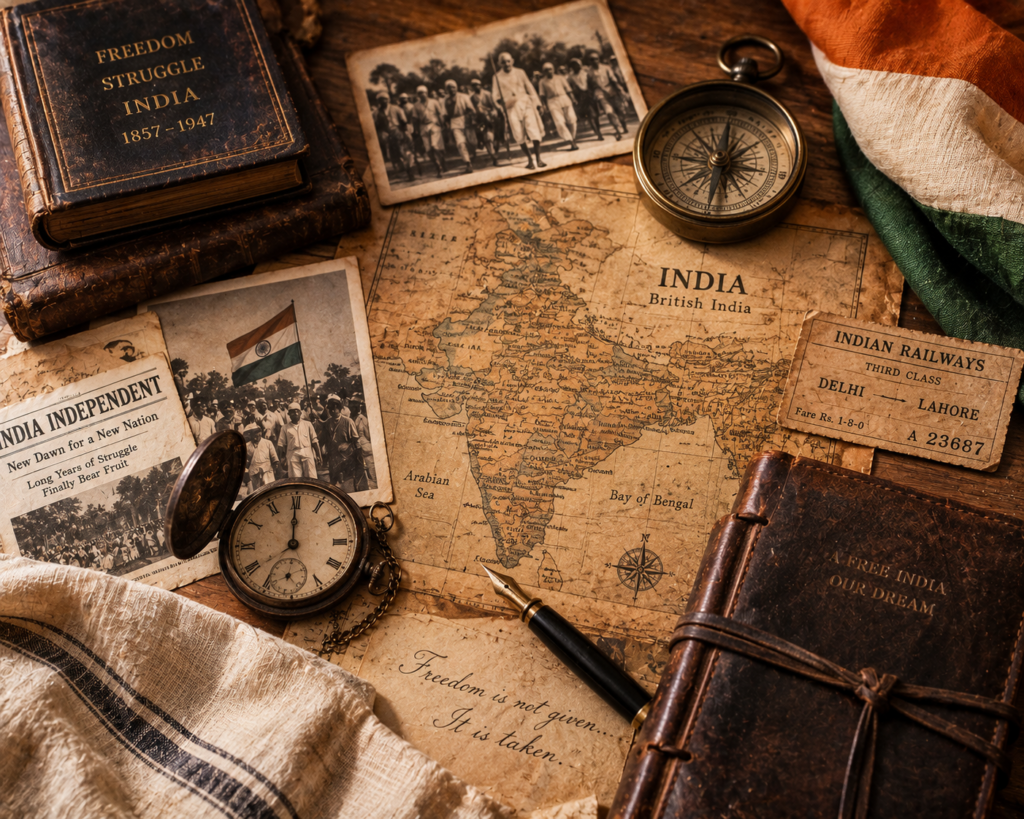
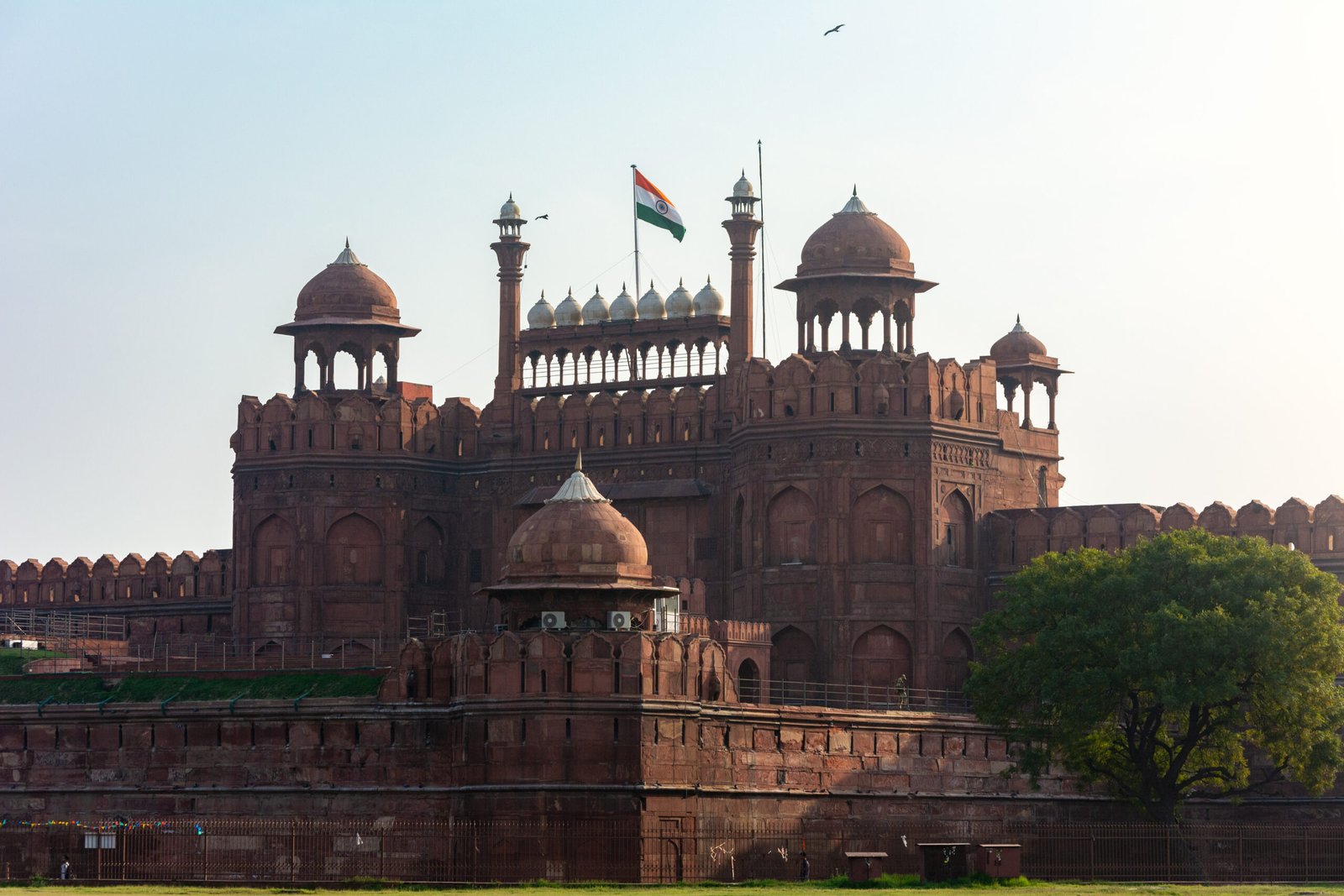
Most visitors see the Red Fort, take a photo of the flag, and move on to the next stop on the list. Fair enough, there’s a lot to see in Delhi. But that flagpole marks the end of a struggle that ran for close to a century, involved millions of ordinary people, and shaped the India you are walking through today. Old Delhi’s narrow lanes, the railway stations, even the way government offices still work, all carry traces of this period.
This is not a textbook chapter. It’s the timeline stripped down to what matters, written for someone who wants to understand India a little better before or during a trip here.
1857: The Revolt That Changed Everything
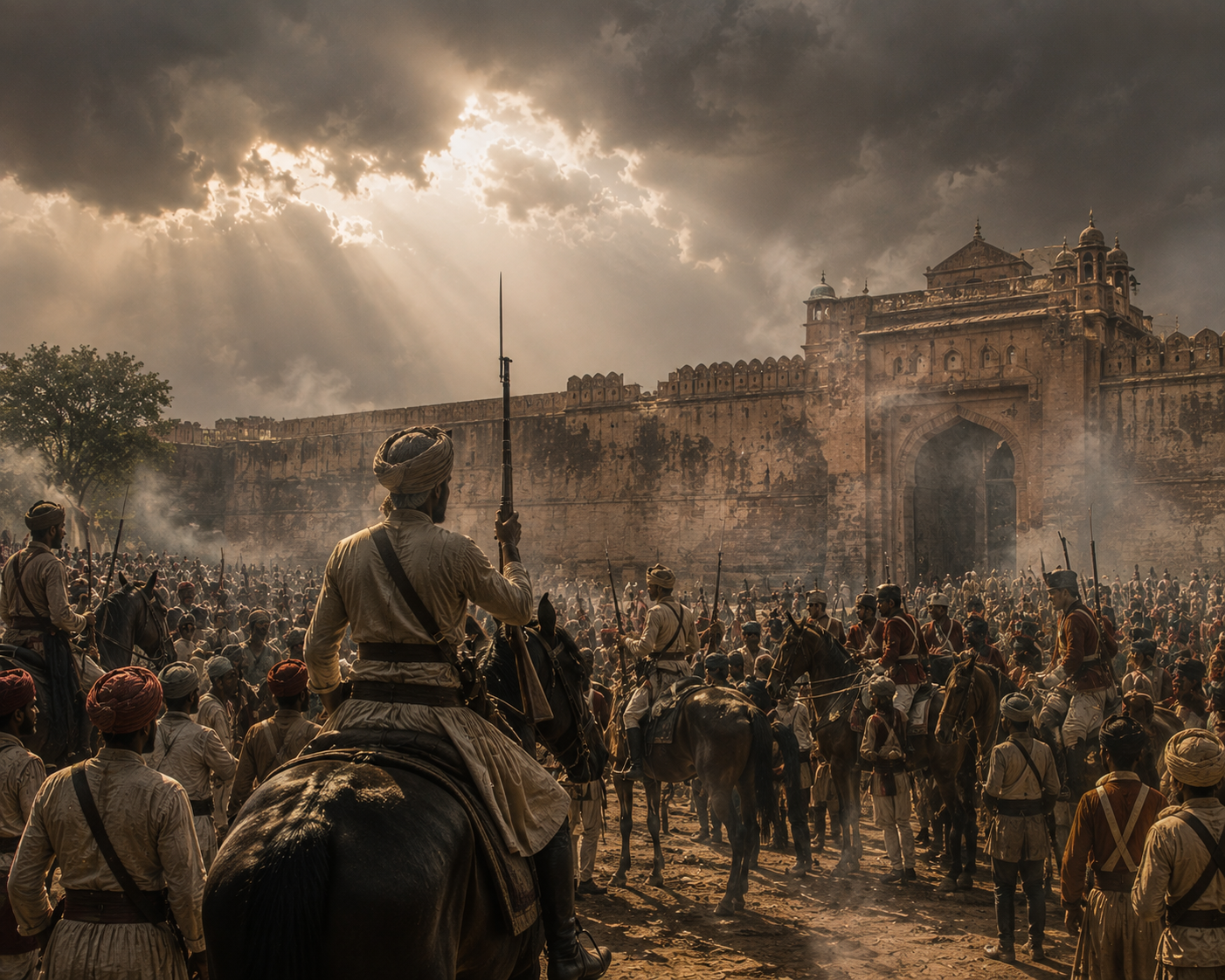
It started with sepoys in the British East India Company’s army, in Meerut, refusing to bite cartridges rumored to be greased with cow and pig fat. Within weeks it had spread across North India. Delhi, Kanpur, Jhansi, Lucknow, all became centers of open rebellion. Bahadur Shah Zafar, the last Mughal emperor, was pulled out of quiet retirement in the Red Fort and declared the symbolic leader of the uprising he never really wanted to lead.
The British crushed it within a year, brutally in places. Zafar was exiled to Rangoon. But the aftermath mattered more than the revolt itself. The East India Company was dissolved and India came under direct rule of the British Crown in 1858. Historians still argue over what to call 1857, a mutiny, a rebellion, a war of independence. Whatever the label, it was the first time large parts of India rose together against colonial control, and it set the emotional template for everything that followed.
1885 to 1905: Petitions, Parties, and the First Cracks
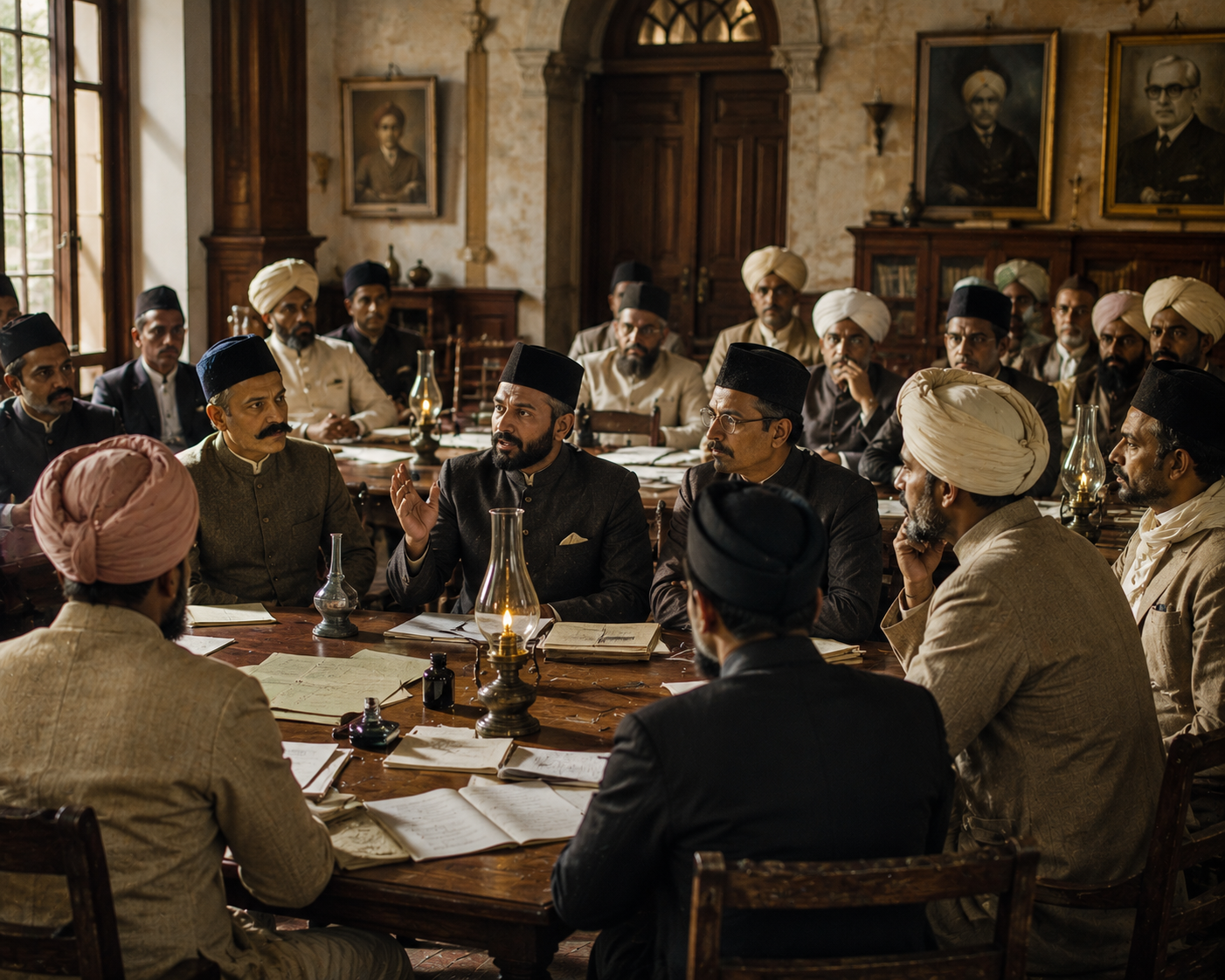
For roughly three decades after 1857, resistance moved indoors. In 1885, a group of Indian and British reformers founded the Indian National Congress in Bombay. Early Congress leaders like Dadabhai Naoroji and Gopal Krishna Gokhale weren’t demanding independence. They wanted reform, representation, and an end to what Naoroji called the drain of India’s wealth to Britain. This is often called the Moderate Phase, and it’s easy to dismiss as too polite in hindsight. It wasn’t. It built the political machinery that later leaders would use.
Things sharpened in 1905, when Lord Curzon partitioned Bengal, officially for administrative convenience, actually to weaken a politically active province by splitting it along religious lines. The backlash was immediate. The Swadeshi Movement encouraged Indians to boycott British goods and buy Indian made products instead. It’s a small thing to say now, but this was the first time economic boycott became a tool of political protest in India, and it worked well enough that the partition was reversed in 1911.
1906 to 1919: New Voices, New Fault Lines
In 1906, the All India Muslim League was formed in Dhaka, partly in response to Congress politics and partly to represent Muslim interests separately. This decision would echo through the next four decades and eventually shape Partition itself. Meanwhile, the Congress split in 1907 between Moderates and Extremists, the latter led by figures like Bal Gangadhar Tilak, who wanted swaraj, self rule, and wanted it faster.
Mahatma Gandhi returned to India from South Africa in 1915, already known for his satyagraha campaigns against discriminatory laws there. His first Indian experiments were local and small scale, the Champaran Satyagraha of 1917 supporting indigo farmers in Bihar, followed by Kheda and the Ahmedabad mill workers’ strike in 1918. These weren’t headline grabbing events at the time. They were Gandhi testing whether nonviolent, organized resistance could actually move a colonial government. It could.
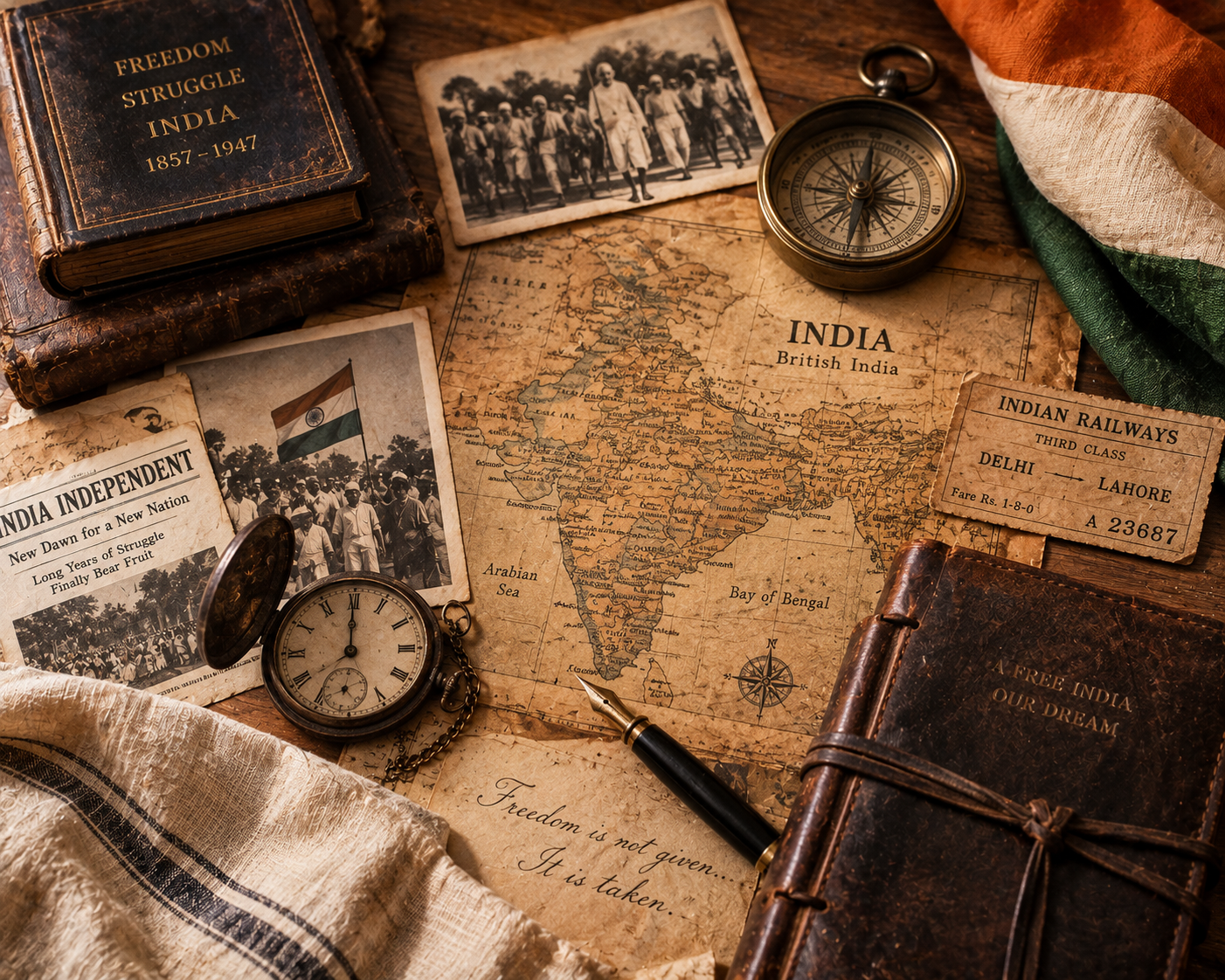
1919: Jallianwala Bagh and the Point of No Return
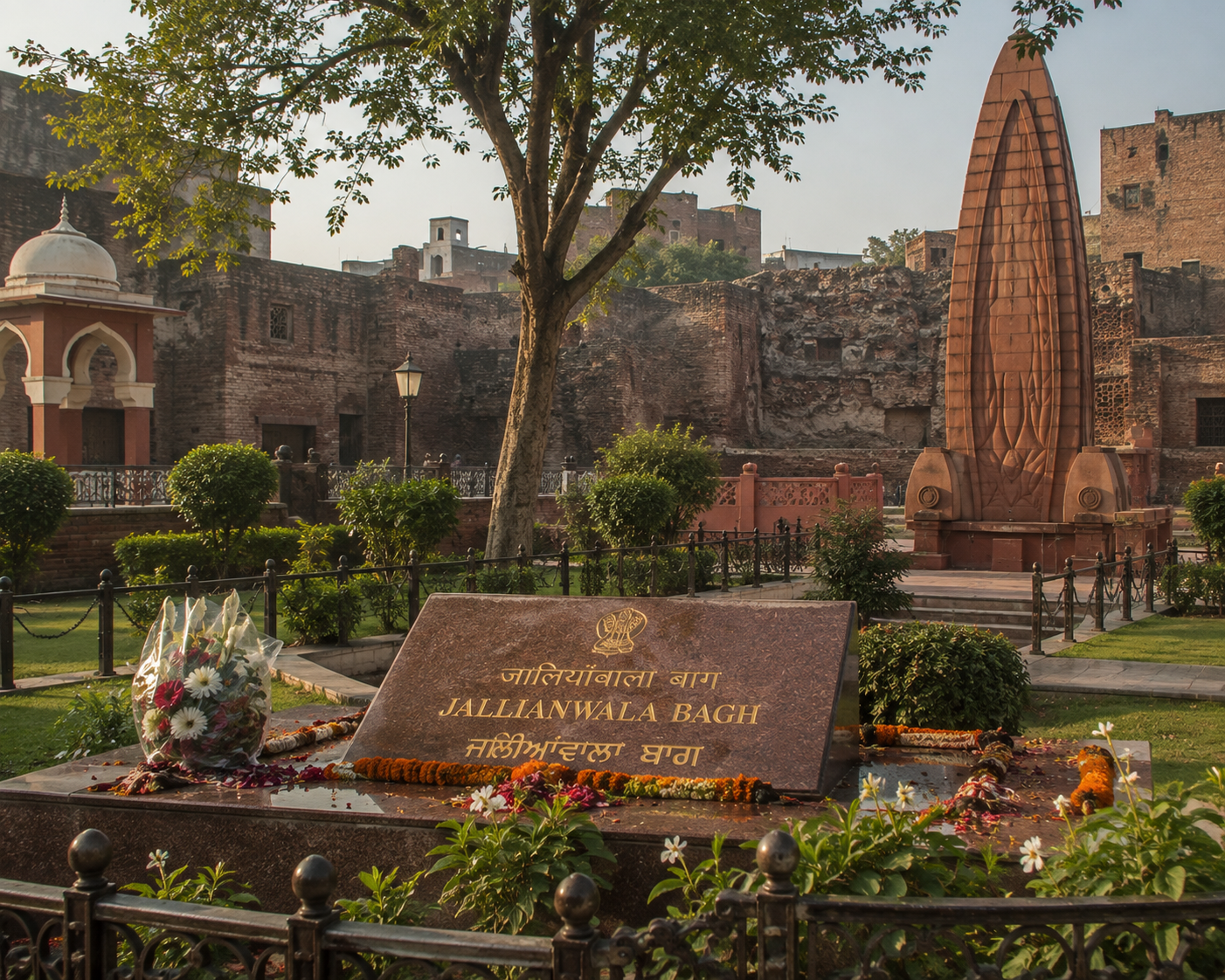
The Rowlatt Act of 1919 allowed the British government to imprison people without trial, ostensibly to control revolutionary activity. Protests broke out across Punjab. In Amritsar, on April 13, 1919, thousands gathered at Jallianwala Bagh, a walled garden, for a peaceful meeting. General Reginald Dyer ordered troops to open fire on the crowd without warning. There was one exit, and it was blocked. Official British figures put the death toll near 400. Indian estimates run far higher.
If there’s a single event that turned moderate Indians into people willing to accept a complete break from British rule, this is it. Rabindranath Tagore renounced his knighthood in protest. Gandhi, who had until then supported cooperation with the British war effort, changed course completely. If you visit Amritsar today, the bullet marks are still preserved in the walls of the garden, and the well where people jumped trying to escape gunfire is still there. It’s a quiet place. It doesn’t need embellishment.
1920 to 1934: Gandhi Takes the Wheel
The Non Cooperation Movement launched in 1920 was the first mass movement of the freedom struggle, asking ordinary Indians to boycott British institutions, schools, courts, titles, foreign cloth. Gandhi called it off abruptly in 1922 after a mob in Chauri Chaura killed several policemen, a decision that frustrated many younger nationalists at the time but stayed consistent with his commitment to nonviolence.
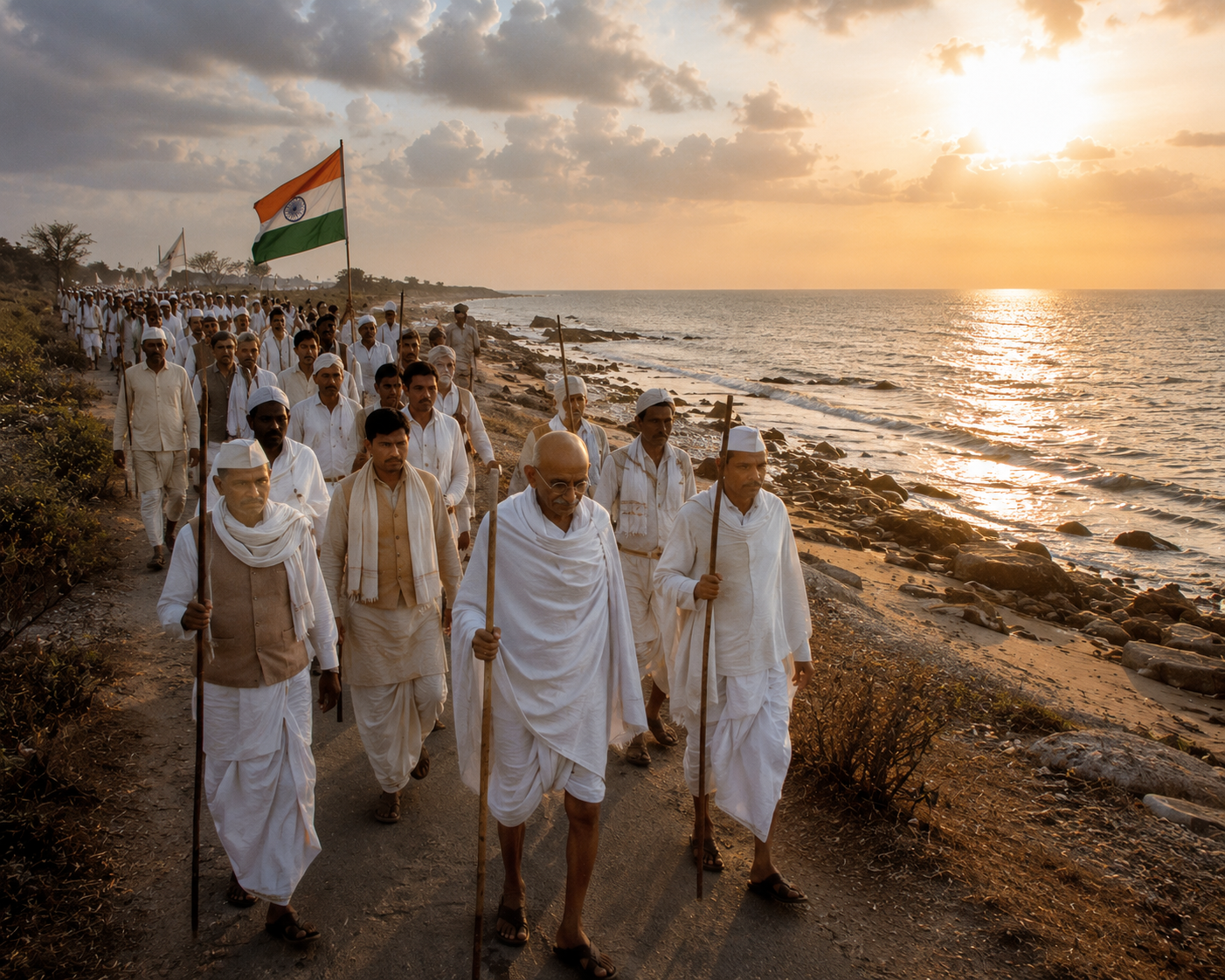
The most visually memorable moment of this whole era is probably the Salt March of 1930. Gandhi walked 240 miles from Sabarmati Ashram to the coastal village of Dandi to make salt by hand, a direct challenge to the British salt tax and monopoly. It sounds almost too simple to matter, salt is cheap, salt is everywhere, why would this threaten an empire. But the symbolism was the point. It showed that a colonial law, no matter how minor it seemed, could be defied openly and peacefully by ordinary people, and it launched the wider Civil Disobedience Movement that followed.
1942: Quit India and the Final Push
By the early 1940s, patience had worn thin on all sides. Britain was consumed by the Second World War and had committed Indian troops and resources without full Indian consent. In August 1942, Congress launched the Quit India Movement, demanding an immediate end to British rule. Gandhi’s message was blunt, do or die. The British response was equally blunt, mass arrests of nearly the entire Congress leadership within hours of the announcement.
With Gandhi and Nehru in jail, the movement continued through underground networks and local leadership, sometimes violently, especially in parts of eastern India. Separately, Subhas Chandra Bose was building the Indian National Army abroad, seeking Axis support to fight British forces directly, a controversial and still debated chapter of the struggle. Quit India didn’t force immediate independence, but it made clear that Britain’s long term hold on India was no longer sustainable, war weary Britain simply lacked the resources and the political will to keep governing India by force.
1946 to 1947: Negotiation, Partition, and Midnight
The years right after the war moved fast. The 1946 Cabinet Mission tried and failed to keep India united under a loose federal structure. Communal tensions, especially between Congress and the Muslim League, had hardened into demands for a separate nation. Direct Action Day in August 1946 triggered widespread communal violence in Calcutta and beyond, making some form of partition feel unavoidable to British and Indian leaders alike.
Lord Mountbatten arrived as the last Viceroy in early 1947 with instructions to transfer power quickly. He moved the date up, announced the plan for partition in June, and left barely two months to divide a subcontinent, its administration, its army, and its people along religious lines. The human cost of that speed is still felt today. Cyril Radcliffe, who had never visited India before, drew the border in five weeks. Millions were displaced. Estimates of the dead in the resulting violence range widely, but it was one of the largest and most violent migrations in human history.
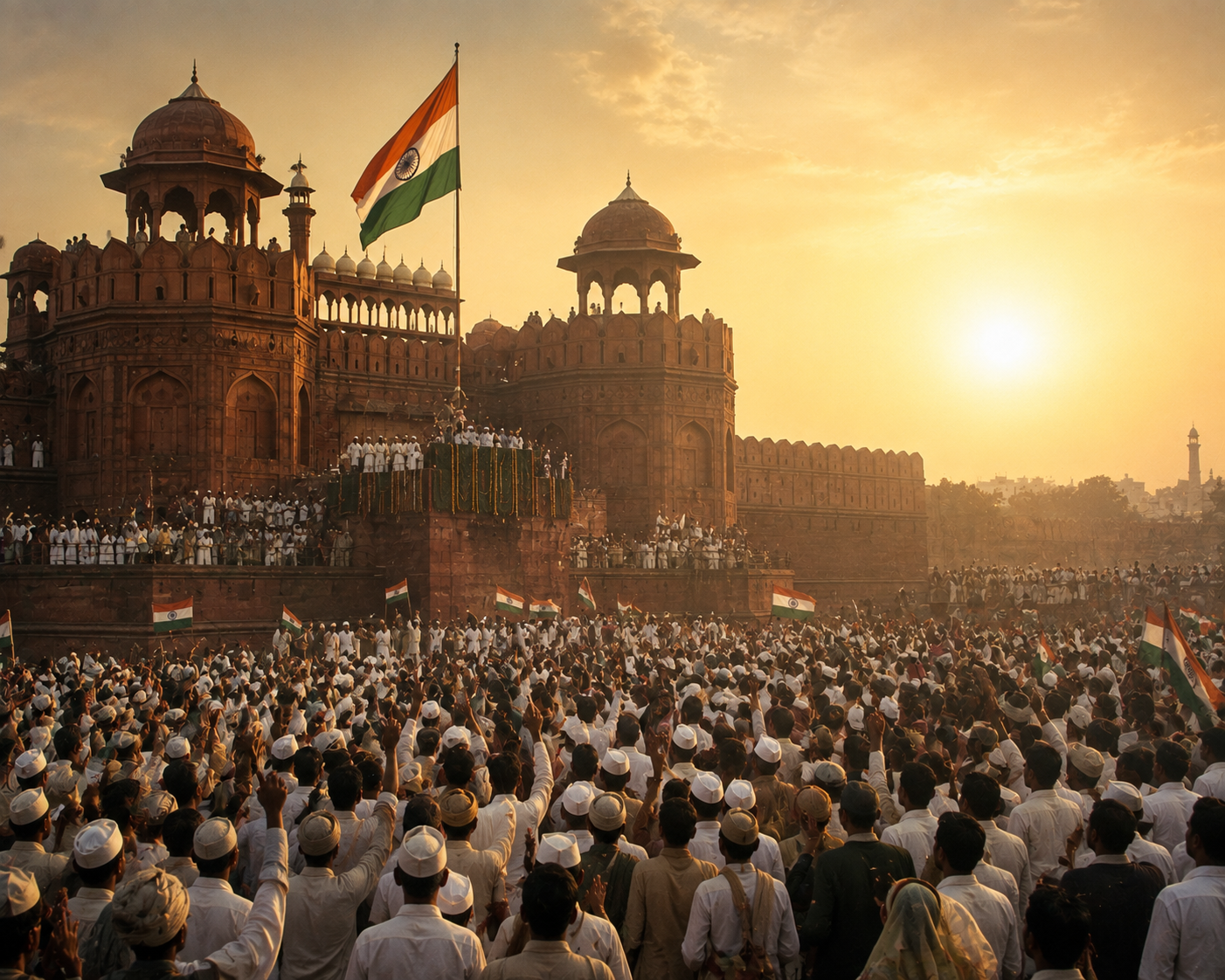
At midnight on August 14 into August 15, 1947, Jawaharlal Nehru delivered his Tryst with Destiny speech, and India became independent. Pakistan had been created a day earlier, on August 14. Nehru raised the flag at the Red Fort the next morning, a tradition every Indian Prime Minister has continued since. It’s worth remembering, standing at the Red Fort today, that this moment arrived soaked in both celebration and grief, in roughly equal measure.
A Traveler’s Note on Old Delhi
Chandni Chowk, the Red Fort, and the neighborhoods around them are essentially living museums of this period. Many buildings there predate 1857, and the lanes themselves saw the fighting, the raids, and later the celebrations of independence. Walking through them with someone who can explain the context makes a real difference, otherwise it’s just old buildings and traffic. Our Old Delhi street food and heritage experience covers several of these sites alongside the food, which is honestly how most locals actually experience this part of the city.
Why This History Still Shows Up in Everyday India
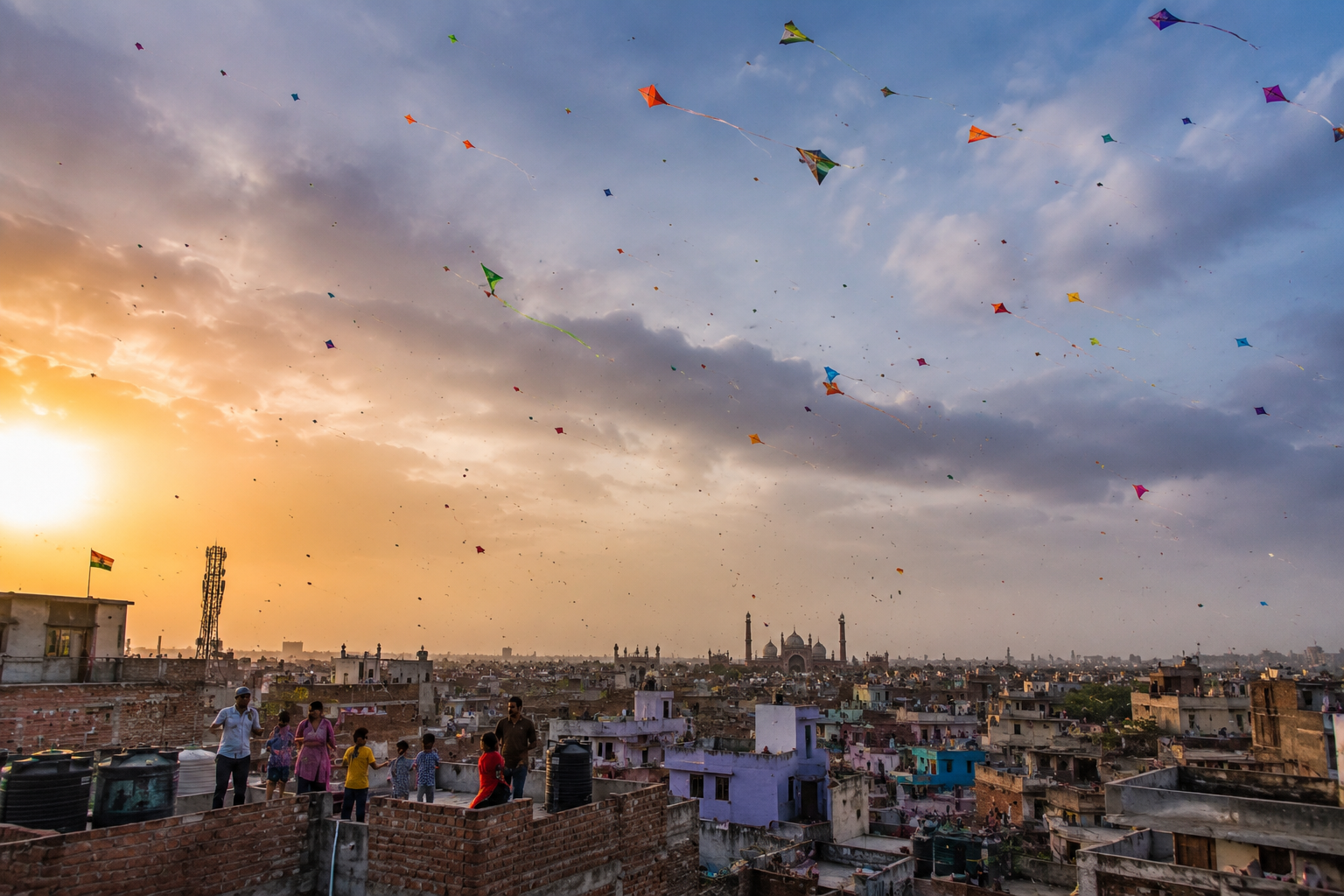
You’ll notice it in small ways. The tricolor on rooftops every August. Streets and metro stations named after freedom fighters most tourists have never heard of, Bhagat Singh, Chandra Shekhar Azad, Rani Lakshmibai. Government buildings that still follow British era layouts. Even the railway network, expanded originally to move British troops and goods, is now the same system travelers use to get from Delhi to Agra or Jaipur.
If you’re building out a longer trip through North India, sites connected to this period sit naturally alongside the classics. A Delhi to Taj Mahal day trip or the full Golden Triangle route through Delhi, Agra, and Jaipur passes through towns and forts that were directly shaped by these events, not just Mughal era monuments layered with colonial history on top.
Frequently Asked Questions
Why is 1857 considered the start of India’s freedom struggle?
The 1857 Revolt was the first large scale, coordinated uprising against British rule across North India. It didn’t achieve independence, but it ended East India Company rule, brought India under direct British Crown control, and established a shared memory of resistance that later movements drew on.
What was the single most important turning point between 1857 and 1947?
Historians disagree, but the Jallianwala Bagh massacre of 1919 is often cited because it shifted large numbers of moderate Indians toward supporting complete independence rather than reform within the British system.
Can I visit sites from India’s freedom movement in Delhi?
Yes. The Red Fort, where Nehru raised the flag in 1947, is the most obvious stop, but the surrounding lanes of Old Delhi and Chandni Chowk carry layers of history from the same period, and a guided walk brings much more of this out than visiting on your own.
Why did India get partitioned in 1947?
Partition resulted from decades of political tension between the Indian National Congress and the Muslim League over how a post British India should be governed, combined with rising communal violence in the mid 1940s and a British decision to withdraw quickly rather than negotiate a slower, unified transition.
Is Jallianwala Bagh worth visiting as a tourist?
Yes, especially if you’re already in Amritsar for the Golden Temple. It’s a solemn, well preserved memorial rather than a dramatic tourist attraction, and it adds real context to Indian history that most travelers only know in outline.
See This History Up Close in Old Delhi
Walk the lanes where this story actually unfolded, then sit down for the food that came out of the same neighborhoods.
Book the Old Delhi Experience