

Everything you need to know about Red Fort, Chandni Chowk, kite flying, street food, metro security and how to actually spend the day if you happen to be in Delhi on August 15.

If you are in Delhi on August 15, you will notice it before anyone tells you. Shopkeepers hang small paper flags above their counters days in advance. Auto rickshaws get tiny tricolour stickers on the windshield. Someone’s balcony three floors up will have a flag that has clearly been used for a few years running, slightly faded but still there every August.
Independence Day in Delhi is not a single event. It is a layered day that starts before dawn at the Red Fort and stretches into the evening at India Gate, with a lot happening in between across neighbourhoods that most tourists never plan to visit on this particular date. Here is what actually happens, and how to make sense of it if you are visiting.
The Red Fort Flag Hoisting Ceremony
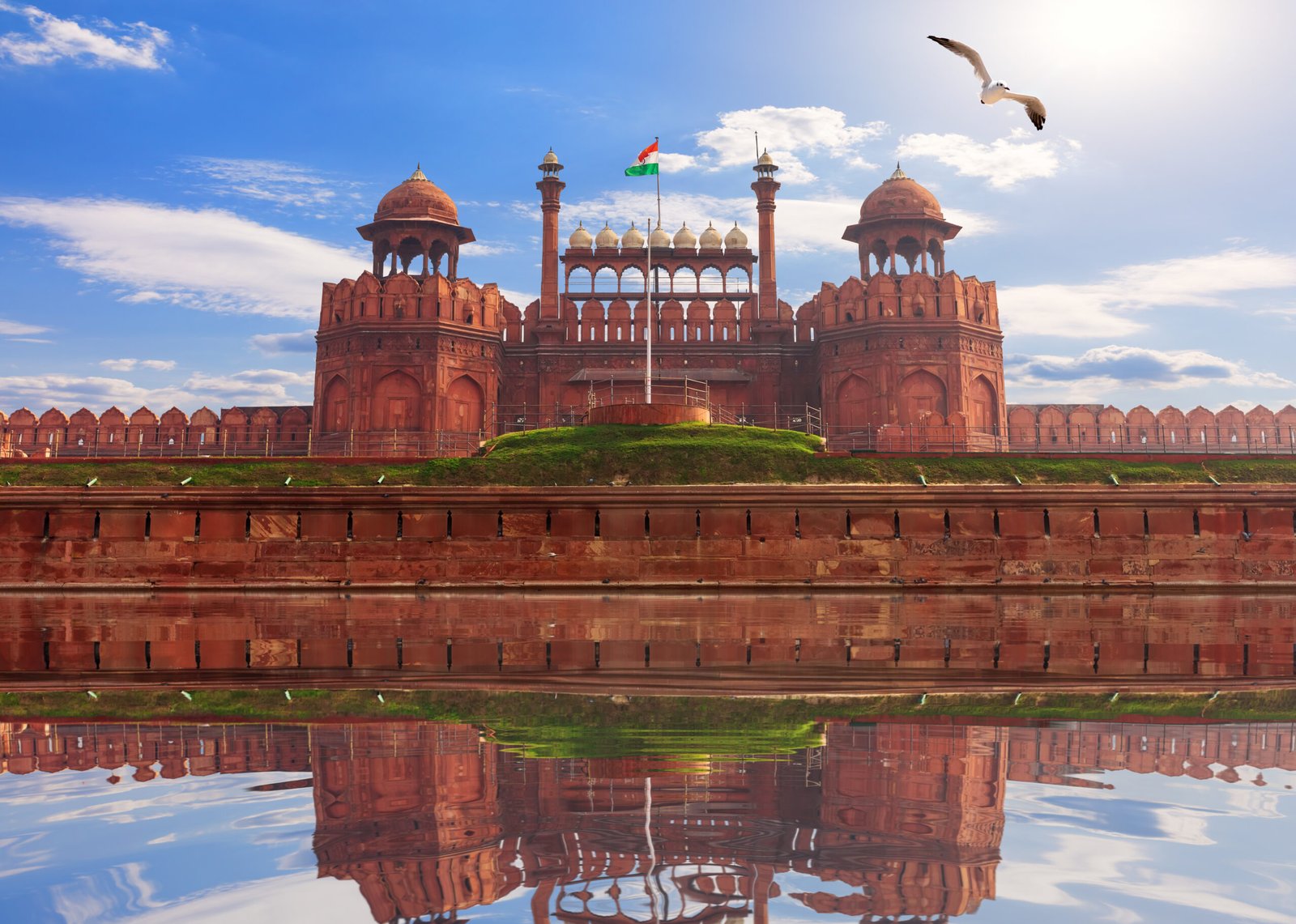
The centre of the day, historically and symbolically, is the Red Fort. On the morning of August 15, 1947, Jawaharlal Nehru raised the Indian flag above the Lahori Gate, and every Prime Minister since has continued the tradition from the same spot.
The ceremony now runs on a fairly fixed script. The Prime Minister arrives, inspects a Guard of Honour, hoists the flag, and a 21 gun salute follows almost immediately. Helicopters shower flower petals over the invitees, and the Prime Minister then delivers the Address to the Nation before the anthem plays again. Doordarshan broadcasts the entire thing live, and it has traditionally opened with the shehnai music of Ustad Bismillah Khan, a detail many Delhiites grew up hearing on the radio every year.
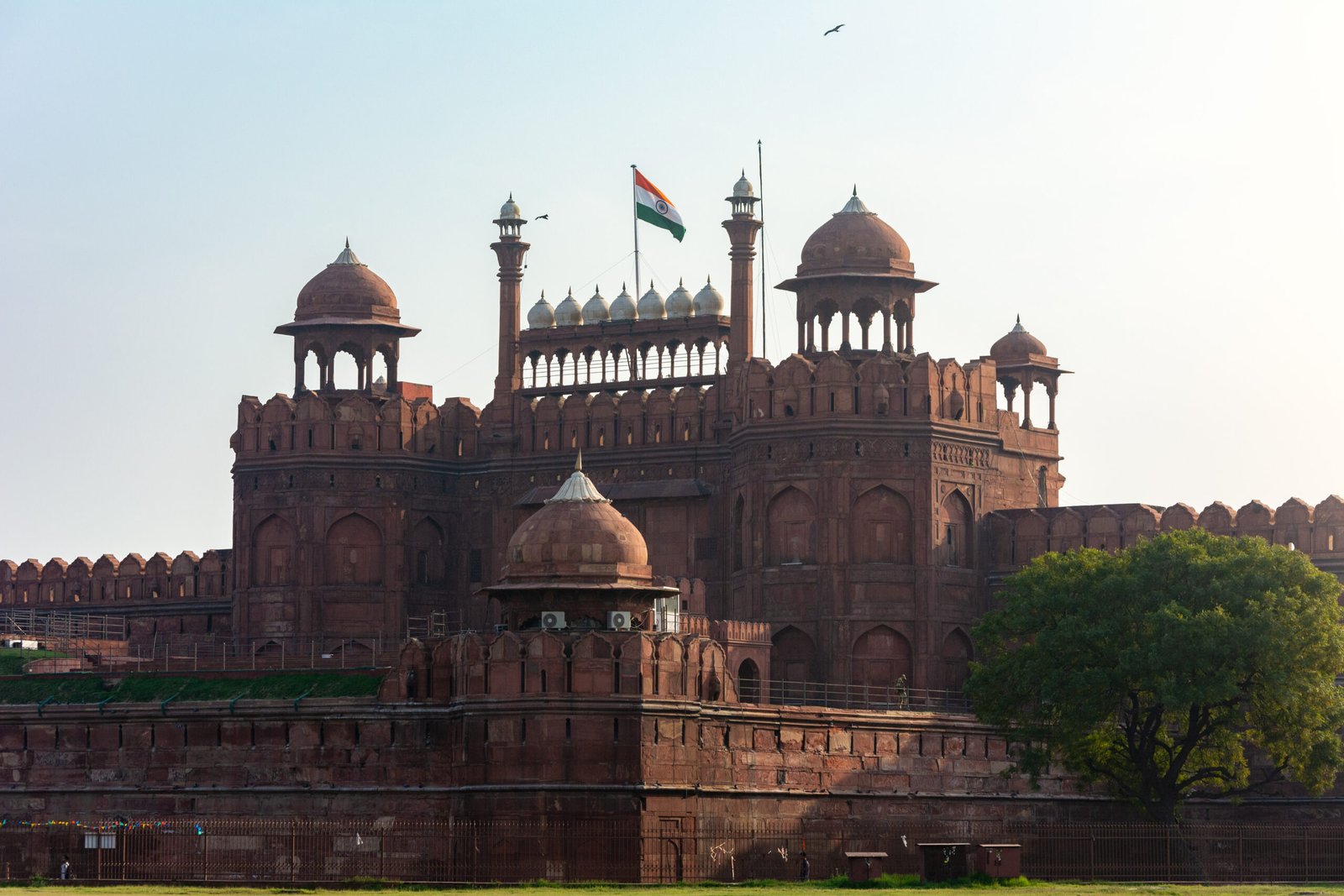
Good to know: Entry to the actual Red Fort ceremony is by e-invitation from the Ministry of Defence, not open ticket sales. Even the Independence Day 2026 public engagement contest issues invites only to selected winners. If you are visiting without one, watching it on television and then visiting the Red Fort itself on a quieter day is the realistic option.
Old Delhi Starts Preparing Days Before
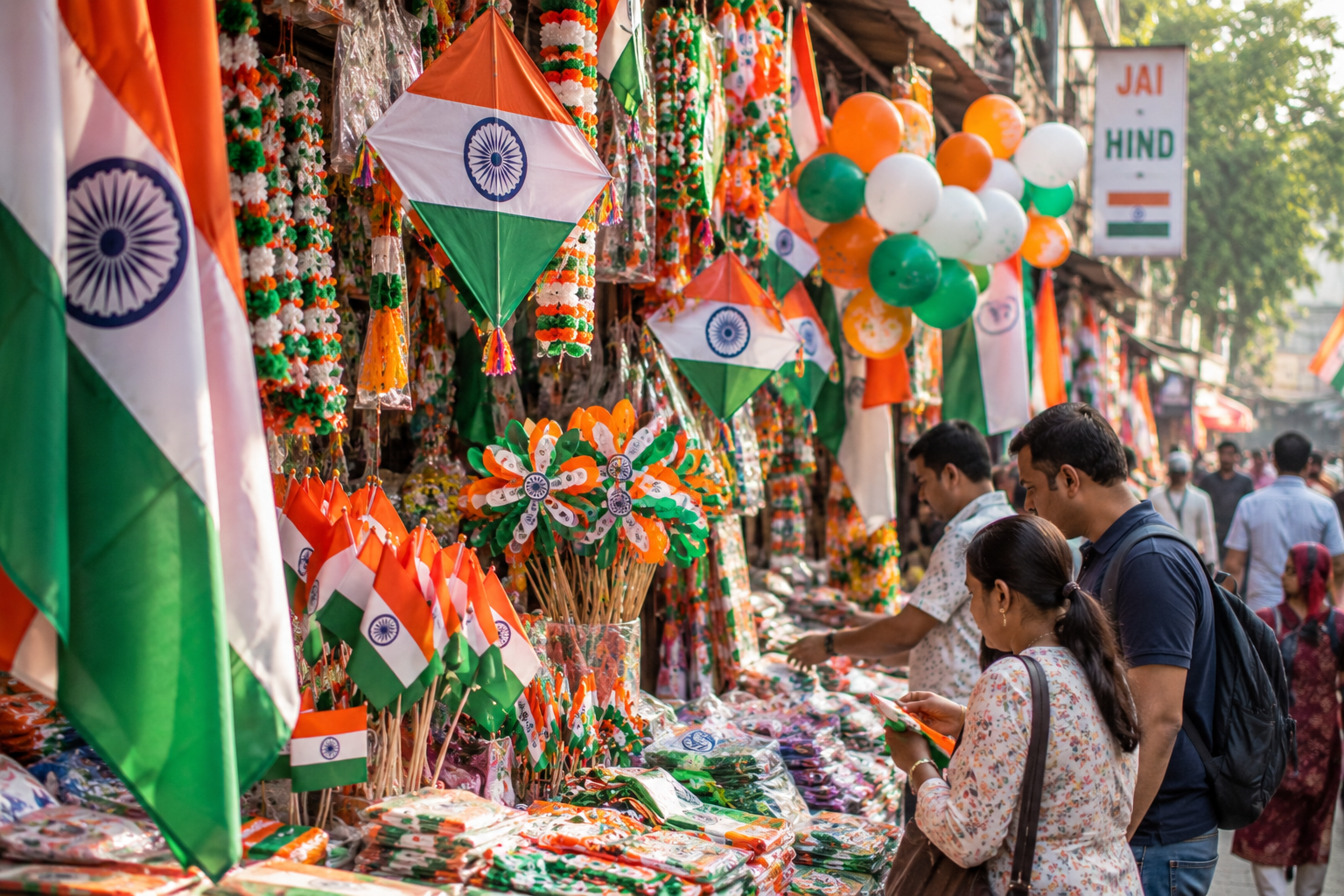
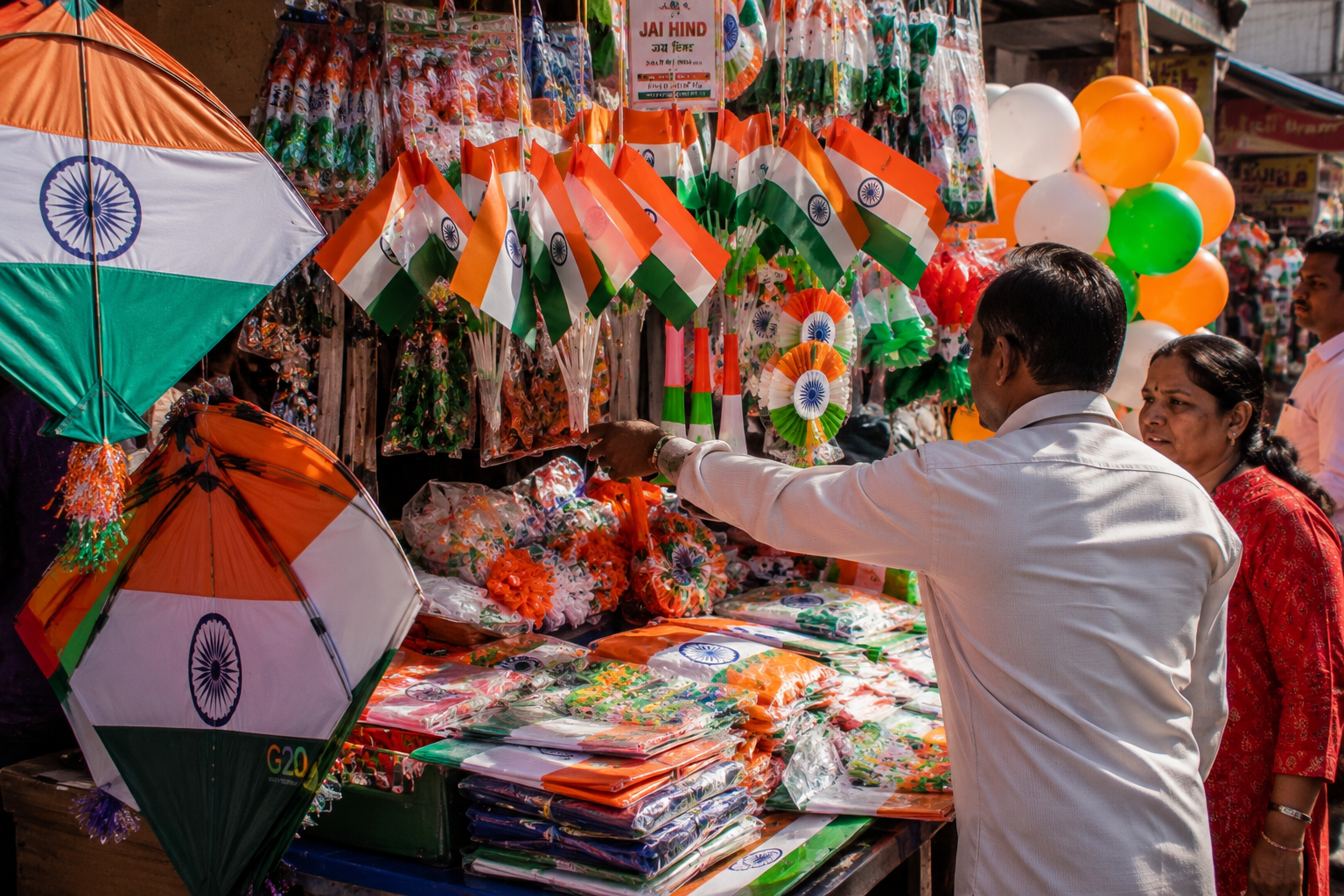
The build up in Old Delhi is honestly more interesting than the ceremony itself for a visitor. In the week leading up to August 15, the lanes around Chandni Chowk fill with stalls selling flags of every size, tricolour wristbands, paper buntings, badges, and balloons in saffron, white and green. Shopkeepers who sell fabric or hardware the rest of the year suddenly have a corner dedicated entirely to flag merchandise.
This year, the government’s Har Ghar Tiranga campaign runs from August 9 to 15, encouraging households to fly the flag at home, and Delhi takes this seriously. You will see flags on scooters, on shop shutters, tucked into car dashboards, and hoisted from windows in residential lanes that otherwise look nothing like postcard India.
Kite Flying: The Part Nobody Warns You About
Ask a Delhi local what Independence Day reminds them of, and a surprising number will say kites before they say the flag hoisting. Rooftops across Old Delhi, especially around Chandni Chowk, fill with families flying kites from morning onward, and the sky genuinely gets crowded with colour. Delhi Tourism itself lists kite flying battles as part of the traditional Independence Day fair, alongside the march past and cultural performances.
Most of these kites come from the Lal Kuan kite market near Fatehpuri Masjid, a stretch of shops that has been supplying kites to Delhi since the Mughal era and still does brisk business every August. If you walk through a few days before the 15th, you will see kite makers working through the afternoon, stacks of paper kites in every colour, and reels of manjha thread being sold by the metre.
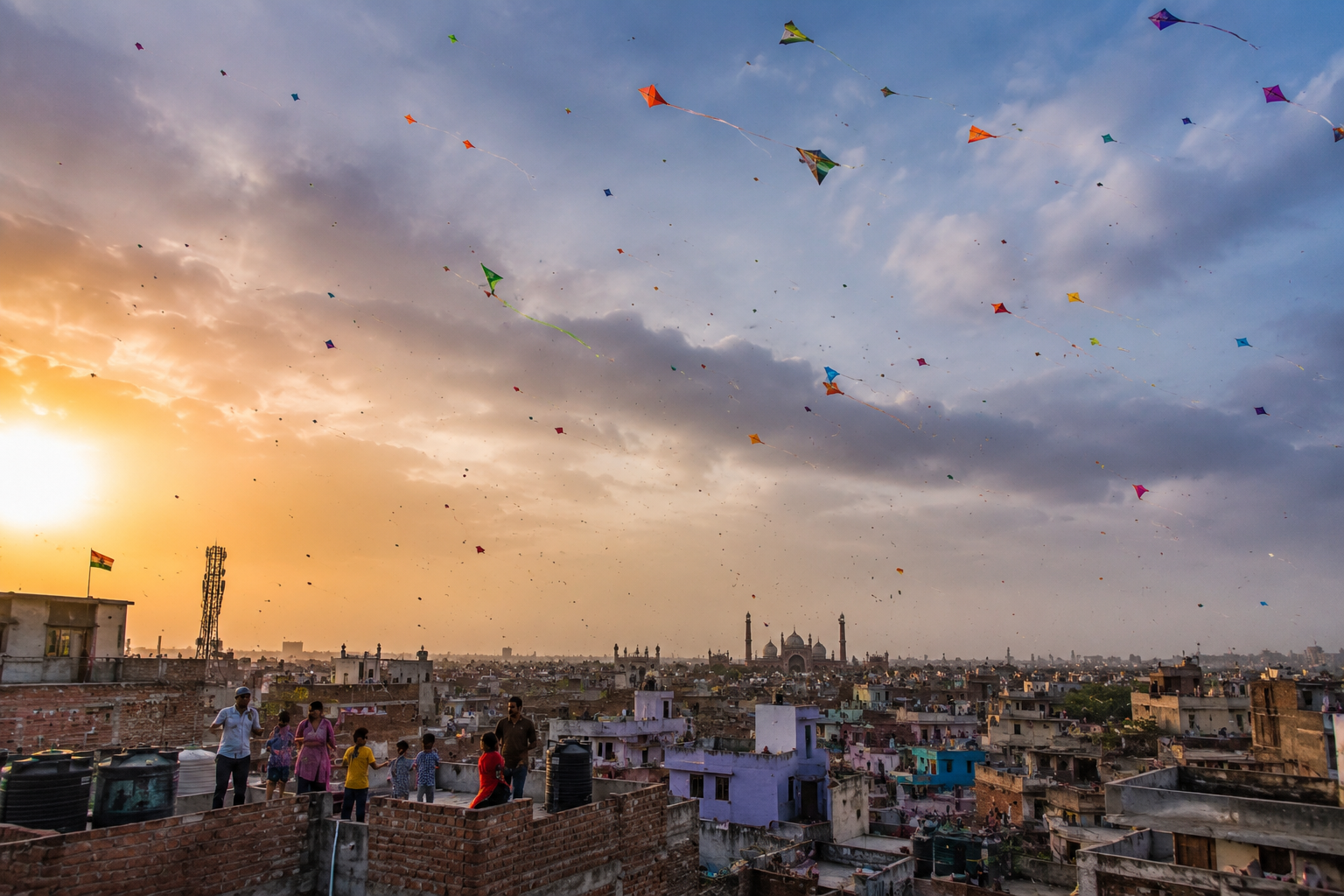
There are informal kite flying duels too, where flyers coat their thread with a mix of glass powder and try to cut down each other’s kites. It looks casual from the street, but people take it seriously, and it is one of those things you will only really notice if you happen to look up while walking through the older parts of the city on the 15th.
What Old Delhi Tastes Like on August 15
Food does not take a day off for Independence Day, and if anything, the street stalls around Old Delhi get busier. Jalebi frying in golden oil, samosas going straight from the pan into paper cones, chaat carts doing their usual brisk trade, all of it continues as normal, sometimes with tricolour touches like an orange and green chutney plate or a saffron coloured chuski for kids.
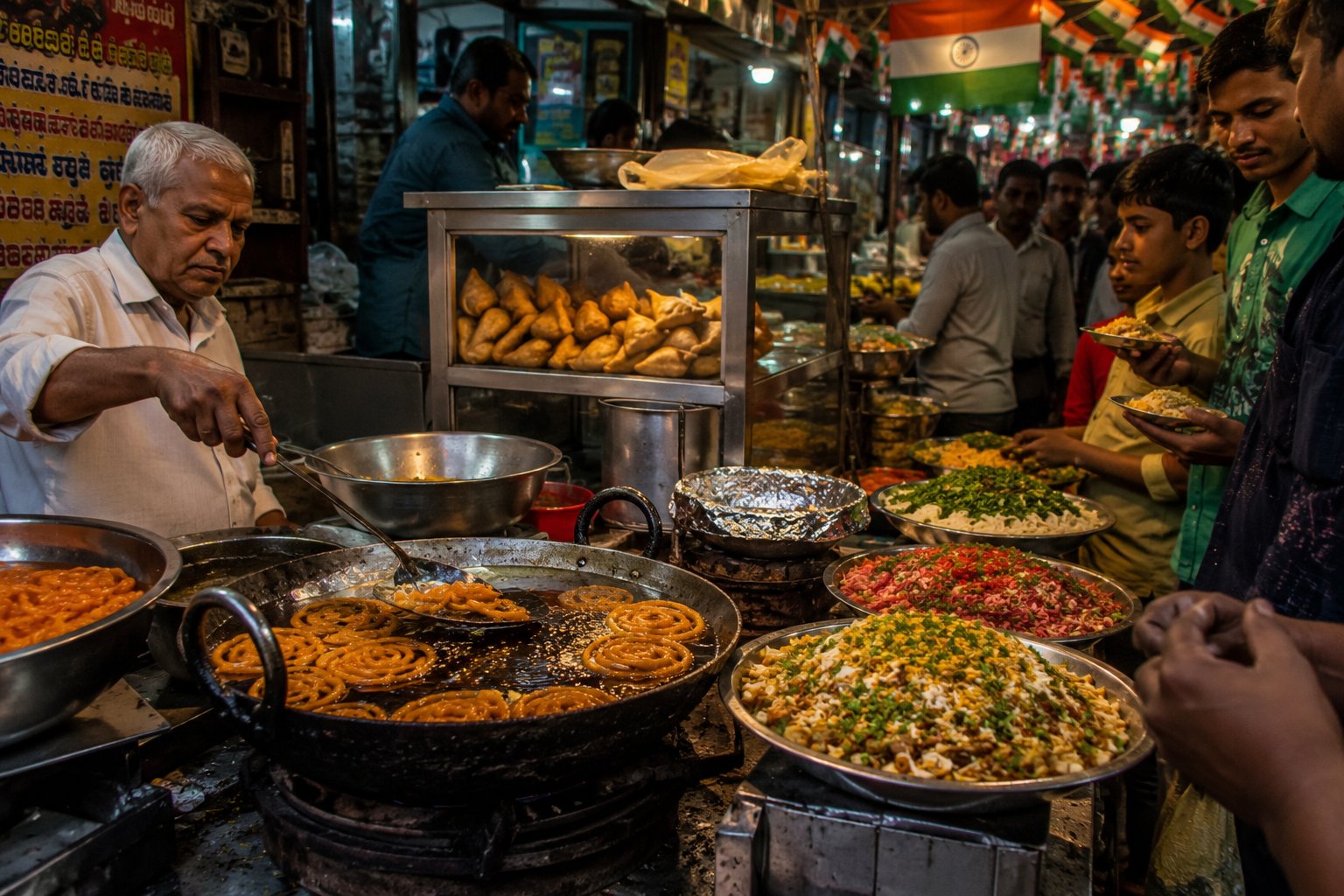
This is genuinely one of the better times to do a street food walk in the city, mainly because the atmosphere carries an extra layer of energy that you do not get on an ordinary Tuesday. If you want to actually understand what is being cooked and why, rather than just pointing at food and hoping for the best, a guided tasting makes a real difference. Our luxury Old Delhi street food tasting in a local home and the best street food beyond Old Delhi itinerary both work well if you happen to be in the city around this time.
Getting Around Delhi on Independence Day
This is the practical part that most travel articles skip, and it matters. Security in Delhi tightens noticeably in the days around August 15. The Central Industrial Security Force intensifies checks across every metro station roughly a week before the 15th, and this continues through August 16. Expect longer queues, full baggage screening, and possible manual frisking at metro entry points.
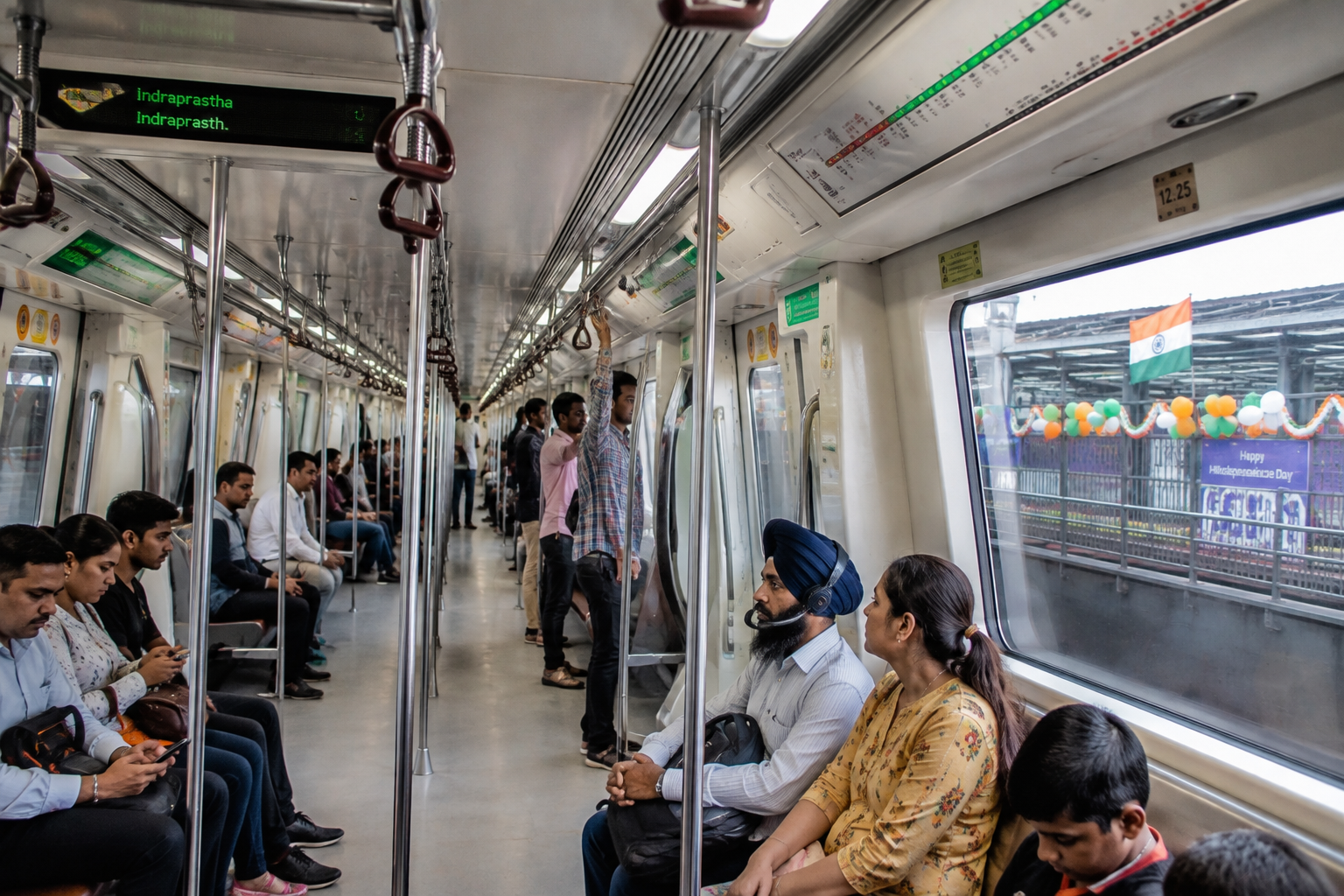
On the morning of the 15th itself, the metro starts as early as 4am to move visitors toward the Red Fort ceremony, and roads around Chandni Chowk, Netaji Subhash Marg, and the areas near Lal Quila, Jama Masjid and Delhi Gate metro stations see traffic restrictions until late morning. If your hotel is anywhere near Old Delhi, plan your day around this rather than against it.
- Carry a light bag. Screening moves faster with less to check.
- Avoid driving near Chandni Chowk or Red Fort before noon on August 15.
- The metro is genuinely the most reliable way to move around the city that day.
- Roads in and out of central Delhi close for most of the parade window, so build in extra travel time.
India Gate in the Evening
Where the morning belongs to the Red Fort, the evening belongs to India Gate. Families walk along the lawns, buy roasted corn and ice cream from vendors, and the night sees several buildings across the city illuminated with lights in the colours of the flag. It is a slower, more social version of the day, closer to how ordinary Delhi families actually mark the occasion rather than the formal ceremony hours earlier.
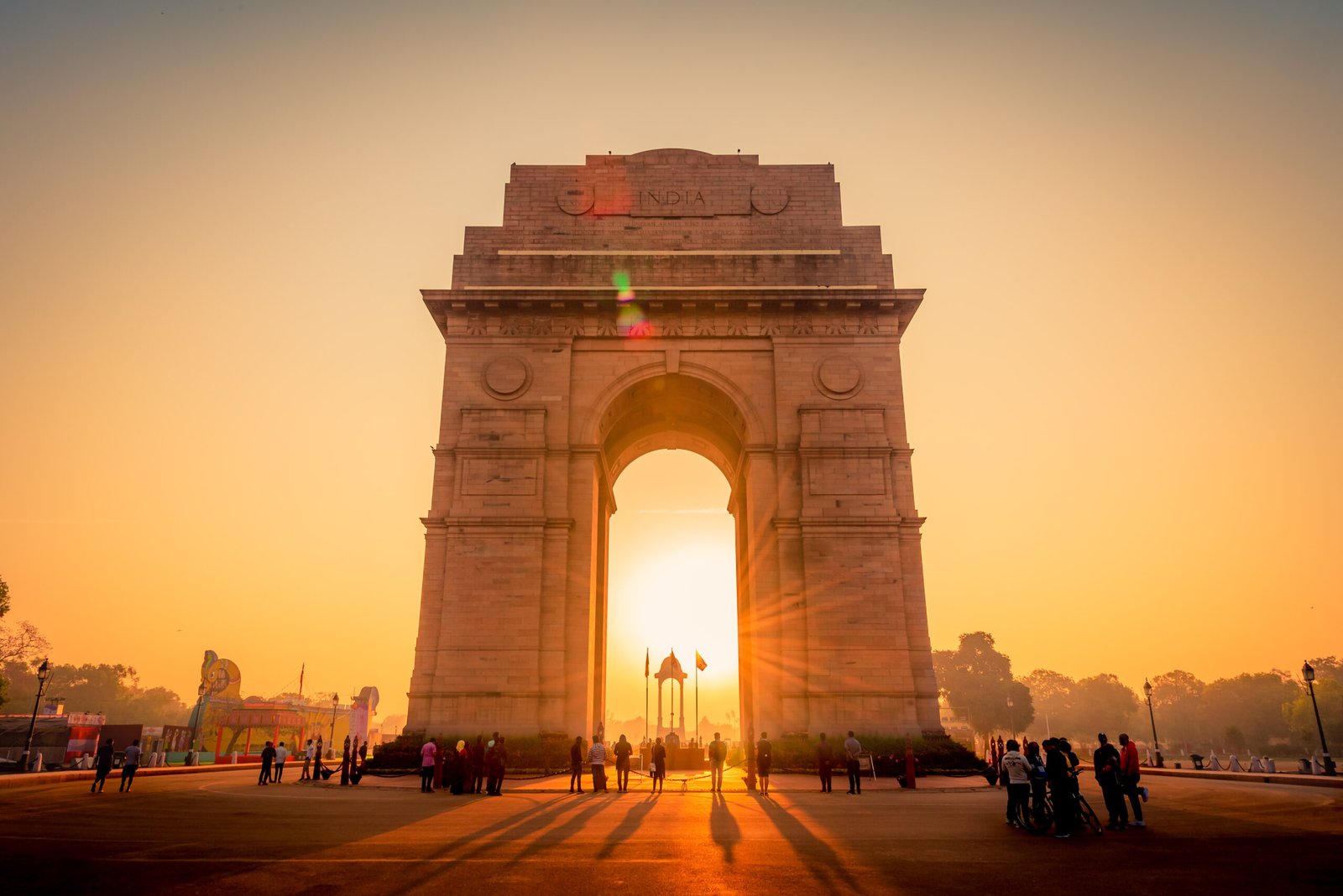
If you only have time for one evening outing on the 15th, this is it. Go around sunset, walk slowly, and expect it to be crowded. It usually is.
What the Day Actually Feels Like
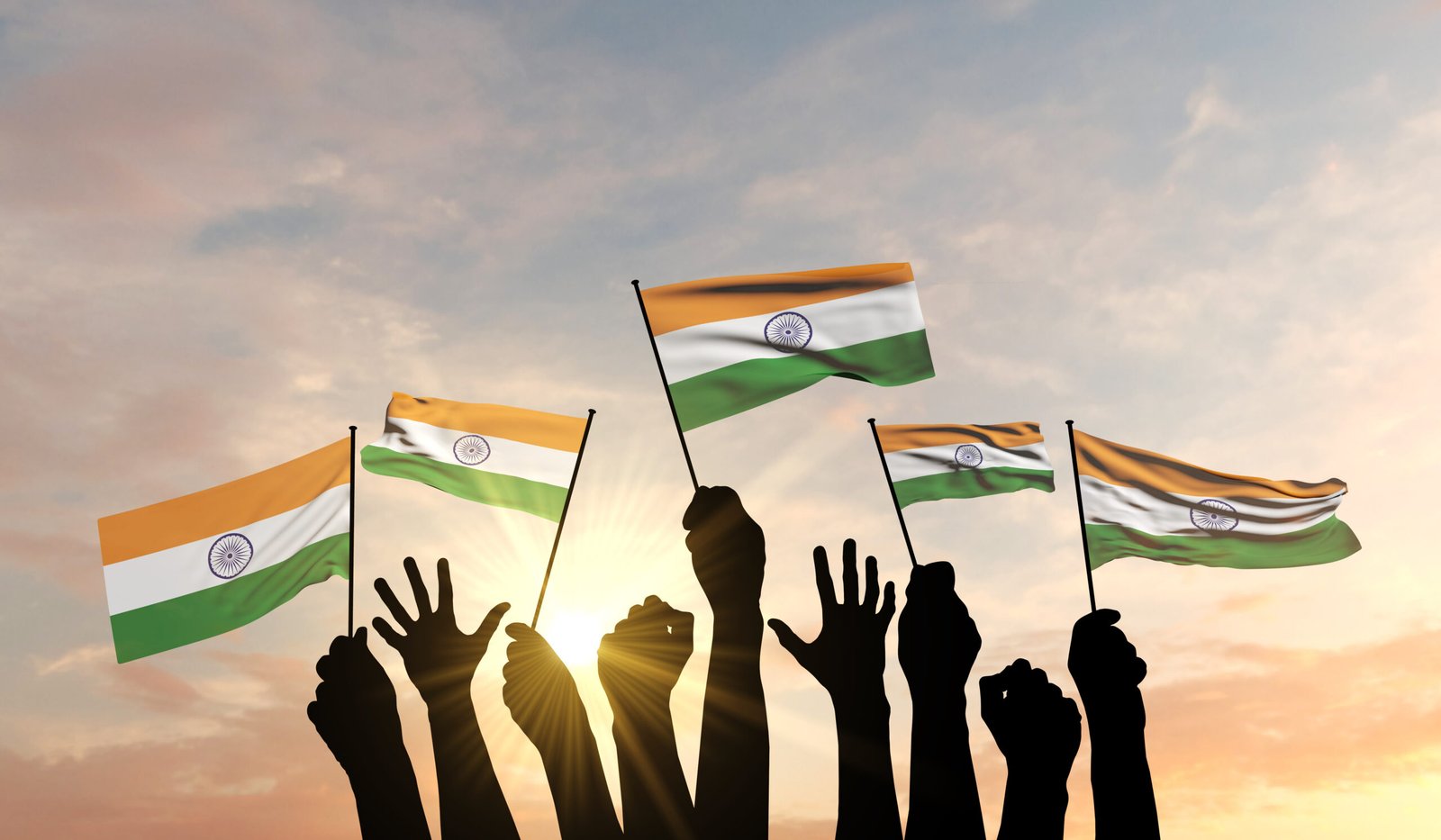
There is a specific kind of pride that shows up in Delhi on this day, and it is not performative. You will see college students taking selfies with small flags, older men who clearly remember an earlier generation of these celebrations, and shopkeepers who have decorated their storefronts without being asked to by anyone. It is not loud in the way a festival is loud. It is more of a quiet insistence that the day matters.

For a foreign traveler, this is often the part that lands hardest, not the parade or the fireworks, but the small, personal ways people choose to participate. A flag on a bicycle. A child’s face painted saffron, white and green. None of it is staged for visitors, which is exactly what makes it worth paying attention to.
How to Spend the Day if You Are Visiting
Since the Red Fort ceremony itself is not open to walk in tourists, the more rewarding way to spend Independence Day in Delhi is to lean into the parts of the city that are open to you. A morning walk through Chandni Chowk to see the flag markets and kite shops, an afternoon street food tasting, and an evening at India Gate covers most of what makes the day distinctive.
If security and crowds around Old Delhi feel like too much for one day, spending a few hours in a quieter, more personal setting works just as well. A chai master class in an Indian family home or a hands on cooking class covering six dishes gives you a calmer, closer look at Delhi life without needing to navigate security lines, and you still walk away with a genuine sense of how people here actually live and eat.
Traveler tip: Book any Old Delhi walking or food experience for either a few days before or a few days after August 15. The neighbourhood is still worth visiting on the day itself, but you will get a more relaxed version of it outside the immediate security window.
Extending Your Trip Around Independence Day
Since August 15 is a national holiday, it often pairs well with a short getaway if you have the extra days. Delhi’s proximity to Agra and Jaipur makes this easy. A day trip to the Taj Mahal or a same day tour to Jaipur both work as an extension once the Independence Day crowds in central Delhi thin out. For those with a full week, the Golden Triangle route covering Delhi, Agra and Jaipur with a Ranthambore tiger safari is a solid way to turn the holiday into a longer, fuller trip.
Want to experience Delhi like a local this Independence Day?
Join a chai master class, a hands on cooking session, or a guided street food walk in Old Delhi and see the city beyond the flag hoisting and the crowds.
Book the Chai Master Class Explore Old Delhi Food ToursFrequently Asked Questions
Can tourists attend the Red Fort flag hoisting ceremony?
Not without an invitation. Entry is controlled through e-invitation cards issued by the Ministry of Defence, so most tourists watch it on television or visit the Red Fort itself on a different day instead.
Is Delhi safe to visit on Independence Day?
Yes. Security is actually higher than usual, with intensified checks at metro stations and around key government buildings from roughly a week before August 15 through the 16th. It can mean longer queues, but it is a well managed, low risk period to be in the city.
What roads are closed in Delhi on August 15?
Roads around the Red Fort, Chandni Chowk, and Netaji Subhash Marg see restrictions in the morning hours, roughly from 4am to 10am, to manage the ceremony and its guests. Traffic usually returns to normal by late morning.
What is the best area in Delhi to experience Independence Day?
Chandni Chowk and the wider Old Delhi area for the atmosphere, flag markets and kite flying, and India Gate in the evening for the lit up buildings and the more relaxed family crowd.
Is the Delhi Metro running on Independence Day?
Yes, and it usually starts earlier than normal, around 4am, specifically to help move people toward the Red Fort area. It remains the most reliable way to travel across the city that day given the road closures.
Do hotels and markets stay open on Independence Day in Delhi?
Most markets, restaurants and street food stalls stay open as usual, since it is a day people spend out and about rather than indoors. Government offices and banks are closed for the holiday.