
20 Things Foreign Tourists Should Know Before Visiting India in August
August is not the month most guidebooks recommend for India, and there is a reason for that. It is monsoon season across most of the country, the air is thick, and the streets in cities like Delhi can flood within an hour of a heavy downpour. But it is also a month with fewer crowds, lower prices, greener landscapes than you will see any other time of year, and a run of festivals that show a different, more personal side of the country. If you already have August tickets booked, or you are trying to decide whether the timing works, here is what you actually need to know, not the generic version.
1. August means monsoon, not a wash out
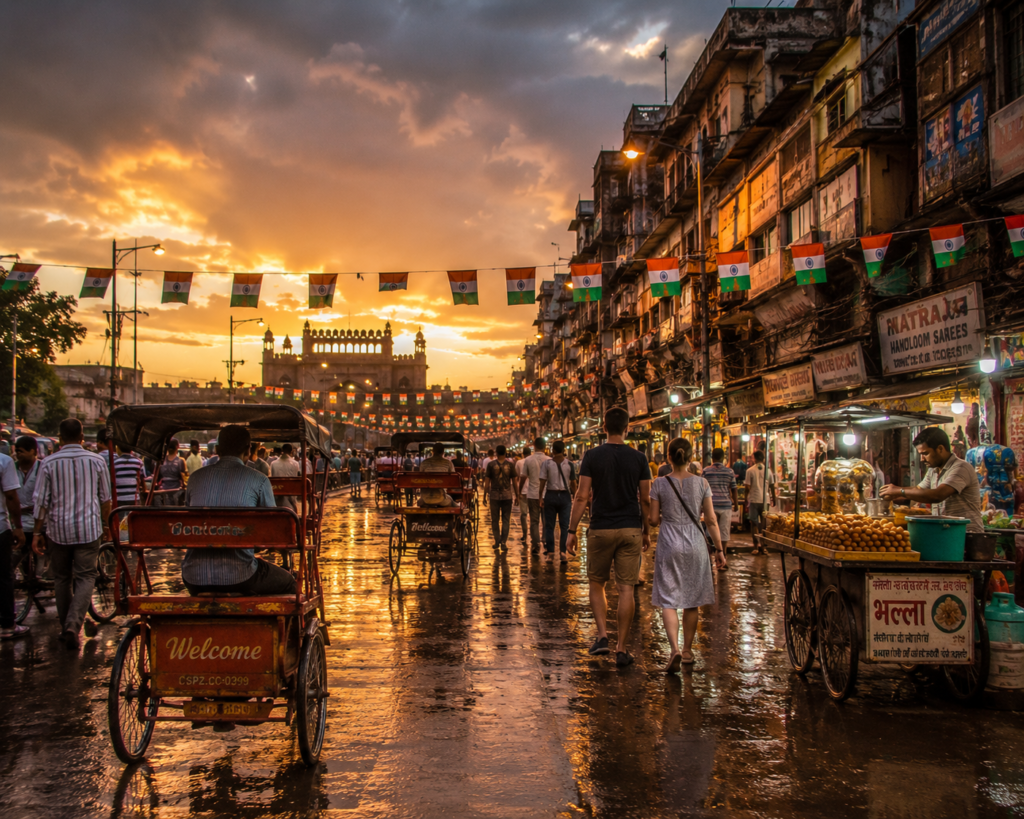
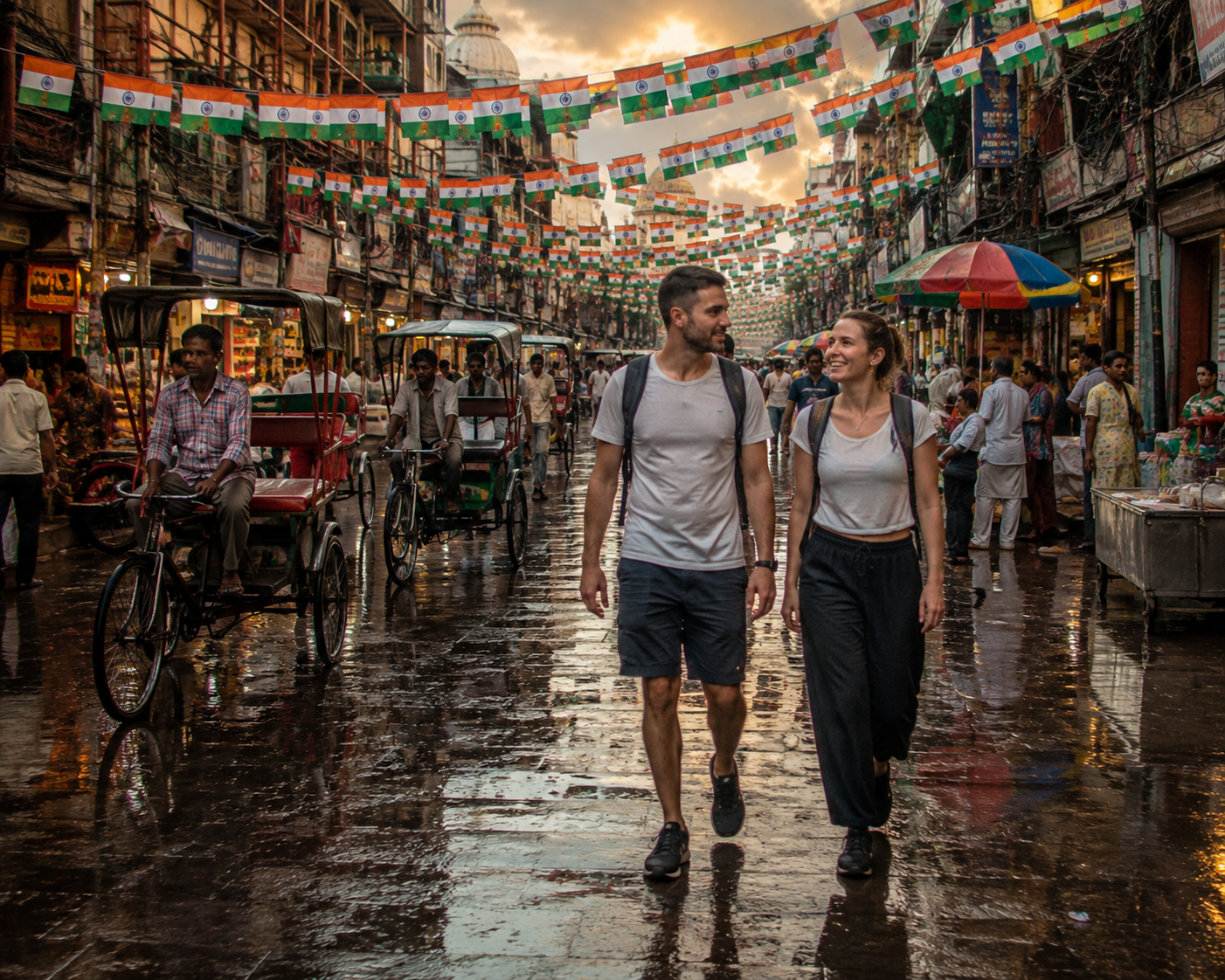
Most of India, including Delhi, sits deep in monsoon season through August. That does not mean it rains all day every day. What it usually looks like is a heavy burst for thirty minutes to a couple of hours, then humid sunshine, then maybe another burst by evening. Delhi’s average daytime high in August hovers around 33°C with roughly 15 rainy days in the month, so plan around short windows of rain rather than writing off the whole day.
2. Humidity will affect you more than the heat
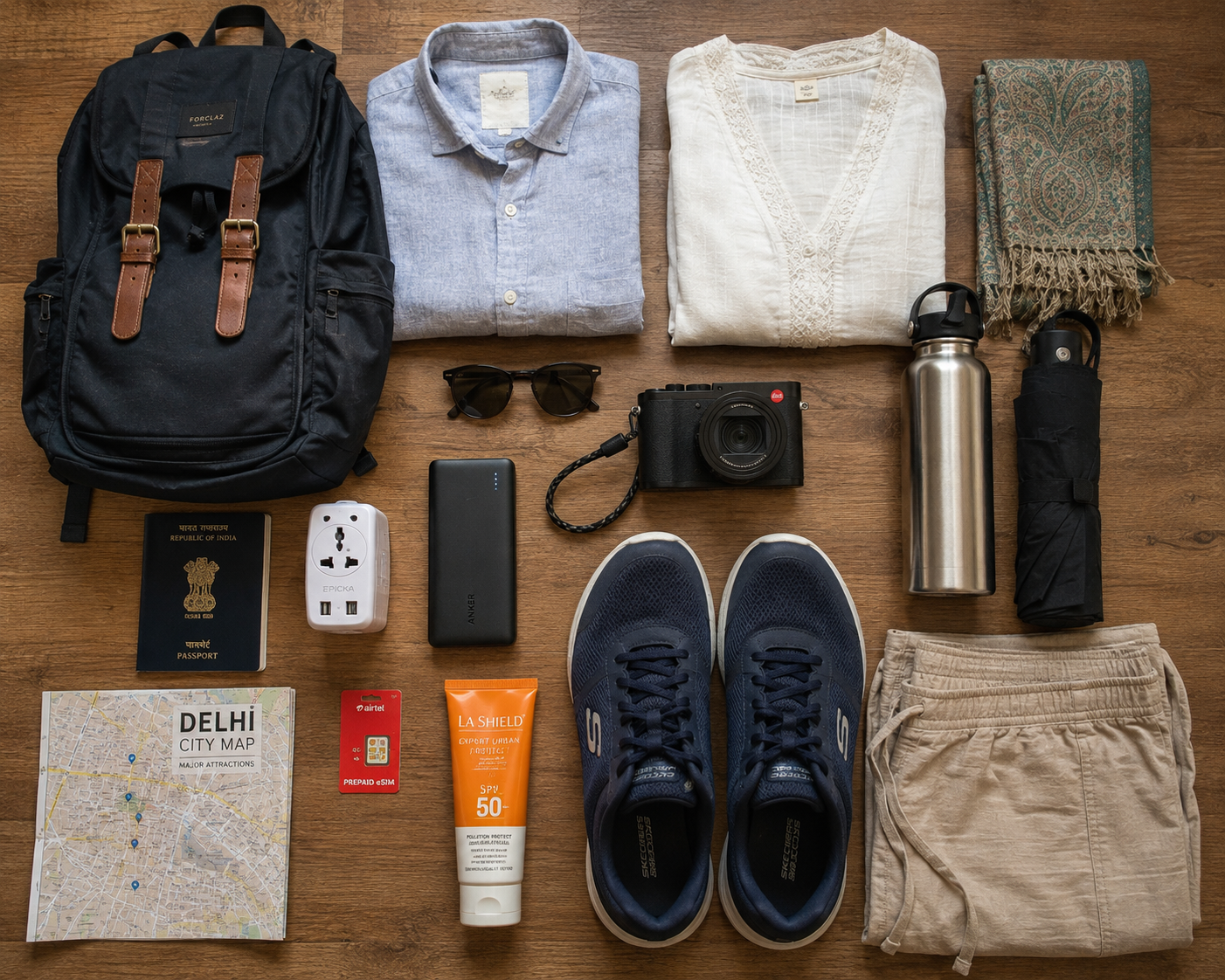
Temperatures in Delhi in August are actually a little lower than the brutal peak of May and June. The problem is humidity. It sits heavy, clothes take longer to dry, and you will sweat through outfits faster than you expect. Pack cotton or linen over synthetic fabrics, and bring more changes of clothes than you think you need.
3. Pack for rain, not for a downpour disaster
A compact umbrella works better than a raincoat in Indian cities because you are moving between covered markets, cars, and shops constantly. Quick dry shoes or sandals with grip matter more than waterproof boots. Skip anything leather for footwear this month, it will not thank you for the puddles.
4. Street flooding is a real, if temporary, issue
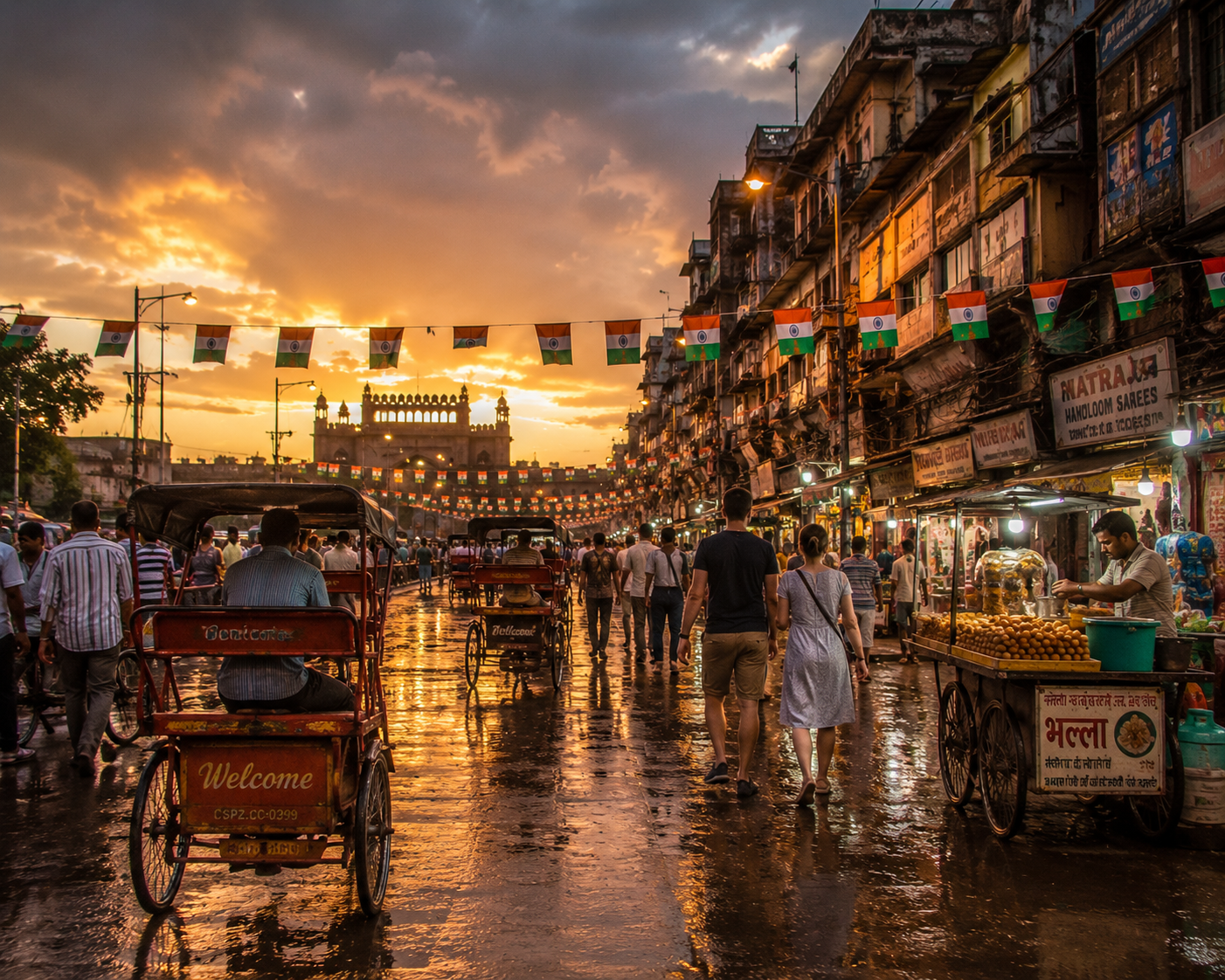
Old parts of Delhi, including areas around Chandni Chowk, can get waterlogged fast during heavy spells because drainage in older neighborhoods was not built for today’s rainfall intensity. It usually clears within an hour or two. Locals just wait it out in a shop or a chai stall, which is honestly not a bad way to pass the time.
5. August is festival season, and that is one of its best features
Raksha Bandhan, Krishna Janmashtami, and Independence Day on August 15 all fall in this month. Independence Day in particular brings flag ceremonies, patriotic songs playing from shops, and a genuine mood shift across the country that is worth experiencing even as an outsider.
6. Some sites see tighter security around August 15
Because Independence Day is a national event, expect increased security and possible road closures near Red Fort and other government areas in Delhi in the days around it. Build extra time into your schedule if your itinerary includes central Delhi that week.
7. This is genuinely a low season, and that works in your favor
Fewer international tourists travel in August, which means shorter lines at monuments, easier hotel bookings, and often noticeably lower prices on rooms and some tours. If you dislike crowds at places like the Taj Mahal, this is one of the quieter windows to see it.
8. Street food needs a slightly more careful approach this month
Rain and humidity are exactly the conditions that let bacteria multiply faster, so the usual street food rules matter more, not less. Eat where there is a steady queue of locals, choose food cooked fresh in front of you, and avoid anything that has been sitting out, particularly cut fruit or pre made chutneys. A guided food walk with someone who knows which stalls turn over their ingredients fast is a much safer way to actually enjoy Old Delhi’s food scene this time of year.
9. Tap water is off the table, but bottled water needs checking too
Stick to sealed bottled water and check the seal before you drink. Fake refilled bottles do exist in some tourist heavy spots, though they are far less common than online forums suggest. Carrying a bottle with a built in filter is a good backup if you want to reduce plastic waste.
10. Mosquitoes are more active during monsoon
With standing water around, mosquito activity rises in August. Carry a DEET based repellent, especially for evenings, and speak to your doctor beforehand about whether preventive measures make sense for the regions on your itinerary.
11. Roads and drainage can slow down transport
A heavy rain spell can turn a fifteen minute drive into forty five minutes in cities with older infrastructure. Ride hailing apps like Uber and Ola still work, but build in buffer time between activities rather than scheduling things back to back.
12. Hill stations and certain regions carry landslide risk
If your India trip includes the Himalayan foothills, parts of the Western Ghats, or hill towns generally, August is when landslides and road closures are most likely. Check regional weather forecasts a few days ahead and keep your plans flexible if that region is on your route.
13. Flight and train delays happen more often
Heavy rain affects both air and rail schedules. If you have a tight connection, especially involving a flight right after a long train journey, add a cushion of at least a few hours rather than booking things back to back.
14. Air quality in Delhi is actually better in August
Unlike winter, when pollution levels in North India spike, the monsoon rains wash particulate matter out of the air. August is one of the better months in Delhi for breathing easy, which is a detail most guides skip entirely.
15. Sunscreen still matters, even under clouds
UV exposure does not disappear just because the sky is overcast. Keep applying sunscreen, particularly if you are out walking through markets or monument complexes for hours at a time.
16. Some outdoor tours may need last minute adjusting
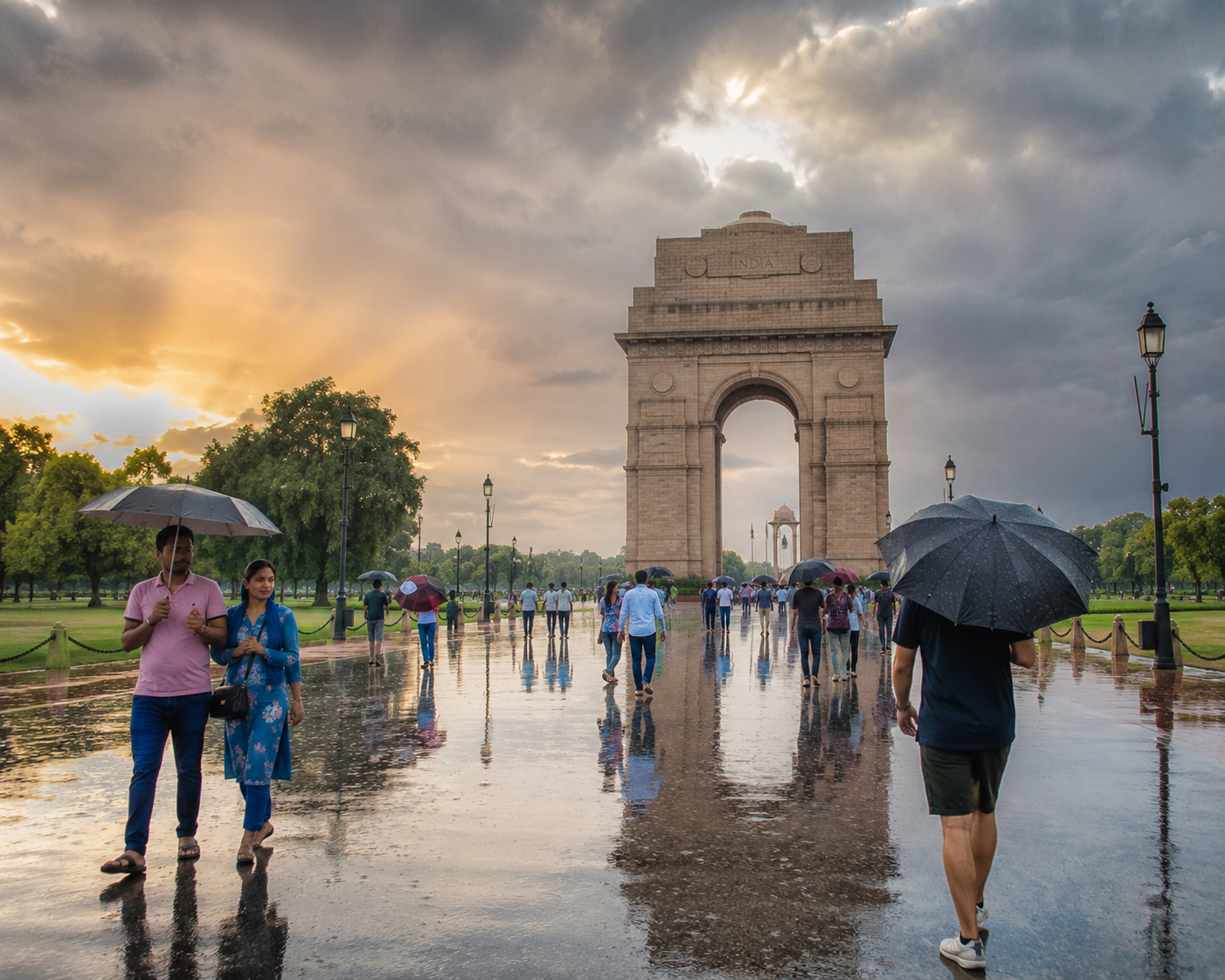
A well planned walking tour or day trip can usually work around a rain forecast, shifting timing by an hour or building in indoor stops. What matters is choosing operators who are upfront about this rather than promising a fixed schedule regardless of weather. Ask before booking how they handle a sudden downpour.
17. Bargaining etiquette does not change, but patience might run shorter
Heat and humidity shorten tempers, including yours. Keep bargaining friendly and unhurried in markets, and remember that a shopkeeper standing in a flooded lane all day is having a harder day than you are.
18. Solo and women travelers should stick to the same core rules, just with earlier evenings
Rain related transport delays mean it makes sense to plan your day so you are back at your hotel a little earlier than usual, particularly if you are traveling solo. The core safety advice for India does not change with the season, dress modestly in religious sites, avoid isolated areas after dark, and trust your instincts over unsolicited help from strangers.
19. Scam patterns shift slightly around monsoon
Umbrella sellers, rickshaw drivers claiming roads are closed ahead to reroute you somewhere, and inflated taxi fares during sudden rain are common August specific versions of the usual scams. Agree on a price before getting into any vehicle, and use metered or app based transport whenever it is available.
20. The green season has its own kind of beauty
Beyond the practical concerns, August turns much of India visibly green. Fields outside cities, gardens, and even Delhi’s parks look different than they do in the dry, dusty months. A rain washed evening in Chandni Chowk with the sun breaking through afterward is genuinely one of the more photogenic moments the city offers, even if you have to wait it out under an awning first.
Should you actually visit India in August?
If you can handle humidity, keep your plans a little flexible, and do not mind an occasional rain delay, August rewards you with fewer crowds, better prices, cleaner air in North India, and festivals that most tourists never see in person. It is not the postcard version of India that October to March offers, but it is a more honest and less crowded one.
Experience Delhi the Way Locals Actually Live It
Skip the guesswork and join a small group food walk or cooking experience that already accounts for monsoon timing and safe, fresh food choices.
Explore Old Delhi Food ExperiencesFrequently Asked Questions
Is August a good time to visit India?
It depends on your priorities. August is monsoon season with heat, humidity, and occasional flooding in cities like Delhi, but it also means fewer tourists, lower hotel prices, cleaner air than winter months, and access to festivals like Raksha Bandhan and Independence Day.
Does it rain every day in India in August?
No. Delhi sees around 15 rainy days in August on average, usually as short, heavy bursts rather than all day rain. Plan flexible outdoor time and keep an umbrella handy rather than expecting constant rain.
Is street food safe to eat in Delhi during monsoon?
It can be, if you choose vendors with high turnover and freshly cooked food, avoid raw or pre cut items, and stick to bottled water. A guided food tour with a local host is a lower risk way to try Old Delhi’s street food during the rainy season.
What should I pack for India in August?
Lightweight cotton clothing, a compact umbrella, quick dry sandals or shoes, mosquito repellent, sunscreen, and a reusable or sealed water bottle. Avoid leather footwear and heavy fabrics that take long to dry.
Are there festivals in India in August?
Yes. Raksha Bandhan, Krishna Janmashtami, and India’s Independence Day on August 15 all fall in this month, along with regional celebrations like Onam in Kerala and the start of Ganesh Chaturthi preparations toward the end of the month.
Is Delhi safe for tourists during the monsoon season?
Yes, with normal precautions. The main monsoon specific concerns are waterlogged streets slowing down transport and slightly higher mosquito activity, rather than any added personal safety risk.