
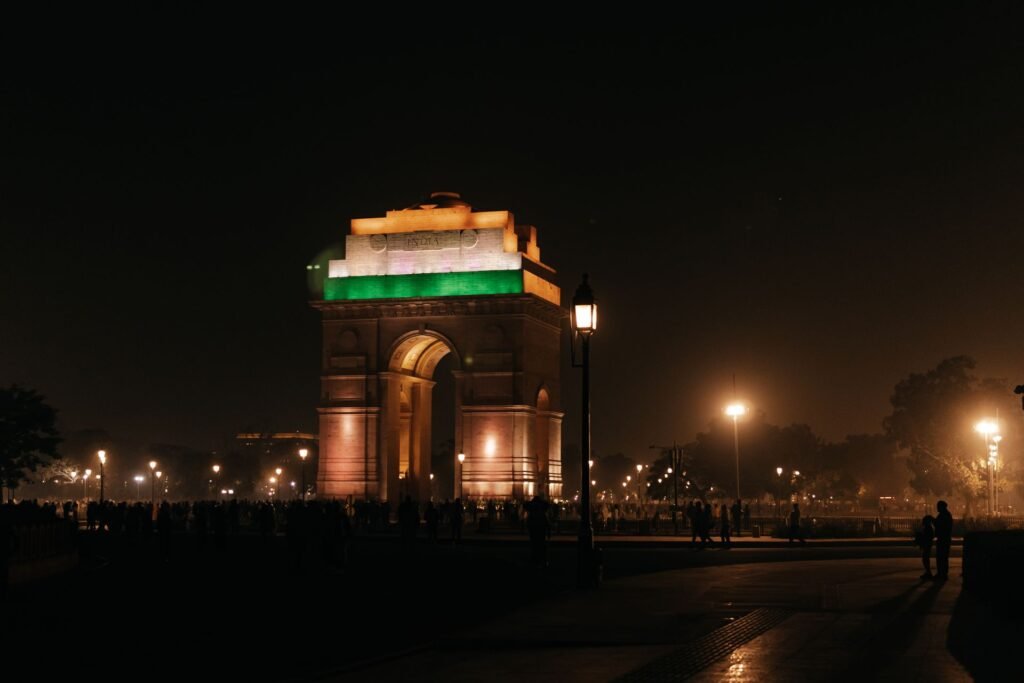
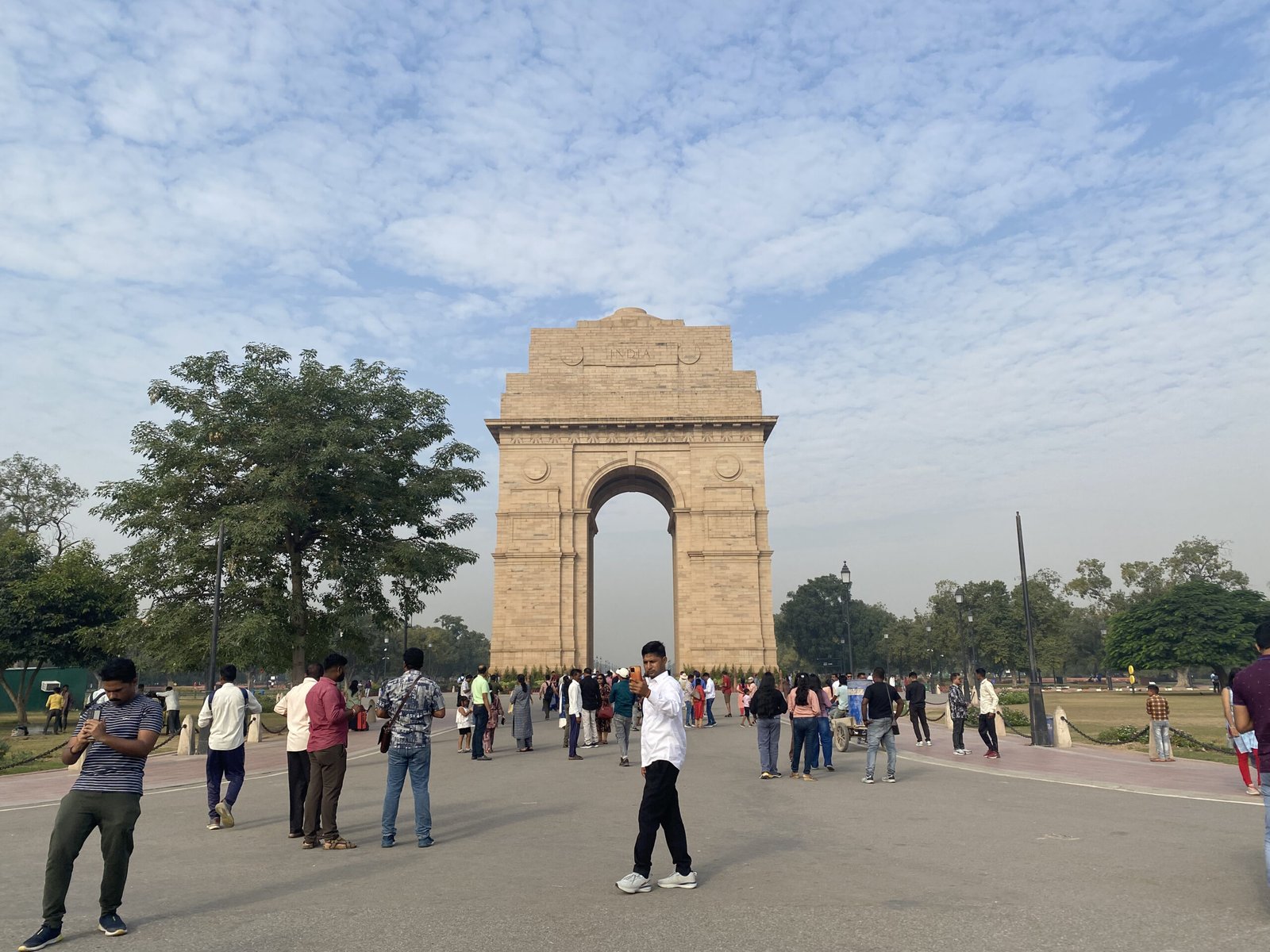
If you spend even a day in New Delhi, chances are someone will tell you to see India Gate at least once, and honestly, they’re not wrong. It’s one of those monuments that manages to be both a national war memorial and a place where families spread out picnic blankets on a Sunday evening. That mix is what makes it worth understanding before you show up.
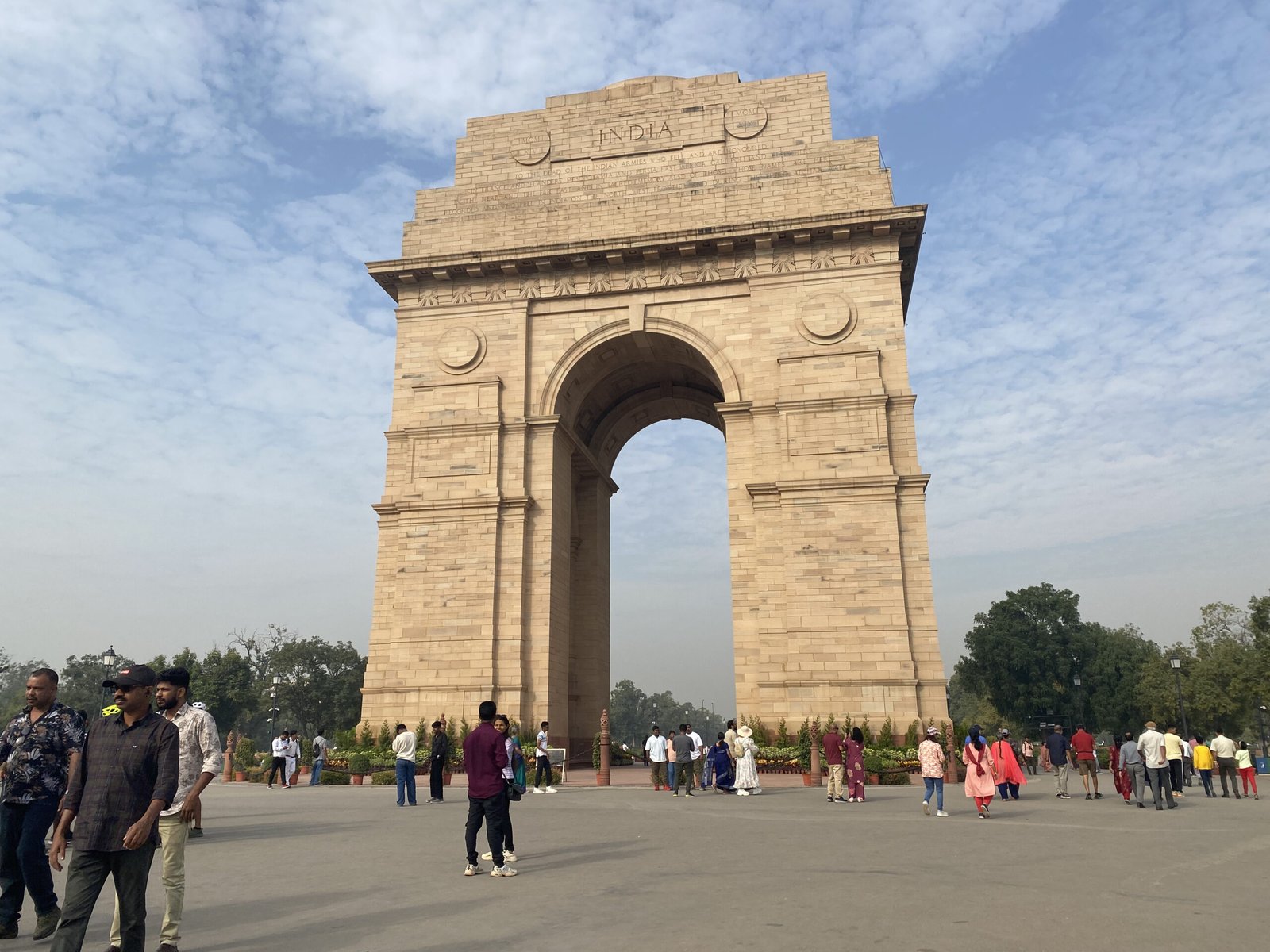
A Quick History of India Gate
India Gate was designed by British architect Sir Edwin Lutyens, the same man responsible for much of ceremonial New Delhi, and construction began in 1921. It opened to the public in 1931, originally named the All India War Memorial. The arch stands about 42 metres tall and was built to honor the Indian soldiers who died fighting for the British Army during World War I and the Third Anglo Afghan War, with names of over 13,000 soldiers inscribed on its walls.
Since 1971, an eternal flame called the Amar Jawan Jyoti has burned near the base, added after the Indo Pakistani War to honor soldiers of the Tomb of the Unknown Soldier. It’s a quiet detail many first time visitors miss, but it’s worth pausing at rather than just walking past for a photo.
Where Is It and How Do You Get There?
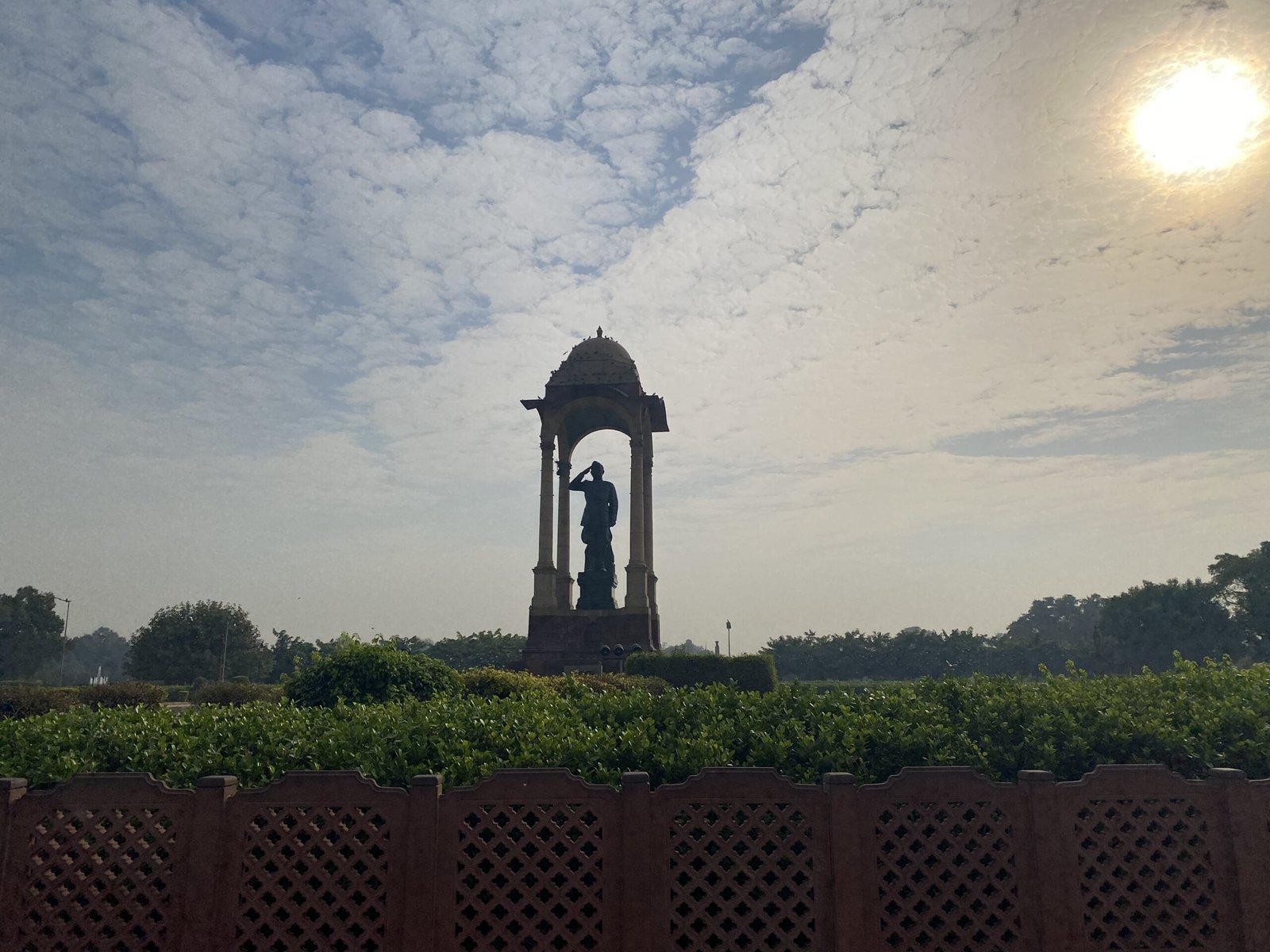
India Gate sits at the eastern end of Kartavya Path, formerly Rajpath, directly connected in a straight ceremonial line to Rashtrapati Bhavan, the President’s residence. The nearest metro stop is Central Secretariat on the Yellow and Violet lines, roughly two kilometres away, so you’ll want an auto rickshaw or a short cab ride from there. If you’re coming from the airport, budget around 14 kilometres and factor in Delhi traffic.
Timings and Entry Fee
Good news here: India Gate itself is technically open 24 hours a day, seven days a week, and there’s no entry fee at all. The National War Memorial nearby does have set hours, roughly 9 AM to 7:30 or 9 PM depending on the season, and needs an ID.
- India Gate arch and lawns: open all day and night, free entry
- National War Memorial: 9 AM to 7:30 PM (Nov to March), 9 AM to 9 PM (April to Oct), ID required
- Light show at the monument: roughly 7 PM to 9:30 PM daily
Best Time to Visit
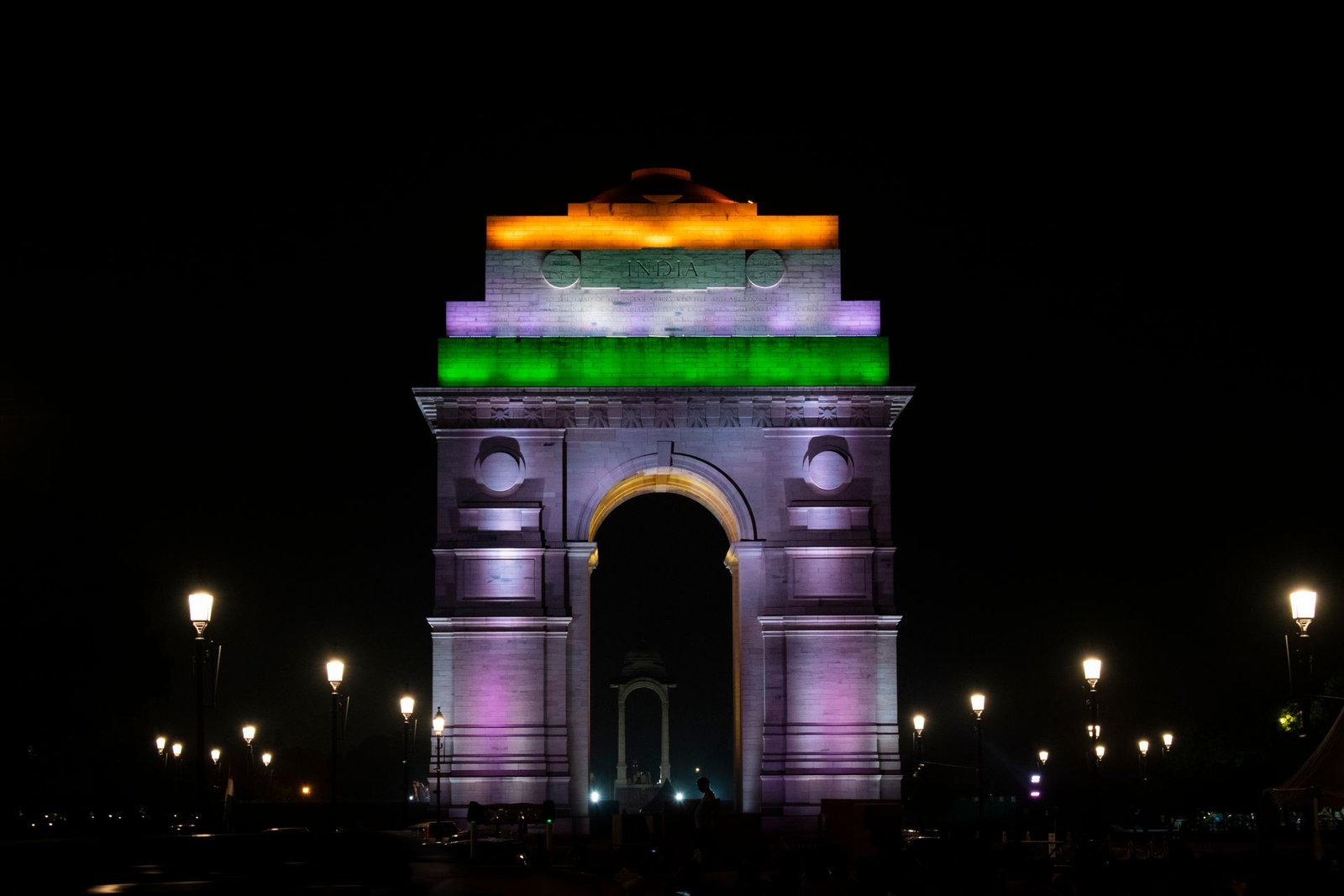
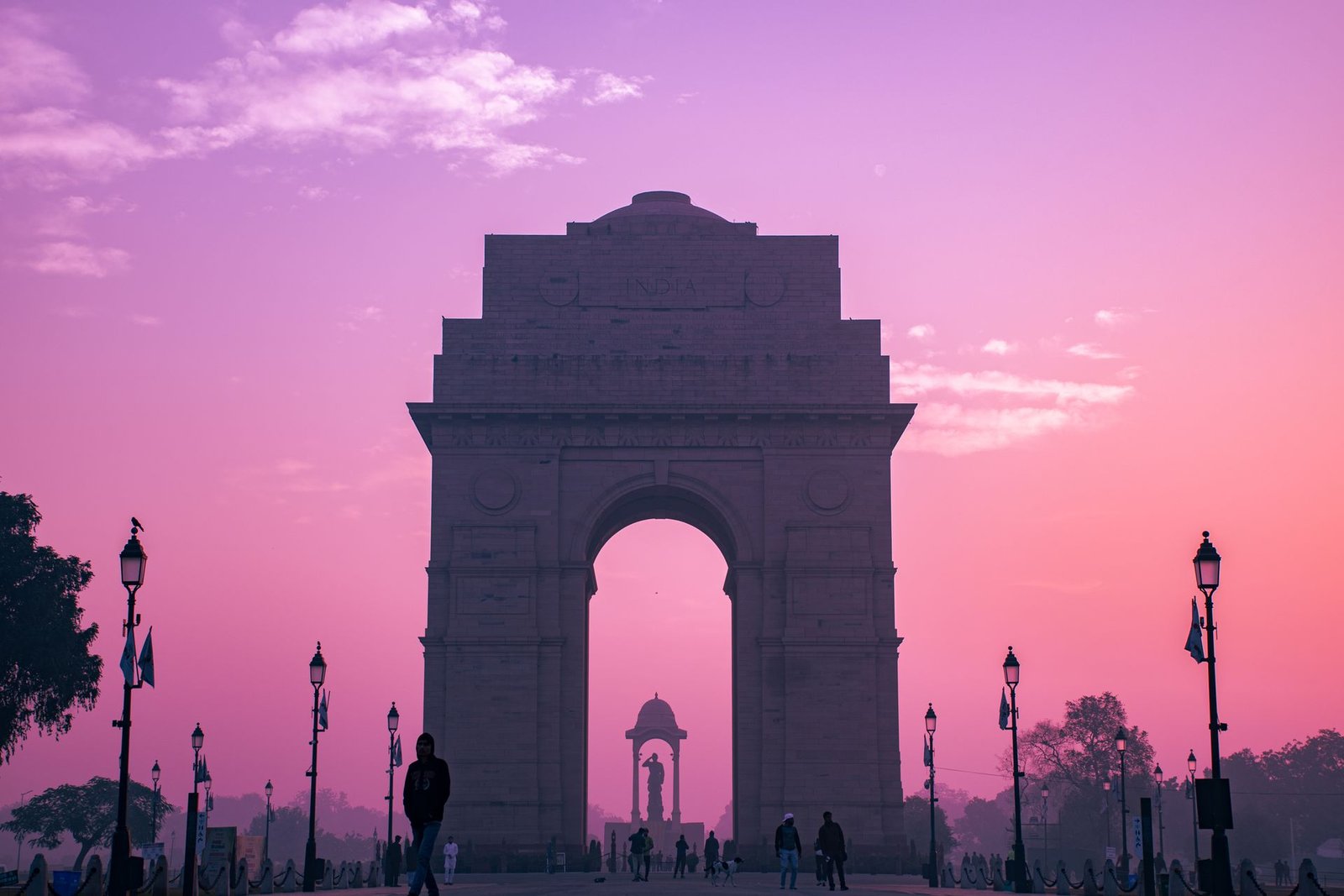
Evenings, somewhere between 5 and 8 PM, are when the arch gets lit up and the whole area comes alive with families, ice cream carts, and the occasional balloon seller. Seasonally, October through March is far more comfortable than the summer months, when Delhi heat can make the open lawns genuinely uncomfortable by midday.
What the Area Feels Like
Unlike some monuments that feel roped off and museum like, India Gate’s surrounding lawns function almost like a public park. Vendors sell roasted corn and chana, kids fly kites, and couples take the evening slow. It’s one of the few places in Delhi where the monument and everyday city life share the same ground without feeling staged.
Pairing India Gate With Other Delhi Experiences
Since India Gate sits close to the heart of New Delhi, it pairs naturally with a few other things we run tours for. If you’re drawn to Delhi’s food side, our street food tour beyond Old Delhi gives you a different flavor of the city entirely, or if you’d rather cook than just eat, try our hands on Indian cooking class.
For something more intimate, the chai master class inside a local family home is a good way to see how Delhi actually lives, away from the monuments. And if you have more time on your trip, the Delhi to Taj Mahal day trip and the 7 day Golden Triangle itinerary extend the trip well beyond just Delhi.
 Explore Our Delhi Food Experiences
Frequently Asked Questions
Is there an entry fee for India Gate?
No, India Gate and its surrounding lawns are free to visit at any time.
What is the Amar Jawan Jyoti?
It’s an eternal flame at the base of India Gate, inaugurated in 1972 to honor soldiers who died in the 1971 India Pakistan War.
How do I get to India Gate by metro?
Take the Yellow or Violet line to Central Secretariat station, then a short auto rickshaw ride or walk.
What is the best time of day to visit?
Early evening, around 5 to 8 PM, when the monument is lit and the light show runs.