
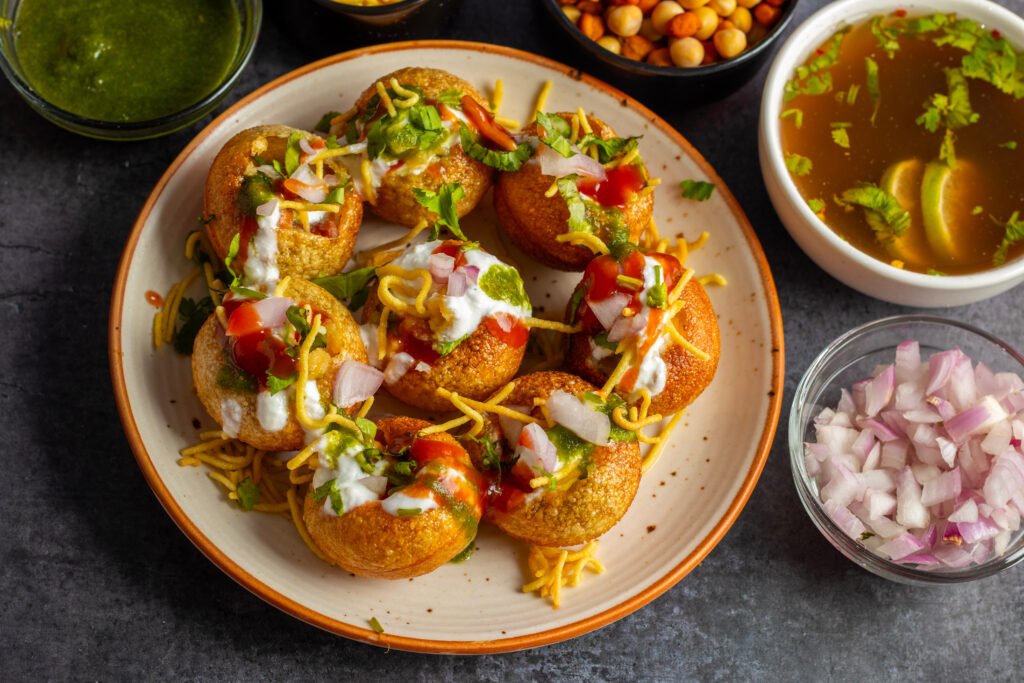
Ask ten Indians what the best street food is and you will get ten different answers, usually argued with real conviction. There is no single winner here, but there are a handful of dishes that show up again and again on every list, in every city, for reasons that go beyond taste alone.
I have eaten most of this standing at a cart, plate balanced on one hand, dodging a scooter with the other. That is really the only honest way to review it.
Why Golgappa Usually Wins
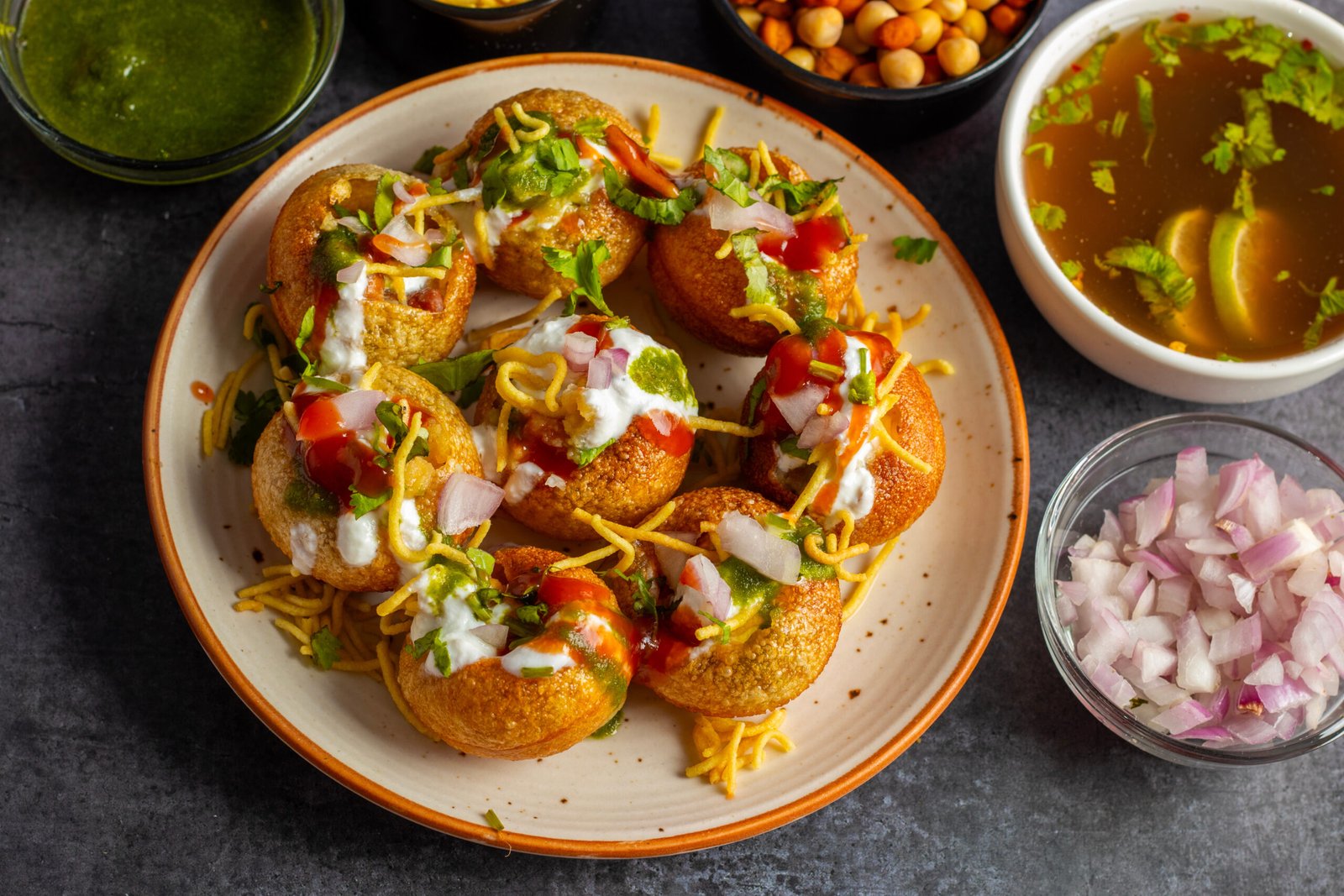
If you forced a nationwide vote, golgappa (also called pani puri in Mumbai, puchka in Kolkata, and gol gappe in Delhi) would probably top it. Food historians trace it back roughly 100 to 225 years to Uttar Pradesh and Bihar, evolving out of a smaller version of raj kachori. There is also a popular Mahabharata legend crediting Draupadi with inventing it, though that one is more folklore than fact.
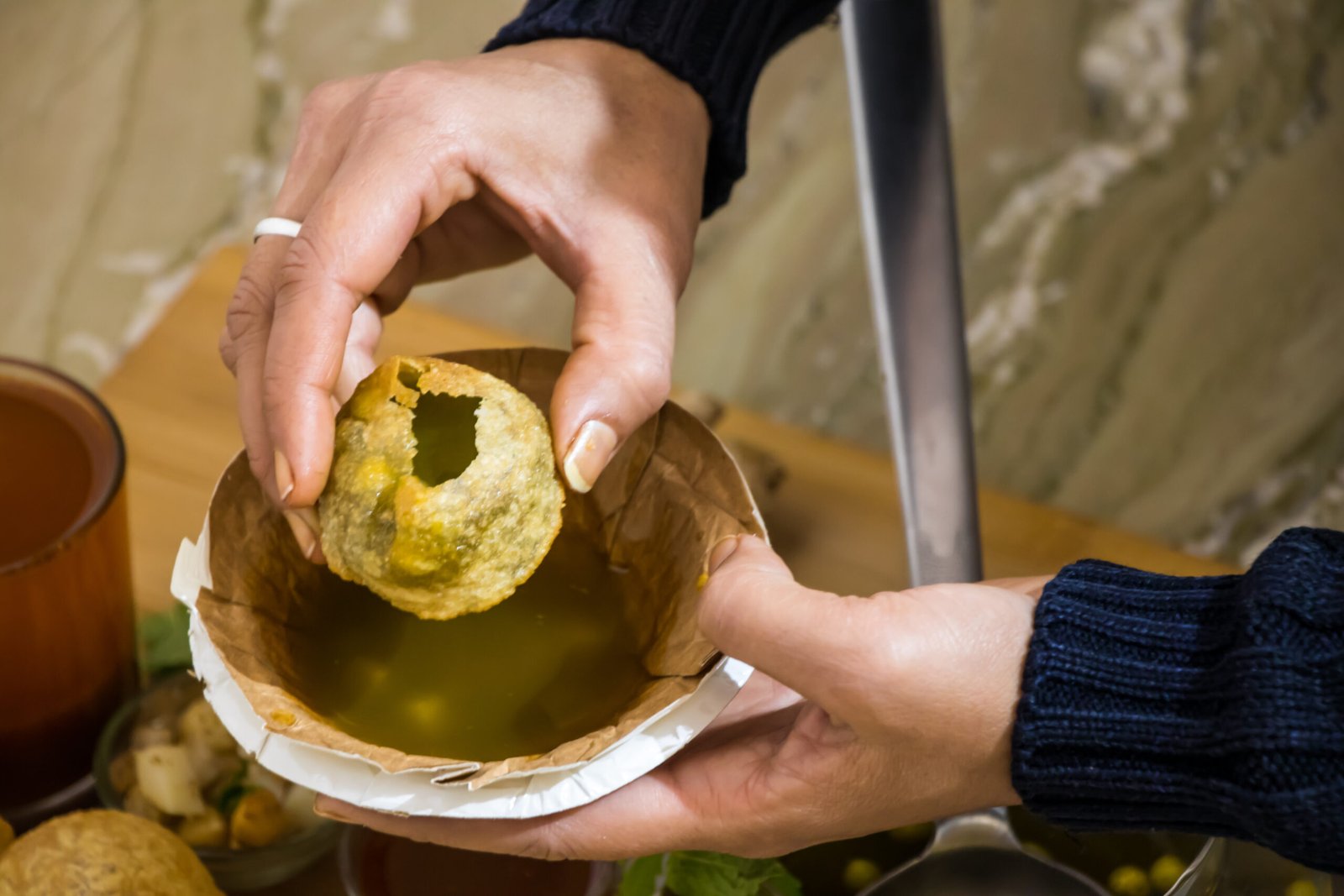
What makes it the best isn’t just flavor. It’s the ritual. The crunch of the puri breaking, the sudden hit of tangy tamarind water, the panic of trying to eat it in one bite before it leaks everywhere. No two vendors make the pani exactly the same, which is half the fun of trying it in different neighborhoods.
The Serious Contenders
Golgappa has competition, and depending on which city you’re in, the local favorite might edge it out entirely.
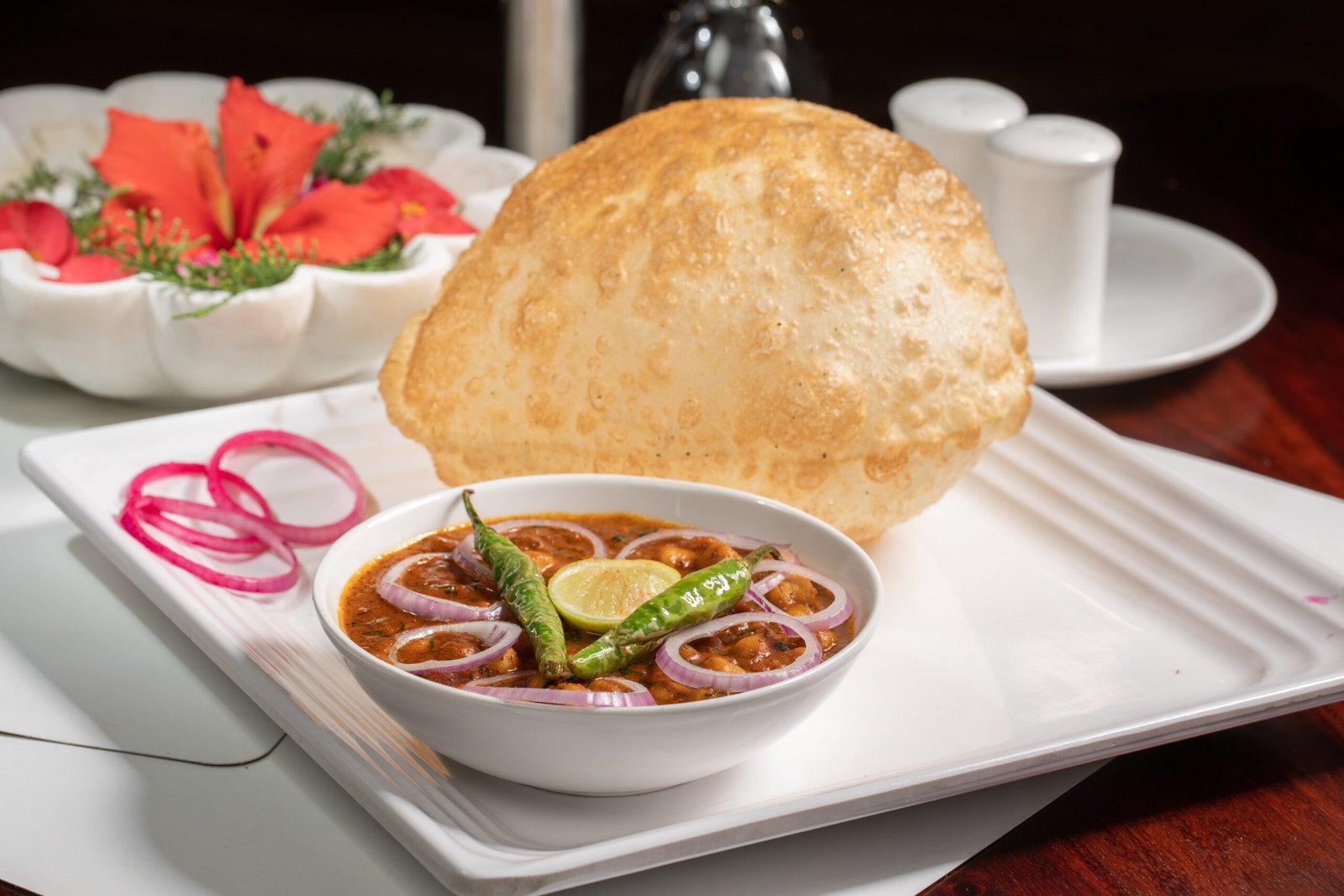
- Chole bhature – Punjabi in origin, a spicy chickpea curry with deep fried puffed bread, heavy enough to double as a full meal.
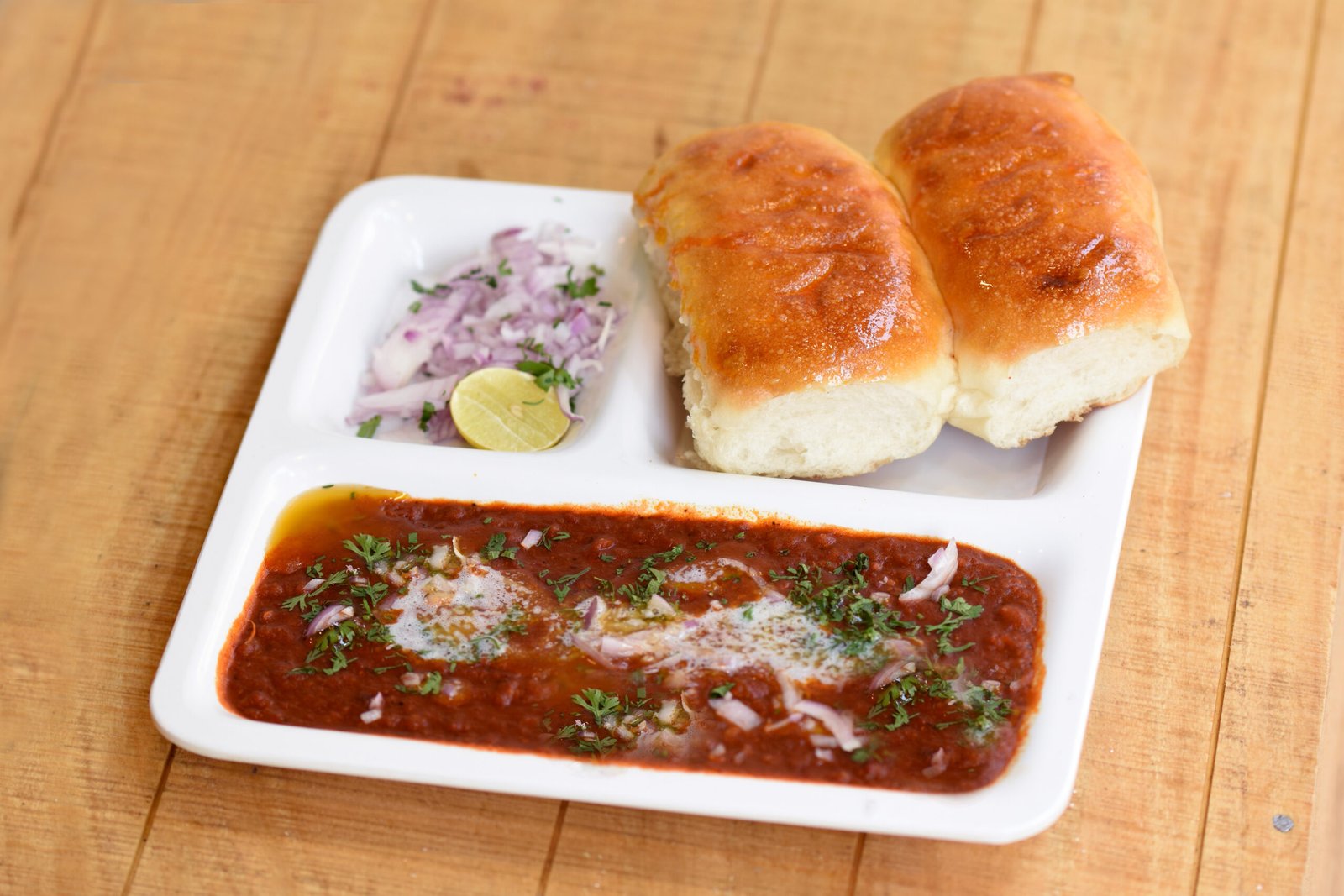
- Pav bhaji – Mumbai’s mashed vegetable curry with butter toasted bread rolls, built around a distinct pav bhaji masala blend of coriander, cumin and dried chilies.
- Vada pav – arguably Mumbai’s most eaten street snack, a spiced potato fritter jammed into a bun.
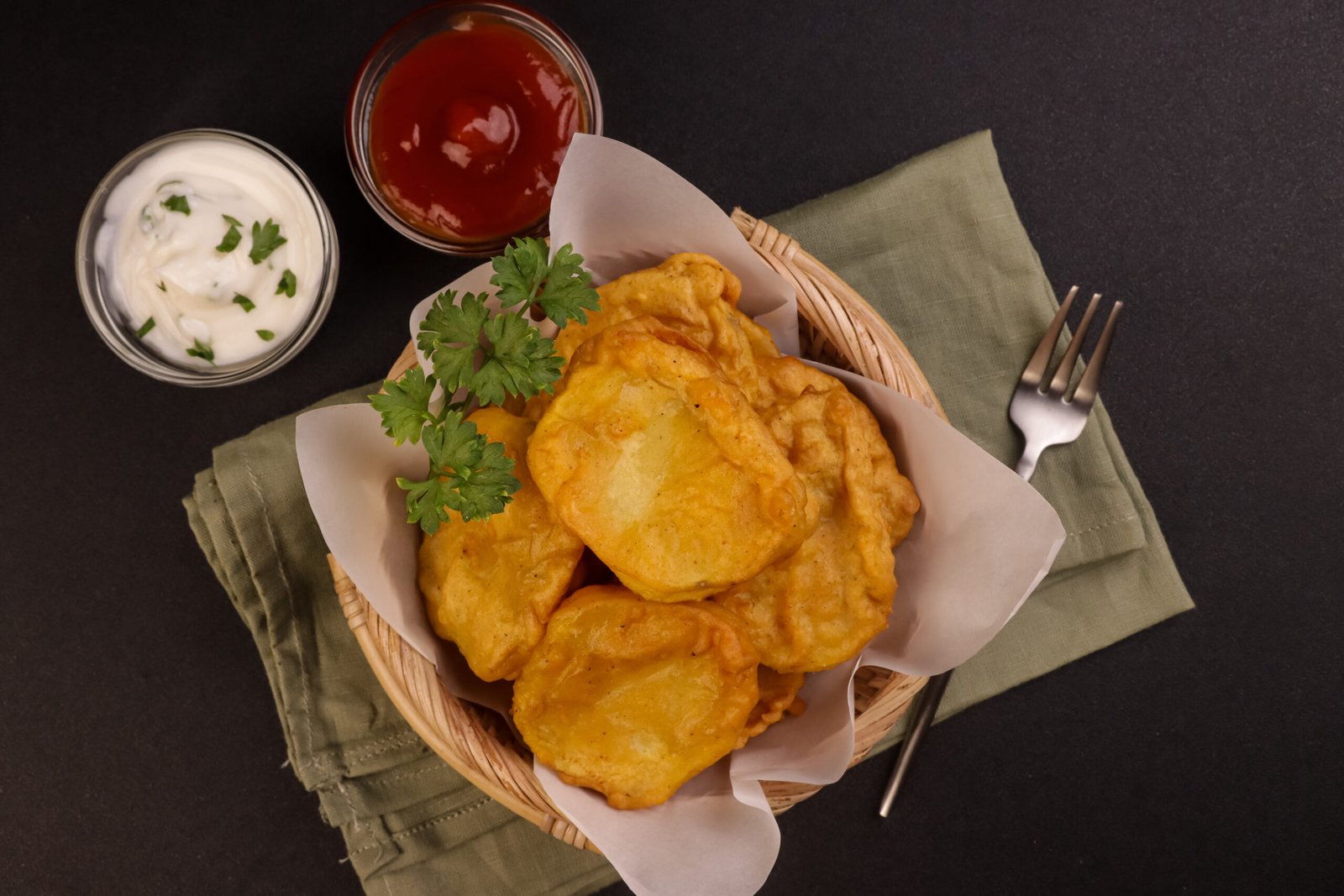
- Aloo tikki and aloo pakora – potato based, crisp outside, soft inside, sold everywhere from Old Delhi lanes to hill station bazaars.
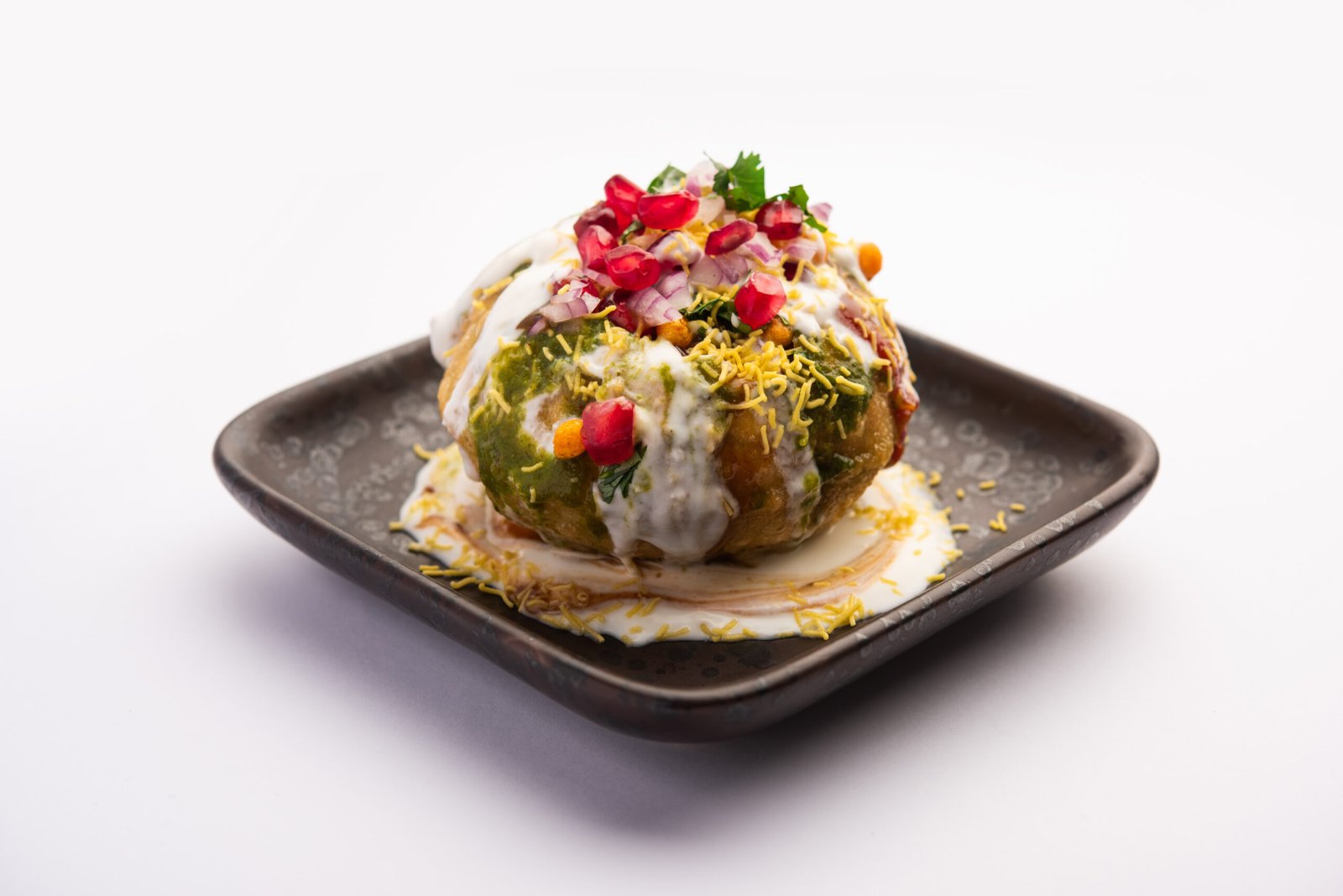
- Raj kachori – the older, larger cousin of golgappa, stuffed with lentils, yogurt, and chutneys.
Don’t Forget the Sweet Side
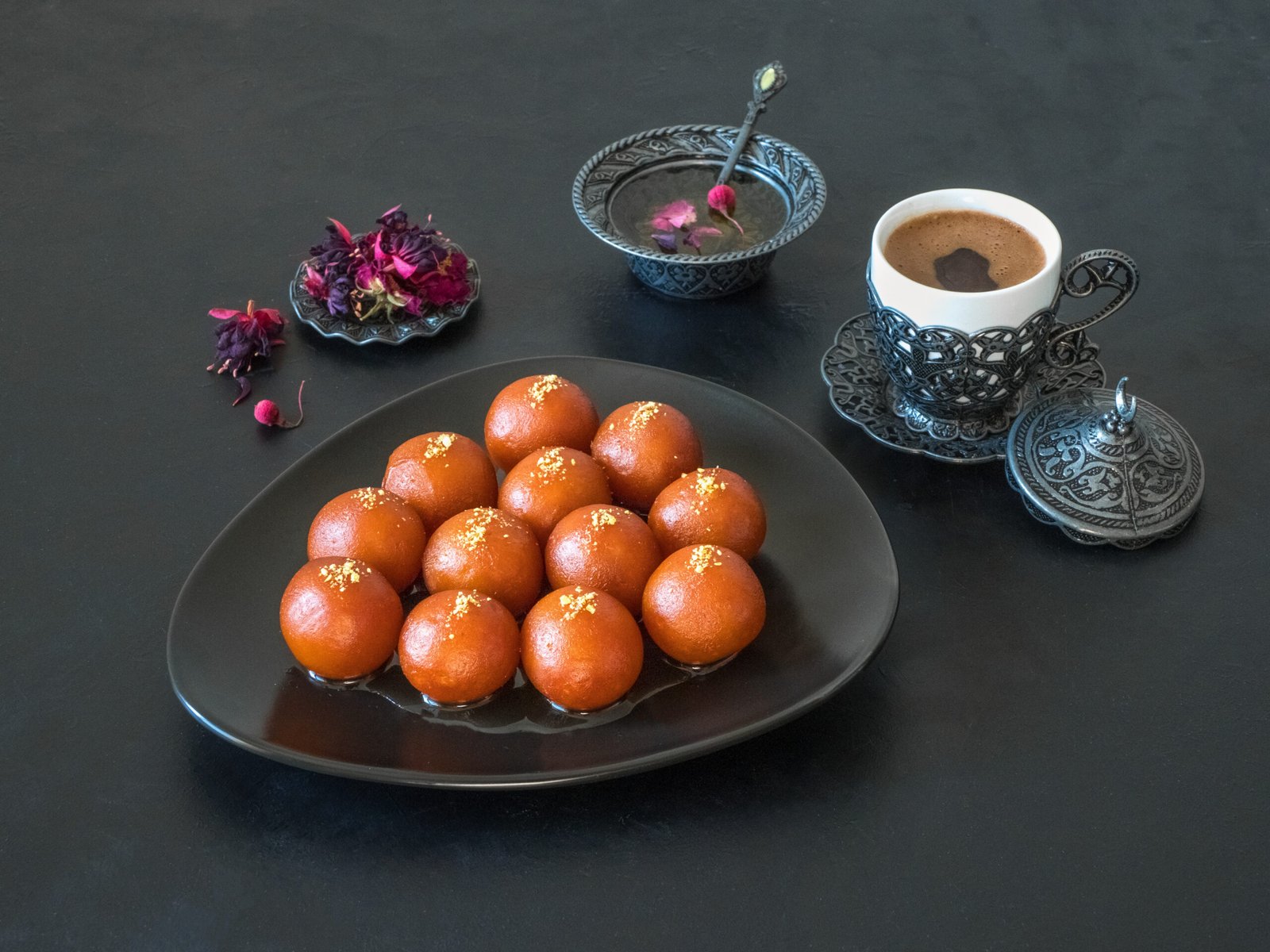
Street food in India isn’t only savory. Jalebi, the bright orange spiral fried in ghee and soaked in sugar syrup, is often eaten hot straight off the pan for breakfast in North India. Gulab jamun, soft milk dumplings soaked in cardamom syrup, tends to show up at the end of a meal or a chaat crawl as the thing that quietly steals the show.

Samosas: The One Constant
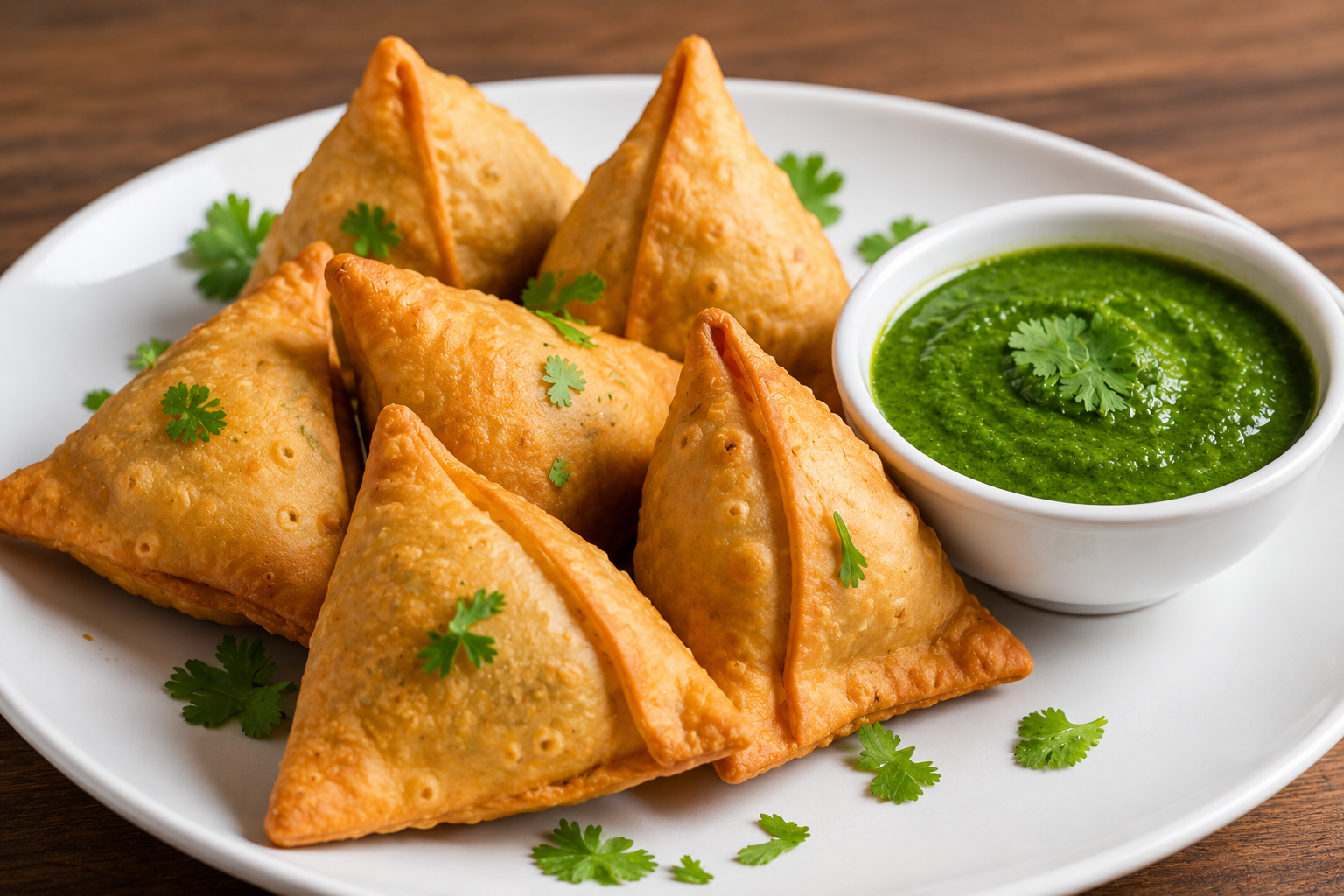
If there’s a dish that unites the country more than any other, it’s the samosa. Fried, stuffed with spiced potato and peas, served with mint or tamarind chutney, it shows up at railway stations, wedding buffets, and roadside stalls with the same reliability.
So What Is Actually the Best?
Honestly, it depends on where you’re standing and what you’re in the mood for. Golgappa wins on pure experience. Chole bhature wins if you’re hungry. Pav bhaji wins on comfort. Jalebi wins if it’s morning and the sugar hasn’t hit you yet.
The better question for a first time visitor isn’t which dish is best, it’s how to eat any of this without getting sick, and which vendors are actually worth trusting. That’s a knowledge gap, not a taste problem, and it’s exactly why guided food walks exist.
Want to Taste It the Right Way?
If Old Delhi’s Chandni Chowk is where you want to start, our luxury Old Delhi street food tasting in a local home takes you through the lanes with someone who actually knows which stalls to trust. Prefer to go further out? The Delhi street food beyond Old Delhi tour covers newer neighborhoods most tourists never find on their own.
Book the Street Food TourCooking It Yourself
Some travelers get hooked on street food and want to learn how it’s actually made, not just eat it. If that’s you, our hands on cooking class covering six Indian dishes walks you through the spice logic behind these snacks in a home kitchen. Pair it with our chai master class in an Indian family home for the drink that goes with almost everything on this list.
Beyond Delhi
Street food is regional, and Delhi is just one stop. If you’re planning a longer trip, our same day Jaipur tour from New Delhi and the full Golden Triangle in 7 days itinerary both build in local food stops along the way. A Delhi to Taj Mahal day trip is also a good excuse to try Agra’s own street snacks on the way back.
Frequently Asked Questions
What is the single most popular street food in India?
Golgappa, also known as pani puri or puchka depending on the region, is generally considered the most widely eaten and loved street snack across India.
Is it safe for tourists to eat street food in Delhi?
It’s generally safe if you stick to stalls with visible turnover, freshly cooked food, and bottled or boiled water in chutneys, though a guided tour removes most of the guesswork on your first visit.
What is the difference between golgappa and pani puri?
They’re the same dish with different regional names. Pani puri is common in Mumbai and Western India, golgappa in Delhi and the North, and puchka in Kolkata, with slight variations in the water’s spice and sweetness.
What street food should vegetarians try first in India?
Golgappa, samosas, aloo tikki, and pav bhaji are all vegetarian by default and available almost everywhere, making them an easy starting point.