
Ask ten Indian households how they make chai and you will get ten slightly different answers. Someone’s grandmother swears by extra cardamom. Someone’s uncle insists the milk goes in first, always. There is no single official recipe, but there is a shared logic to it, and once you understand that logic, you can make chai that actually tastes like it came from an Indian kitchen instead of a recipe card.
This guide walks through the real method, the one used in most North Indian homes on an ordinary weekday morning. Nothing fancy, nothing imported, just tea, milk, water, spices, and a bit of patience.
What Makes Chai “Masala” Chai
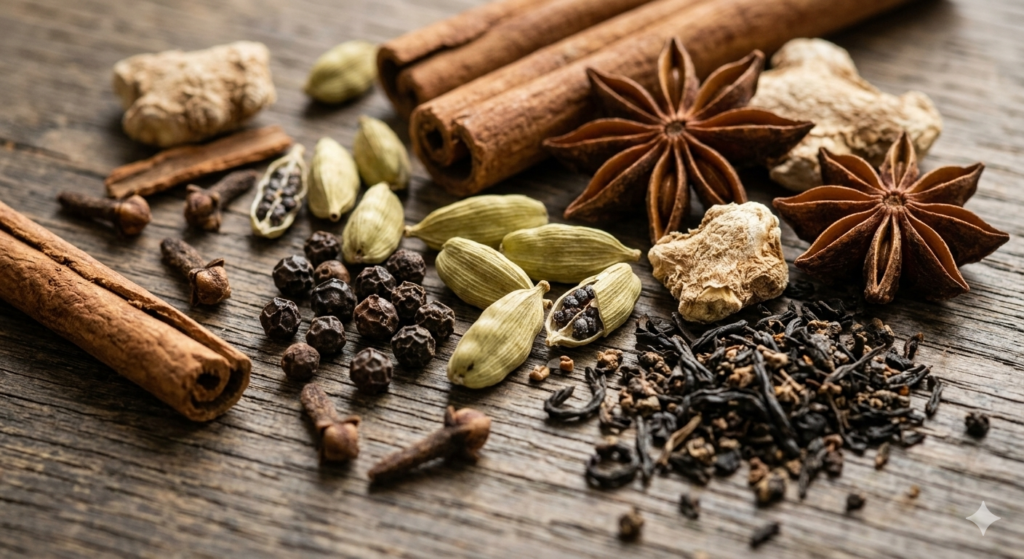
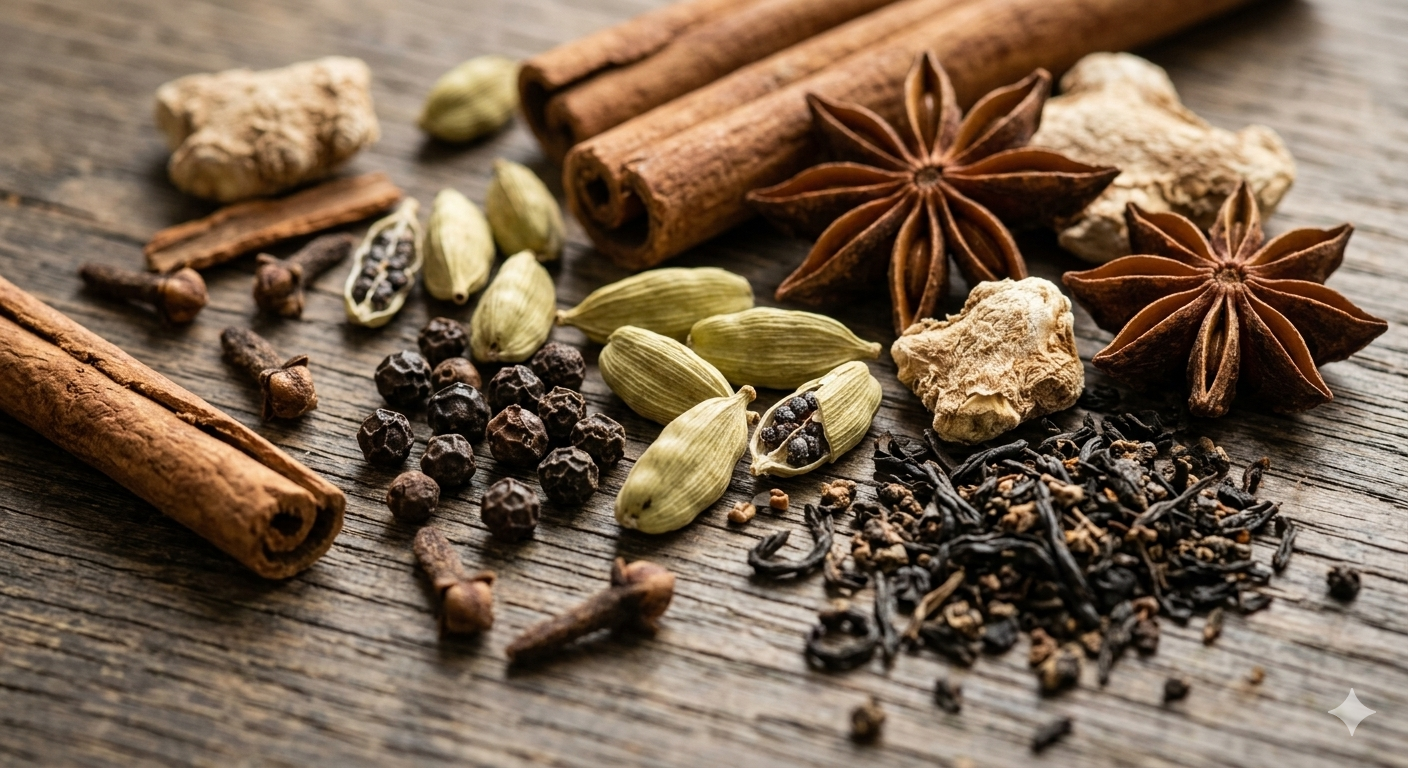
Masala simply means spice blend. Masala chai is tea brewed with a mix of whole spices rather than plain black tea with milk. The spices are not added for decoration. They change how the tea tastes at a chemical level, pulling out warmth and depth that plain tea does not have on its own.
Most Indian households do not measure spices precisely. They go by smell, by the season, by how many people are drinking that day. But for someone making it for the first time, having actual measurements helps.
Ingredients You Will Need
This recipe makes two cups, which is the standard test batch before you scale up.
- 2 cups water
- 1 cup full fat milk (buffalo milk if you can get it, but whole cow’s milk works fine)
- 2 teaspoons loose black tea (CTC tea, not tea bags, if you want the real texture)
- 2 to 3 green cardamom pods, crushed lightly
- 1 small piece of cinnamon stick
- 2 to 3 cloves
- 1 small piece of fresh ginger, crushed or grated
- A pinch of black pepper (optional, but good in winter)
- Sugar to taste
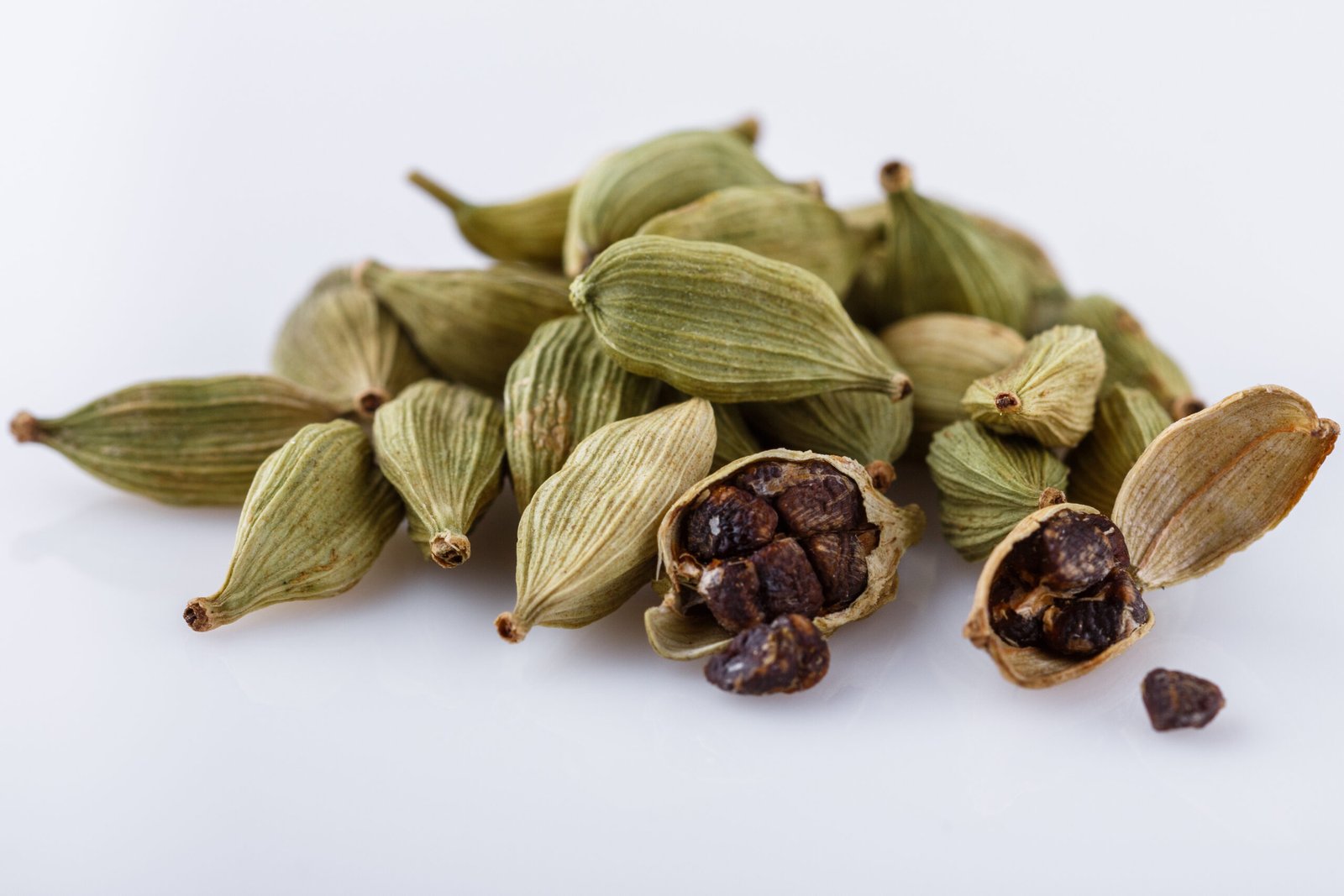
Skip pre packaged chai masala powder if you can. It is convenient, but the flavor flattens out fast once ground. Whole spices crushed just before brewing make a noticeable difference.
Step by Step Brewing Method
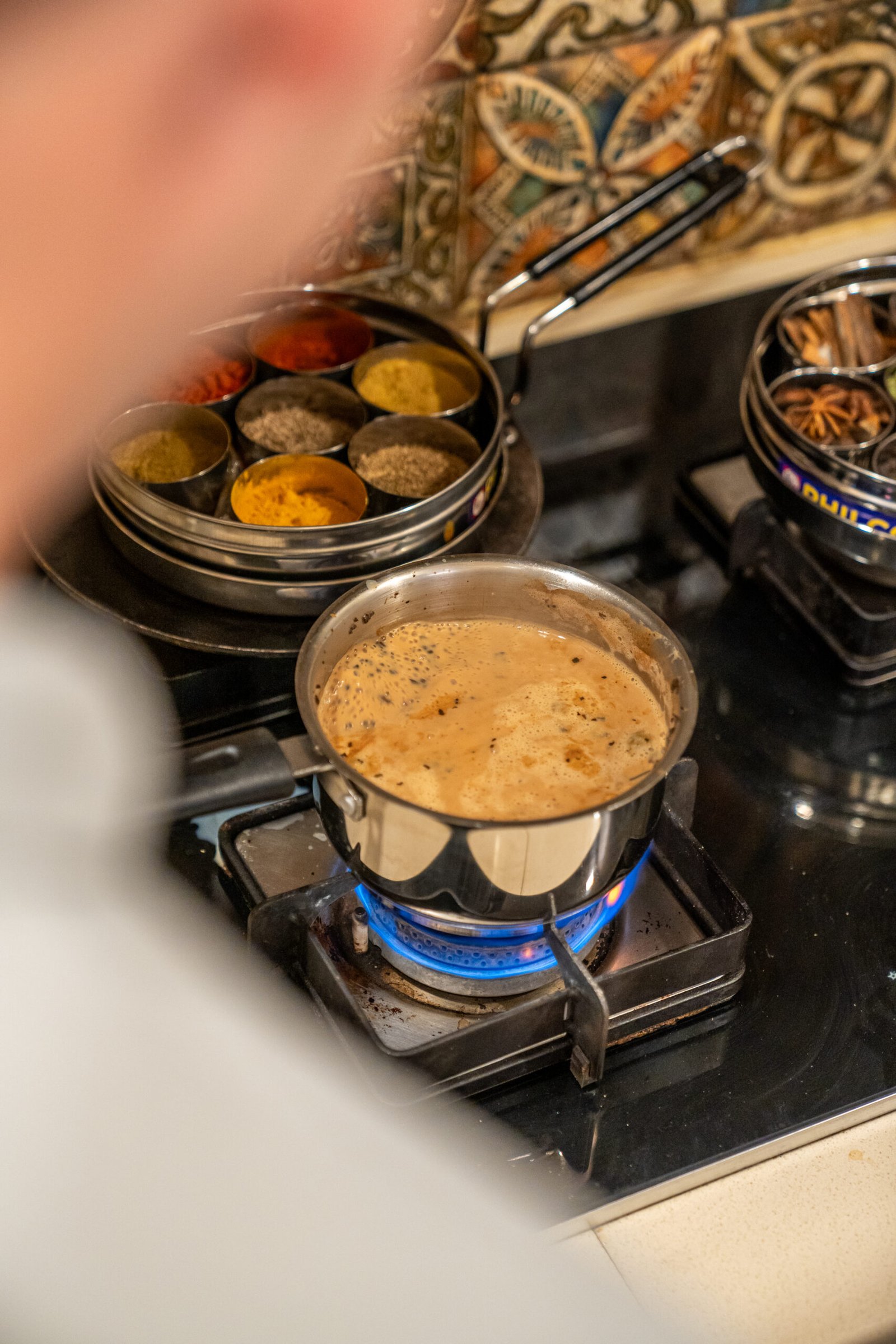
Step 1: Boil the Water With Spices
Add water, ginger, cardamom, cinnamon, and cloves to a small pan. Bring it to a boil so the spices release their oils into the water. This takes about two minutes. Do not rush this part. It is the base flavor of the whole cup.
Step 2: Add the Tea
Drop in the loose black tea and let it simmer for a minute. The water should turn a deep reddish brown. This is where most people go wrong, either pulling it off too early or letting it boil too aggressively and turning it bitter.
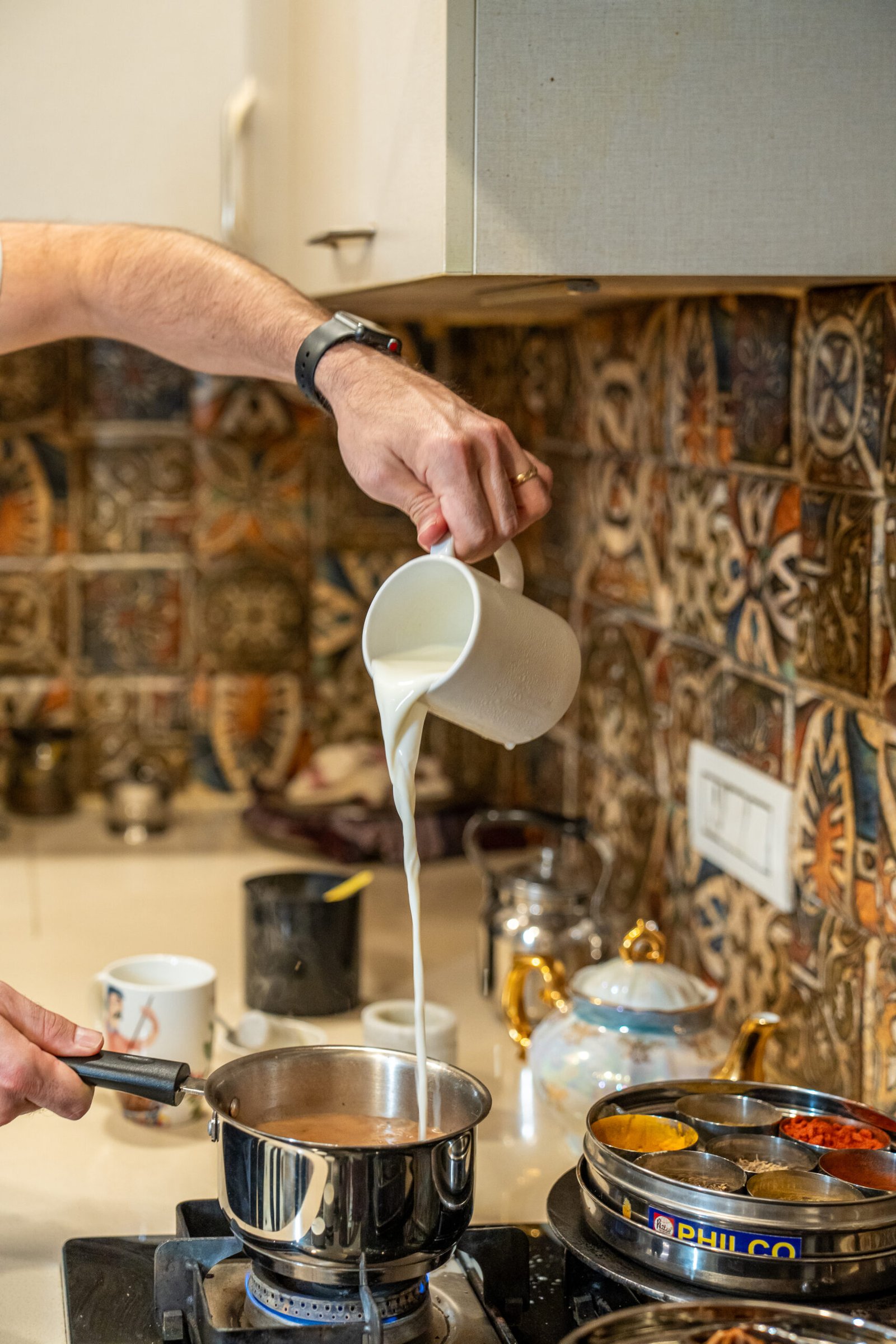
Step 3: Add the Milk
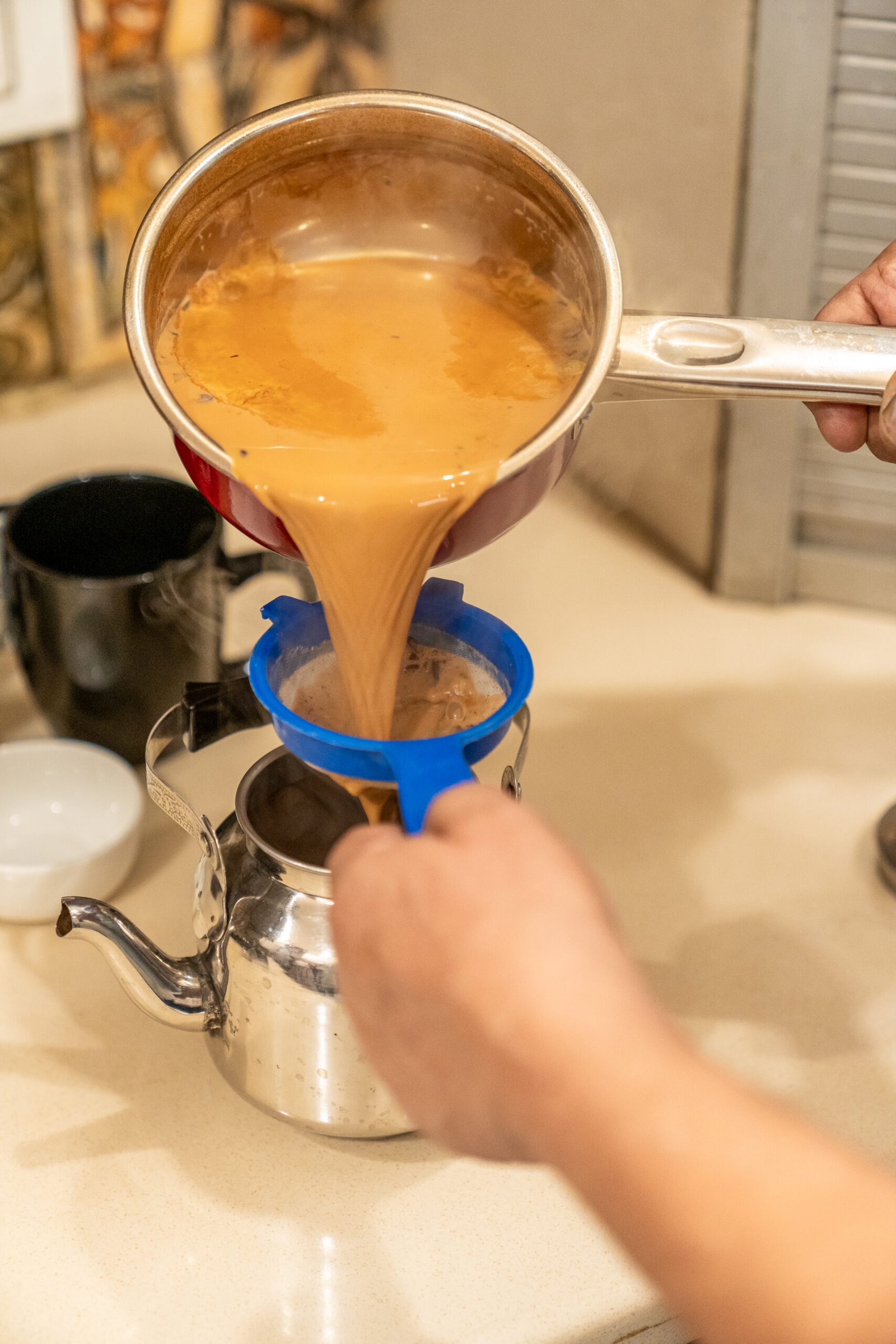
Pour in the milk and bring the whole thing back to a boil. Then lower the heat and let it simmer gently for two to three minutes. Some people like to let it boil up two or three times, lowering and raising the heat each time. This is less about technique and more about personal habit, but it does help develop a rounder flavor.
Step 4: Sweeten and Strain
Add sugar directly to the pan while it is still on the heat, not after straining. Stir once, then strain into cups using a fine mesh strainer.
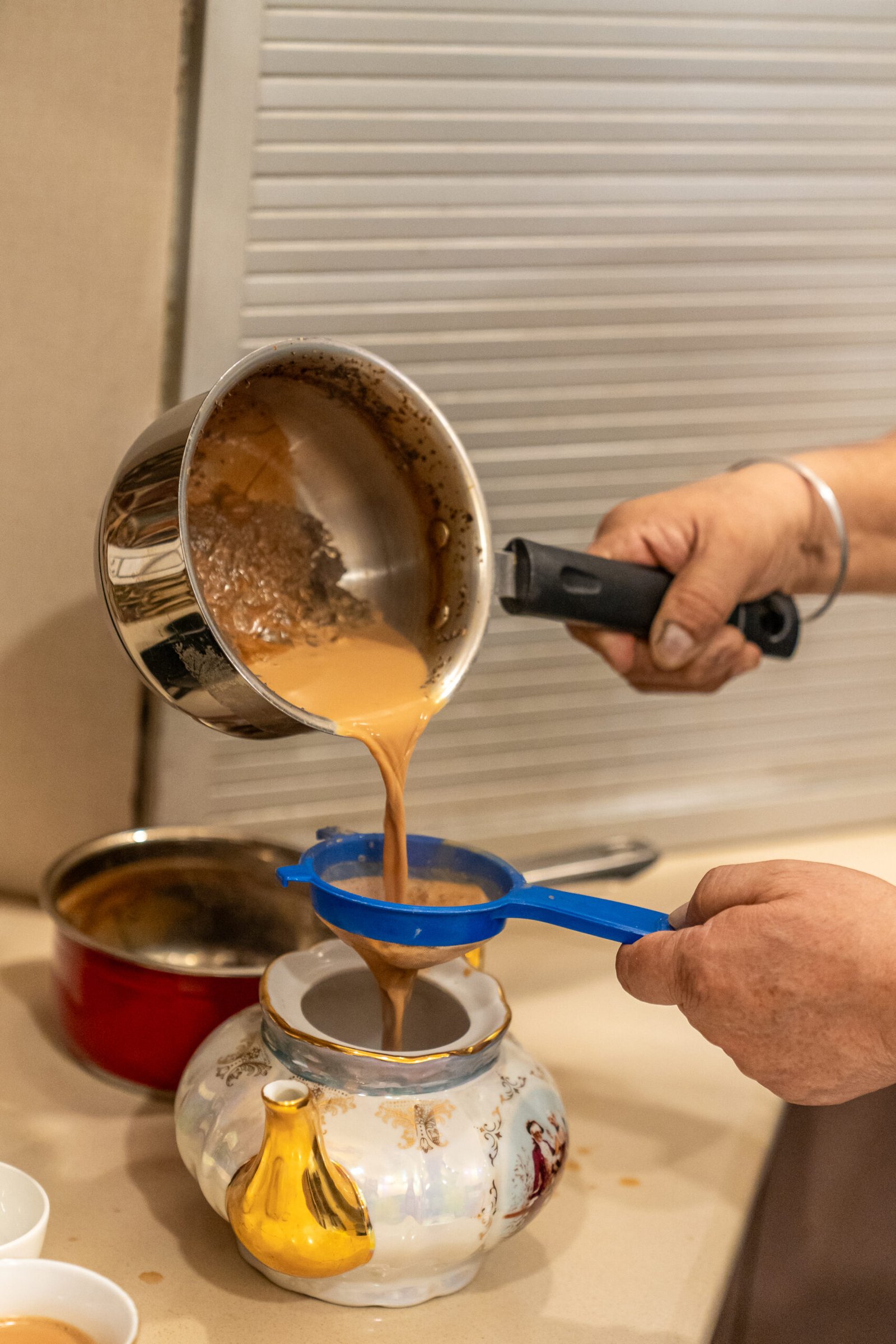
The chai should look like light caramel, not muddy brown. If it is too pale, it needed more time on the tea. If it is too dark, the tea steeped too long.
Common Mistakes People Make
- Using tea bags instead of loose CTC tea, which gives a weaker, less textured cup
- Adding milk too early, before the tea has had time to actually infuse the water
- Over boiling the tea leaves, which turns the chai bitter and tannic
- Using pre ground masala powder that has been sitting in a jar for months
- Skipping the simmer step and rushing straight to a boil
Adjusting Chai to Your Taste
Once you have made it a few times, you will naturally start adjusting. Some people like it heavier on ginger, especially in the colder months. Others prefer a lighter spice profile with just cardamom and a touch of cinnamon. There is no wrong version as long as the tea, milk, and water ratio stays balanced.
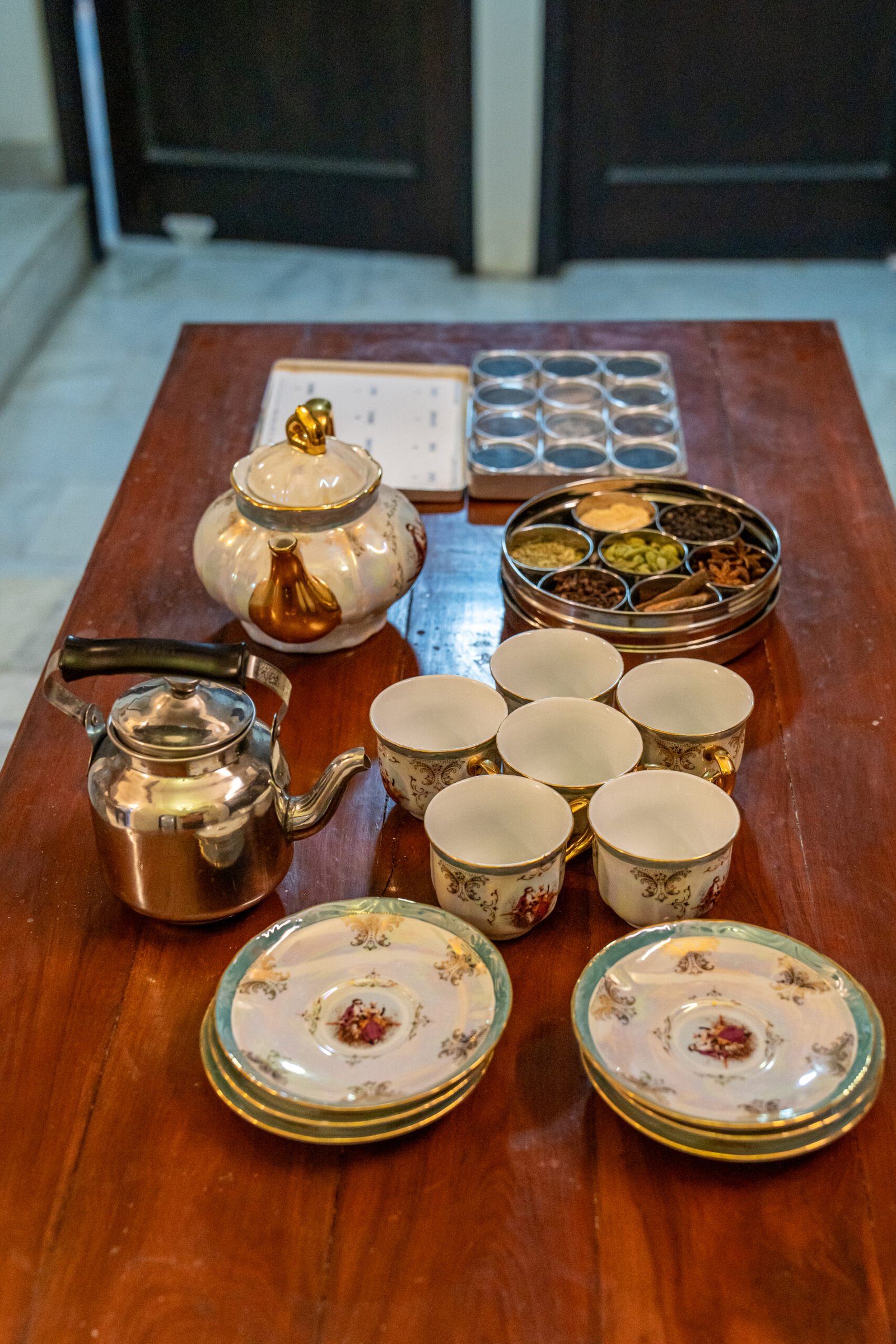
What you are really adjusting is intensity, not the recipe itself. A stronger chai is not more spice, it is more time and heat.
What to Serve With Masala Chai
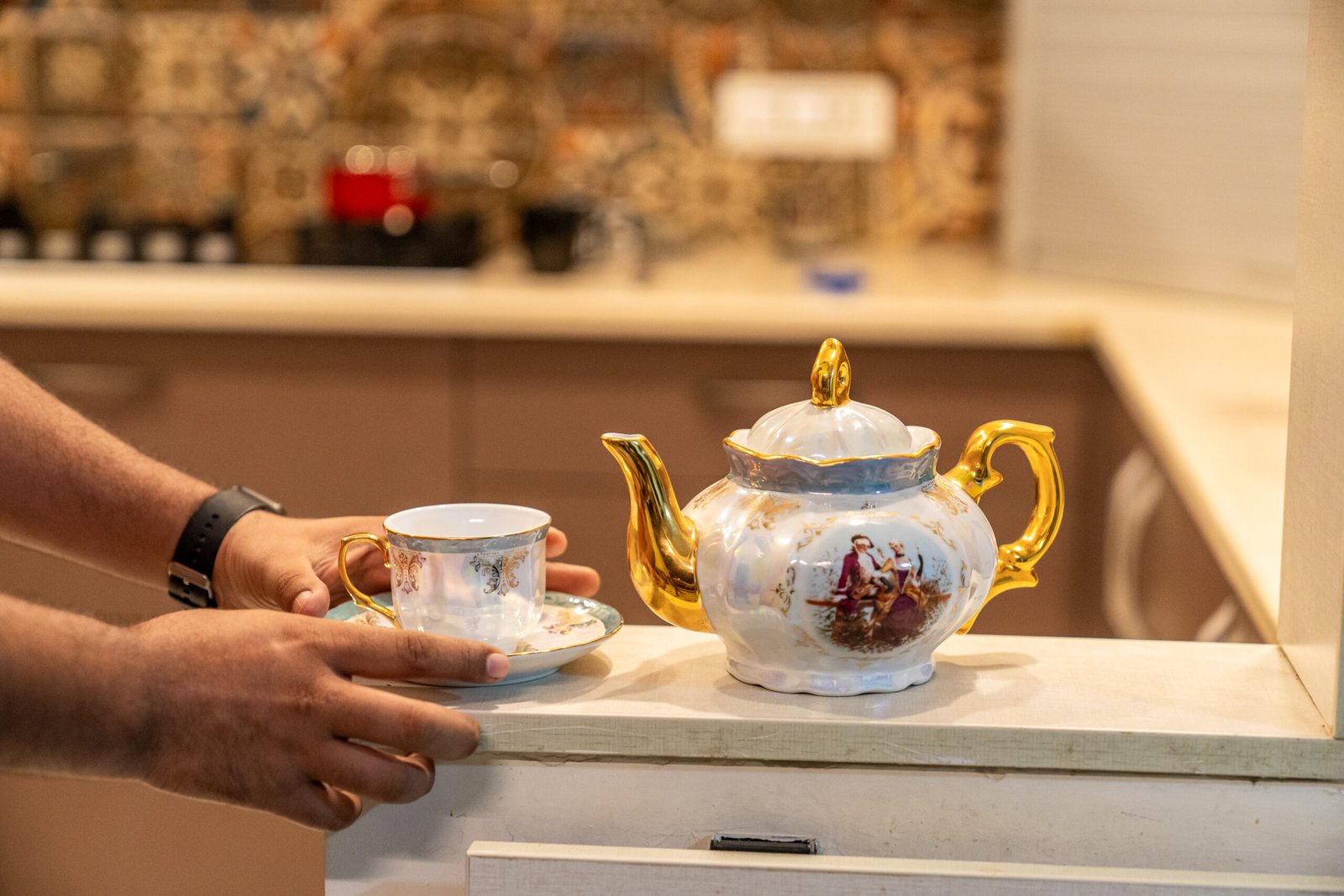
Chai in India is rarely drunk alone. It is paired with something salty or fried, usually. Think biscuits, samosas, or pakoras depending on the time of day. Morning chai tends to go with something simple like rusk. Evening chai often comes with something fried.
Want to Learn This the Traditional Way
If you are visiting Delhi and want to see this method taught firsthand in a real Indian home rather than reading about it, Explore Real India runs a dedicated chai master class inside an Indian family home. It is a relaxed, hands on session where you learn the actual rhythm of making chai the way it is done daily, not the way it is photographed for the internet.
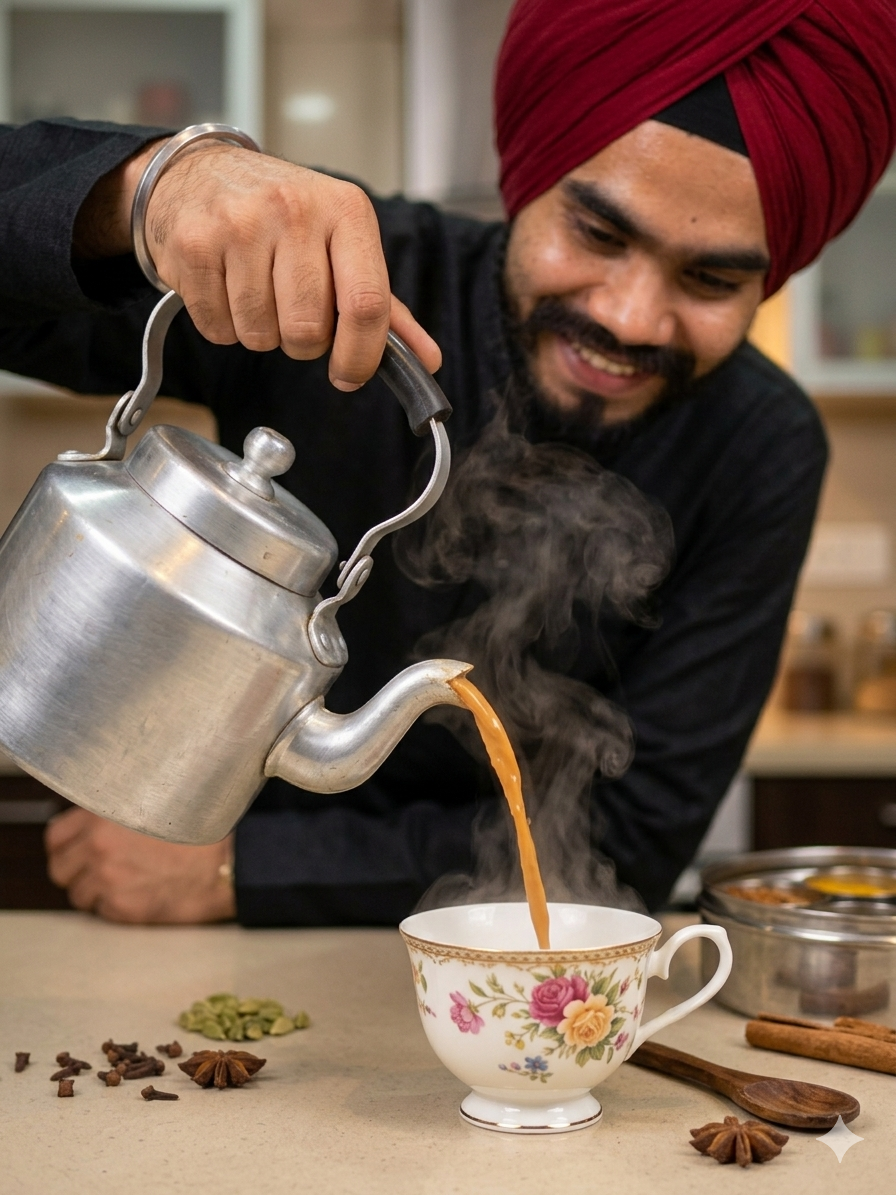
For those who want to go further into Indian cooking beyond chai, there is also a broader Indian cooking class covering six traditional dishes, which pairs well with the chai session if you are spending a full day exploring Delhi’s food culture.
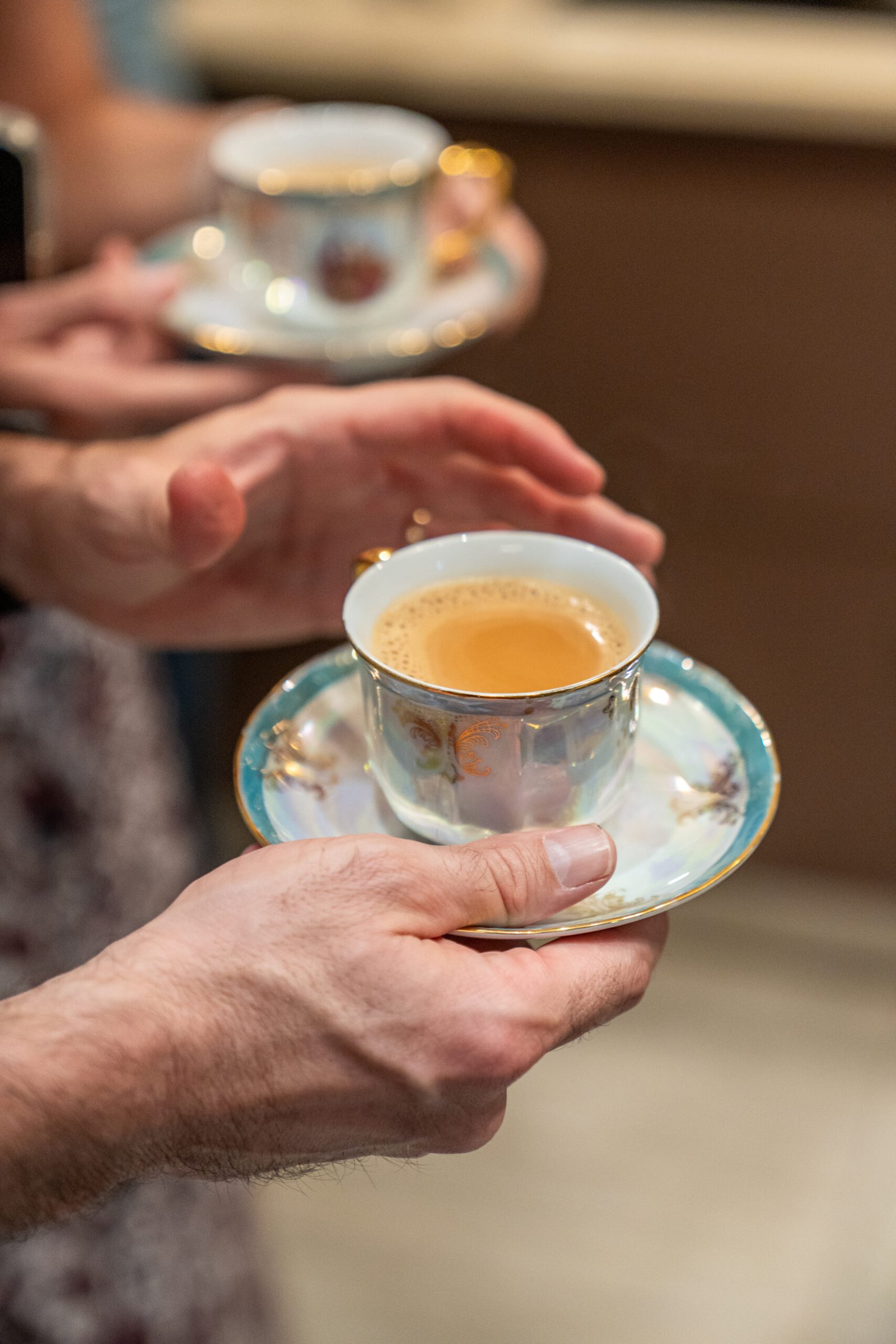
Quick tip: If you are traveling through Delhi and want street food alongside your chai education, the Delhi street food tour beyond Old Delhi covers some excellent tea stalls most tourists never find on their own.
Frequently Asked Questions
What spices go into authentic masala chai?
The core spices are green cardamom, cinnamon, cloves, and fresh ginger. Black pepper is sometimes added in winter. Star anise or fennel show up in some regional variations, but they are not part of the standard North Indian version.
Can I make masala chai without fresh ginger?
Yes, but the flavor will be noticeably milder. Dried ginger powder works as a substitute, though fresh ginger gives a sharper, more rounded taste that is harder to replicate.
What kind of tea is best for masala chai?
Loose CTC black tea is the standard choice in Indian households. It brews strong and fast, which suits chai’s short simmer time. Tea bags or delicate loose leaf teas like Darjeeling do not hold up the same way against milk and spices.
Why does my chai turn out bitter?
Bitterness usually comes from over boiling the tea leaves or letting the chai sit on high heat for too long after the tea goes in. Keep the tea simmer short and controlled.
Is masala chai the same as chai tea?
Technically, “chai tea” is redundant since chai already means tea in Hindi. In most Western contexts, chai tea refers specifically to masala chai, the spiced version.
Can I make masala chai vegan?
Yes, plant based milk works, though the texture and richness change. Oat milk tends to hold up best against the spices without curdling.