
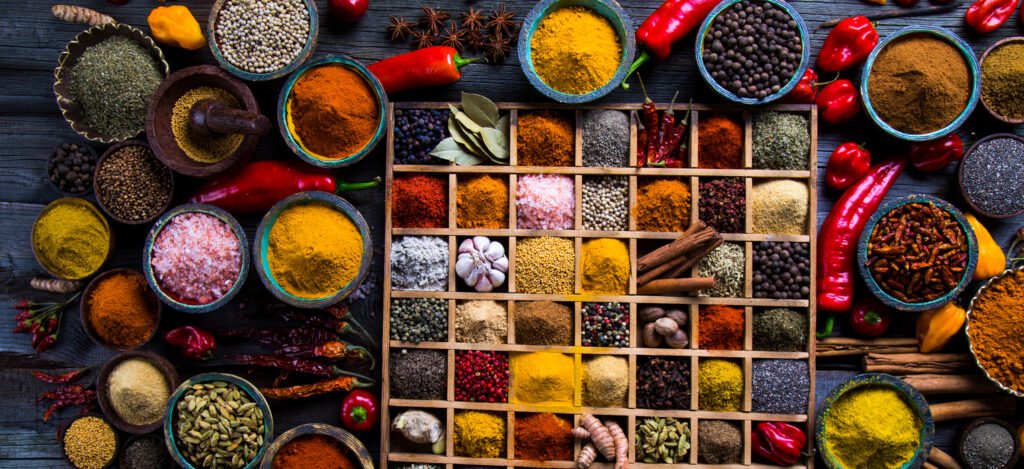
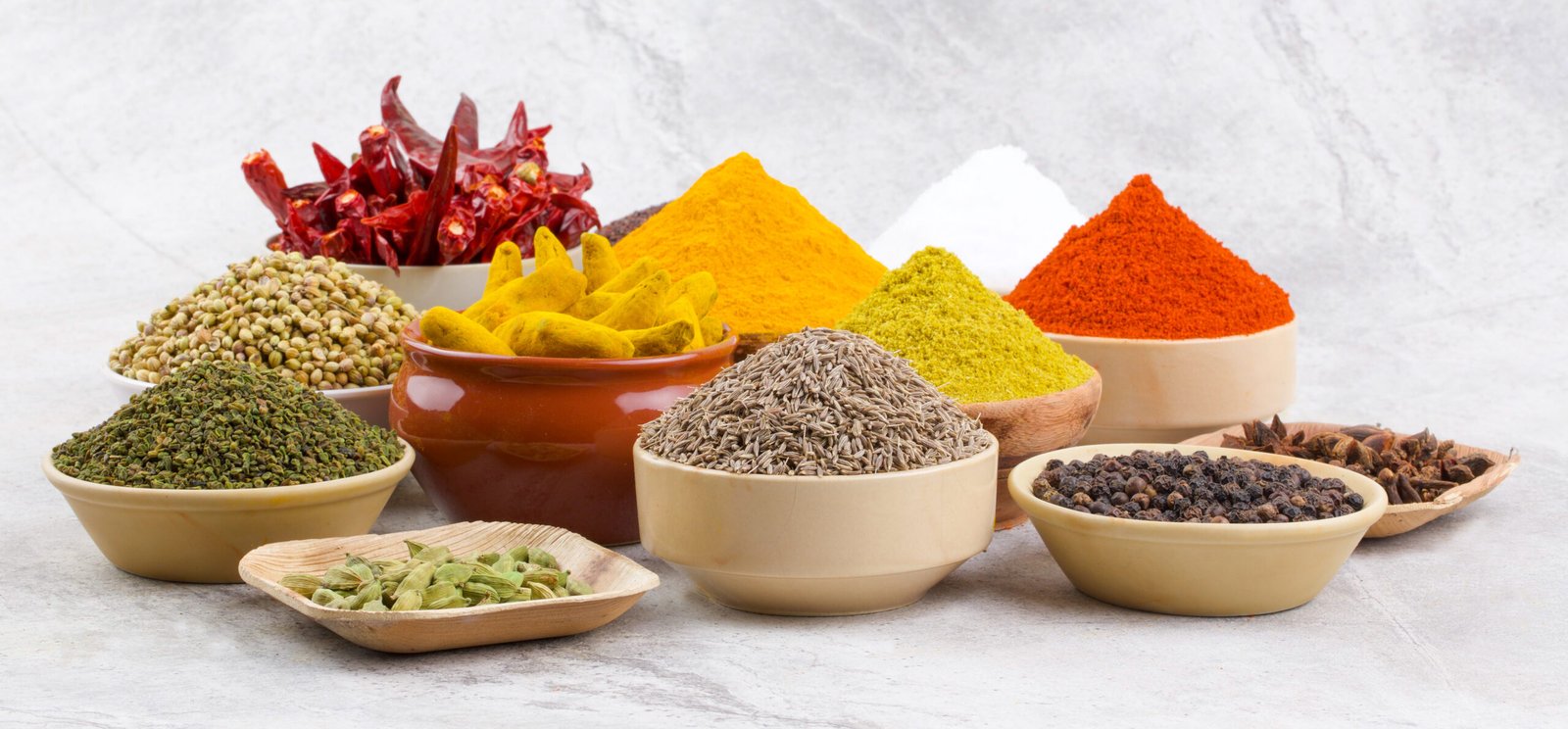
Walk into any Indian kitchen and you will notice something quickly. There is no single “curry powder” doing all the work. What looks like one flavor to an outsider is actually a small, deliberate system of spices, each doing a specific job. If you are trying to cook Indian food at home, or you just came back from a trip and want to recreate what you tasted, you do not need forty jars. You need about a dozen that show up again and again in nearly every regional kitchen.
This list is built around what actually gets used, not what looks impressive on a spice rack.
The Core Spices You Will Reach for Daily
A handful of spices form the backbone of most Indian meals, from a simple dal to a Sunday mutton curry. These are the ones worth buying first.
Turmeric (Haldi)
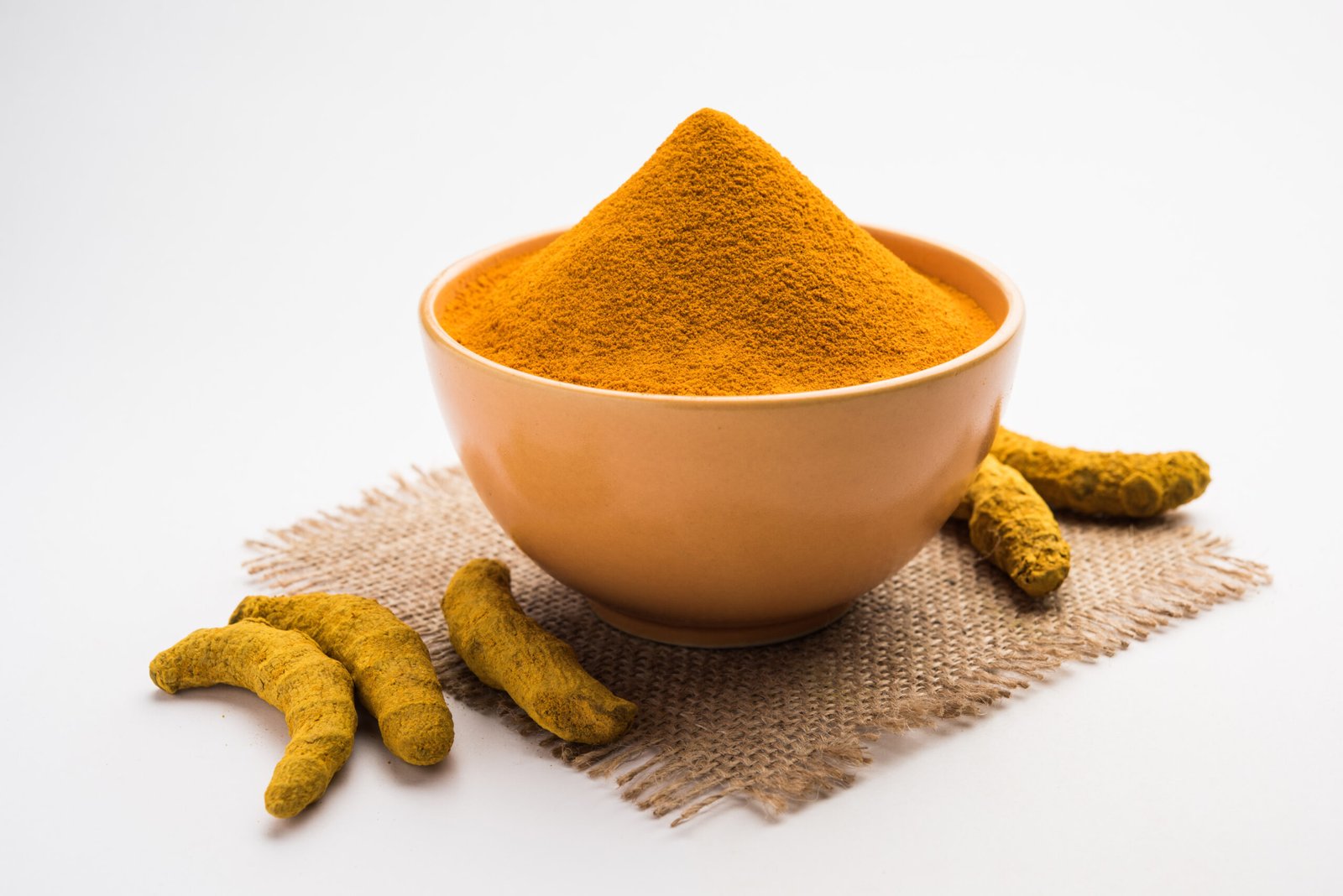
Turmeric gives dishes their yellow color, but that is not really the point of it. It adds an earthy, slightly bitter base note that most Indian dishes rely on without you consciously tasting it. A pinch goes into almost everything, dal, sabzi, marinades, even some rice dishes. Use it sparingly though, too much and the dish turns bitter.
Cumin (Jeera)
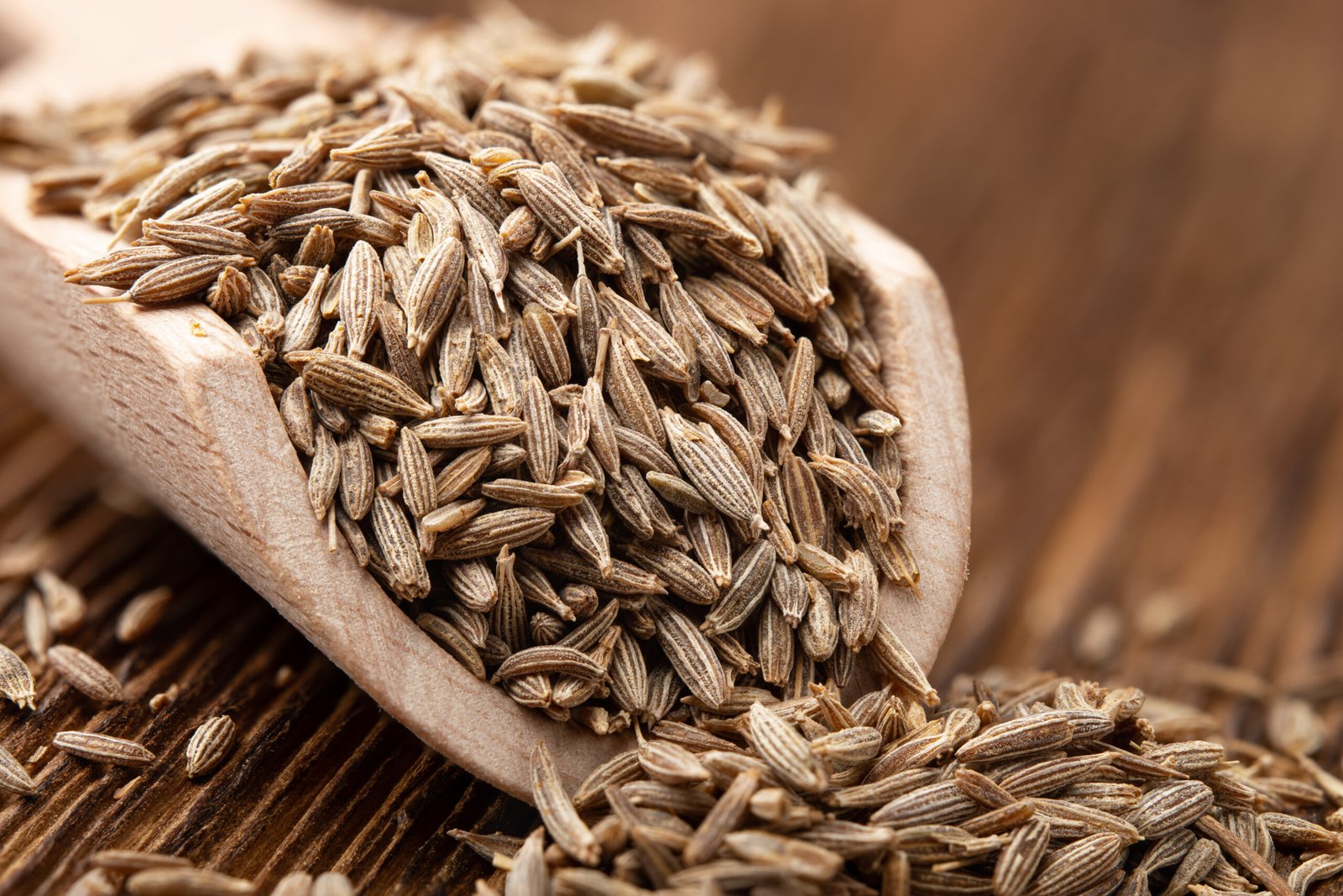
Whole cumin seeds are usually the first thing to hit hot oil in North Indian cooking, a technique called tadka. Ground cumin is used later in the cooking process for a rounder, warmer flavor. Keep both forms on hand because they serve different purposes.
Coriander Powder (Dhaniya)
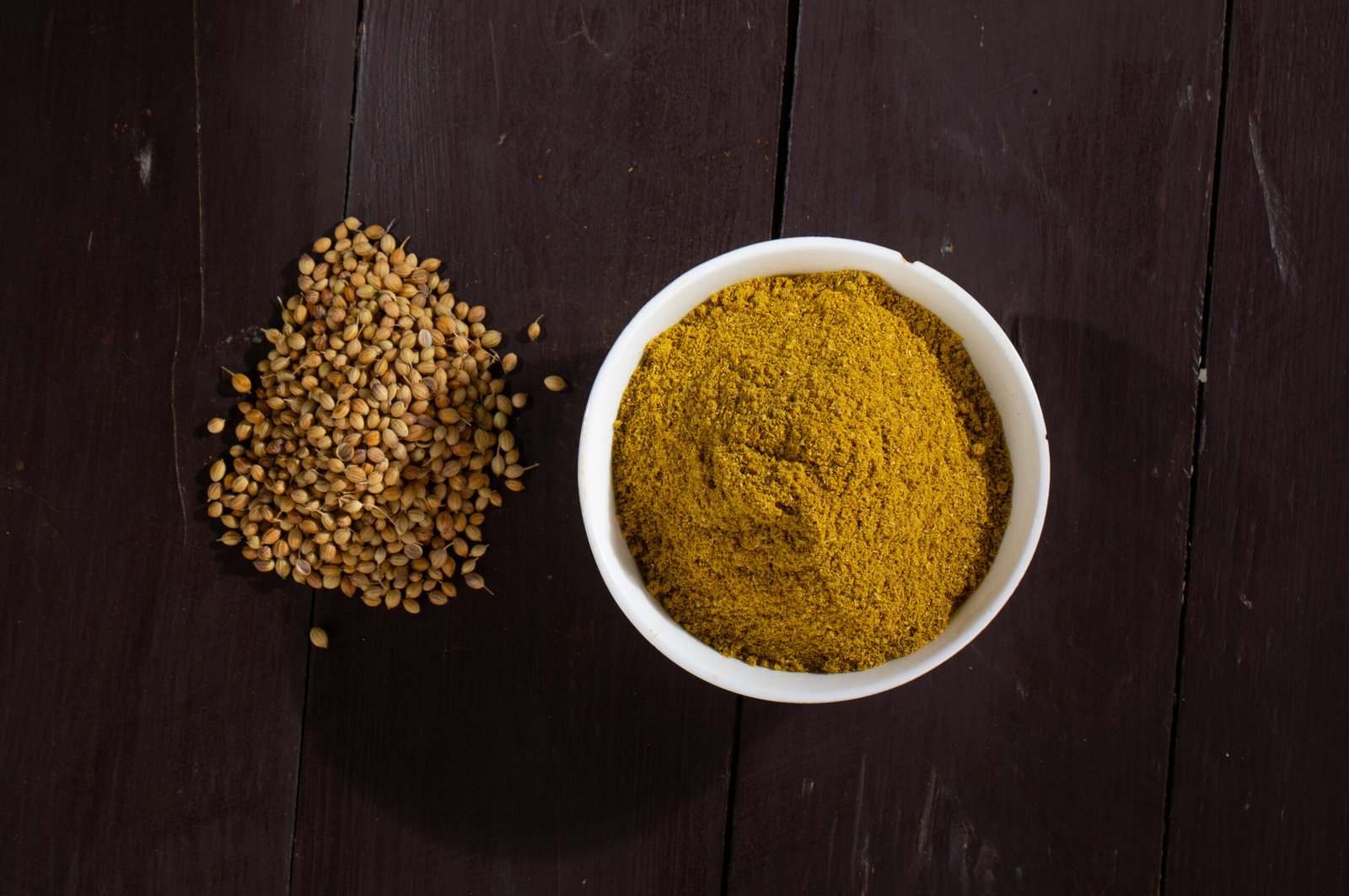
Coriander powder is the quiet workhorse of Indian gravies. It thickens sauces slightly and adds a mellow, citrusy background that balances out the heat from chili powder. Most North Indian curries use cumin and coriander together almost as a default pairing.
Red Chili Powder
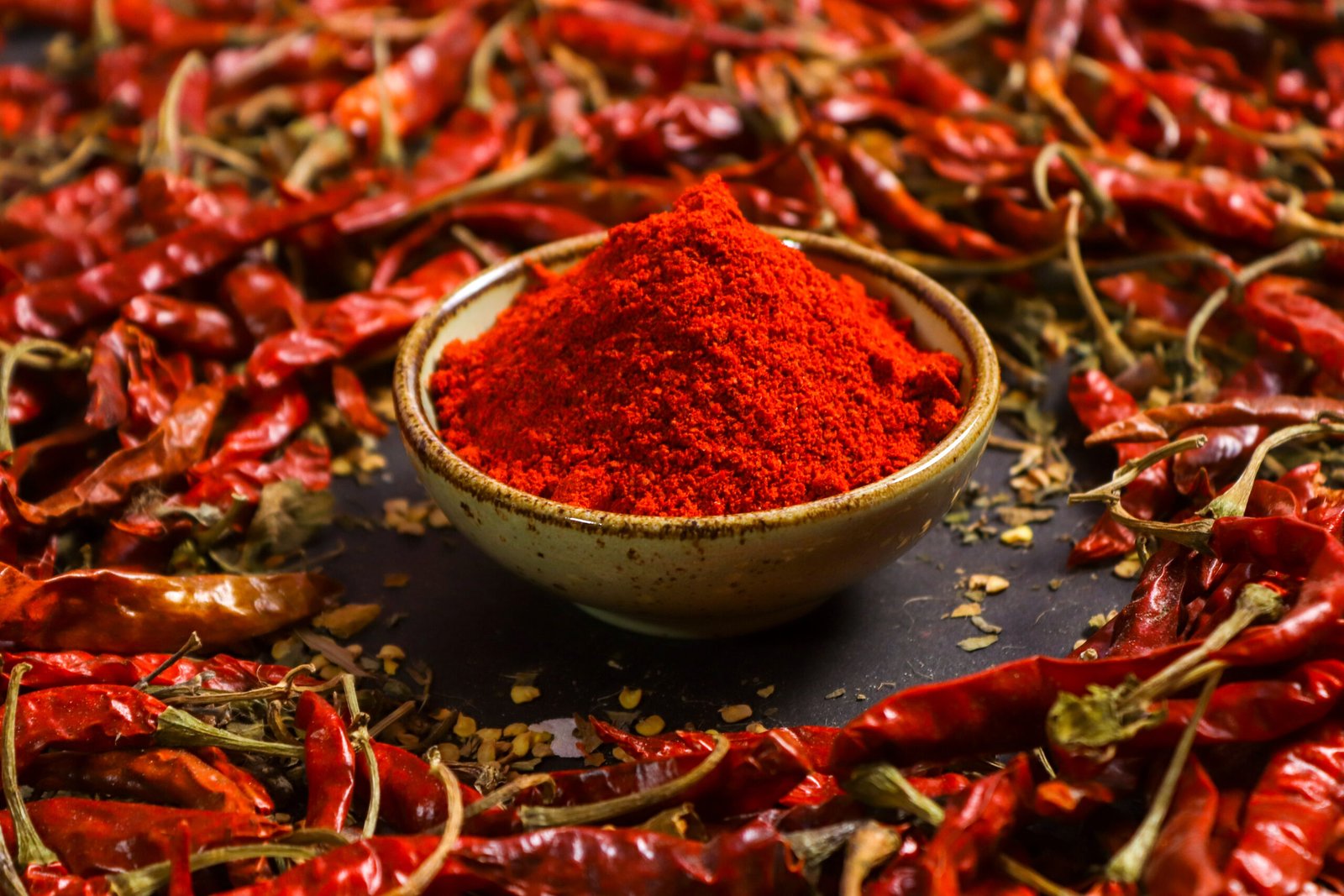
This controls both heat and color. Kashmiri chili powder is milder and used mainly for color, while regular red chili powder brings actual spice. Home cooks often use both in the same dish, one for looks, one for punch.
The Whole Spices for Flavor Layering
These are not sprinkled in casually. They are usually toasted in hot oil or ghee at the start of cooking to release their oils, a step Indian cooks rarely skip even in quick weeknight meals.
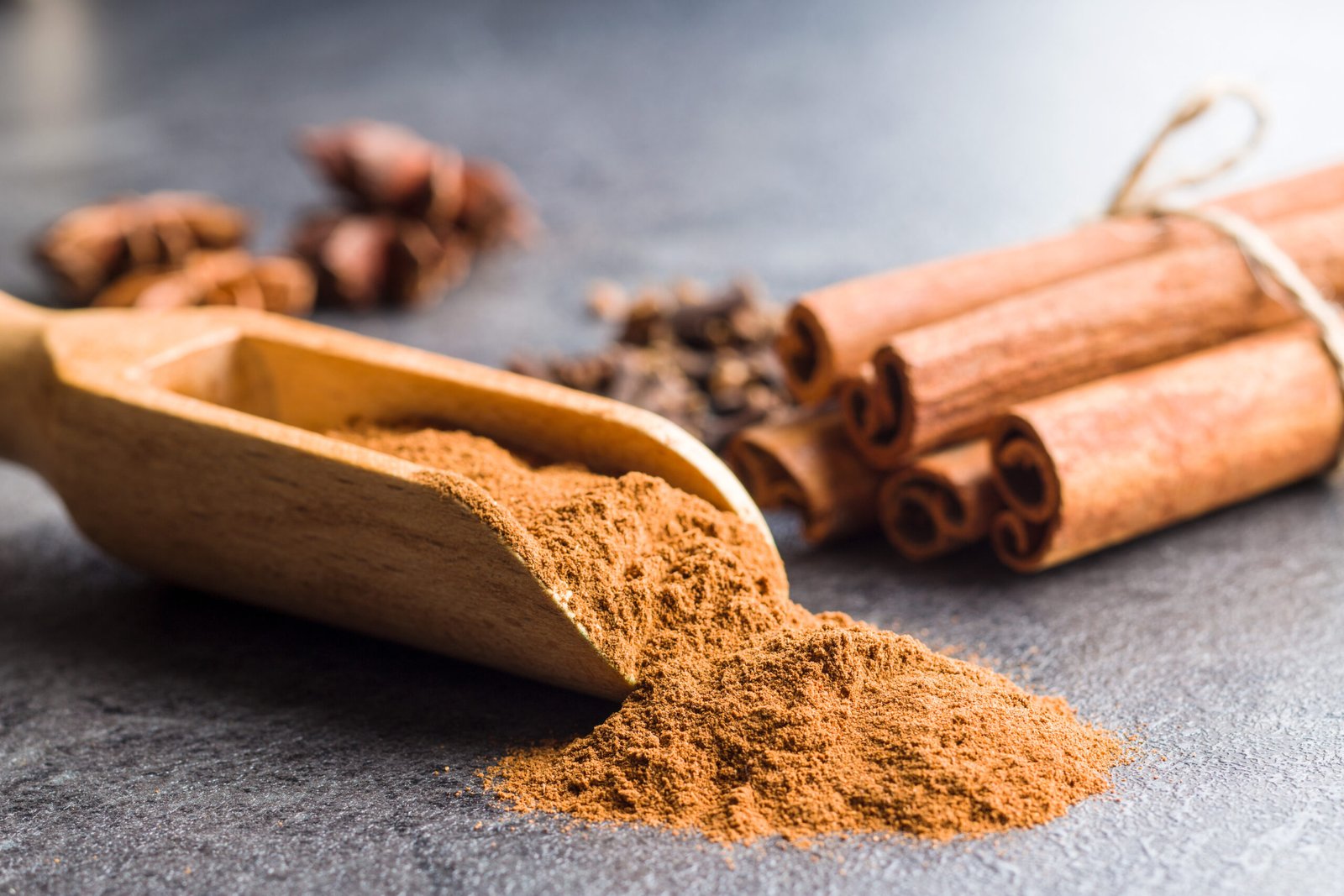
- Cinnamon sticks (dalchini), warm and slightly sweet, common in both curries and chai
- Cloves (laung), sharp and aromatic, used in small quantities
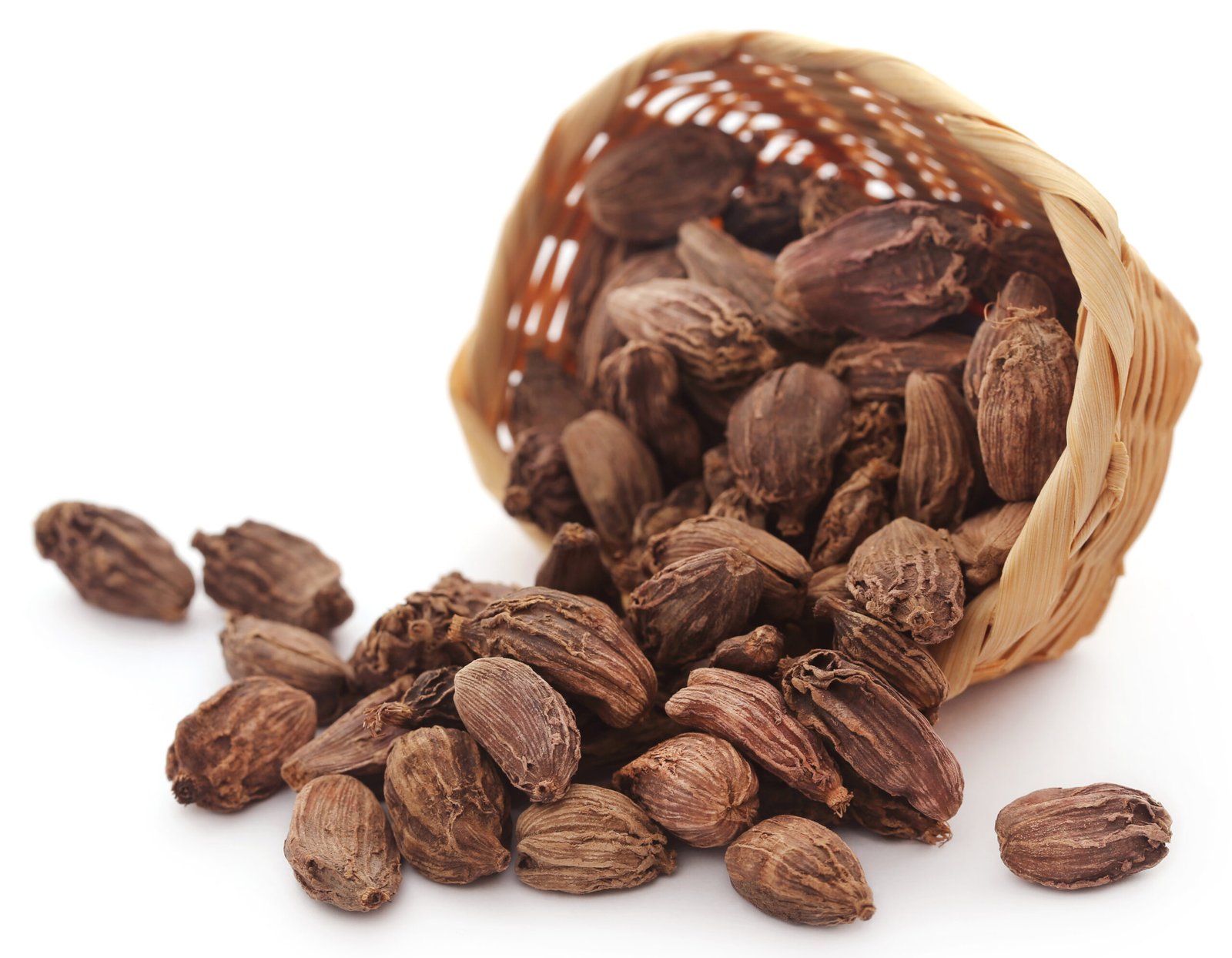
- Black cardamom, smoky and intense, mainly for slow cooked meat dishes and biryanis
- Green cardamom, sweeter and lighter, used across sweets, chai, and rice dishes
- Bay leaf (tej patta), subtle, mostly a background note in rice and dals
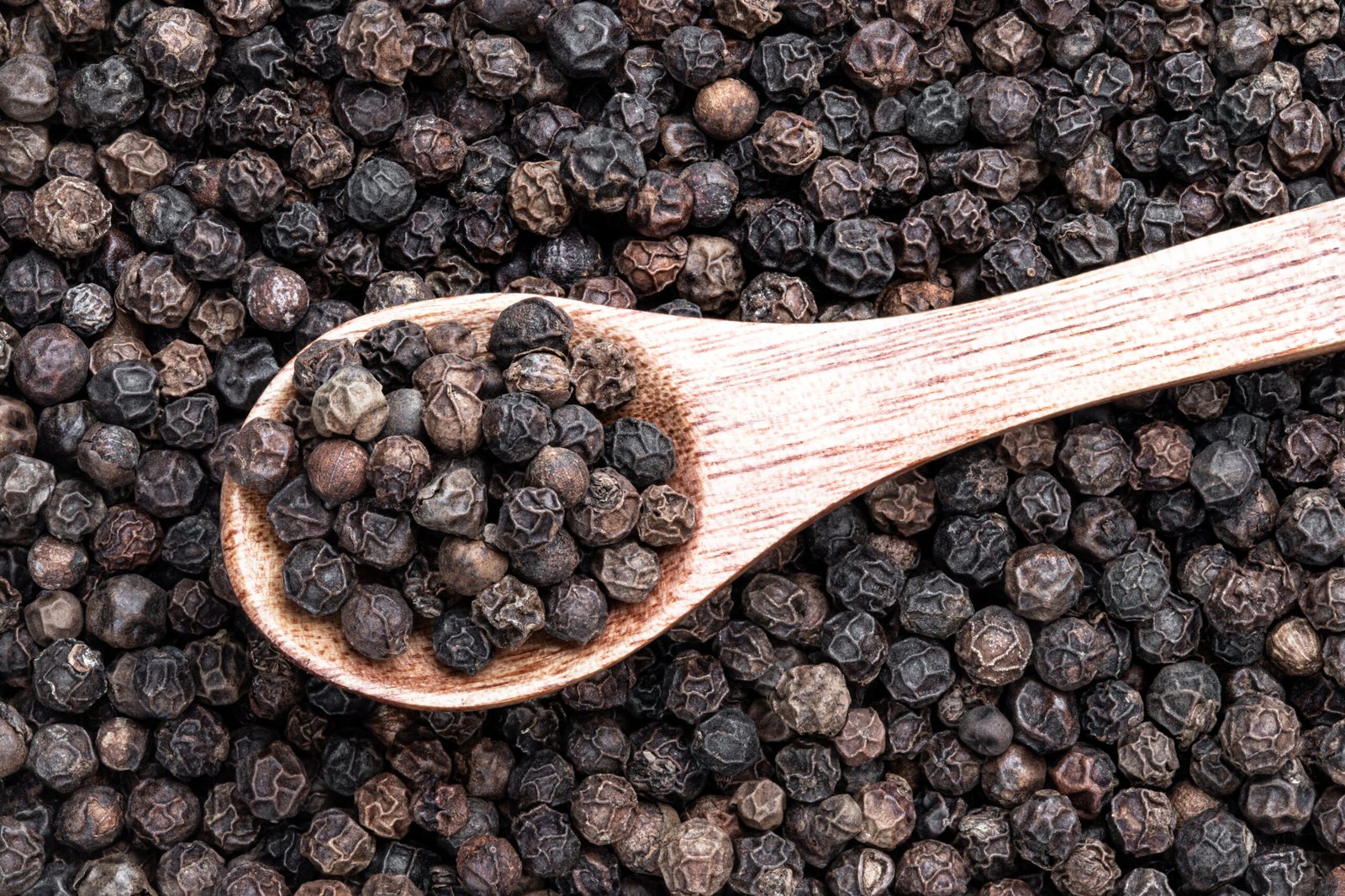
- Black pepper, present in garam masala and used whole in some slow cooked dishes
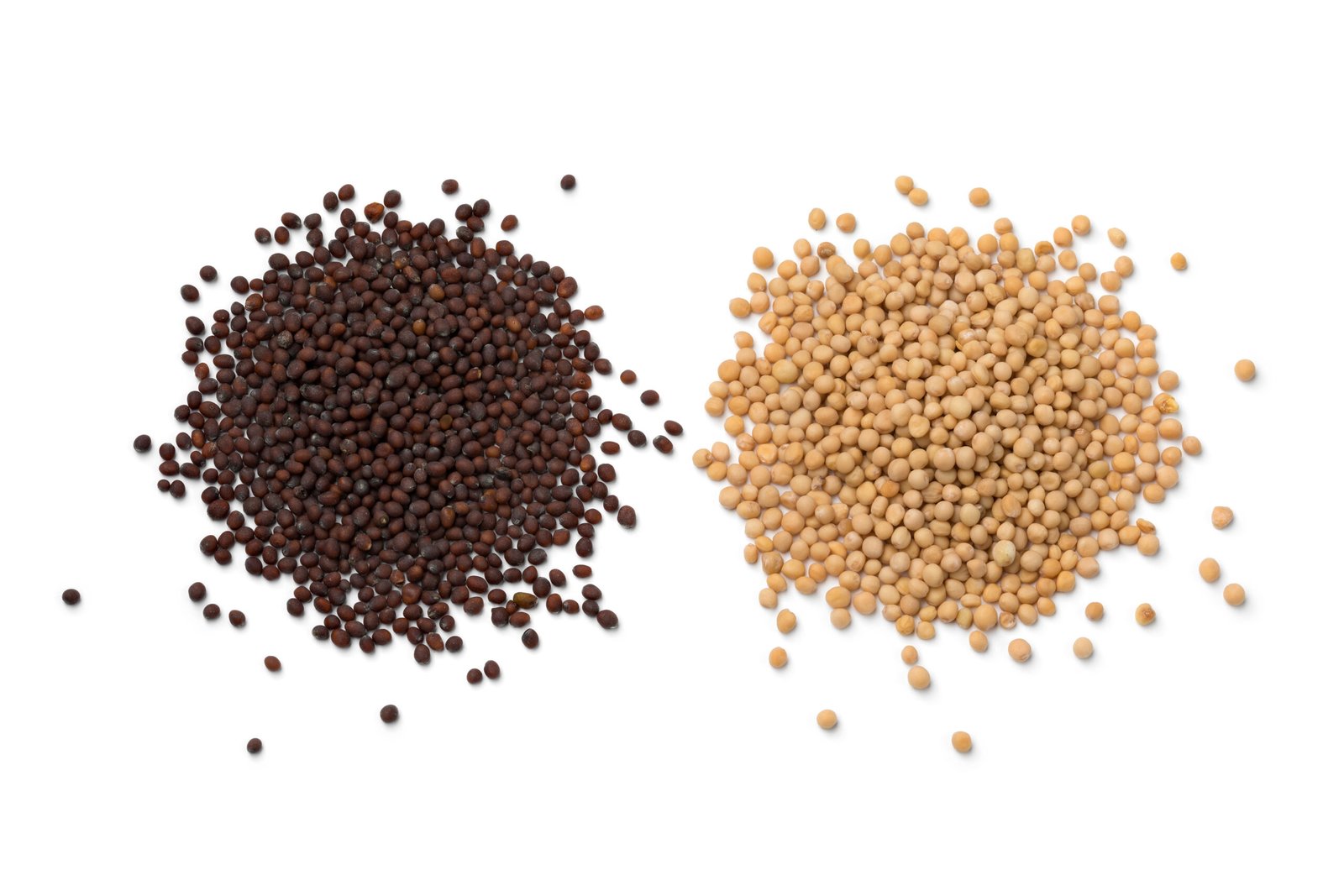
- Mustard seeds, essential in South and West Indian cooking, cracked in hot oil for a nutty pop
Garam Masala, the Blend That Ties It Together
Garam masala is not one spice, it is a blend, and this trips up a lot of new cooks. Recipes vary by region and even by household, but a typical version includes cumin, coriander seeds, black and green cardamom, cinnamon, cloves, black pepper, bay leaf, and sometimes nutmeg or mace roasted and ground together [web:2]. It is usually added toward the end of cooking, not the beginning, because its aroma fades with long heat exposure.
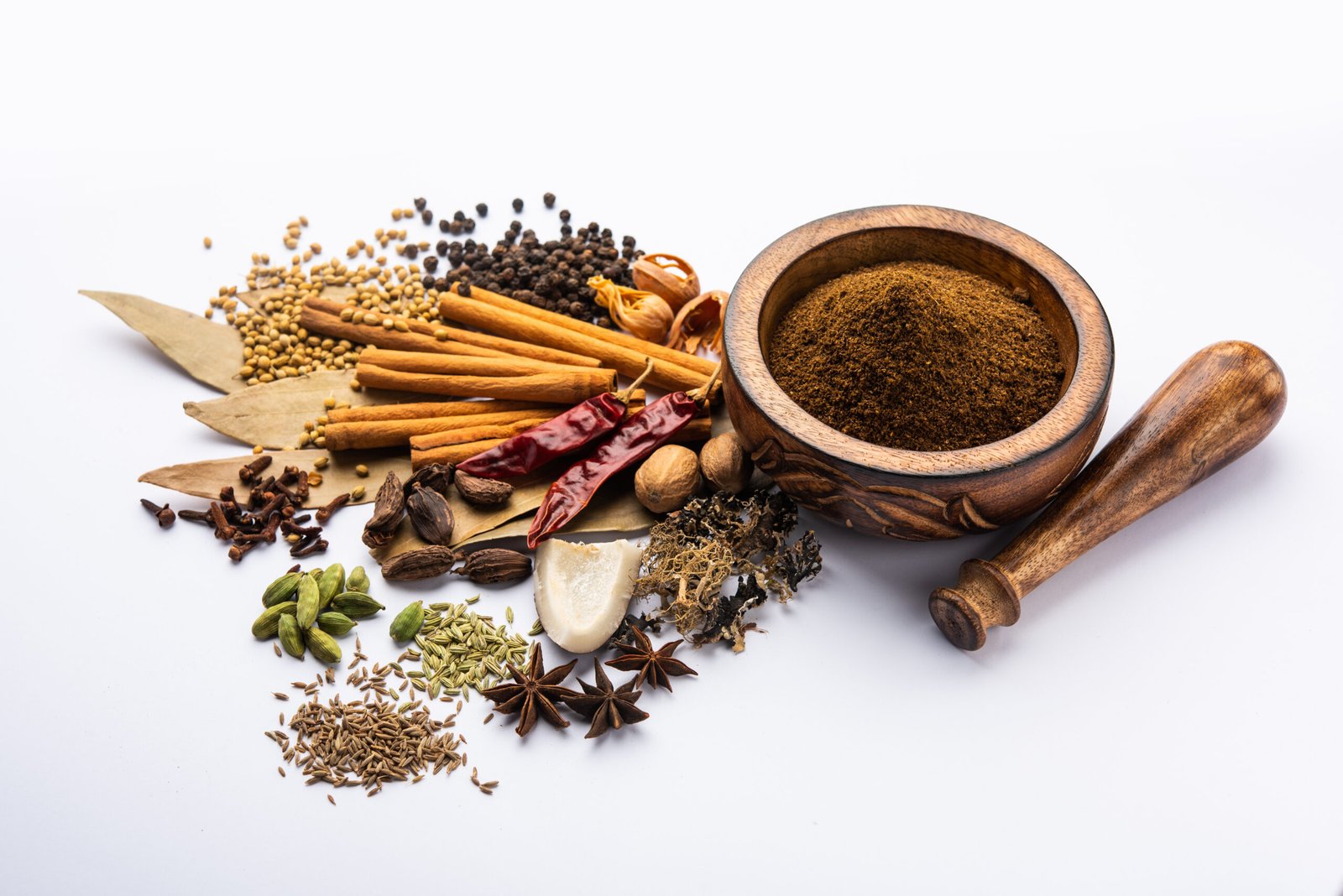
You can buy a decent pre-mixed garam masala from any Indian grocery store. Making your own is not hard, but it is a project for a weekend, not a Tuesday night dinner involving roasting, cooling and grinding batches at a time.
Fresh Aromatics That Work Alongside Spices
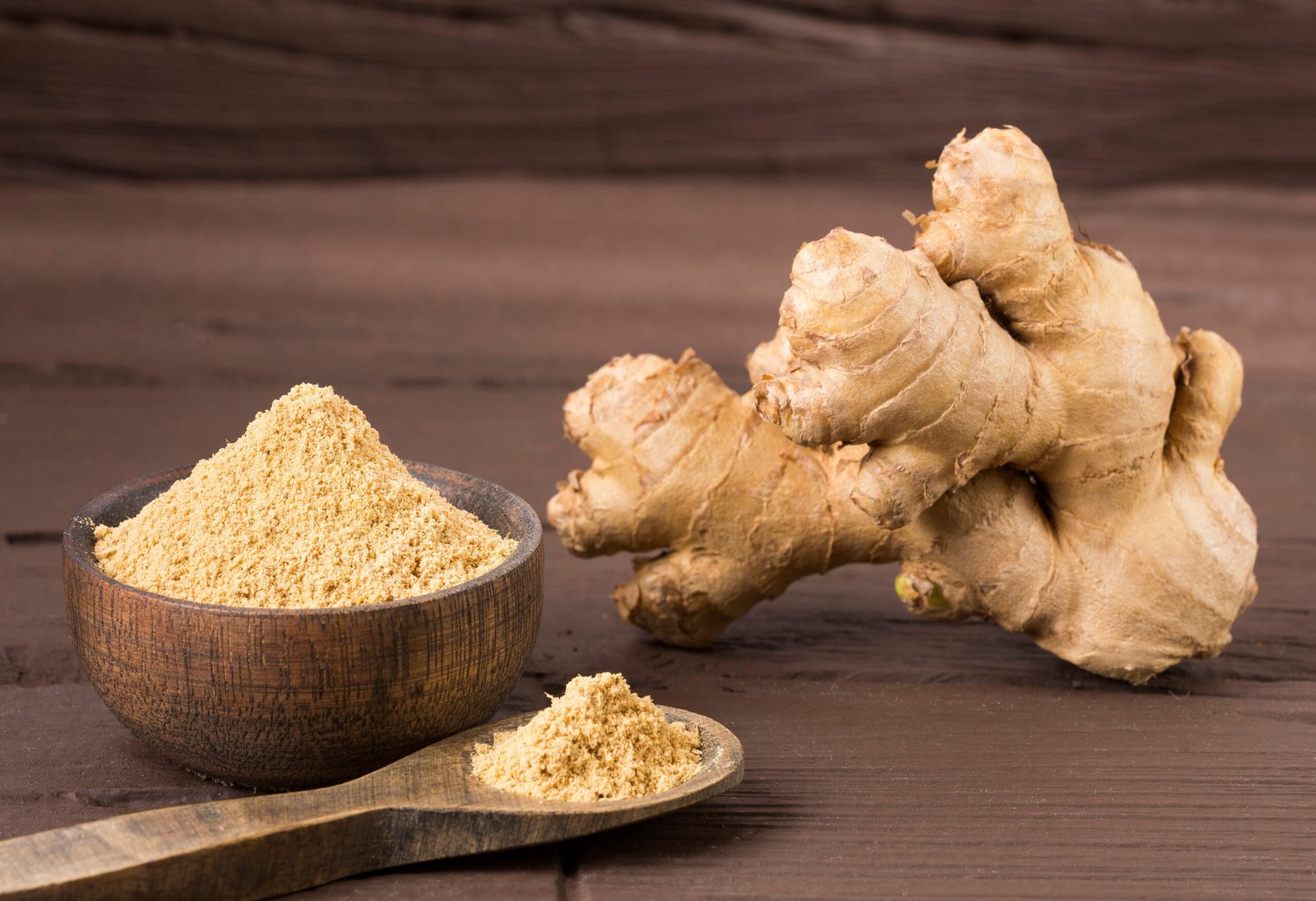
Ginger and garlic are not technically spices, but no Indian kitchen functions without them. Fresh ginger paste goes into curries, marinades, and chai, while dried ground ginger sometimes appears in spice blends like garam masala.
Building a Starter Spice Box
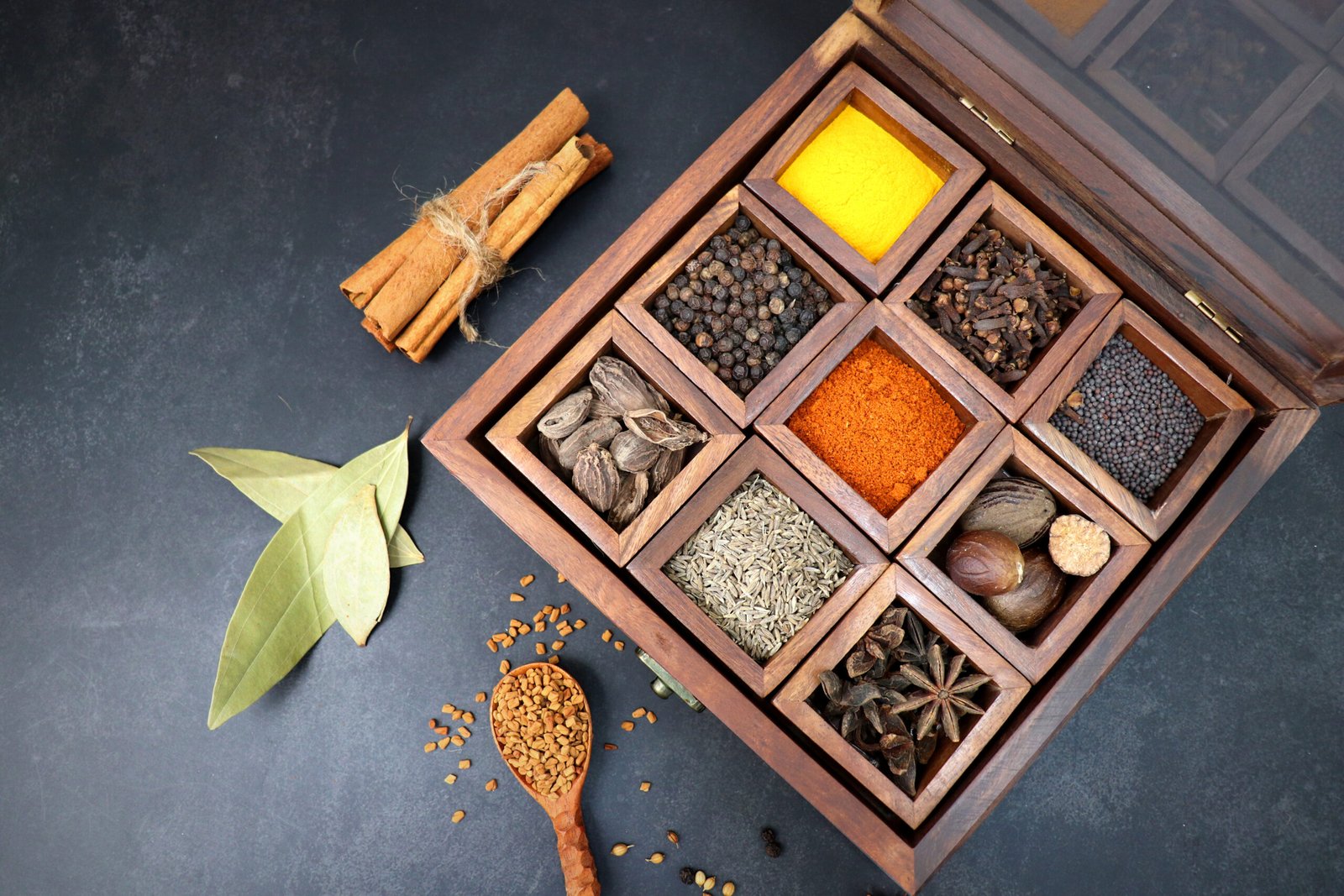
If you are just starting out, do not buy everything at once. A basic Indian pantry can run on seven spices, salt, cumin seeds, mustard seeds, turmeric, coriander powder, red chili powder, and a good garam masala and you can genuinely cook most weeknight dishes with just these. Add cardamom, cinnamon, and cloves once you get comfortable, since those show up more in special occasion cooking.
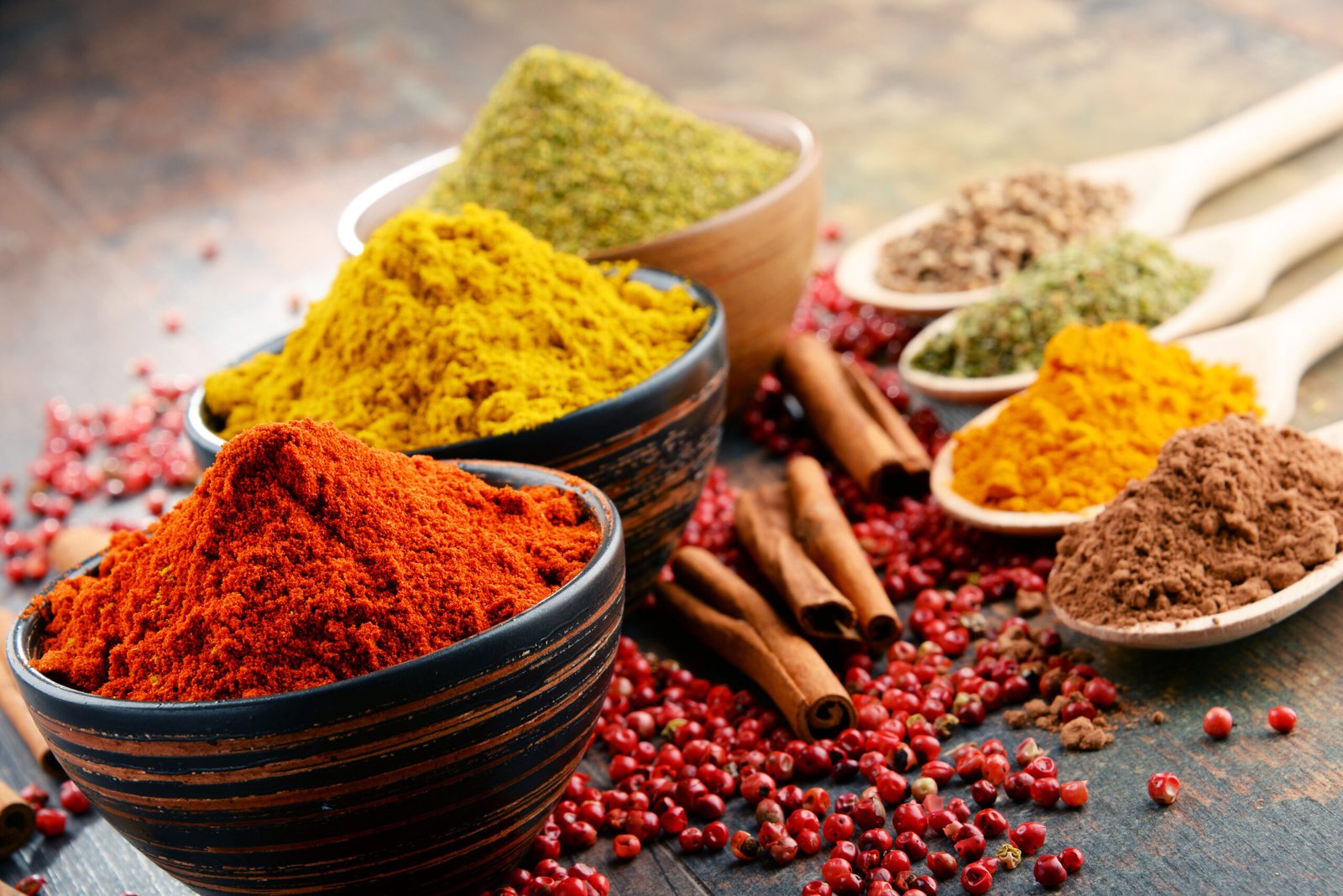
Practical tip: Buy whole spices where possible and grind small batches at home. Ground spices lose their punch within a few months, whole spices keep their flavor far longer.
Curry Powder Is Not Really Indian
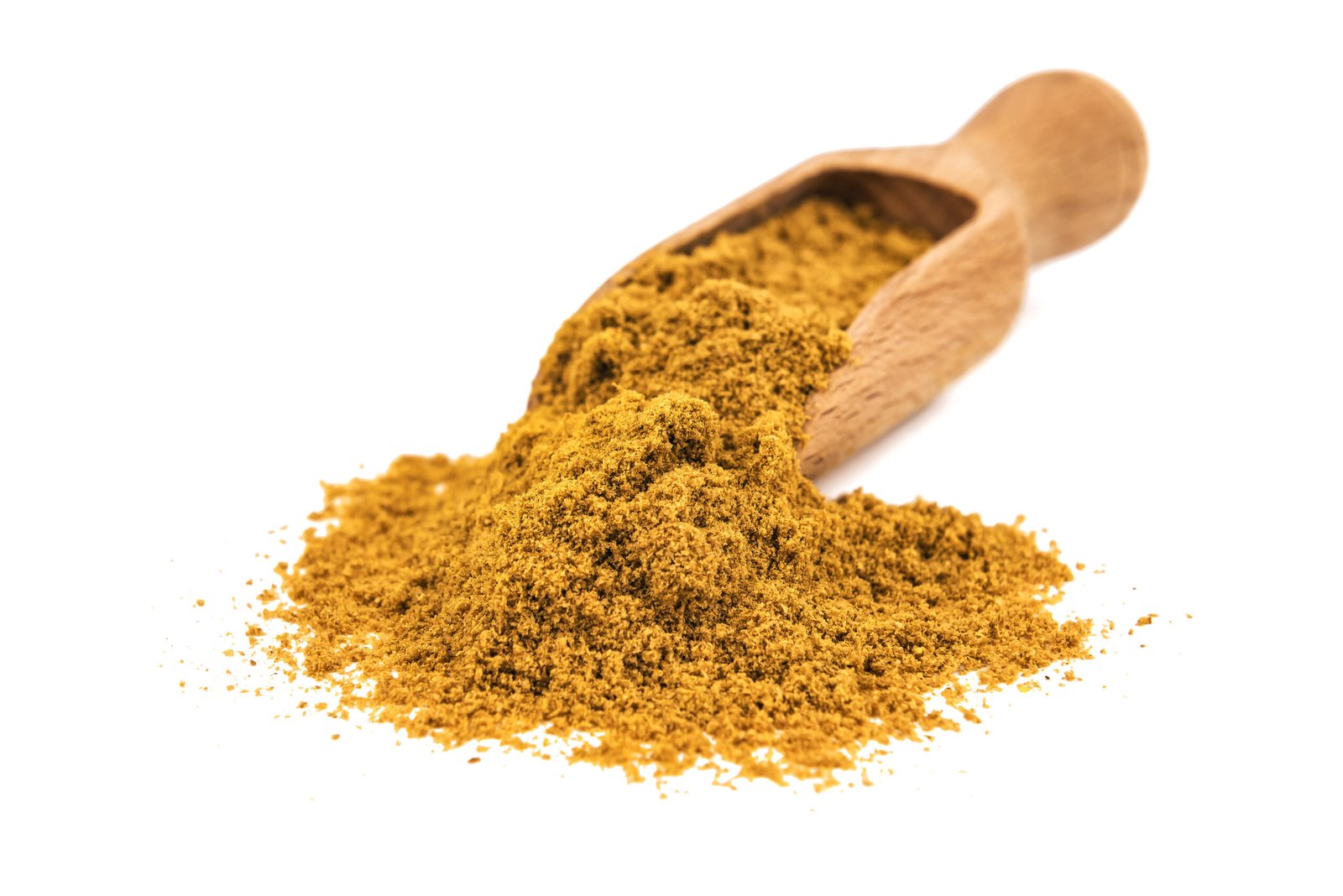
Worth mentioning since travelers ask about it often. Curry powder as sold in Western supermarkets is a colonial era invention, not something you will find labeled that way in an Indian kitchen. Indian cooks build flavor spice by spice or use region specific blends instead.
Where to Learn This Hands On
Reading about spices only gets you so far. If you want to actually understand how these come together in real dishes, a hands on class in Delhi makes a real difference.
If chai is more your interest, our master class is a smaller, more intimate way to see how cardamom, cinnamon, and ginger work together in something you drink daily.
For a broader taste of how spices show up outside the kitchen, our Delhi street food tours give you a chance to taste spice combinations you cannot easily recreate from a recipe card.
Explore Delhi Street Food Luxury Old Delhi Tasting
Frequently Asked Questions
What is the one spice I absolutely cannot skip in Indian cooking?
Turmeric and cumin are the two most non negotiable. Almost every savory dish leans on at least one of them.
Is garam masala the same as curry powder?
No. Garam masala is an aromatic finishing blend used in Indian kitchens, while curry powder is a Western commercial mix not traditionally used in India.
How long do ground Indian spices actually last?
Most ground spices hold their flavor for around six months. Whole spices last considerably longer, often over a year if stored away from light and moisture.
Can I substitute pre-mixed garam masala for whole spices in a recipe?
Yes, most home cooks in India use store bought garam masala rather than making it from scratch every time. It works fine for everyday cooking.
Where can I buy authentic Indian spices while traveling in Delhi?
Khari Baoli in Old Delhi is Asia’s largest spice market and a good place to see and buy spices in bulk, though a guided visit helps you avoid overpaying.