Diwali in 2026 falls on Sunday, November 8. If you’re in Delhi that evening, you’ll see two Diwalis happening at the same time, sometimes in the same building. One is the old family festival of oil lamps, puja and homemade sweets. The other is the city version, with card parties, corporate gifting, mall sales and WhatsApp greetings.
Neither one is fake. They’re just different answers to the same question: how do you keep a festival alive when life has changed this much?
What Is Diwali Actually About?
Diwali, or Deepavali, is the festival of lights. It marks the end of the harvest season and the new moon night of the Hindu month of Kartik. Most people in North India link it to Lord Ram’s return to Ayodhya. Many families also worship Lakshmi, the goddess of prosperity, and Ganesh on the main night.
It isn’t only a Hindu festival either. Jains, Sikhs and some Buddhist communities observe it for their own reasons. Sikhs mark Bandi Chhor Divas, linked to Guru Hargobind Ji’s release, and the lights at the Golden Temple and Delhi’s gurdwaras are worth seeing if you’re respectful about it.
The festival runs over about five days. This year the main Lakshmi Puja in Delhi is between 5:54 PM and 7:50 PM on November 8, and Govardhan Puja follows on November 10.
How Is Diwali Celebrated in a Traditional Indian Home?
It starts with cleaning. Not the usual tidying, but a proper turning out of cupboards, washing of curtains, and painting if the budget allows. The idea is simple. You’re inviting prosperity in, so the house should be ready.
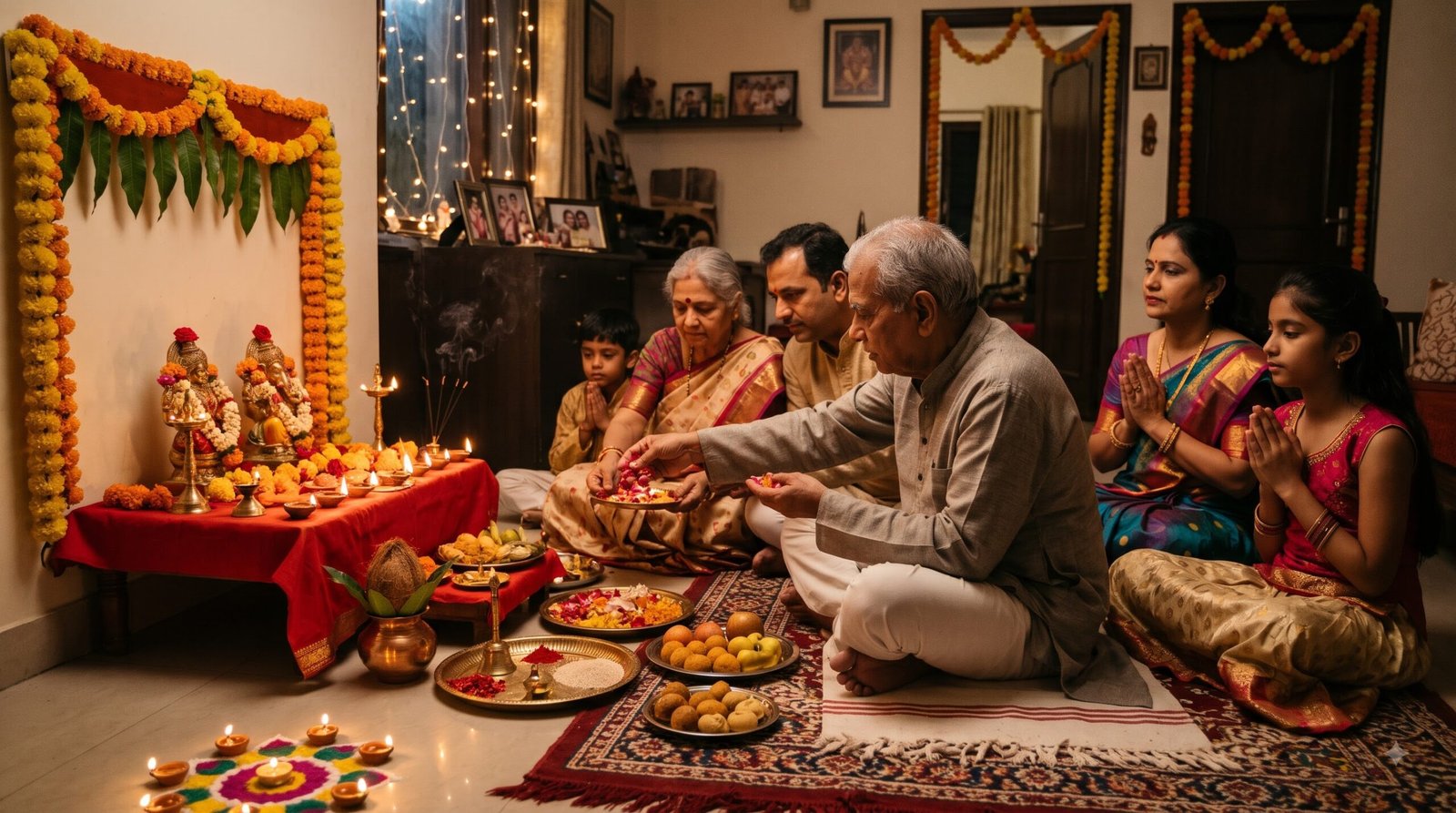
Rangoli, diyas and the evening puja
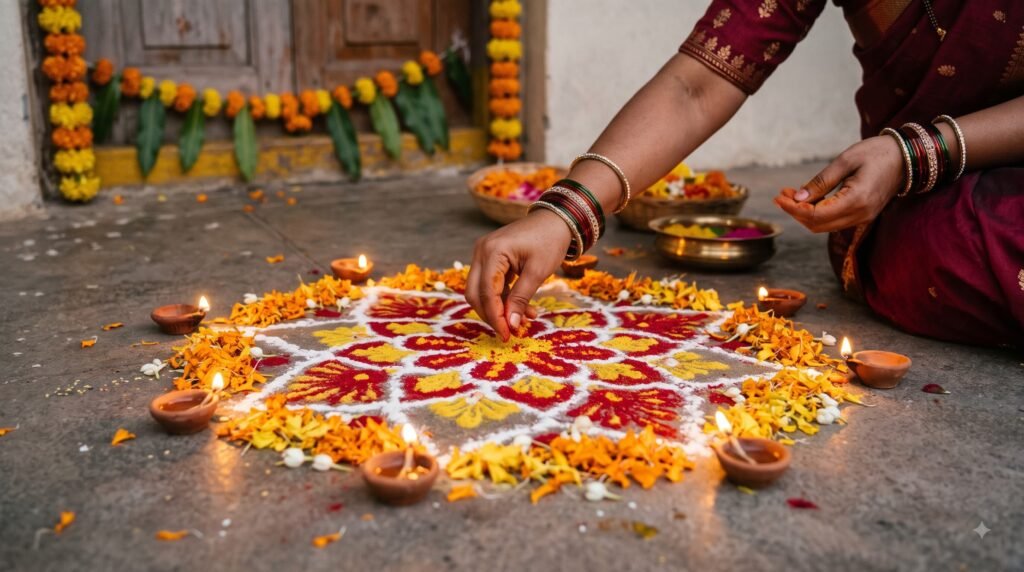
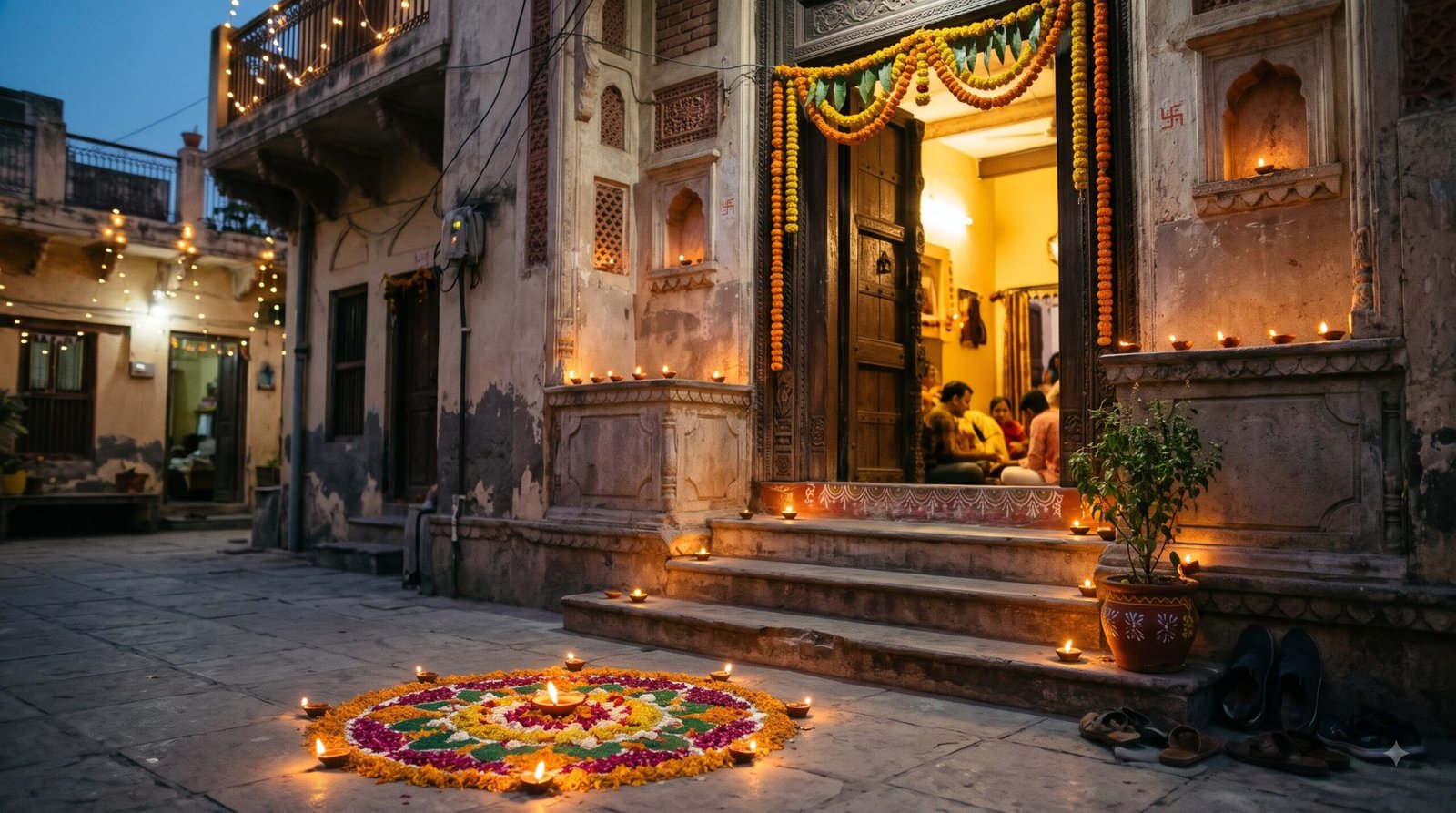
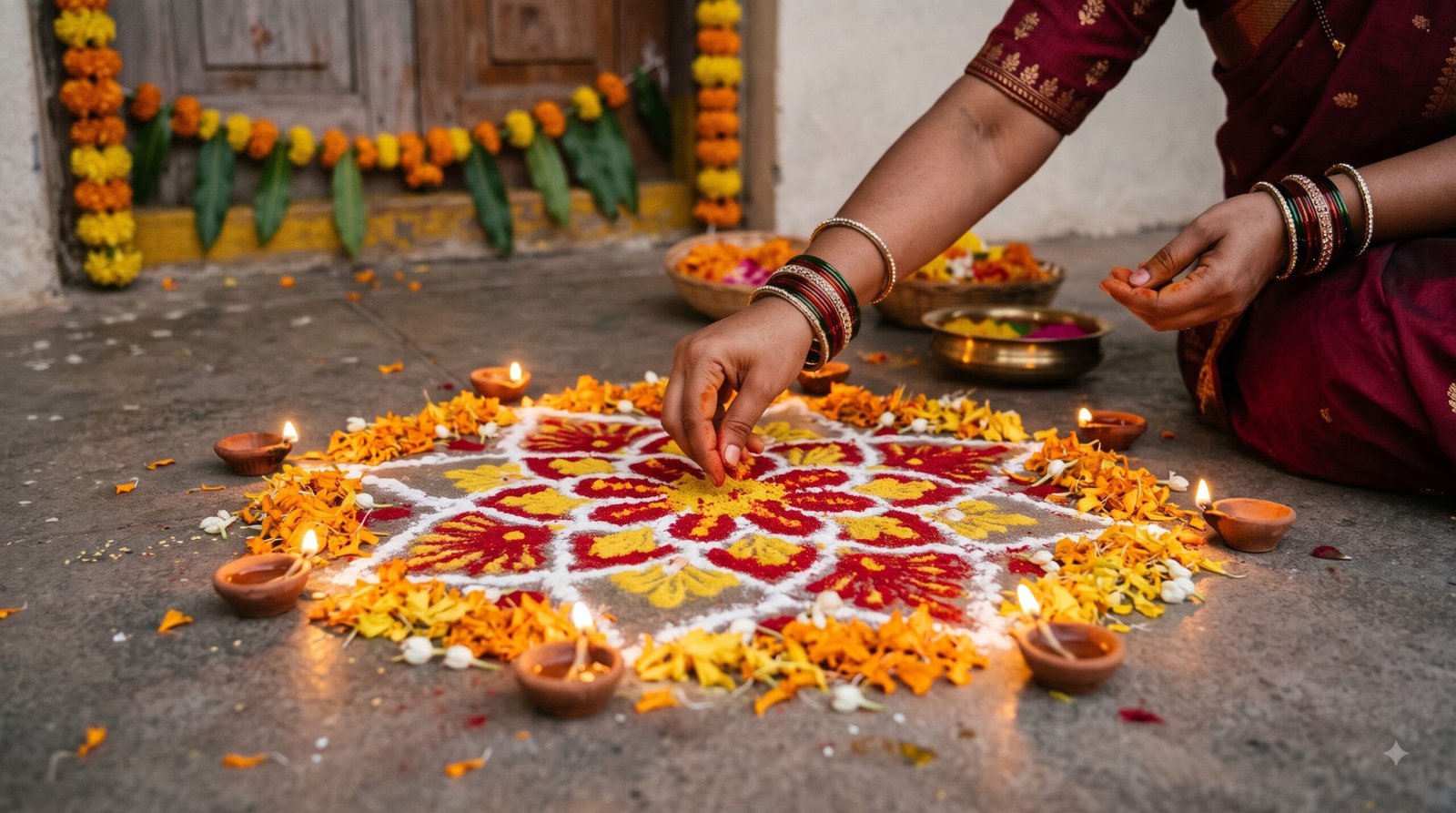
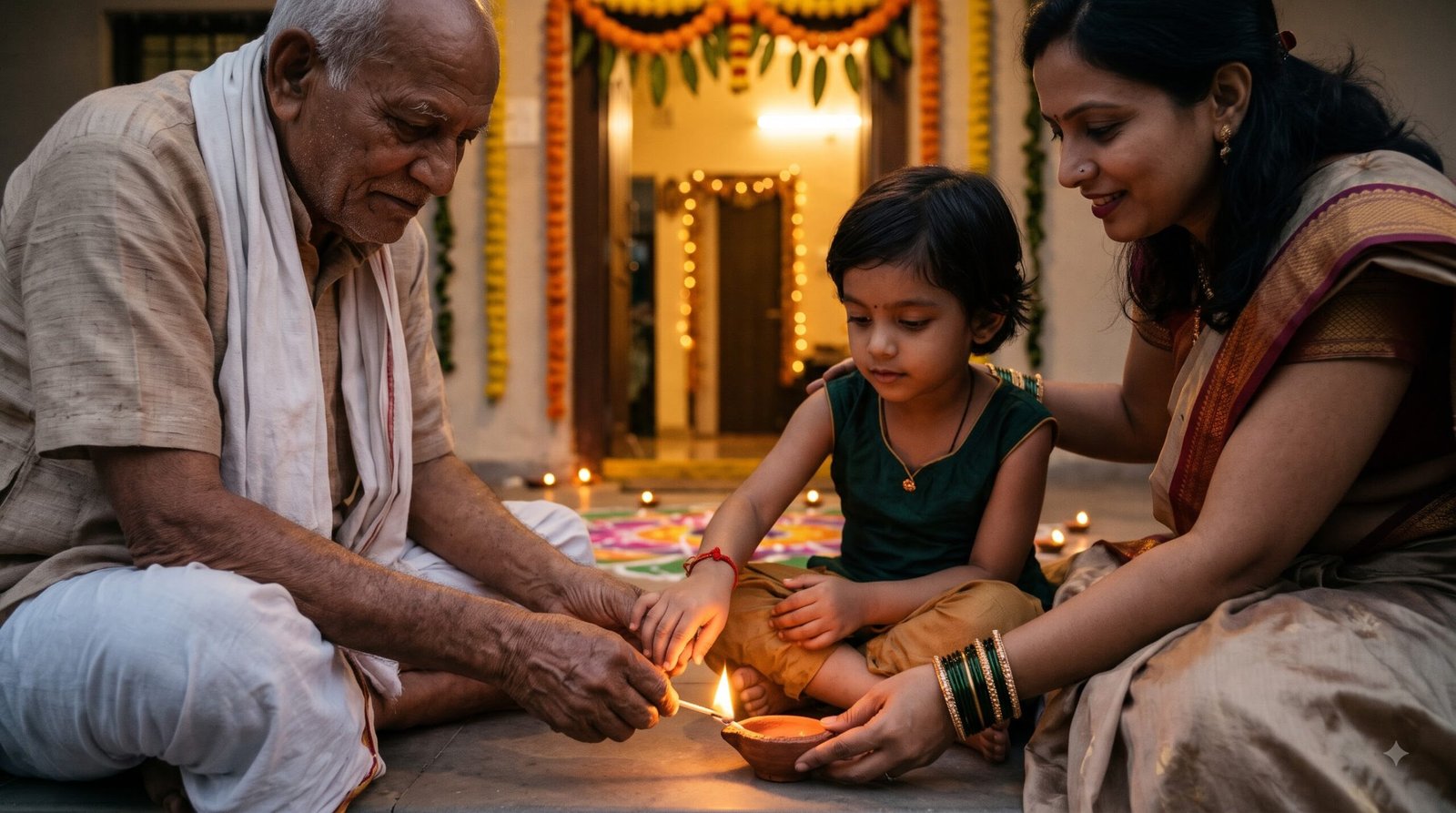
Rangoli goes at the entrance, usually drawn with coloured powder or flower petals. Clay diyas are filled with oil or ghee and lit at dusk. In many homes the grandmother still decides exactly which corner gets which lamp.
Then the family sits for Lakshmi Ganesh puja. New coins, account books or even a laptop sometimes go on the altar. It’s usually short, a bit noisy, and children get restless halfway through.
Sweets made at home
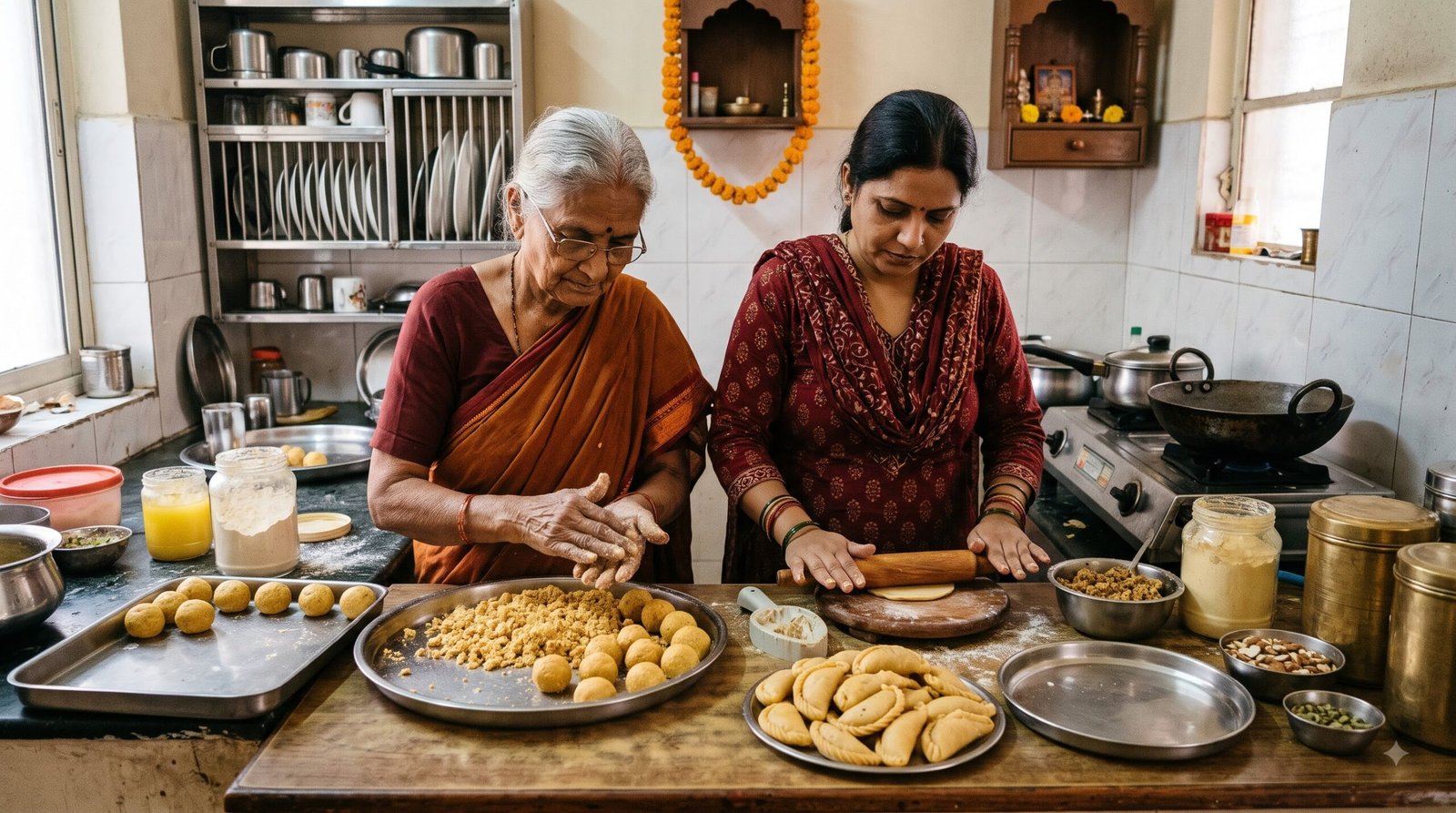
Before shops took over, nearly every home made its own sweets. Besan ladoo, kaju katli, gujiya, chakli, shakarpara. Ghee, cardamom and roasted gram flour hang in the air for days. Some families still do it, especially when three generations are in one kitchen.
Visiting relatives
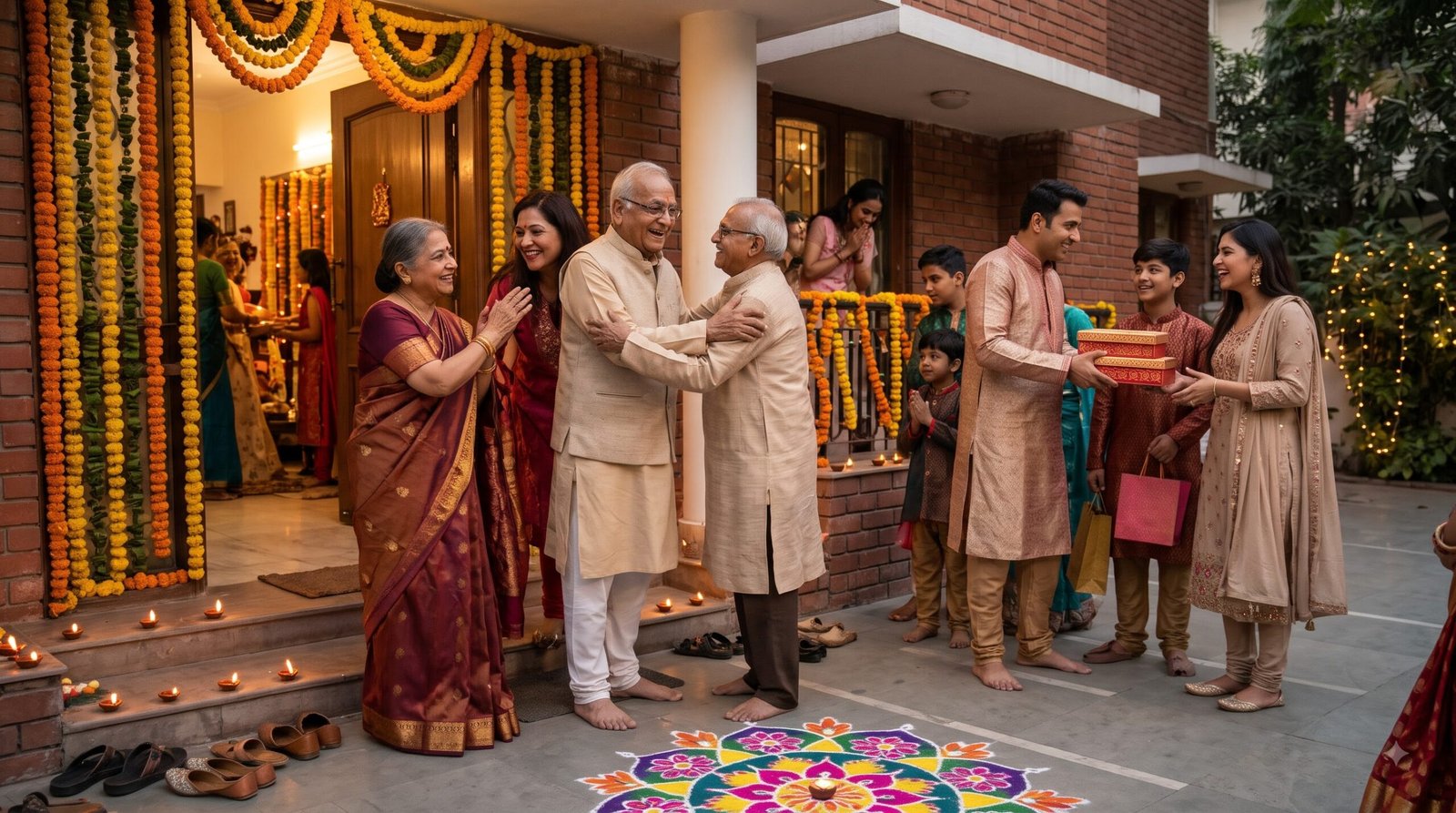
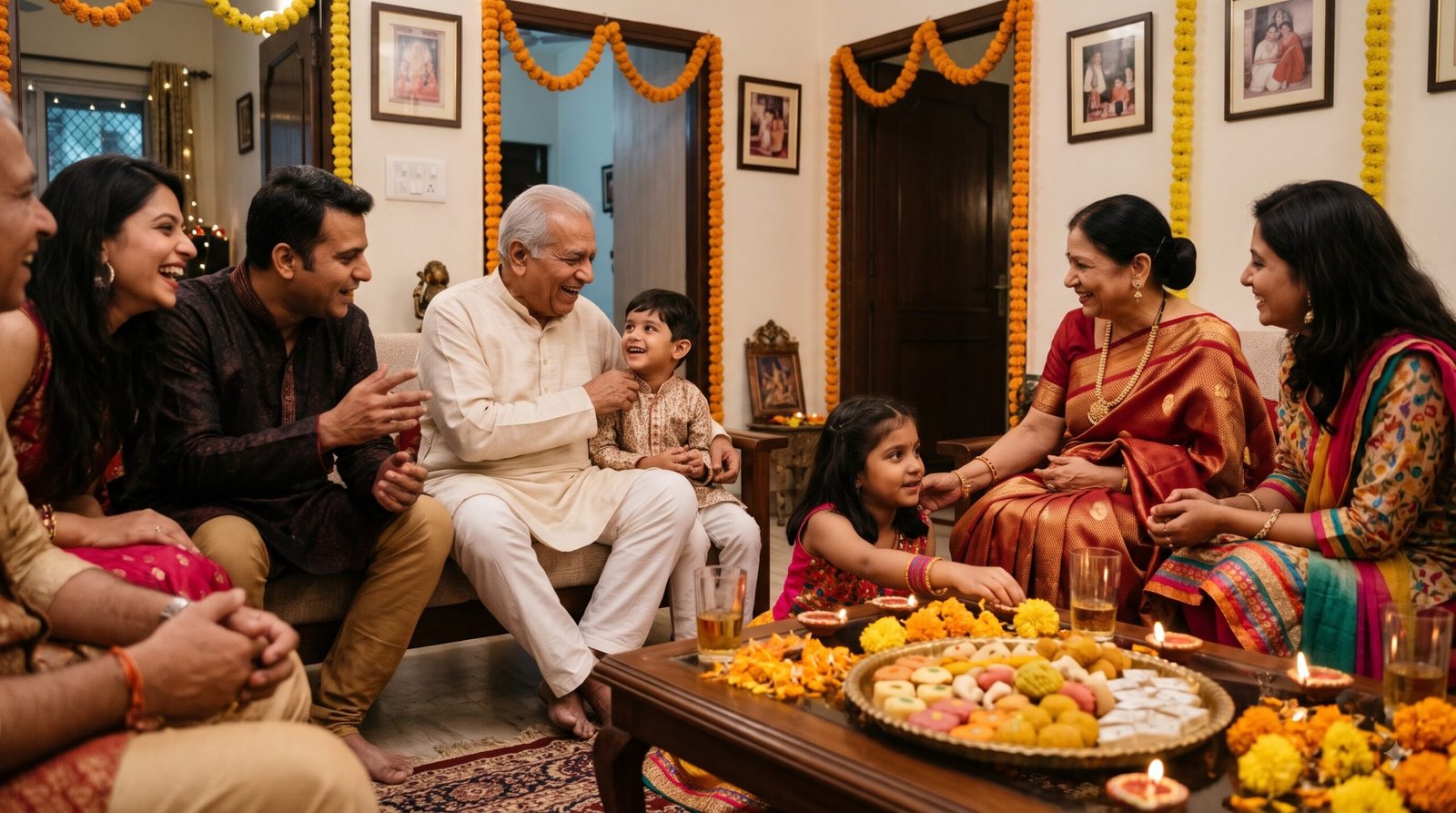
The days after the puja are for visiting. You arrive with a box of sweets, you’re fed immediately, and you leave with another box. Refusing food is awkward. Take a small portion of everything and you’ll be fine.
What Does Modern Urban Diwali Look Like?
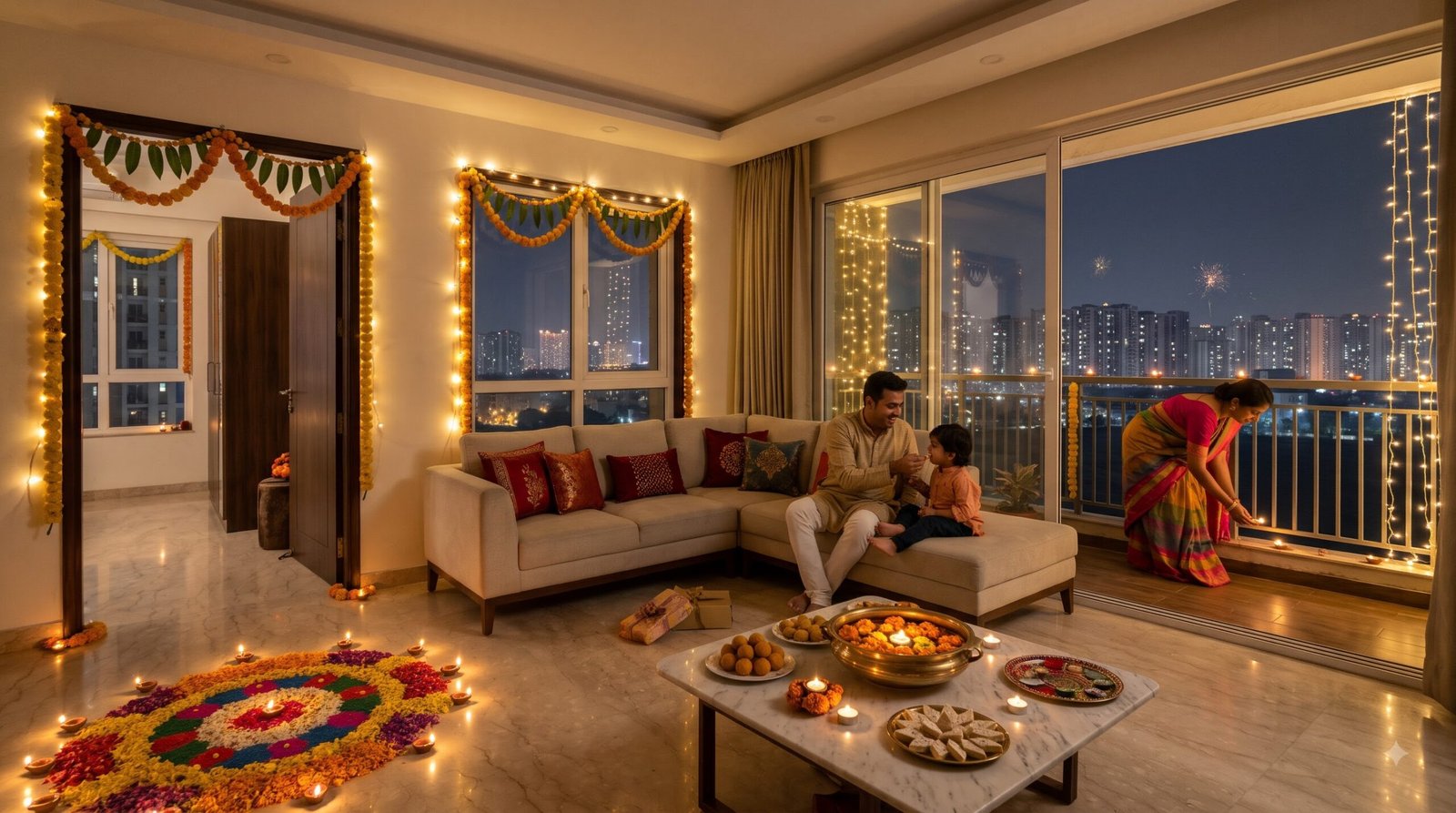
In Delhi, Mumbai, Bengaluru and Gurugram, Diwali often fits around work, traffic and apartment rules. Many families live in flats, not courtyard homes. The diyas are fewer, but there are string lights on the balcony and a readymade rangoli sticker at the door.
Card parties, house parties and office Diwali
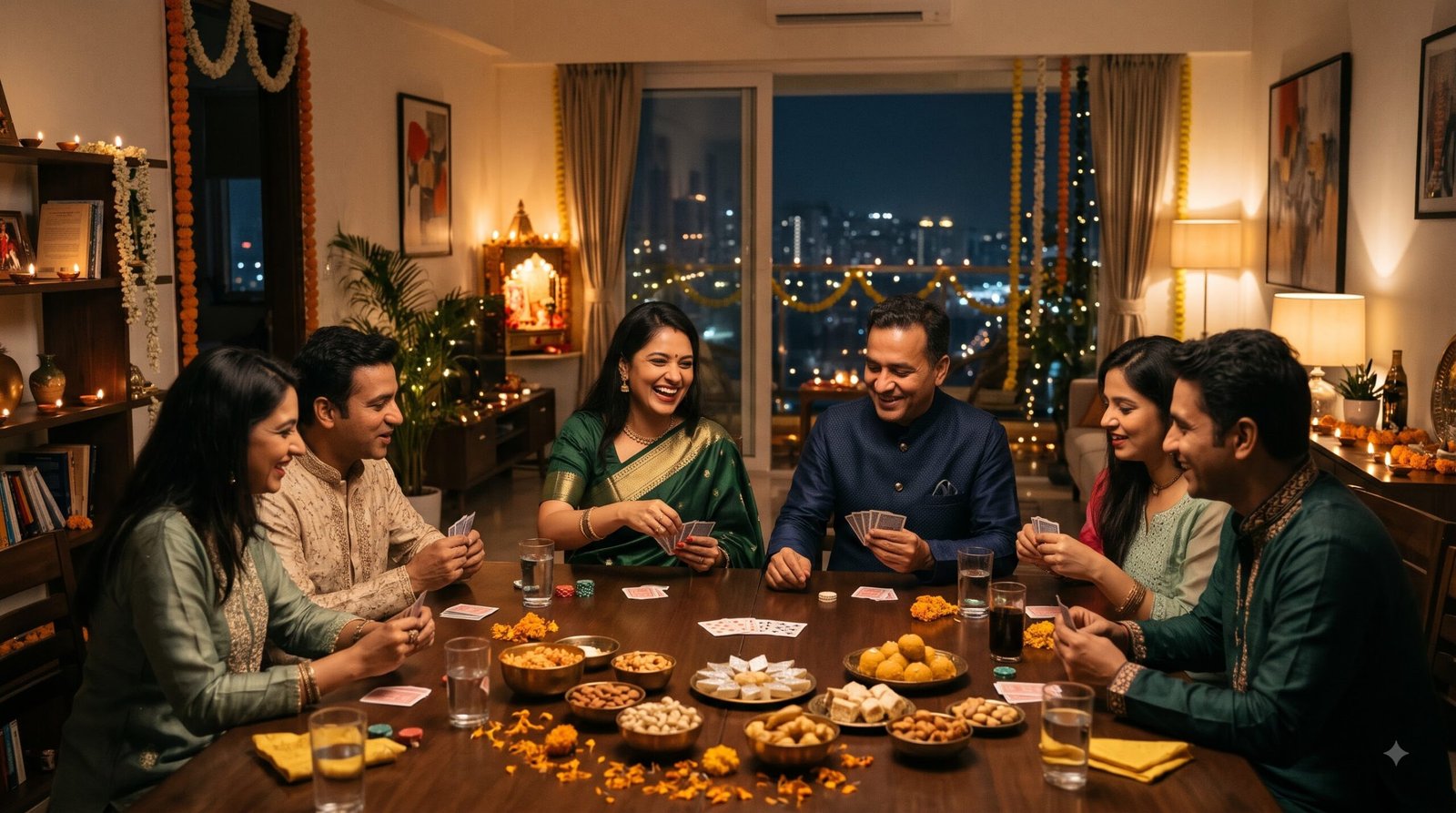
Teen patti and card parties are a real tradition in many North Indian circles, usually with small stakes and a lot of snacks. Friends host house parties with themed outfits. Offices hold their own celebrations, with gift hampers, dry fruit boxes and a half day off.
Shopping, malls and rising costs
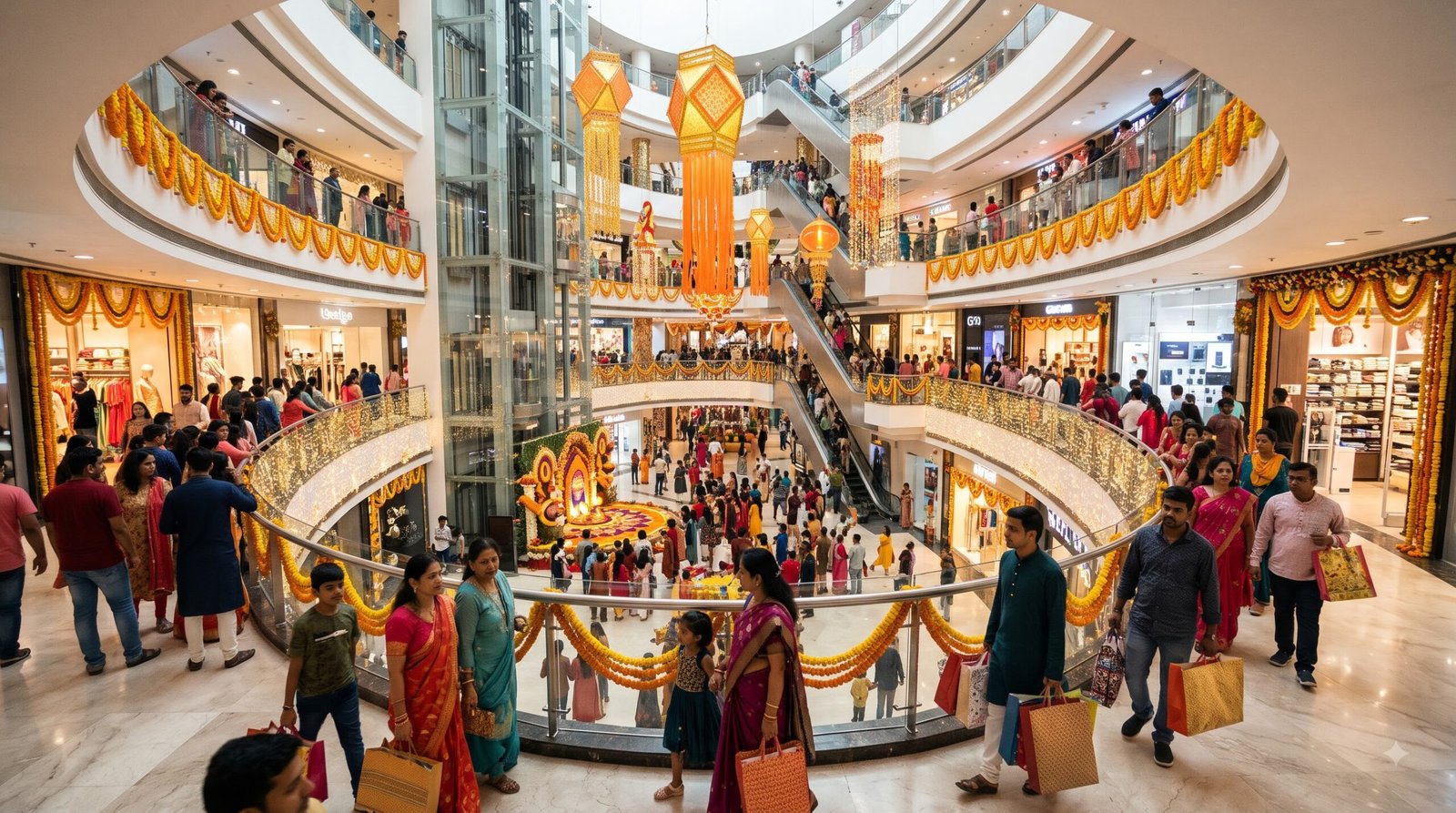
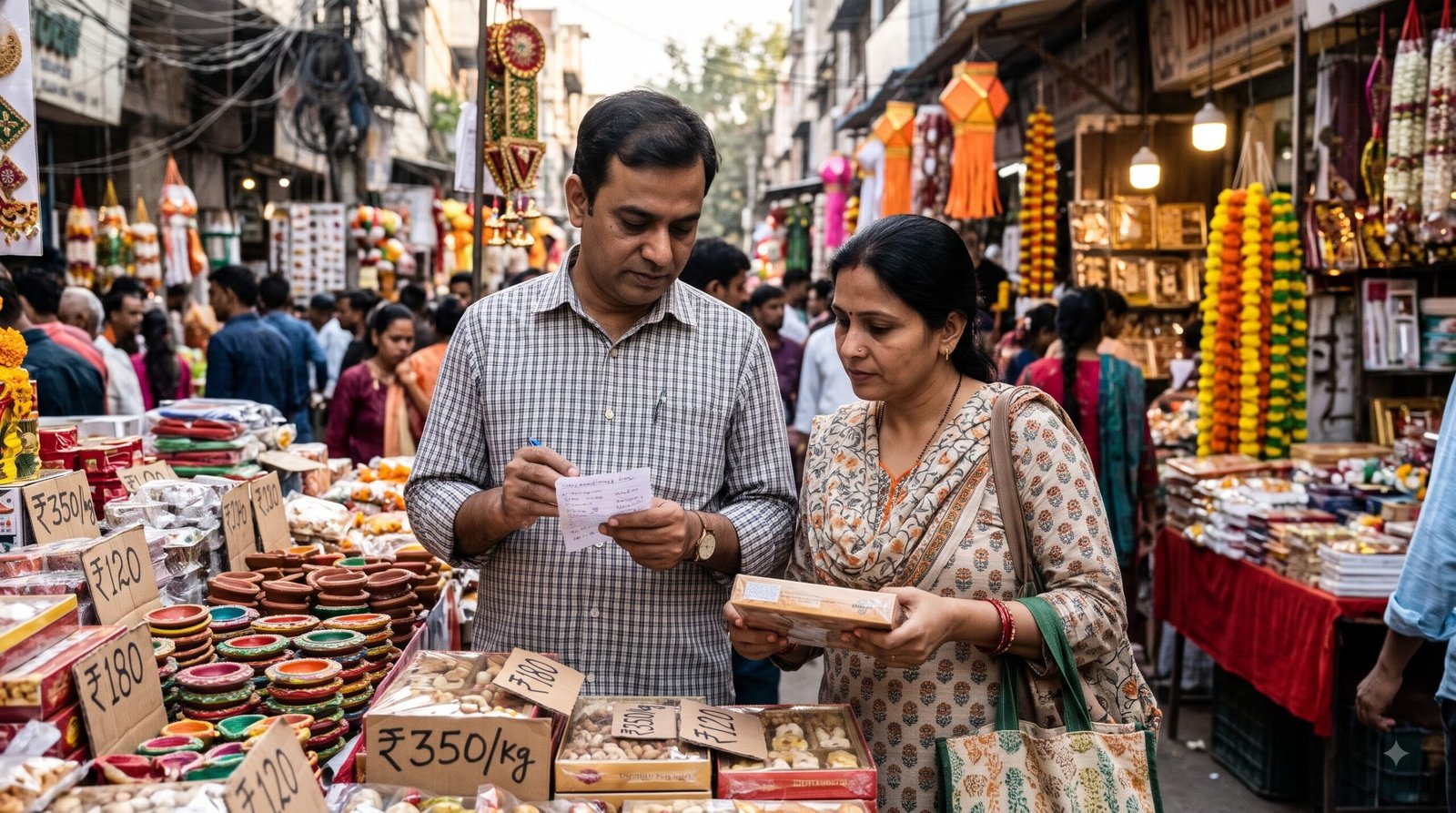
Diwali is the biggest shopping season of the year. Markets and malls run sales for weeks. Prices have gone up too, and many middle class families now plan a gifting budget in advance and trim the list. Smaller gatherings are more common than they were a decade ago.
Video calls and the family far away
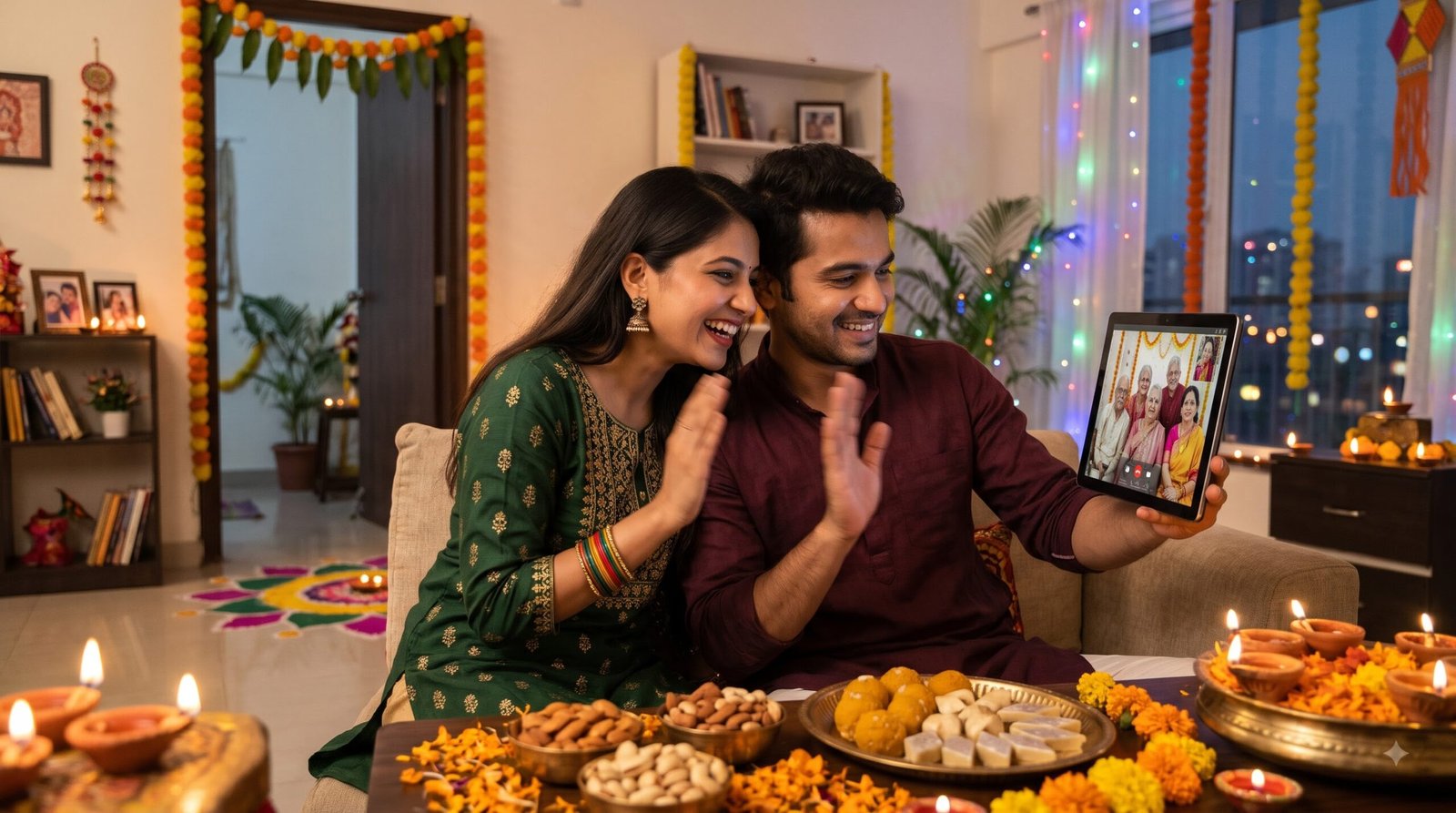
Plenty of Indians live in a different city from their parents. So the puja happens on a video call, with a grandparent watching a phone propped against a flower vase. It’s not the same, everyone knows it, and they do it anyway.
Traditional vs Modern Diwali: What Really Changed?
| Aspect | Traditional Diwali | Modern urban Diwali |
|---|---|---|
| Home | Large family home, courtyard or terrace | Apartment, balcony lights |
| Decoration | Clay diyas, fresh flower rangoli | Electric lights, readymade décor |
| Sweets | Made at home over several days | Bought from mithai shops or ordered online |
| Gatherings | Whole extended family | Smaller groups, friends, colleagues |
| Gifts | Sweets and dry fruits | Hampers, vouchers, gadgets |
| Crackers | Loud and central | Restricted by law, many families skip them |
What Is the Firecracker and Air Quality Situation in Delhi?
Be realistic about this one. Delhi’s air gets poor around Diwali every year, partly from crop burning, cold air and traffic, with crackers adding to it. This week the AQI has crossed 300 in the city and Stage 2 of the Graded Response Action Plan is in force.
Courts have allowed only certified green firecrackers in set hours in recent years. Rules differ by year, so check the latest orders before you go out. Many Delhi families now celebrate with lights, music and sweets, and skip the crackers entirely.
Practical tip: If you have asthma or sensitive lungs, carry an N95 mask, check the AQI app each morning, and plan indoor activities for the evening of November 8.
Where Does the Food Fit In?
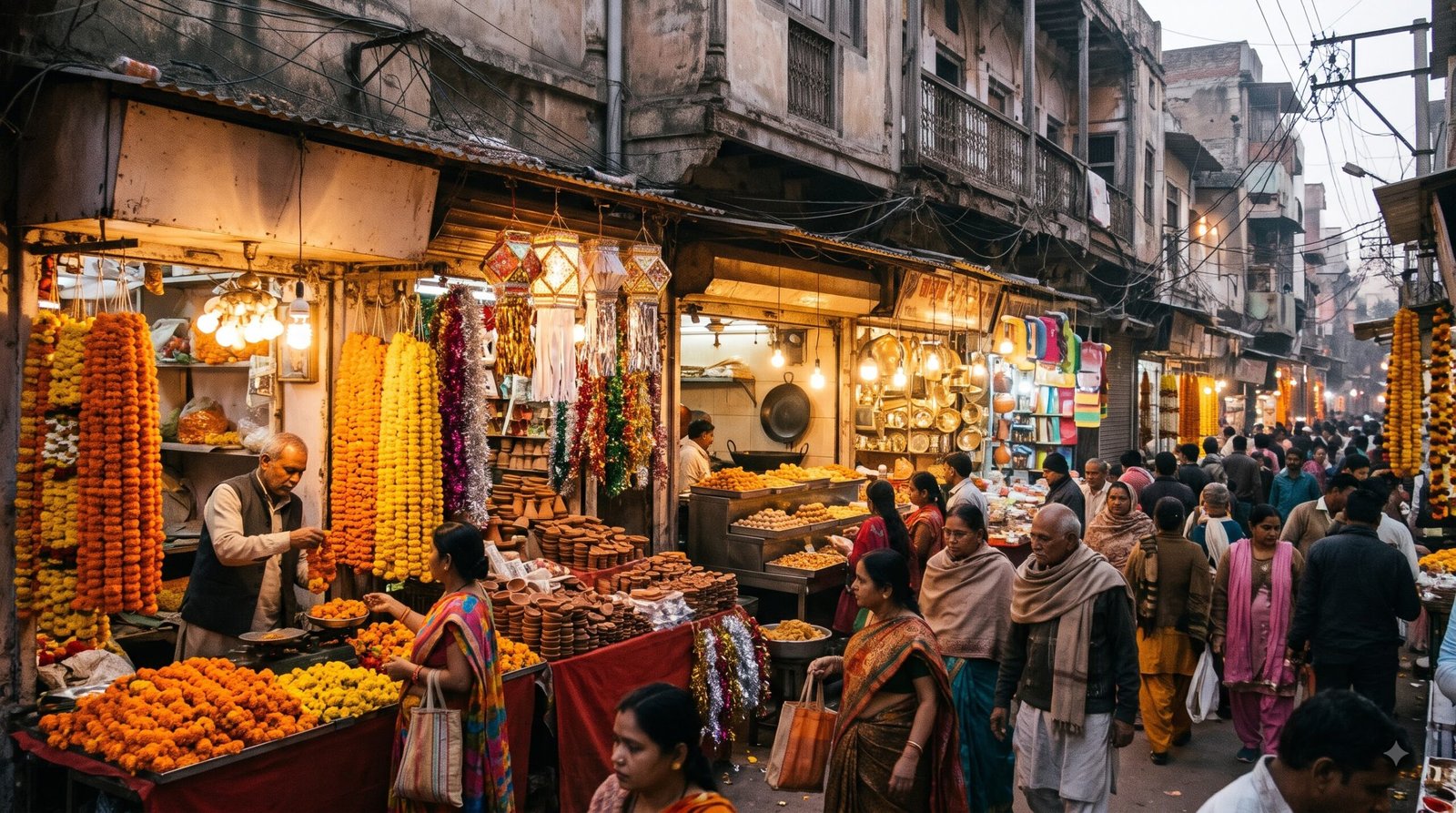
Everywhere. Diwali is probably the one time of year when every household in Delhi smells of ghee. Mithai shops queue out the door for days. If you walk through a sweet market, ask what’s freshly made that morning. Kaju katli is the safe crowd favourite, but try soan papdi and a warm jalebi too.
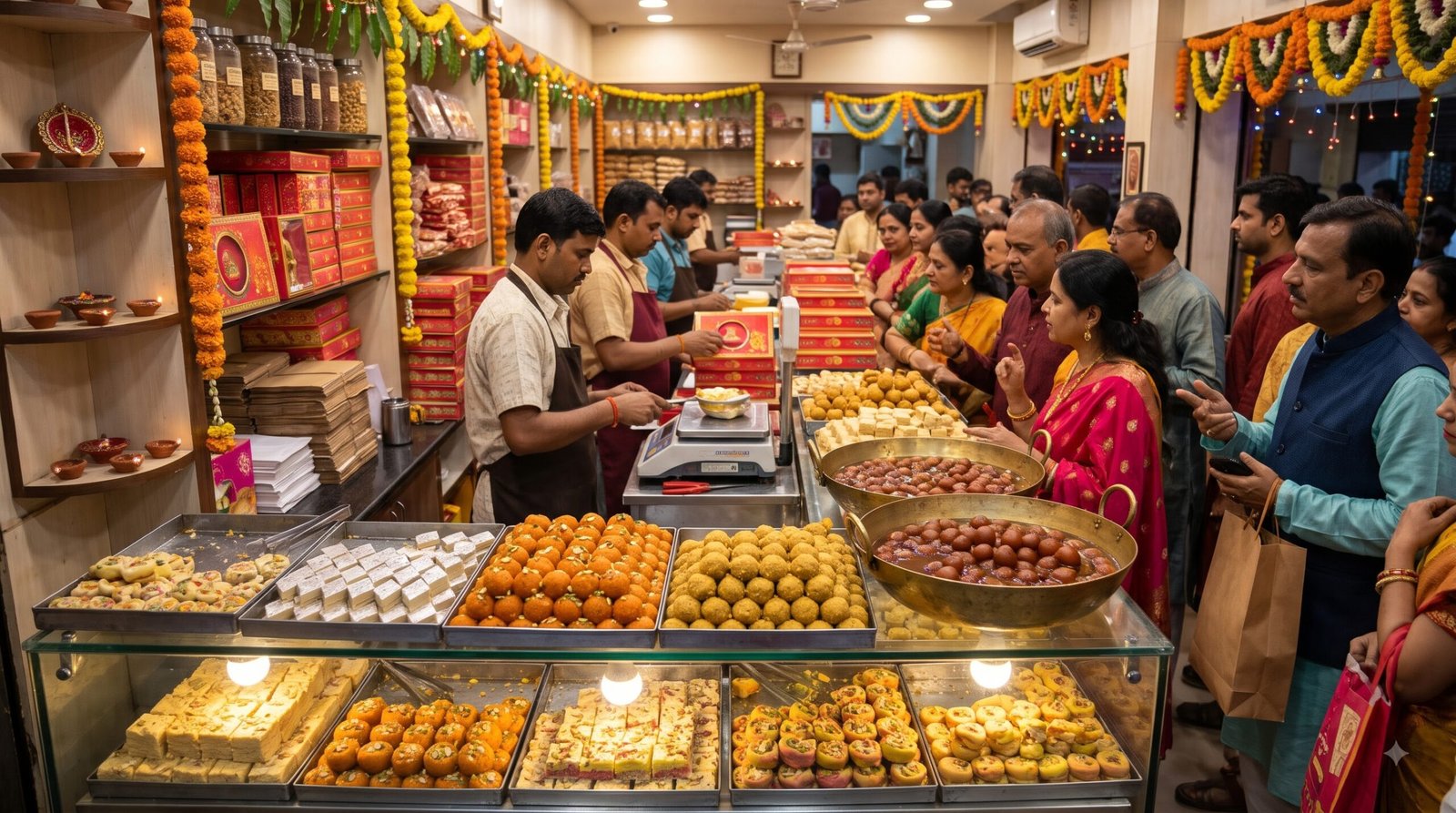
The old bazaars wake up before Diwali too. Shopping for diyas, lights, flowers and dry fruits is half the festival.
If you want to learn the kitchen side, a cooking class is the easiest way in. You can learn to cook six Indian dishes with a local host. Or sit down for a chai master class in an Indian family home, which is as close as most visitors get to a real home visit.
For street food, there’s the street food tour beyond Old Delhi. If you’d like a quieter setting, try the Old Delhi street food tasting in a local home.
Is It a Good Time for Tourists to Visit India During Diwali?
Yes, with planning. The mood is warm, locals are generous, and invitations are common. But it’s also a heavy travel period.
- Trains and flights fill up fast, so book early.
- Many shops close for a day or two around the main night. Markets are packed before it.
- Traffic is slow in the hours before the puja. Leave extra time.
- Taxi and hotel prices rise. Confirm the fare first.
- Some monuments and restaurants have changed hours.
Etiquette if you’re invited
- Bring a box of sweets or dry fruit. Don’t overthink it.
- Take your shoes off at the door if others do.
- Don’t point your feet at the puja area.
- Wear something simple but festive. You don’t need a sari or kurta, though people will smile if you try.
- Take photos only after asking, particularly during the puja.
Good to know: Don’t be surprised if the whole family wants a photo with you. It’s meant as a compliment.
Adding other cities
Diwali is also a good moment to see how differently each city celebrates. The Delhi to Taj Mahal day trip and the same day Jaipur tour are easy add ons. For a longer trip, there’s the 7 day Golden Triangle with Ranthambore tiger safari.
So Which Diwali Is the Real One?
Both. A grandmother lighting diyas and a young couple hosting cards in a flat are doing the same thing. They’re gathering people they love and marking a new year.
What stays constant is the light. Whether it’s a clay lamp or a string of LEDs, someone switches it on at dusk, and for a few minutes everyone stops.
Read More Before You Go
If you want to cook some of these Diwali sweets and everyday dishes at home, my cookbook Art of Indian Cooking: 65 Recipes of Spices, Stories & Soul covers the techniques I teach in class.
For the bigger picture on culture, etiquette and what to expect, my travel memoir Don’t Just Visit India. Feel It.: Understanding India Before You Arrive is written for first time visitors.
Celebrate Like a Local in Delhi
Cook festive dishes, share chai in a family home, or taste Delhi’s street food with a local host.
Book a Cooking Class Explore Food ToursFrequently Asked Questions About Diwali in India
When is Diwali in 2026?
Diwali is on Sunday, November 8, 2026. In New Delhi the Lakshmi Puja muhurat is 5:54 PM to 7:50 PM.
How is Diwali celebrated in India?
People clean and decorate their homes, light diyas, draw rangoli, do Lakshmi Ganesh puja, eat sweets and visit family. Cities add parties, shopping and office celebrations.
Can tourists celebrate Diwali in India?
Yes. Visitors are usually welcome. Join a cooking class, a market walk or a family invitation, and follow basic etiquette.
Is Delhi safe during Diwali?
Generally yes, but expect crowds, traffic and poor air quality. Keep valuables close in markets and plan transport early.
Are firecrackers allowed in Delhi during Diwali?
Rules change each year. In recent years courts have allowed only certified green crackers within limited hours. Check the latest order before you travel.
What sweets should I try during Diwali?
Start with kaju katli, besan ladoo, soan papdi, gujiya and jalebi.
Are shops and restaurants open on Diwali?
Many close or shorten hours on the main evening, so confirm timings before you plan dinner.