
Most people ask this question after staring at a booking page for ten minutes, doing mental math between rupees, dollars, and euros, and wondering whether they’re overthinking it. They’re not. It’s a fair question.
Old Delhi is not a neighborhood you can casually figure out on your own. Not because it’s dangerous, but because without someone who actually knows it, you’ll see maybe fifteen percent of what’s actually there. You’ll walk the same lane every other tourist walks, eat at the same two places someone mentioned on Reddit, feel overwhelmed by the noise and the crowds, and leave thinking, “Okay, that was interesting.” That’s not the experience.
A good guided tour changes that completely. But the key word is good. So let’s talk honestly about what a quality Old Delhi food and culture tour actually gives you, what to watch out for, and whether it’s worth spending a little more than the cheapest option you find online.
What You’re Actually Paying For
When someone books a quality Old Delhi tour, they’re not paying for food they couldn’t otherwise find. The food itself, technically, is accessible to anyone willing to wander. What you’re paying for is something much harder to replicate on your own.
You’re paying for local knowledge that took years to build. Knowing which jalebi stall has been frying since the 1880s and why that matters. Knowing which lane leads to the spice market and which one just takes you in circles. Knowing when a vendor is performing for tourists versus when something is genuinely the real thing.
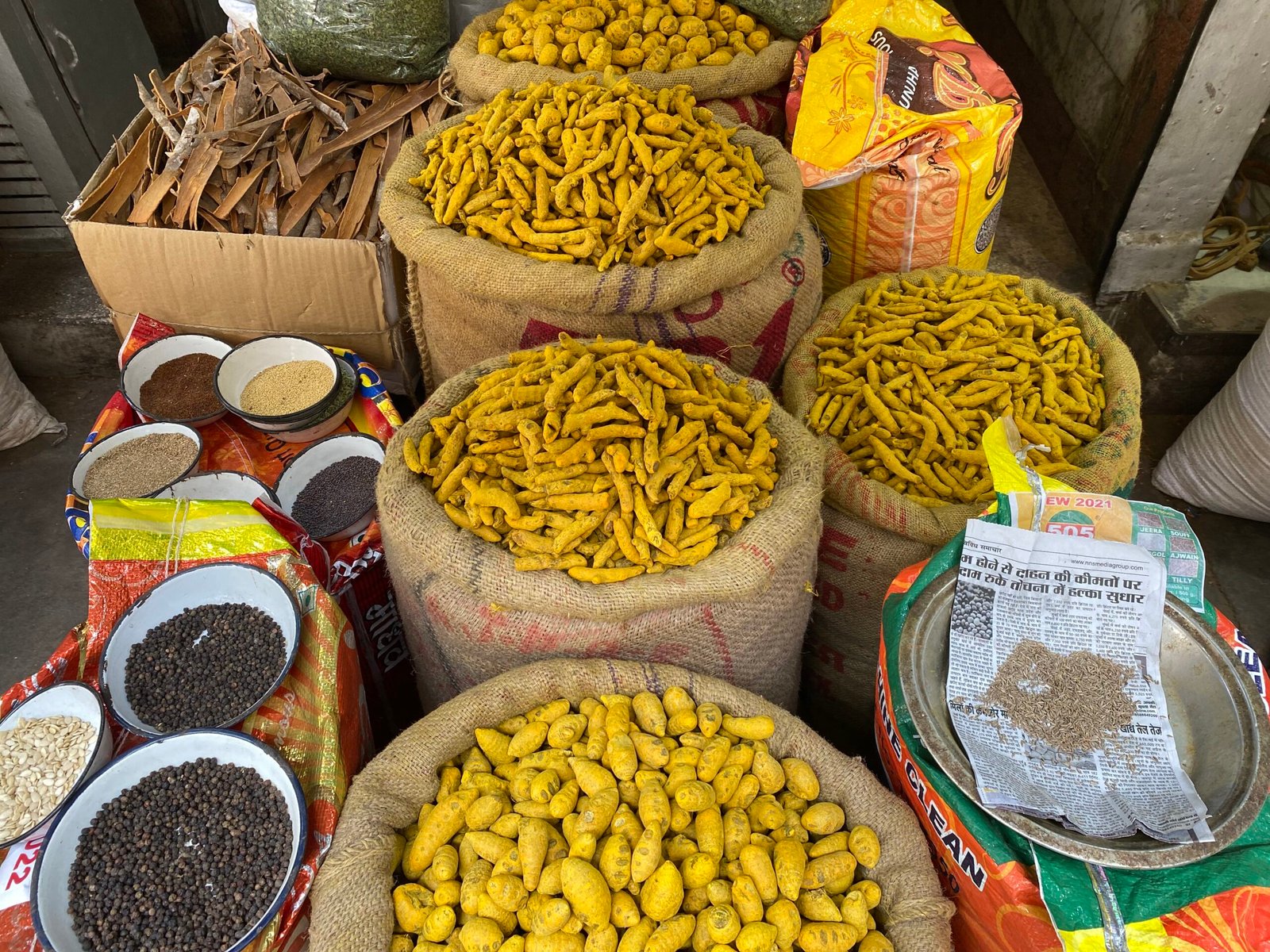
A well-run Old Delhi food tour isn’t a restaurant crawl. It takes you through the spice market at Khari Baoli, into the lanes of Chandni Chowk, through Sikh temples where you can witness langar being prepared for thousands of people at no cost, past century-old havelis that most tourists walk right by, and to food stops that a first-time visitor simply wouldn’t find without local context.
That combination of food, culture, history, and access is what a good tour delivers. It’s not just lunch. It’s an entire morning or afternoon of understanding a place that has 400 years of layered history underneath it.
What a quality Old Delhi tour typically includes: Chandni Chowk street food stops, spice market walk, Sikh temple visit, historical context throughout, and a guide who can answer real questions, not just point at things.
Going Solo in Old Delhi: What It’s Actually Like
There’s nothing wrong with exploring independently. Plenty of experienced travelers do it. But if this is your first time in India, or even your first time in Old Delhi, solo wandering tends to produce a specific kind of experience.
You’ll arrive at Chawri Bazaar metro, step outside, and immediately get surrounded by rickshaw drivers and touts offering to take you “everywhere.” Some will be fine. Some will take you to shops where they earn commission and you’ll spend your entire morning looking at carpets you don’t want to buy.
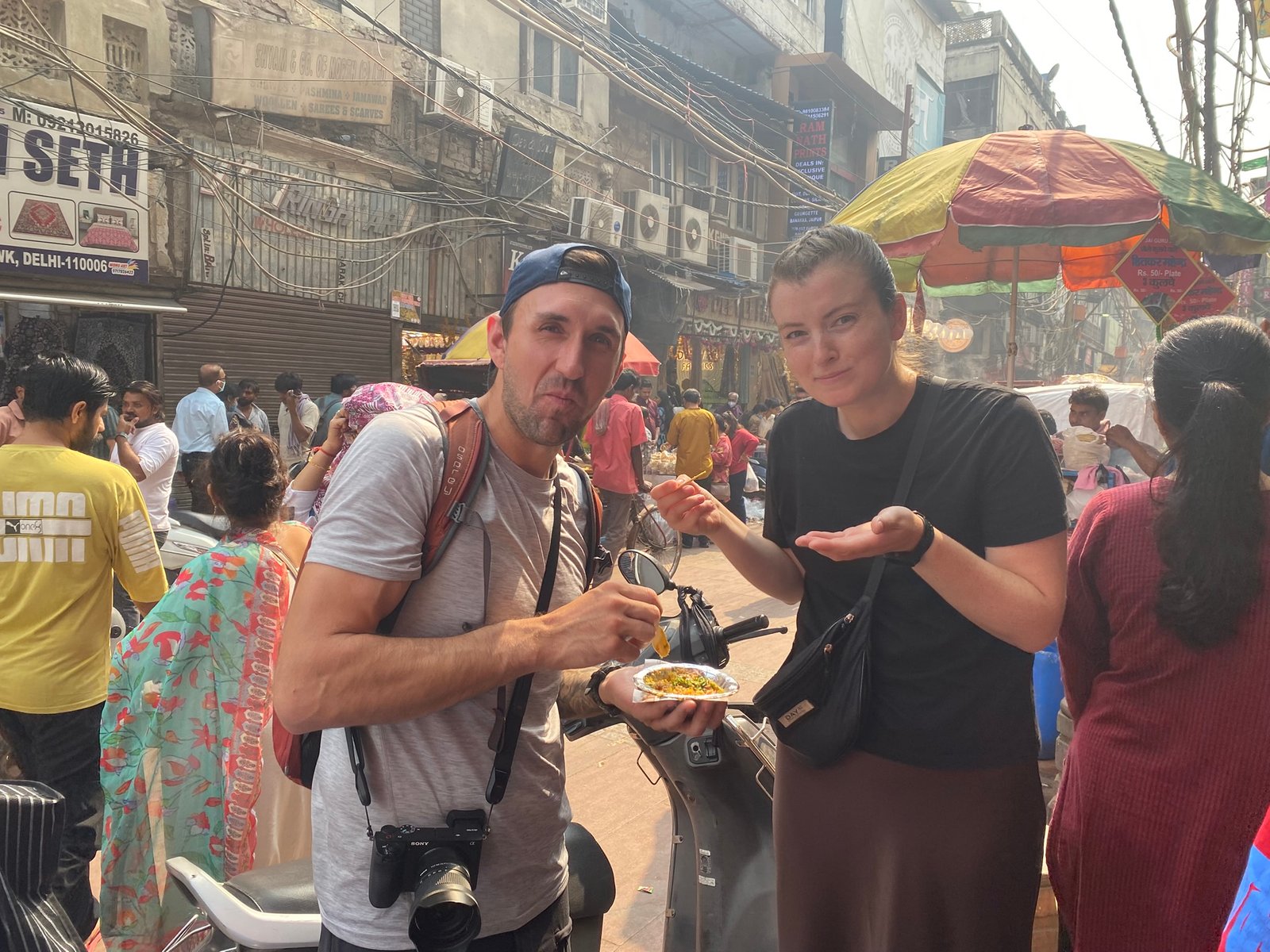
Even if you navigate that fine, the streets themselves are genuinely disorienting for a newcomer. Old Delhi doesn’t have grid logic. Lanes split, merge, and loop back. The signage is mostly in Hindi or Urdu. The food stalls don’t have menus. Some items are seasonal and you’d never know to ask for them without someone pointing them out.
And then there’s the food hygiene question, which travelers don’t always want to ask out loud but are absolutely thinking about.
The honest truth about solo street food in Old Delhi: Not all stalls are equal. Some use water quality that an unacclimatized stomach will react to. A knowledgeable guide knows which vendors have been reliably safe for decades and will steer you toward those specifically.
Getting sick in the middle of a trip to India isn’t just uncomfortable. It derails everything. You lose a day, sometimes more. You miss the Taj Mahal, Jaipur, or wherever you’re headed next. The cost of that, in any practical sense, is far higher than whatever you saved by skipping a guided tour.
The Cheap Tour Problem
Here’s the thing about very cheap Old Delhi tours. They exist in large numbers and some of them are perfectly acceptable. But many of them operate on a commission model, meaning the guide earns money when you buy things, not from the tour fee itself.
What that produces, in practice, is a tour that prioritizes shopping stops over actual food and cultural experiences. You’ll be taken somewhere “authentic” that happens to sell overpriced saffron, or told a story about a spice blend that conveniently leads to a purchase opportunity. The food stops may be minimal, the cultural context thin, and the guide more interested in where you’re from and how long you’re staying than in actually showing you anything meaningful.
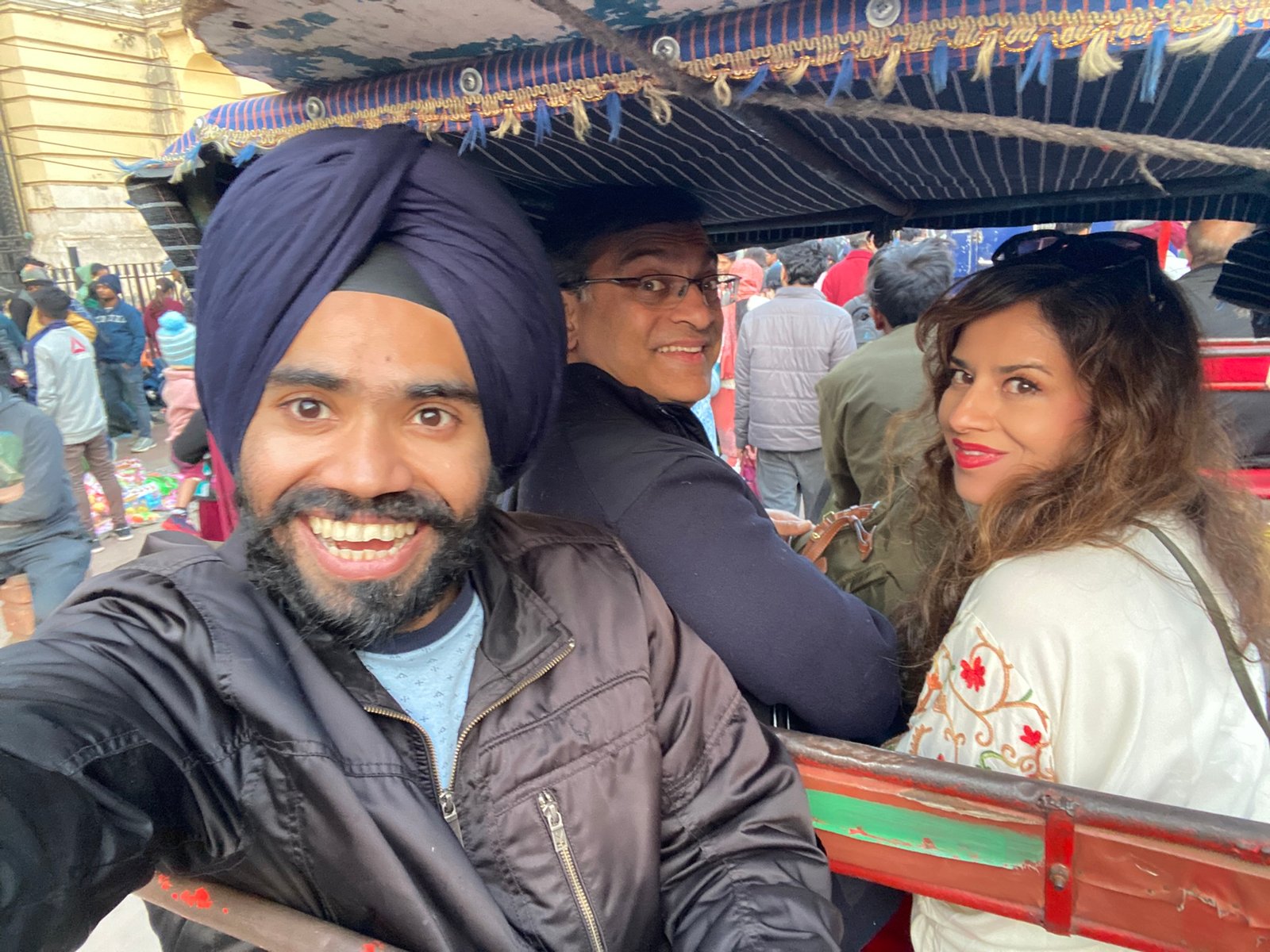
There’s also the group size issue. Very cheap tours often pack large numbers of people together, which means you’re moving at the pace of the slowest person, can’t hear the guide over the street noise, and spend half the time waiting for everyone to finish at each stop. It stops feeling like a local experience and starts feeling like a school trip.
A reputable tour charges more because it’s designed differently. Smaller groups. Guides who are genuinely knowledgeable about history, food, and culture. Carefully chosen stops that prioritize quality and safety. An experience built for the traveler, not built around maximizing vendor commissions.
What a Good Tour Actually Shows You
The food is the entry point but it’s not the whole story. Old Delhi is one of the most layered urban spaces in the world. Mughal architecture sits next to colonial-era structures, which sit next to modern shops, which sit next to family businesses that have been in the same spot for six generations. You can’t see any of that from a rickshaw window.
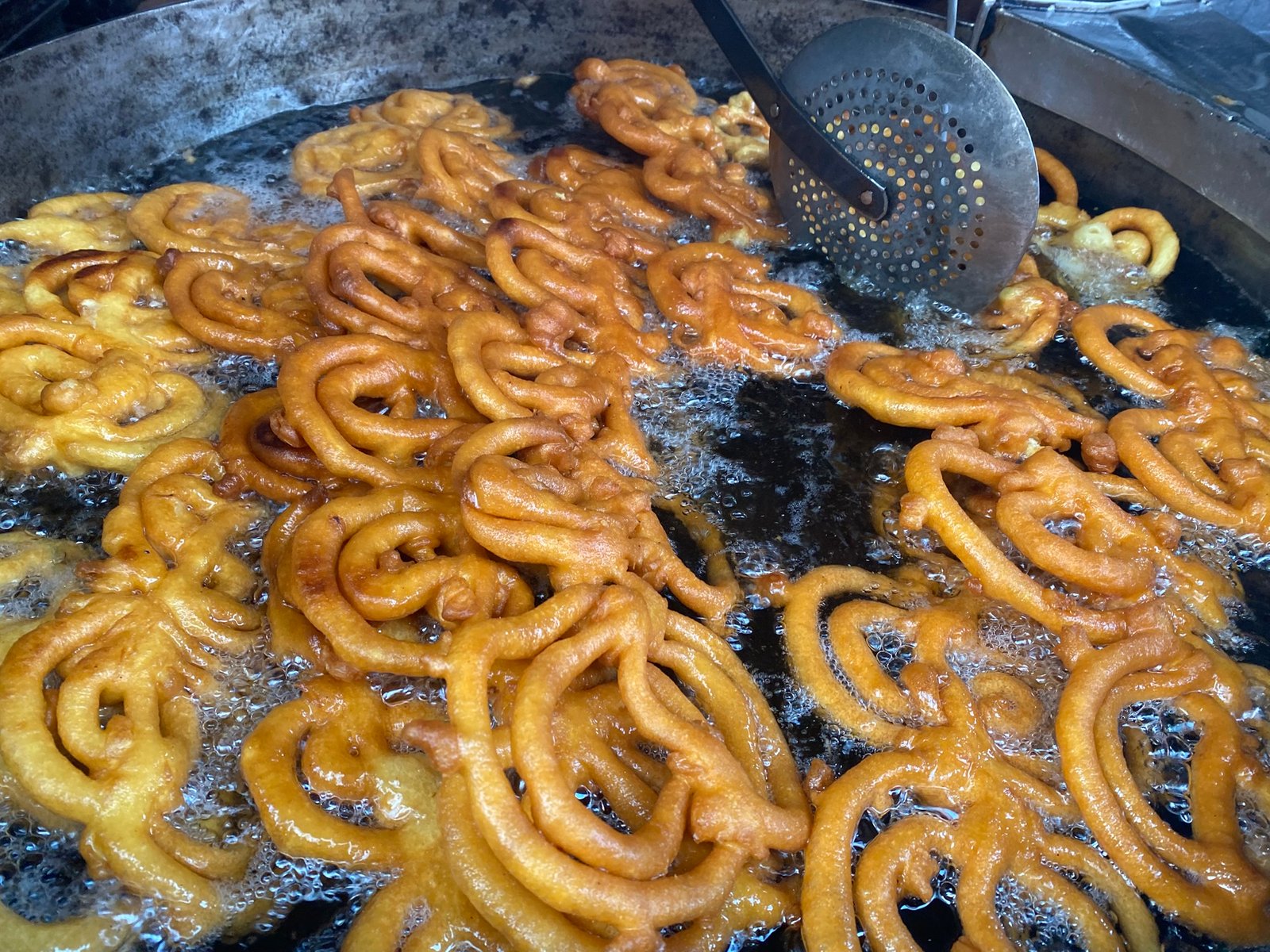
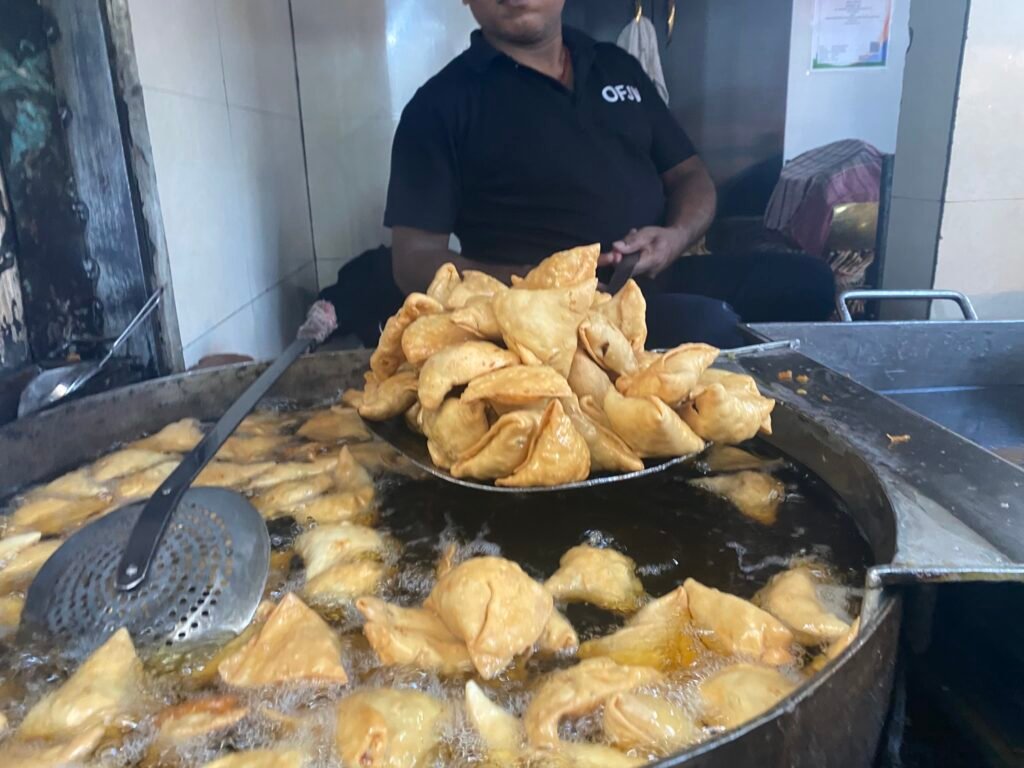
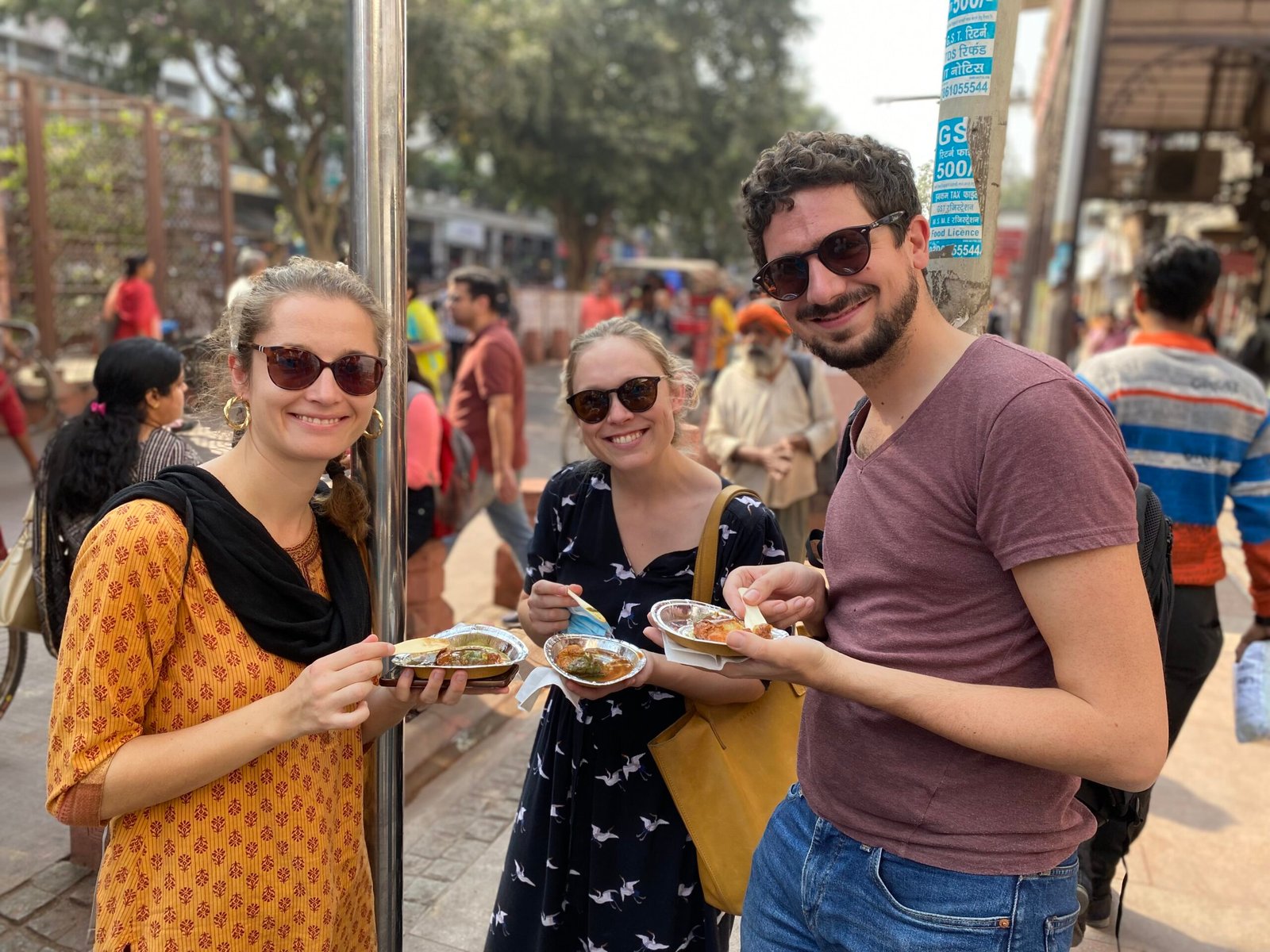
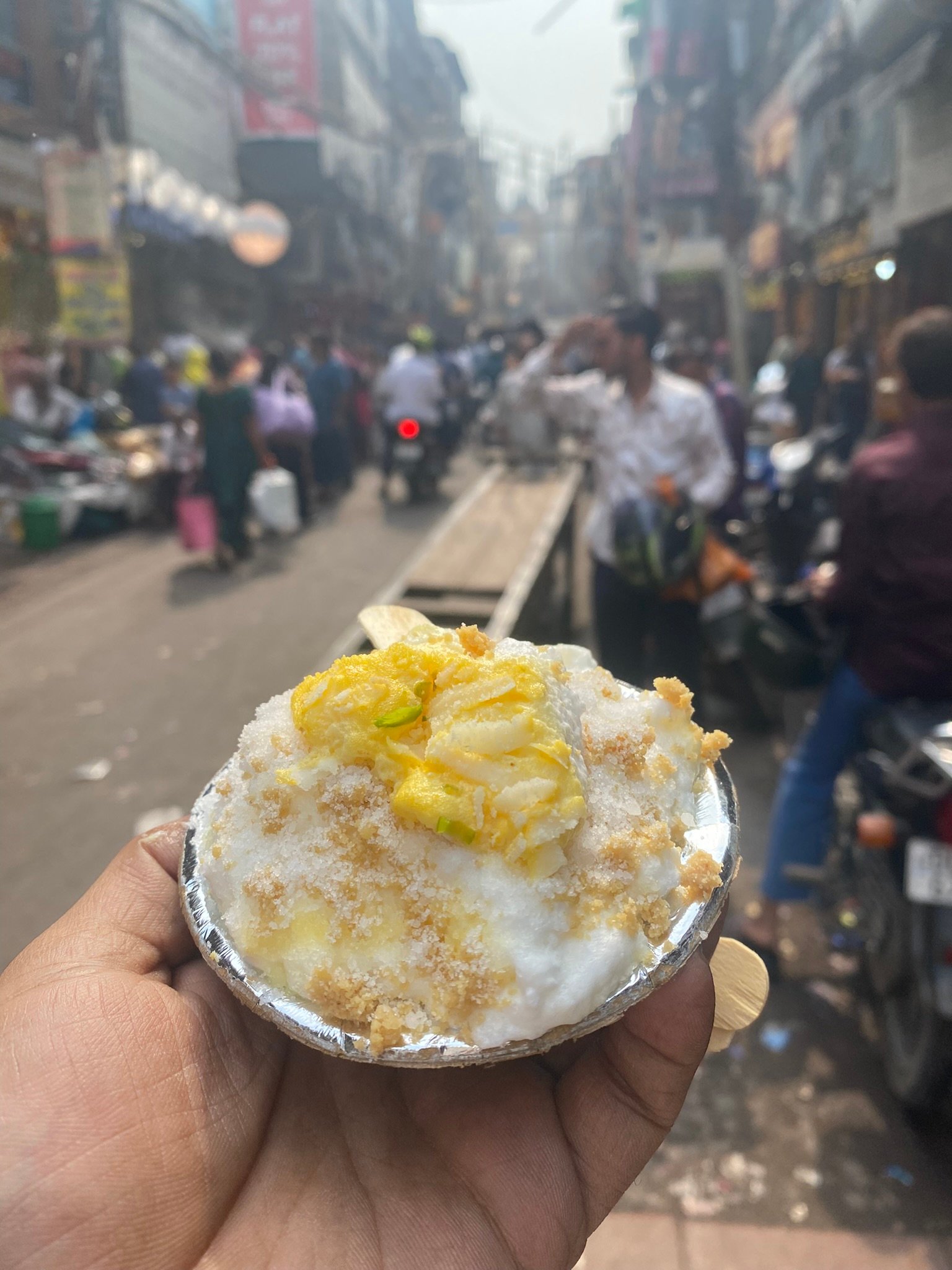
On a well-structured tour, you’d eat your way through some of the most iconic foods in the city. Think daulat ki chaat, the winter sweet that appears only in the cold months and dissolves on contact. Fresh hot jalebis at a stall that’s been frying them since before most countries existed. Nihari, slow-cooked overnight, served in the early hours. Nagori chole from a vendor operating out of what looks like a doorway but has a line extending down the lane every single morning.
Beyond the food, you’d walk through Khari Baoli, Asia’s largest spice market, where sacks of dried chilies, cumin, cardamom, and spices you’ve never seen in a Western supermarket line both sides of the narrow lane. The smell alone is worth the visit, but understanding what you’re looking at, and why it’s significant, requires someone who can explain it.
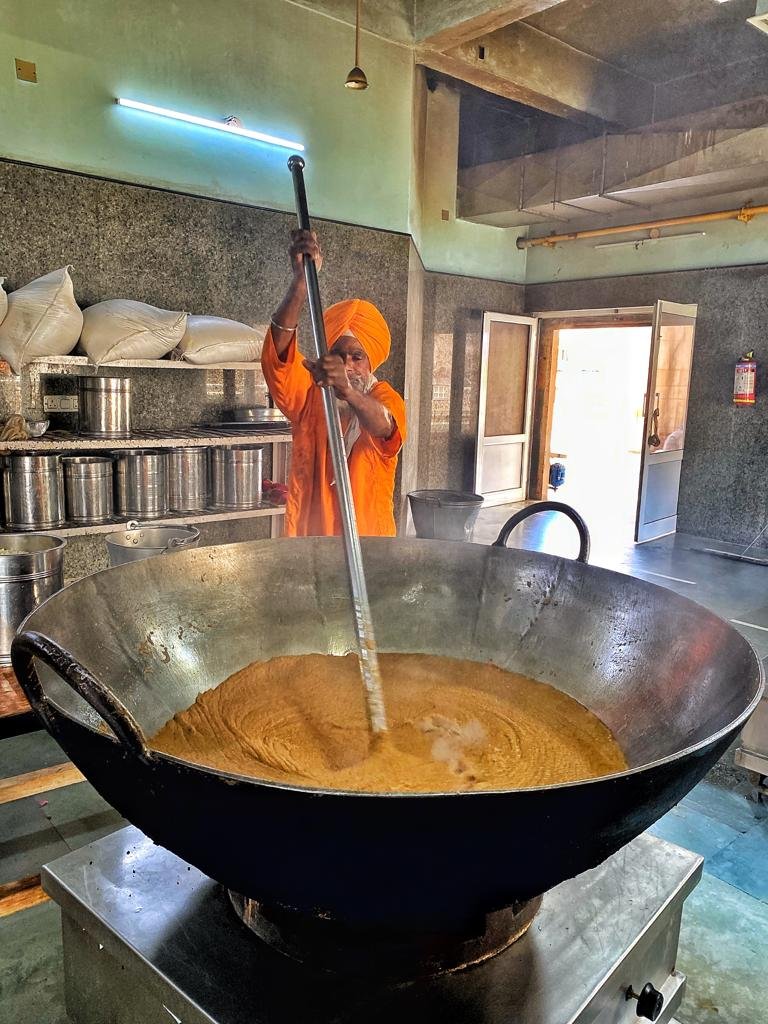
The Sikh temple visit tends to be one of the most quietly powerful parts of the tour for international travelers. Watching an entirely volunteer-run kitchen prepare and serve free meals to thousands of people regardless of religion, background, or status is not something you see anywhere else. It’s genuinely moving without requiring any theatrics to make it so.
Ready to Actually Experience Old Delhi?
The Old Delhi Food and Cultural Experience with Explore Real India covers food, spice markets, Sikh temples, and the history that ties it all together, with a guide who genuinely knows the place.
View the Old Delhi Tour →The Price Question: Is It Expensive?
Relative to what you’d pay for a half-day tour in Paris, London, Rome, or Tokyo, a quality Old Delhi tour is genuinely affordable. For most European and North American travelers, even the higher-end options land somewhere between 40 and 80 euros per person, sometimes less.
Think about that in the context of your overall trip. You’ve spent money on flights, on hotels, on transfers, on entry fees. You’re in India for a few days, maybe a week. Old Delhi is one of the few places in the world where something this historically and culturally dense exists in a format you can actually walk through. Spending an extra 15 or 20 euros for a reputable guide rather than the cheapest option available is genuinely one of the better investments you’ll make on the trip.
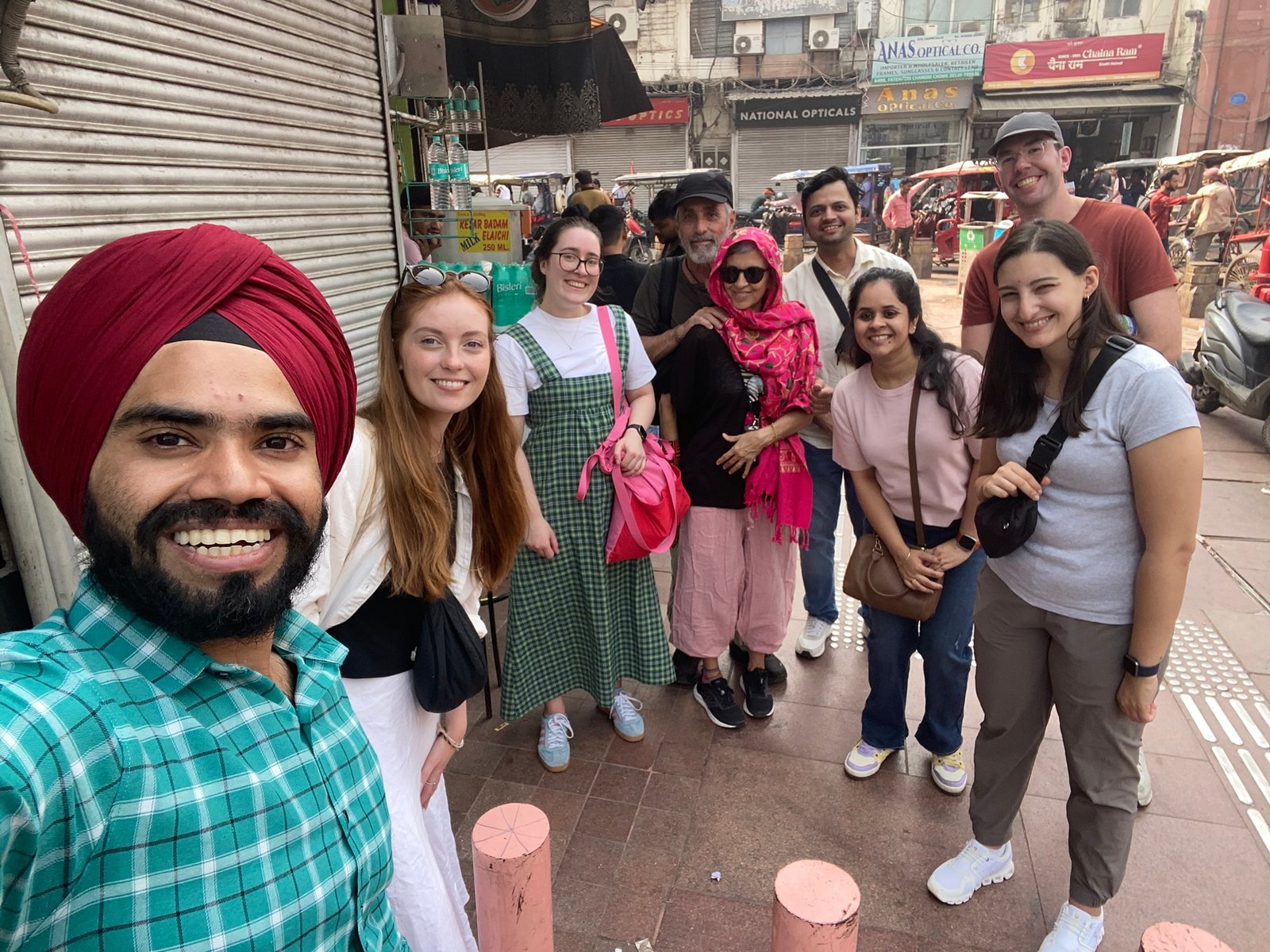
For backpackers especially, it can be tempting to optimize everything for cost. That’s fair, and nobody’s judging it. But Old Delhi is one of those places where cutting corners on the tour actually costs you more in the end. Either you miss what matters, or you end up at a bad food stop and spend two days in your hostel recovering. Neither outcome is worth the saving.
A practical note for budget travelers: You don’t need to book the most expensive option. You need to book a reputable one. Look for guides who operate small groups, have consistent and detailed reviews, and are transparent about what the tour includes. Price alone is not the measure. Reputation is.
This Is a Once in a Lifetime Kind of Place
Most people come to India once. Some come twice. Very few come often enough to develop the kind of casual familiarity that lets you navigate Old Delhi on your own terms. If you’re visiting for a few days and Old Delhi is on your list, you’re not going to get a do-over.
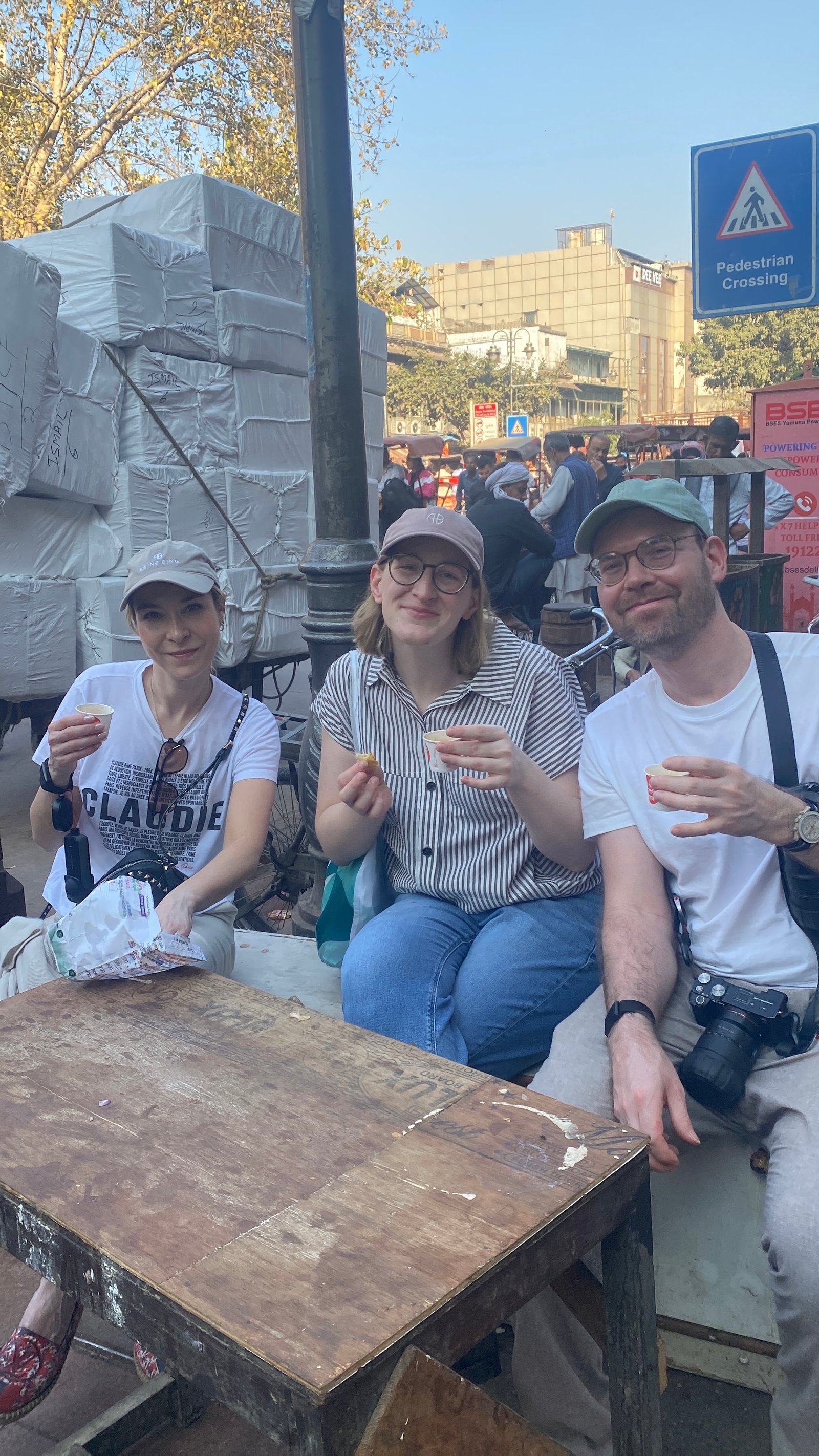
That’s not meant to create pressure. It’s just accurate. A good guided tour gives you a genuinely different relationship with a place than wandering through it alone. You leave with context, with stories attached to the food you ate, with an understanding of what you were looking at. That’s the difference between seeing a place and actually encountering it.
Old Delhi rewards the curious, the patient, and the well-guided. Show up open and with someone who knows where to take you, and it’ll give you something you’ll still be thinking about long after the trip ends.
Frequently Asked Questions
Is an Old Delhi food tour safe for international tourists?
Yes, when done with a reputable guide. A good guide knows which food stalls are safe for travelers who haven’t built up tolerance to local water and ingredients. Going solo means making those calls without that knowledge, which significantly increases the risk of getting sick.
What does an Old Delhi food tour actually include?
A quality tour typically includes multiple street food stops across Chandni Chowk, a walk through the Khari Baoli spice market, a visit to a Sikh temple including the langar kitchen, and cultural and historical context throughout. The Explore Real India Old Delhi tour covers all of this with a small group format.
How much does a good Old Delhi food tour cost?
Quality Old Delhi tours typically range from around 40 to 80 euros per person depending on group size, duration, and inclusions. For European and North American travelers, that’s a modest spend relative to the experience and relative to the cost of the overall trip.
Can I explore Old Delhi on my own without a guide?
You can, but the experience will be very different. Without local knowledge, most visitors end up on the main tourist lanes, miss the lesser-known cultural sites, struggle to identify safe food vendors, and are more vulnerable to common scams. A guide doesn’t just show you around. They give you genuine access to what’s actually there.
What is the best time to do an Old Delhi food tour?
Morning is generally best. The food is freshest, the lanes are slightly less crowded than midday, and many of Old Delhi’s most iconic breakfast items, like nihari and nagori chole, are only served in the early hours. October through March is the most comfortable season weather-wise.
Are cheap Old Delhi tours worth it?
Some are acceptable, but many cheap tours operate on a vendor commission model, meaning you’ll be taken to shopping stops rather than genuine cultural experiences. Guides also tend to manage larger groups, which makes the experience more crowded and impersonal. Spending a little more with a reputable operator is usually worth it.