
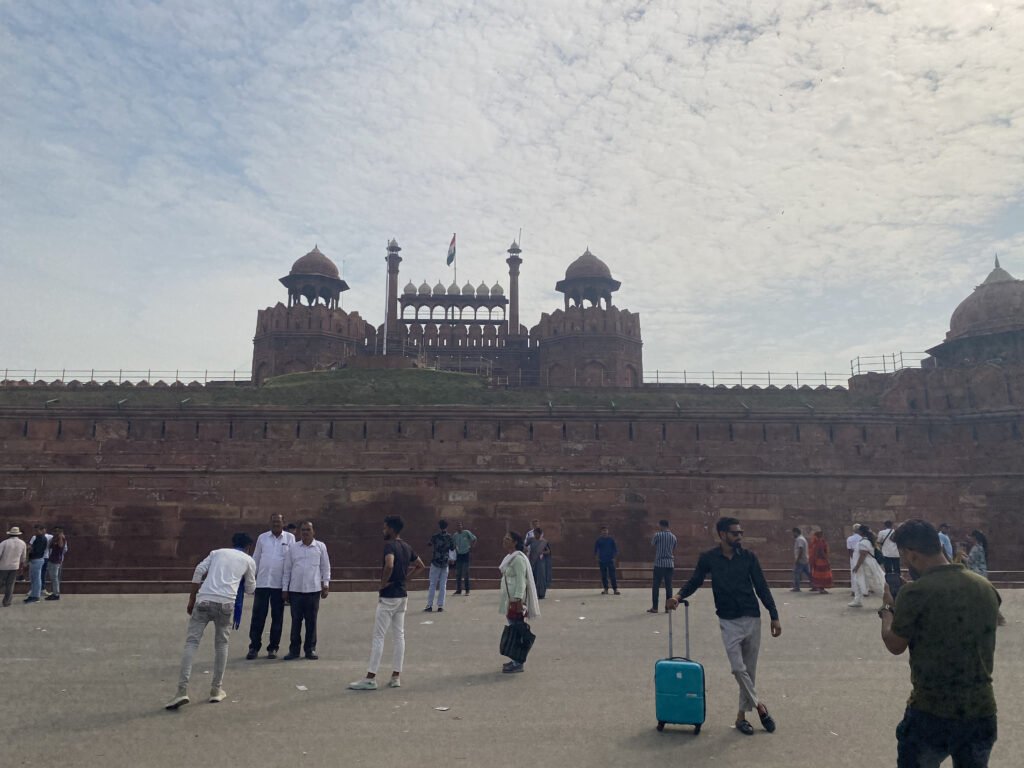
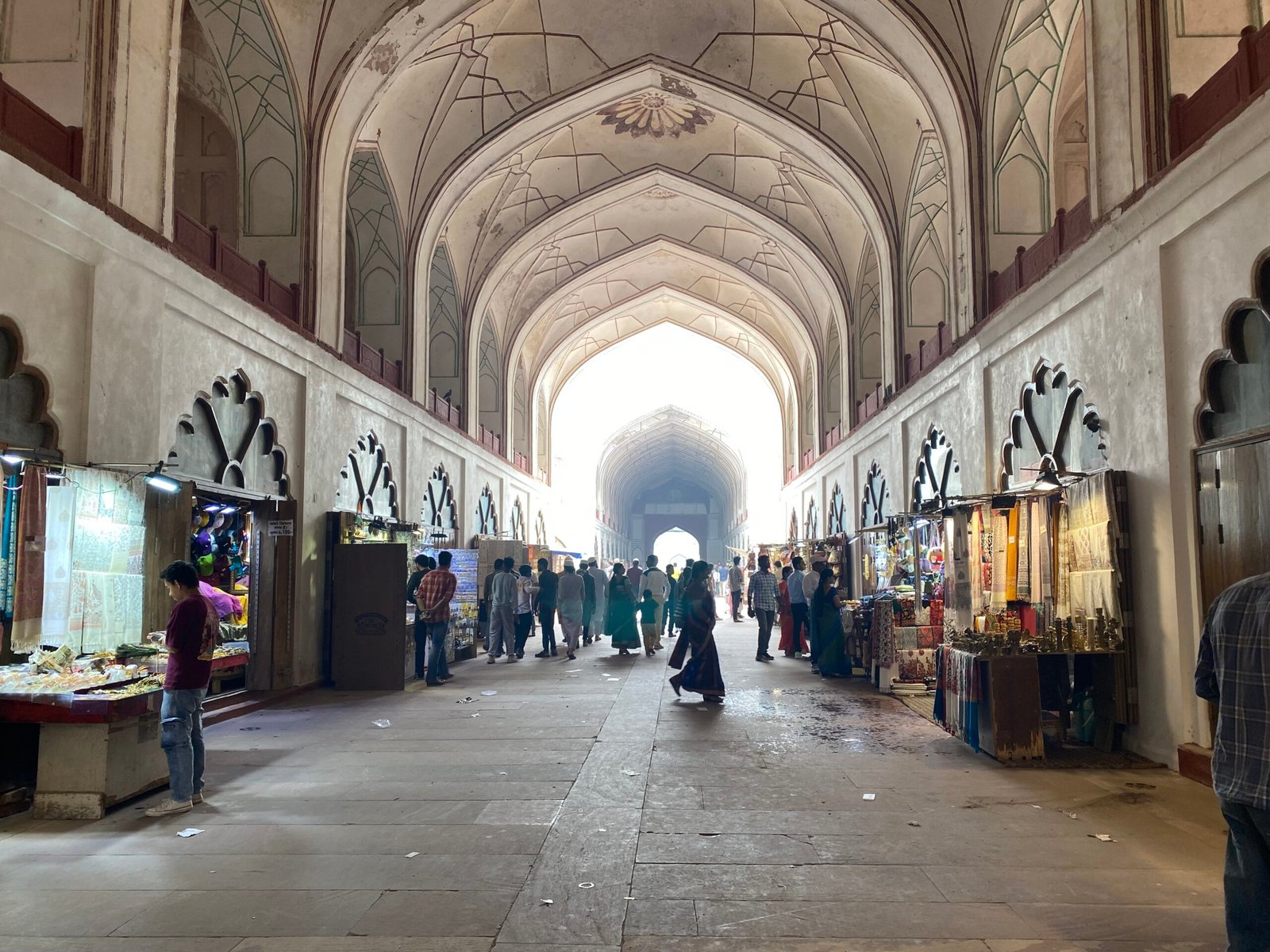
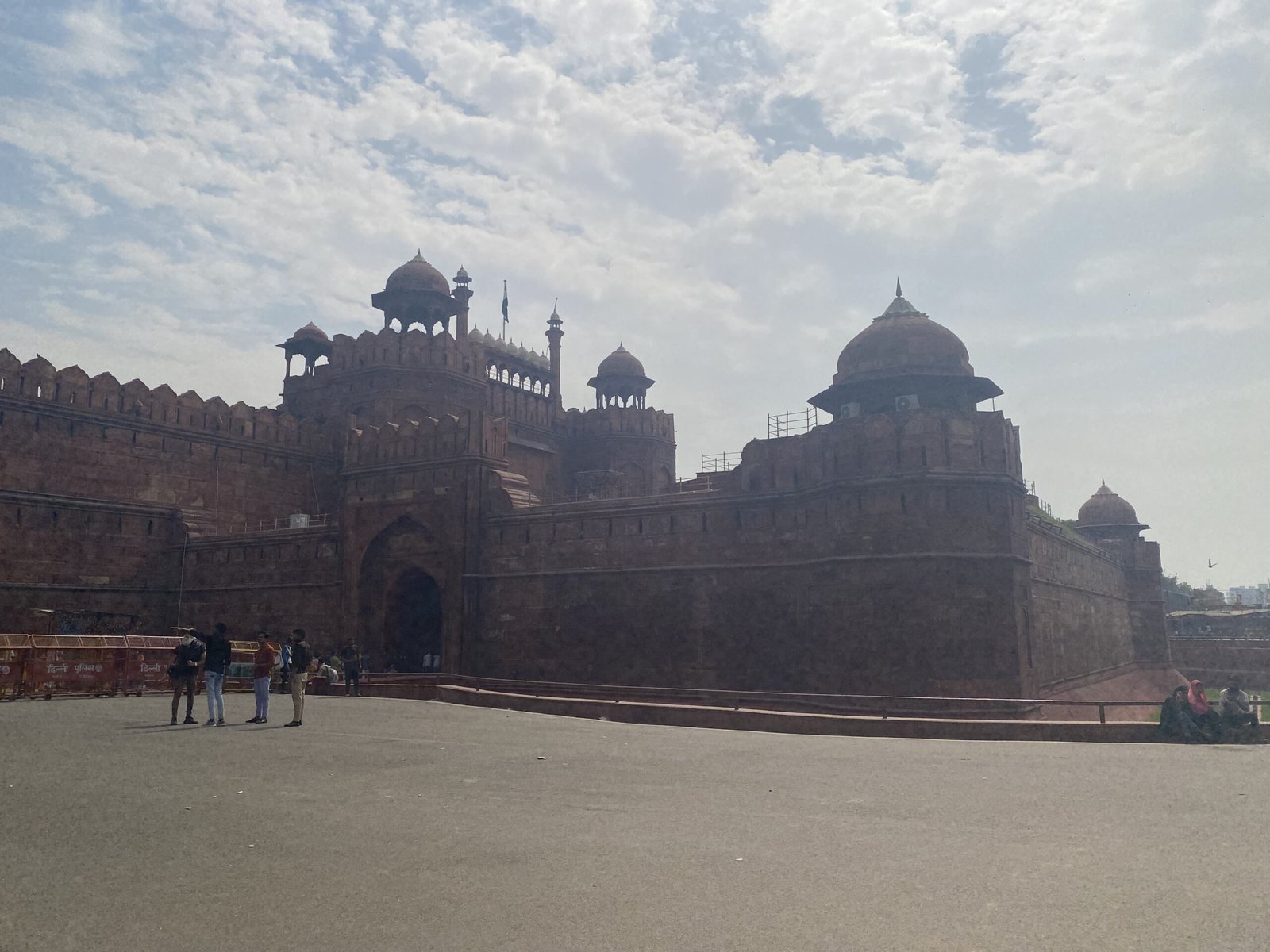
The Red Fort, known locally as Lal Quila, sits at the edge of Old Delhi like a red sandstone wall separating two very different worlds, the calm formality of the fort itself and the noisy, layered life of Chandni Chowk right outside its gates. Most first time visitors treat it as a quick photo stop, but there is genuinely a lot going on inside if you know where to look, from Mughal era palace halls to a museum on the 1857 uprising and, once the sun goes down, a sound and light show that tells the fort’s own story back to you.
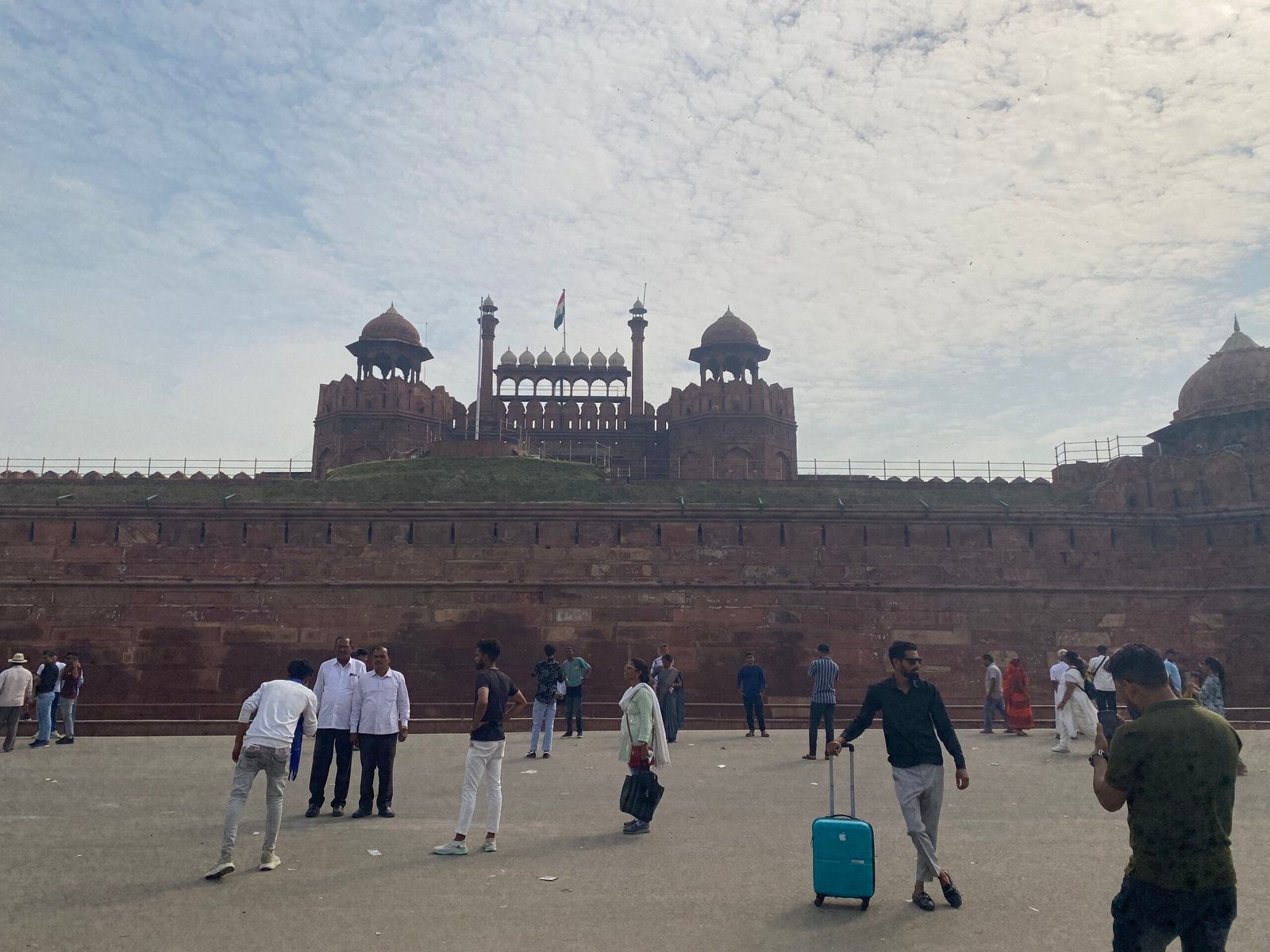
What Exactly Is the Red Fort
Shah Jahan, the same Mughal emperor behind the Taj Mahal, commissioned the Red Fort in the 17th century as the residence and seat of power for Mughal emperors. It stayed politically significant well past the Mughal period too, it is where the Indian national flag is hoisted every Independence Day, and the fort is now a UNESCO World Heritage Site. Walking through it, you get both stories at once, imperial grandeur and modern nationhood layered on top of each other.
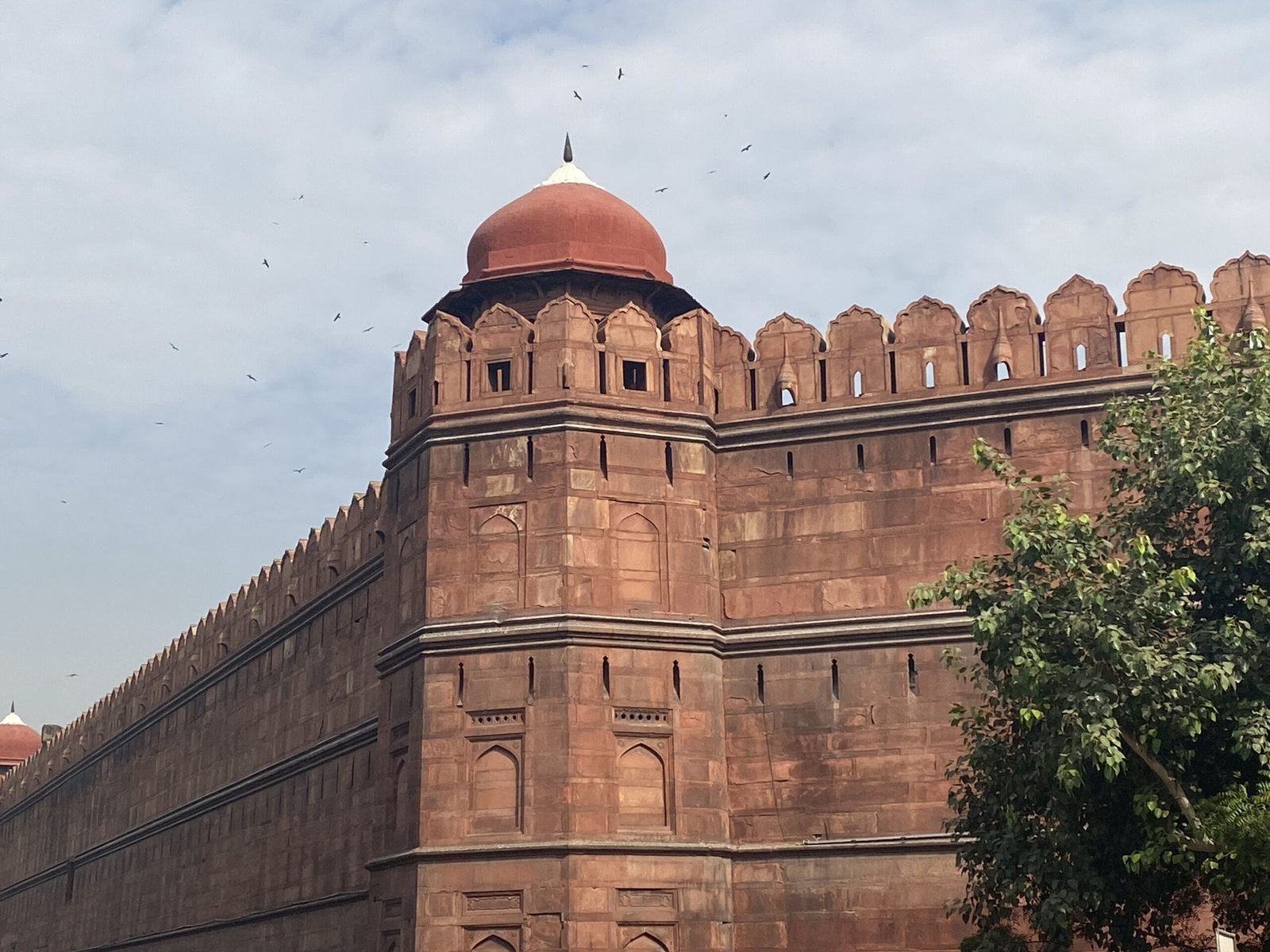
Red Fort Timings and Ticket Prices in 2026
The fort is open all seven days now, from around 9:00 AM to 5:00 PM, though some sources still list 9:30 AM to 4:30 PM with Mondays closed, so it is worth double checking on the day if you are planning tightly. Buying online saves you money and a queue.
- Indian nationals: around Rs. 35 for entry only, Rs. 56 to 80 with the museum, cheaper if booked online
- Foreign nationals: roughly Rs. 500 to 600
- SAARC and BIMSTEC nationals: charged at Indian rates
- Video camera fee: an extra Rs. 25
- Children under 15: free entry
Plan for two to three hours inside if you want to actually see the palace halls and not just rush through. October to March is the most comfortable time weather wise, and weekday mornings right at opening tend to be quieter.
The Jai Hind Sound and Light Show
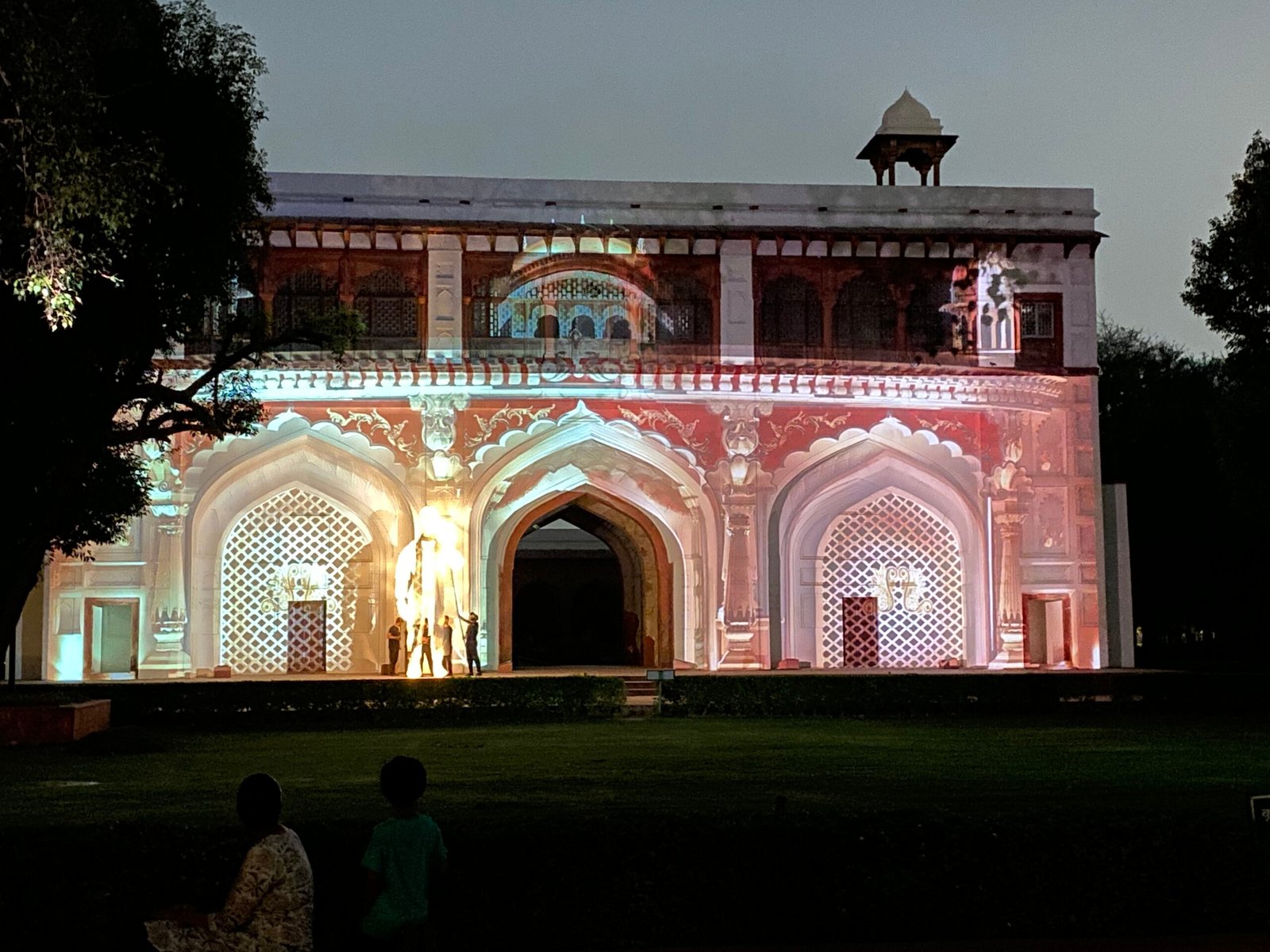
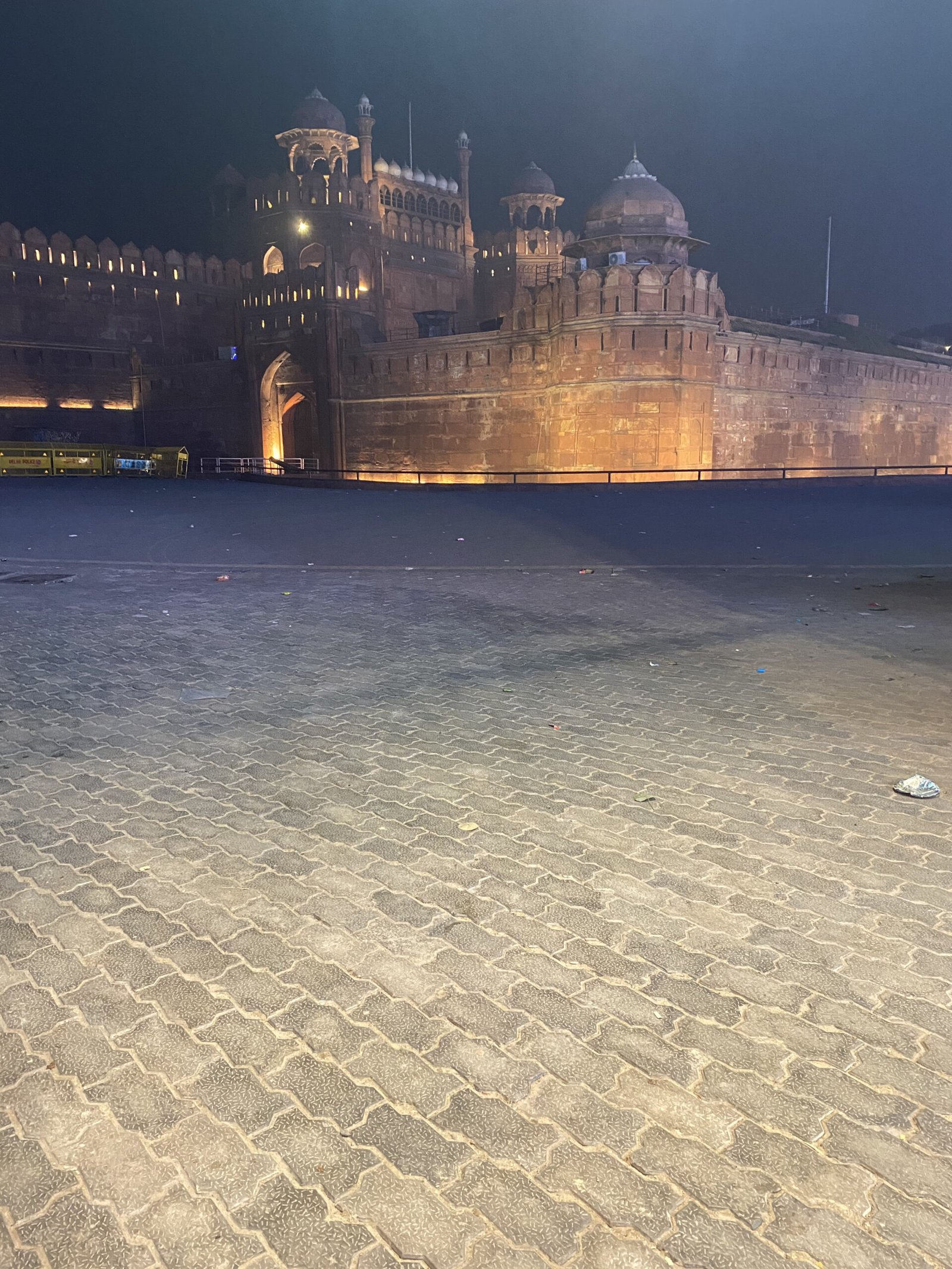
Once evening settles in, the fort takes on a completely different character. The current show, titled Jai Hind, is a roughly hour long retelling of Indian history projected across the fort’s walls, covering everything from the Marathas to the 1857 uprising to the Indian National Army trials. It runs most evenings except Monday, with a Hindi show around 7:30 PM and an English show around 8:45 PM, though the exact days for each language shift through the week so it is worth confirming before you go.
Tickets for the show run separately from the daytime entry fee, generally in the Rs. 60 to 80 range on weekdays and slightly higher on weekends for adults, with lower rates for children. Seeing the fort lit up like this, after having walked through it in daylight, gives you a genuinely different sense of the place.
Museums Inside the Red Fort
Not everyone realizes there are actual museums tucked inside the fort complex, and skipping them means missing a good chunk of the story. The Archaeological Museum, housed in the Mumtaz Mahal building, holds Mughal era paintings, artefacts, calligraphy, and textiles, and entry is included once you are past the main gate, no separate museum fee required beyond the general ticket in most cases. There is also a museum dedicated to the 1857 War of Independence, which fills in a part of Indian history that gets less attention than the Mughal chapters but is arguably just as important to understanding the fort’s later role.

Inside the Palace Complex
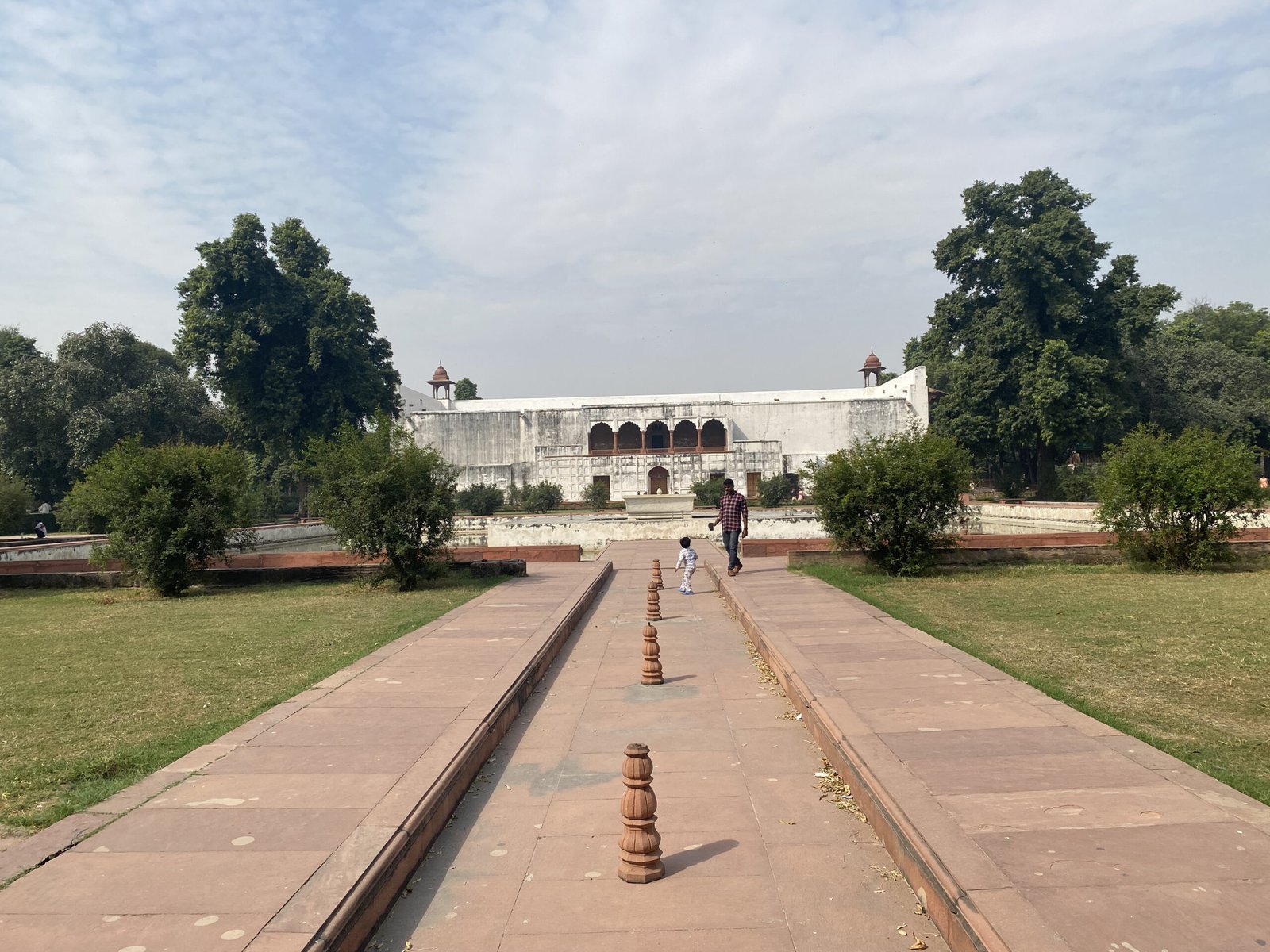
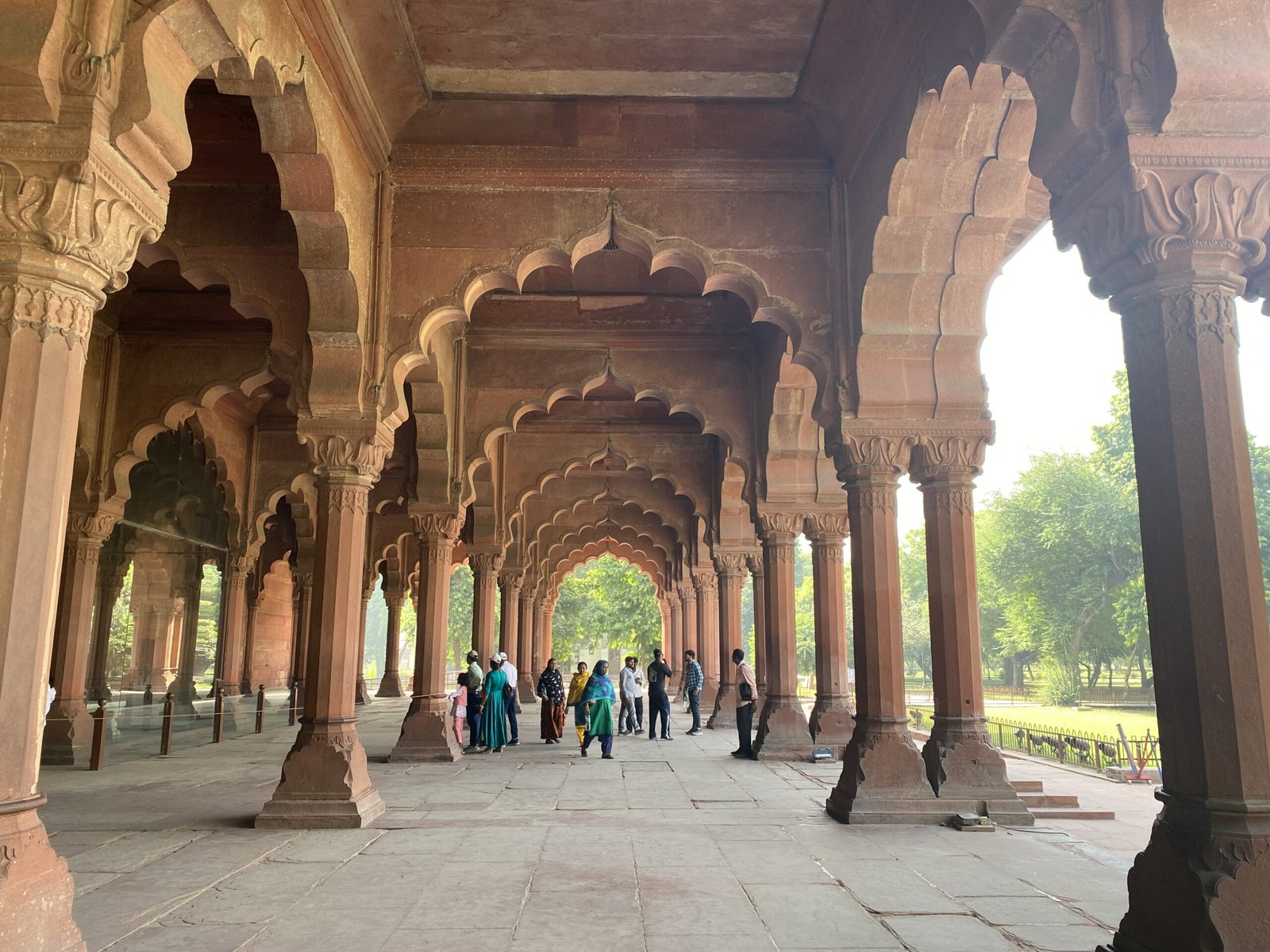
Beyond the museums, the fort’s interior is really a series of pavilions and halls, each built for a specific court function. The Diwan i Aam was where the emperor held public audiences, while the Diwan i Khas, with its marble screens, was reserved for private and more intimate meetings of state. Walking between these structures, you notice the shift from grand and open to detailed and enclosed, which tells you a lot about how Mughal court life was structured.
Practical tip: Security checks at the entrance are thorough, so avoid carrying large bags, power banks, or food. Water bottles are usually fine. Give yourself buffer time before the light show, the queue for security can move slowly on weekends.
Solo Travelers and Safety Inside the Fort
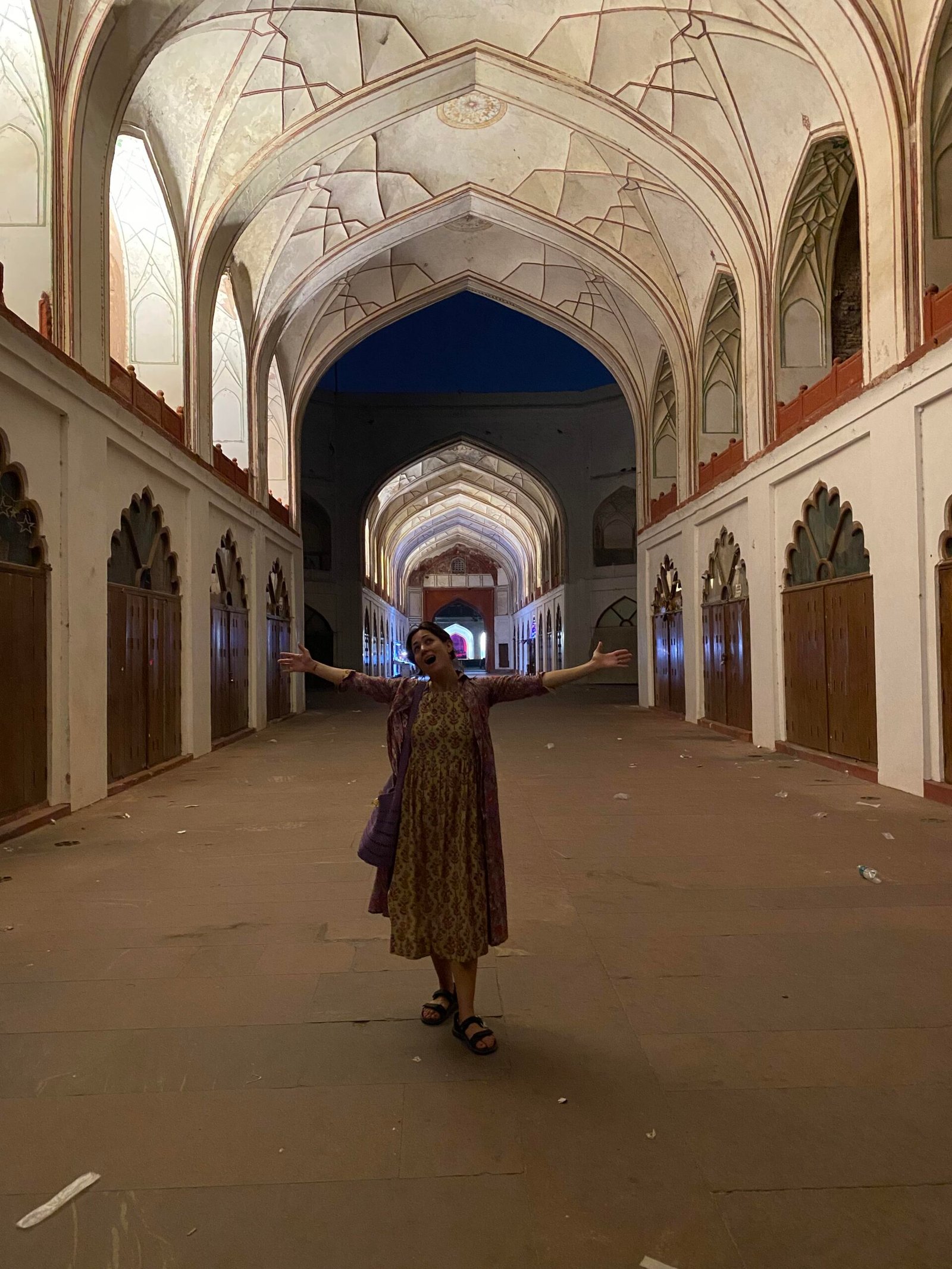
The fort itself is well patrolled and generally safe, including for women traveling alone, even in the evening for the light show, since there is a steady flow of families and other visitors around. That said, the area right outside the gates, particularly the walk toward Chandni Chowk, gets crowded and chaotic after dark, so keeping valuables close and sticking to well lit main paths is a sensible habit rather than a sign of danger.
Combining Red Fort With Old Delhi Food and Culture
Because the fort sits right at the mouth of Chandni Chowk, most people naturally combine a visit here with exploring the market and its food. If you have the appetite for it, a guided walk through the luxury Old Delhi street food tasting in a local home is a good way to fill in the afternoon before heading back for the evening light show. For something a bit more hands on, the cooking class covering six classic dishes or a relaxed chai master class inside an Indian family home pairs naturally with a day built around the fort, since both give you the domestic, lived in side of Delhi that the monument alone does not show.
If Old Delhi’s usual food stops feel a bit too well trodden, Delhi’s best street food beyond Old Delhi is worth a look for a second day in the city.
Day Trips From Delhi Once You Have Seen the Fort
Once the Red Fort and Old Delhi are checked off, a lot of travelers use Delhi as a base for the wider Golden Triangle. A day trip to the Taj Mahal or a same day Jaipur tour both work well if your schedule is tight, and if you have a full week, the seven day Golden Triangle itinerary with a Ranthambore tiger safari gives a much fuller picture of northern India beyond just Delhi’s monuments.
Frequently Asked Questions
What are the Red Fort timings in 2026?
The fort generally opens around 9:00 AM to 9:30 AM and closes by 4:30 PM to 5:00 PM. It has traditionally been closed on Mondays, though some sources now note seven day access, so it is worth confirming before your visit.
How much is the Red Fort entry ticket?
Indian citizens pay around Rs. 35 for basic entry, foreign nationals pay roughly Rs. 500 to 600, and combined fort plus museum tickets cost a bit more, with online booking usually cheaper.
Is the sound and light show at Red Fort worth it?
Yes, the Jai Hind show is a well produced retelling of Indian history projected onto the fort itself, and it gives a very different feel from a daytime visit, though tickets are booked separately from the entry fee.
Are there museums inside the Red Fort?
Yes, the Archaeological Museum inside the Mumtaz Mahal building displays Mughal era paintings and artefacts, and there is also a museum focused on the 1857 War of Independence.
Is Red Fort safe for solo female travelers at night?
The fort itself is patrolled and generally safe even during evening shows, though the crowded lanes outside toward Chandni Chowk require normal city awareness after dark.